The United Arab Emirates grows no cocoa, yet it is one of the busiest cocoa and chocolate markets in the Middle East. Every bean, block of cocoa mass, carton of cocoa butter, bag of cocoa powder and box of chocolate sold in the country arrives by sea or air: in 2023 the UAE brought in about 94,000 tonnes of chocolate and cocoa preparations worth USD 564 million, plus some 29,000 tonnes of beans, cocoa mass, butter and powder. Consumers, travellers, hotels, cafés, bakeries, chocolate makers, food and beverage manufacturers and re-exporters all draw on that flow, and their demand works on three levels at once. Over 11 million residents and close to 20 million yearly visitors to Dubai buy chocolate to eat and to give; local factories, chocolatiers and bakeries buy cocoa ingredients to make their own products; and Dubai’s ports and free zones re-export a large share to Saudi Arabia, Oman, Iraq, Jordan, India and beyond.
Retail demand is shaped by gifting, Ramadan and the two Eids, the winter tourist season and fast-moving trends such as the pistachio and kunafa “Dubai chocolate”, while ingredient demand follows world cocoa prices, health rules on sugar and labelling, and the heat of the Gulf summer. Importers who understand all three levels, the import data behind them and the yearly calendar can decide which products to bring in, from which origins, in what grades and pack sizes, and when each shipment should land.
Overview
UAE retail chocolate sales are estimated at about USD 537 million in 2025, growing around 5.5% a year to 2031. Imports are larger than that because the UAE is also a trading hub: chocolate and cocoa preparation imports were USD 564 million in 2023, and exports, mostly to Gulf and nearby markets, were USD 403 million. On the ingredient side, the country imported USD 35.7 million of cocoa mass, USD 22.6 million of cocoa powder, USD 21.7 million of cocoa butter and USD 17.4 million of cocoa beans in 2023. Almost all the beans came from Côte d’Ivoire and were re-exported, so local makers depend on semi-finished cocoa, much of it ground in Asia and Europe rather than in Africa.
Demand peaks before Ramadan and Eid Al Fitr (expected in February and March 2027) and again from December to January. Premium gift assortments, dark chocolate and online sales are growing fastest, and the pistachio and kunafa “Dubai chocolate” alone sold 719 tonnes through Dubai Duty Free in 2025. Importers do best when they pick a buyer segment, match grades and pack sizes to it, plan shipments backwards from each season, agree clear price terms after the 2024 cocoa price spike and its fall, keep halal, registration and Arabic labelling in order, and use cool storage from May to September.
In this guide
- The market in numbers
- How UAE cocoa demand works
- Import data by product
- Where chocolate comes from and goes
- Who buys and why
- Consumer trends
- Sales channels
- The demand calendar
- The Dubai chocolate effect
- Cocoa prices and UAE demand
- Products and grades in demand
- Buyer segments
- Rules that shape demand
- Logistics and storage
- Opportunities for importers
- Risks to plan for
- Planning your imports
- FAQs
- Sources and References
Market size
UAE Cocoa and Chocolate Demand in Numbers
Nine figures show the scale of UAE cocoa and chocolate demand, from what shoppers spend to what crosses the border as ingredients and finished goods:
USD 537 million
UAE chocolate retail market, 2025
5.5% a year
Forecast growth of the retail market to 2031
USD 564 million
Chocolate and cocoa preparations imported, 2023 (94,110 t)
USD 403 million
Chocolate and cocoa preparations exported, 2023 (80,655 t)
USD 97 million
Cocoa beans, mass, butter and powder imported, 2023
11.3 million
UAE residents, 2024; Dubai passed 4.5 million in 2025
19.59 million
International overnight visitors to Dubai, 2025
719 tonnes
Dubai chocolate sold by Dubai Duty Free, 2025
88
DMCC companies in cocoa, chocolate and confectionery
Reading the numbers
Import and export values are higher than the retail market because a large part of the trade passes through the UAE to other countries, and because local factories turn imported cocoa into chocolate that is sold abroad. Market-size estimates also vary between research firms, so use them as a guide to direction and scale, and use customs data for volumes.
Market structure
How UAE Cocoa Demand Works: Three Layers
Treating the UAE as one market leads to the wrong stock and the wrong customers. Demand comes from three layers, and each one buys different products, in different quantities, at different times:
1. Domestic consumption
Residents, tourists and businesses in the UAE eat, serve and give chocolate. This layer buys mainly finished chocolate through supermarkets, chocolatiers, hotels, cafés, airports and online shops, and is strongly seasonal.
2. Local manufacturing
Chocolate factories, filled-chocolate brands, bakeries, ice cream and beverage makers turn imported cocoa mass, butter and powder (and some beans) into their own products, part of which they export to the Gulf and beyond.
3. Trading and re-export
Traders in Jebel Ali, DMCC and other free zones buy, store, repack and re-export cocoa and chocolate. In 2023 almost all of the cocoa beans the UAE imported were shipped out again, and chocolate exports equalled about 86% of import tonnage.
For an importer, the layer you sell to decides almost everything else: whether you need finished chocolate or ingredients, 5 kg bags or full containers, Arabic retail labels or bulk documents, and whether your peak is before Ramadan or spread evenly through the year. The planned DMCC Cacao Centre, announced in April 2026 with services for grading, storage, blending and processing into liquor, butter and powder, could strengthen the second and third layers further.
Trade data
UAE Cocoa Import Data by Product (2023)
Official customs data for 2023, the latest full year published for the UAE, shows what the market actually brings in. The value per tonne is our calculation from the reported value and weight, and reflects prices before the 2024 cocoa price spike:
Product (HS code)
Import value
Volume
Value per tonne
Main origins
Product (HS code)
Cocoa beans (1801)
Import value
USD 17.4 million
Volume
7,053 t
Value per tonne
About USD 2,460
Main origins
Côte d’Ivoire (96% of value), Ghana, France
Product (HS code)
Cocoa mass or paste (1803)
Import value
USD 35.7 million
Volume
10,808 t
Value per tonne
About USD 3,310
Main origins
Ghana, Côte d’Ivoire, France, Türkiye, Germany
Product (HS code)
Cocoa butter (1804)
Import value
USD 21.7 million
Volume
4,389 t
Value per tonne
About USD 4,940
Main origins
Indonesia, Malaysia, Netherlands, Singapore, Spain
Product (HS code)
Cocoa powder (1805)
Import value
USD 22.6 million
Volume
7,153 t
Value per tonne
About USD 3,160
Main origins
Malaysia, Netherlands, Ghana, Spain, France
Product (HS code)
Chocolate and cocoa preparations (1806)
Import value
USD 563.9 million
Volume
94,110 t
Value per tonne
About USD 5,990
Main origins
Switzerland, Netherlands, Italy, Türkiye, Germany
What the data tells importers
Beans pass through
The UAE imported 7,053 tonnes of beans, almost all from Côte d’Ivoire, and exported 6,916 tonnes, almost all to a single neighbouring market. Very little bean grinding happens in the UAE today.
Local makers run on semi-finished cocoa
Cocoa mass is the largest ingredient import by value. Chocolate makers buy it ready to use, together with cocoa butter, rather than grinding beans themselves.
Asia supplies butter and powder
Indonesia and Malaysia supplied more than half of the cocoa butter by value, and Malaysia was the largest single source of cocoa powder. African origins supply mainly beans and mass.
Powder is also re-exported
The UAE exported 2,813 tonnes of cocoa powder in 2023, about 39% of what it imported, mainly to markets in the wider region.
Newer figures
More recent trade data shows that UAE imports of chocolate and cocoa preparations reached USD 612.7 million in 2025, up 24% on 2024, while volume rose only about 4% and the average value per tonne climbed about 19% as higher cocoa costs reached finished goods. Trade databases differ slightly, so compare years within one source.
Trade flows
Where UAE Chocolate Comes From and Where It Goes
Chocolate and cocoa preparations (HS 1806) are by far the largest part of the trade. The top five origins supplied about half of import value in 2023:
Top origins, 2023
Import value
Volume
Top origins, 2023
Switzerland
Import value
USD 70.4 million
Volume
4,935 t
Top origins, 2023
Netherlands
Import value
USD 70.2 million
Volume
15,512 t
Top origins, 2023
Italy
Import value
USD 57.6 million
Volume
7,998 t
Top origins, 2023
Türkiye
Import value
USD 46.9 million
Volume
15,806 t
Top origins, 2023
Germany
Import value
USD 39.3 million
Volume
6,276 t
The value per tonne varies widely: Swiss chocolate averaged over USD 14,000 a tonne, while Turkish and Dutch shipments, which include more bulk and ingredient products, were closer to USD 3,000 to 4,500. The UAE buys both premium branded chocolate and large volumes of value products and compounds.
Top destinations, 2023
Export value
Volume
Top destinations, 2023
Saudi Arabia
Export value
USD 100.4 million
Volume
16,248 t
Top destinations, 2023
Oman
Export value
USD 51.6 million
Volume
10,987 t
Top destinations, 2023
Jordan
Export value
USD 32.5 million
Volume
8,621 t
Top destinations, 2023
Iraq
Export value
USD 29.8 million
Volume
7,004 t
Top destinations, 2023
India
Export value
USD 26.4 million
Volume
3,410 t
For importers
Saudi Arabia alone took a quarter of UAE chocolate exports. A UAE stockholding can serve customers in the wider GCC, Levant, Iraq and South Asia, so think about regional demand, and each destination’s import rules, when you size your stock.
Consumers
Who Buys Chocolate in the UAE, and Why
The UAE has one of the most international populations in the world. It reached 11.3 million residents in 2024, and Dubai alone passed 4.5 million by the end of 2025. Residents come from South Asia, the Arab world, Europe, Africa and East Asia, and each group brings its own tastes, from milk chocolate bars and filled pralines to dark chocolate, date-based sweets and festive mithai.
Residents and families
Weekly supermarket shopping, school snacks, baking at home and gifts for visits. Price-sensitive for everyday bars; generous for occasions.
Visitors
Dubai welcomed 19.59 million international overnight visitors in 2025, led by Western Europe, the GCC, CIS and Eastern Europe, and South Asia. Many buy chocolate as a souvenir, especially local and Arabic-themed products.
Corporate and hospitality buyers
Companies, hotels and event organisers order branded gift boxes for clients, staff, weddings and conferences. Hotel occupancy in Dubai averaged 80.7% in 2025, supporting pastry and buffet demand.
Food businesses
Cafés, dessert bars, bakeries and cloud kitchens buy cocoa powder, couverture and fillings for drinks, cakes and desserts, and change menus often to follow trends.

Gifting and artisanal products carry the highest margins in the UAE market.
Consumer trends
Consumer Trends Shaping UAE Chocolate Demand
Market estimates for 2025 show where retail value sits today and where it is growing:
Segment
Share today
Direction
Segment
Milk and white chocolate
Share today
56% of retail value in 2025
Direction
Still the volume base; dark chocolate is the fastest-growing type at about 7.5% a year
Segment
Tablets and bars
Share today
39% of retail value
Direction
The largest format; pralines and truffles grow fastest at about 6.8% a year
Segment
Mass-market chocolate
Share today
77% of retail value
Direction
Premium chocolate grows faster, at about 6.7% a year
Segment
Supermarkets and hypermarkets
Share today
36% of retail value
Direction
The largest channel; online sales grow fastest at about 6.6% a year
Premium gifting
Curated boxes, filled dates, pralines and personalised packaging for Ramadan, Eid, weddings and corporate gifts. Buyers want fine couverture, good fillings and strong presentation.
Dark and lower-sugar
More shoppers choose dark, high-cocoa, reduced-sugar and sugar-free chocolate. This supports demand for cocoa mass, cocoa butter and good natural and alkalized powders.
Health labelling
Abu Dhabi’s Nutri-Mark grades (A to E) became mandatory for baked goods, oils, dairy, children’s food and beverages from 1 June 2025, encouraging reformulation.
Local and Middle Eastern flavours
Pistachio, kunafa, dates, tahini, saffron and cardamom appear across bars, spreads and desserts, led by Dubai’s own chocolatiers.
Online and quick commerce
Delivery apps and online gift shops make premium and seasonal products available across the country within hours, which favours small, frequent restocking.
Halal and clean labels
Shoppers and retailers expect halal assurance and clear ingredient lists. Products and ingredients with recognised halal certificates are easier to place.
Channels
Where Chocolate Is Sold in the UAE
Each channel pulls through different products. Match your range to the channels your customers sell into:
Channel
What sells
What importers supply
Channel
Supermarkets and hypermarkets
What sells
Everyday bars, family packs, seasonal ranges
What importers supply
Branded finished chocolate, private label, baking cocoa
Channel
Specialist chocolatiers and gift shops
What sells
Pralines, gift boxes, filled dates
What importers supply
Couverture, cocoa mass, cocoa butter, fillings
Channel
Travel retail
What sells
Souvenirs and gift packs; Dubai Duty Free confectionery sales were USD 231.6 million in 2025
What importers supply
Finished chocolate, including local brands
Channel
Hotels, restaurants and cafés
What sells
Desserts, buffets, drinks, pastries
What importers supply
Cocoa powder, couverture, chocolate drinks
Channel
Bakeries and food factories
What sells
Cakes, biscuits, ice cream, spreads, drinks
What importers supply
Powder by grade, cocoa mass, butter, compound coatings
Channel
Online and delivery apps
What sells
Gifts, seasonal launches, trend products
What importers supply
Finished chocolate from local makers and importers
Travel retail deserves attention. Dubai Duty Free reported confectionery sales of USD 231.6 million in 2025, almost 10% of its total, with “Dubai chocolate” now treated as its own sub-category.
Seasonality
The UAE Cocoa and Chocolate Demand Calendar
Demand follows the religious, tourist and trade-show calendar. Chocolate makers produce gift ranges weeks before each season, so ingredients must arrive well before shoppers do. The last column shows when stock should already be in a UAE warehouse:
When
Occasion
What sells
Stock landed by
When
November
Occasion
Diwali (8 November 2026)
What sells
Gift boxes, mithai with chocolate, assorted pralines
Stock landed by
Mid-October
When
December to January
Occasion
UAE National Day (2 December), Dubai Shopping Festival, Christmas and New Year, peak tourist season
What sells
Gift boxes, hotel pastry, festive bars, hot chocolate
Stock landed by
November
When
February to March
Occasion
Ramadan (expected from about 8 February 2027) and Eid Al Fitr (about 9 or 10 March 2027)
What sells
Filled dates, gift trays, pralines, desserts for iftar and suhoor
Stock landed by
December to early January
When
March
Occasion
Gulfood, 15 to 19 March 2027, Dubai
What sells
Trade meetings and new supply contracts
Stock landed by
Samples and price lists ready
When
May
Occasion
Eid Al Adha (about 16 or 17 May 2027)
What sells
Gift boxes and trays, smaller than Eid Al Fitr
Stock landed by
March to early April
When
June to August
Occasion
Summer heat; many residents travel
What sells
Lower retail gifting; ice cream, chilled drinks and cocoa beverages hold up
Stock landed by
Contract for autumn and Ramadan
When
September to October
Occasion
Schools and offices return; Yummex Middle East (sweets and snacks) at the World Trade Centre
What sells
Cocoa powder, baking chocolate, café menus; new product launches
Stock landed by
August
Dates move every year
Ramadan and the Eids follow the lunar calendar and move about 11 days earlier each year. The 2027 dates above are astronomical forecasts confirmed later by the UAE moon-sighting committee. Direct imports from Africa take about 4 to 8 weeks from order to arrival, plus clearance and production time, so plan backwards from each season.
Case study
The Dubai Chocolate Effect: What a Viral Bar Teaches Importers
A chocolate bar filled with crispy kunafa pastry, pistachio cream and tahini, first launched by a small Dubai dessert brand in 2021, went viral on social media and was copied by chocolate brands and supermarkets around the world.
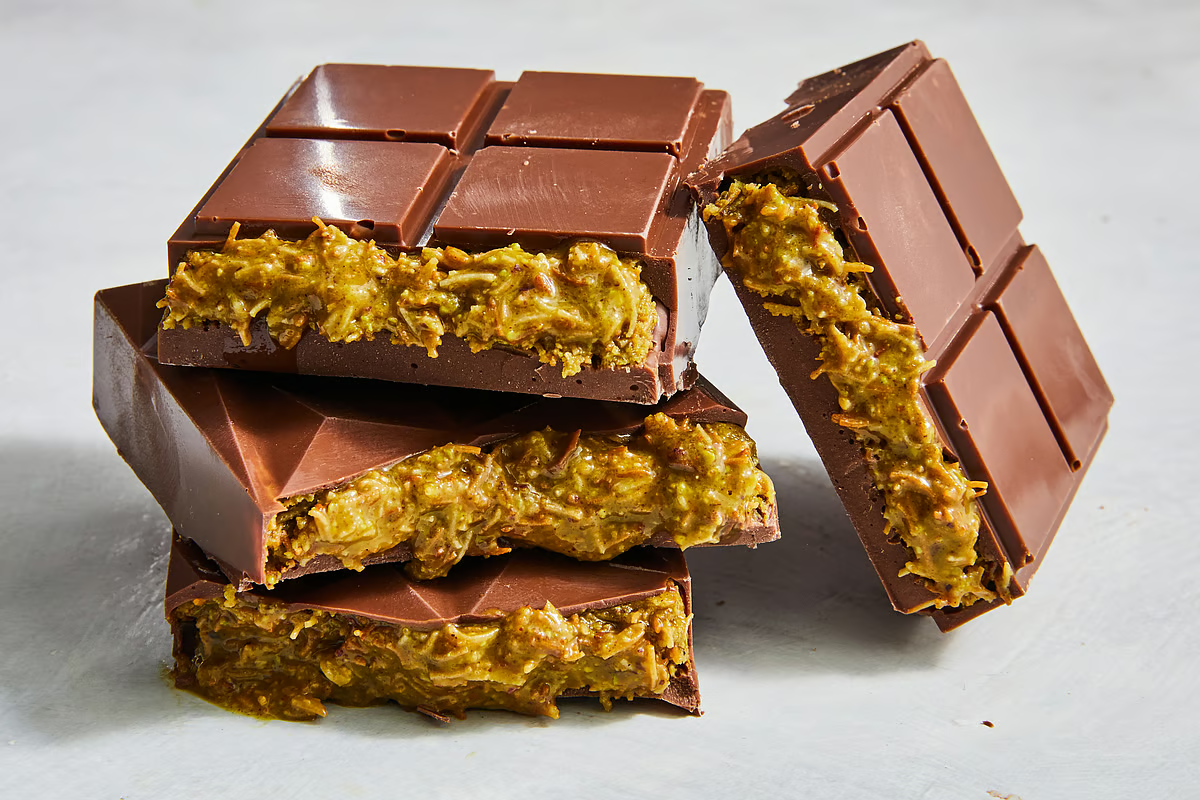
The pistachio and kunafa bar turned a local dessert into a global product.
The effect on supply was fast. At Deira’s Old Souk, pistachio prices went from about Dh32 per kilo in February 2025 to Dh40 to 45 per kilo by early May, as chocolate makers bought directly from large suppliers. Pistachio exports from the second-largest producing country to the UAE in the six months to March 2025 were 40% higher than in the whole of 2024. By the end of 2025, Dubai Duty Free alone had sold 719 tonnes of Dubai chocolate across 13 brands.
Trends move ingredient demand
The bar raised demand for pistachio, kunafa and milk and dark couverture together. Watch every ingredient in a trending product, not only the cocoa.
Local makers need base materials
Dozens of new filled-chocolate brands appeared. They buy cocoa mass, cocoa butter and couverture in small, regular lots, which suits importers with local stock.
Trends fade, standards stay
A craze can slow down as quickly as it started. Avoid tying up warehouse space in one trend; core grades of powder, butter and mass keep selling.
Prices
How World Cocoa Prices Affect UAE Demand
Every kilo of cocoa sold in the UAE is priced from the world market. New York cocoa futures passed USD 10,000 a tonne in March 2024 and briefly went above USD 12,000 in December 2024, after poor West African harvests. Supply then recovered and demand fell, and prices slid back towards USD 3,000 a tonne in early 2026, nearly 70% below the peak.
Shelf prices lag
Chocolate brands bought cocoa forward at high prices, so retail prices stayed high long after futures fell. UAE import values per tonne of chocolate rose about 19% in 2025.
Recipes changed
Manufacturers cut pack sizes, added more nuts, biscuits and fillings, and used more compound coatings. Many of these changes are lasting.
Lower prices reopen demand
Cheaper beans, mass and powder improve margins for UAE makers and bakeries, and make premium, high-cocoa products easier to price.
Contracts matter
Agree whether a price is fixed or linked to the futures market, how long a quote is valid, and how to split volume between fixed and open prices.
For buyers
Prices today are market-linked rather than fixed, so ask any supplier for a dated quote with a clear validity period. The supply, demand and price drivers behind these moves are covered in our global cocoa market guide, listed under More Guides at the end of this article.
Product demand
Which Cocoa Products and Grades Are in Demand
UAE buyers rarely ask simply for “cocoa”. They ask for a product, a grade and a specification that fits their recipe:
Product
HS code
Main buyers
What buyers specify
Product
Cocoa beans
HS code
HS 1801
Main buyers
Bean-to-bar makers, grinders, traders
What buyers specify
Fermentation, bean count, moisture, cut-test results, origin
Product
Cocoa mass (liquor)
HS code
HS 1803
Main buyers
Chocolate makers, filling and spread producers
What buyers specify
Origin and flavour, fineness, fat content, microbiology
Product
Cocoa butter
HS code
HS 1804
Main buyers
Chocolate makers, cosmetic and soap brands
What buyers specify
Natural or deodorized, free fatty acids, melting profile, colour
Product
Natural cocoa powder
HS code
HS 1805
Main buyers
Bakeries using baking soda, health-food and beverage brands
What buyers specify
pH about 5 to 6, fat 10/12% or 20/22%, fineness, colour
Product
Alkalized cocoa powder
HS code
HS 1805
Main buyers
Biscuits, cakes, beverages, ice cream, cafés
What buyers specify
pH, colour shade from light to black, fat, solubility
Product
Chocolate and couverture
HS code
HS 1806
Main buyers
Retail, hotels, chocolatiers, gifting brands
What buyers specify
Cocoa content, melting and tempering, shelf life, packaging
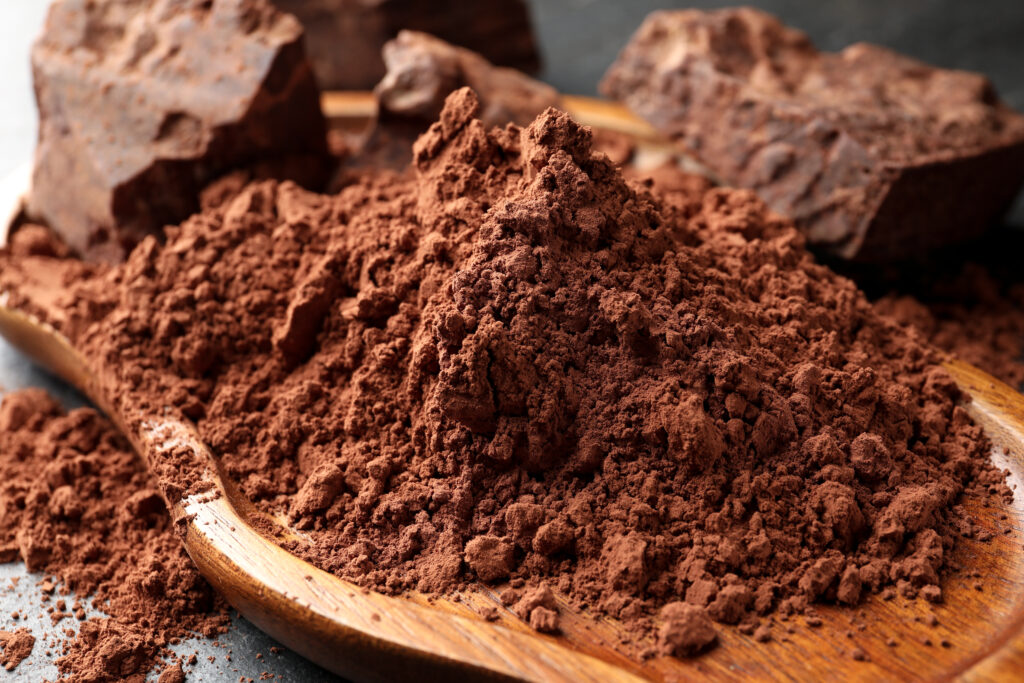
Cocoa powder sells all year to cafés, bakeries and beverage makers, in natural and alkalized grades.
The grades UAE buyers ask for most
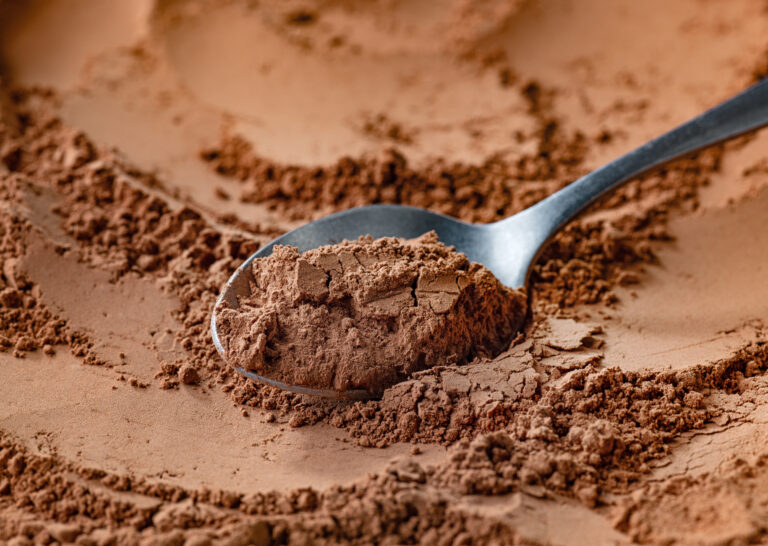
Cocoa powder
Natural Cocoa Powder
Non-alkalized powder for bakeries, health foods and drinks.
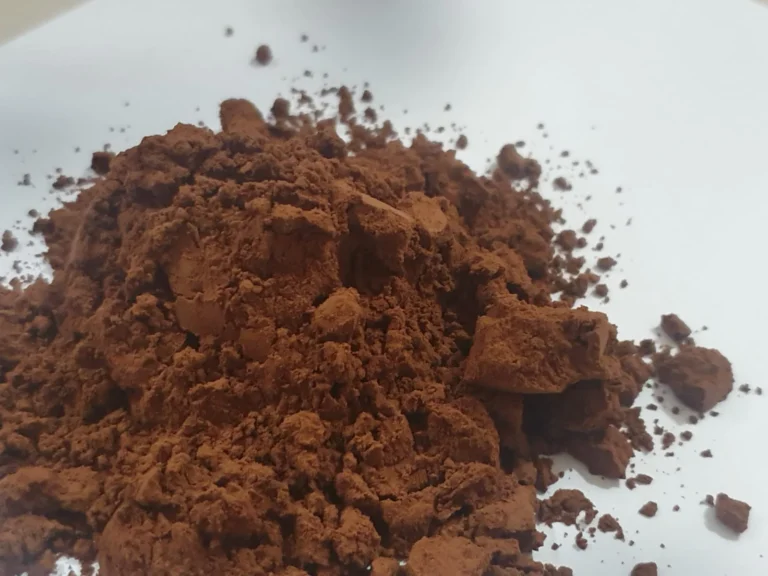
Cocoa powder
Alkalized Cocoa Powder
Darker, milder powder for biscuits, cakes, beverages and cafés.
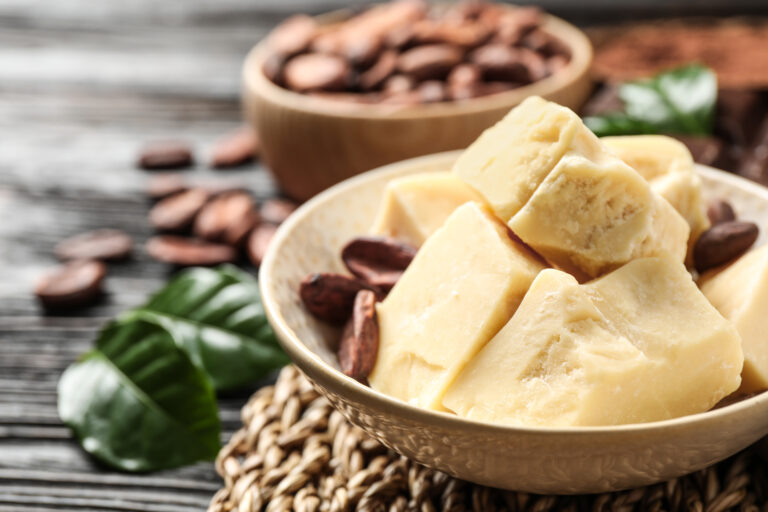
Cocoa butter
Natural Cocoa Butter
Pressed, filtered butter for chocolate makers and chocolatiers.
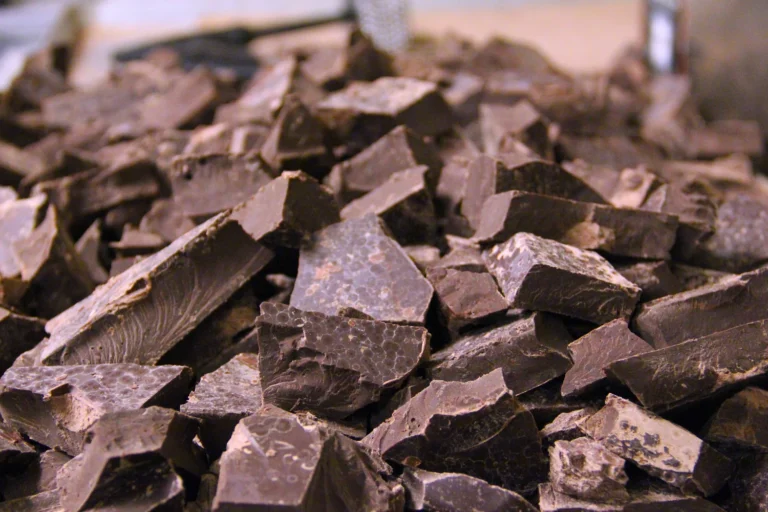
Buyers
UAE Buyer Segments and How They Order
Knowing who you sell to tells you how much stock to hold, in what pack size and with which documents:
Buyer
What they buy
Typical order
What they care about
Buyer
Hotels, restaurants and cafés
What they buy
Cocoa powder, couverture, fillings
Typical order
Small packs, weekly or monthly
What they care about
Consistent colour and flavour; reliable delivery
Buyer
Bakeries and dessert brands
What they buy
Natural and alkalized powder, couverture
Typical order
25 kg bags, monthly
What they care about
The right pH and fat for each recipe
Buyer
Chocolate makers and chocolatiers
What they buy
Cocoa mass, cocoa butter, powder, some beans
Typical order
Pallets to containers, seasonal peaks
What they care about
Specification, certificate of analysis, traceability
Buyer
Food and beverage manufacturers
What they buy
Powder, cocoa mass, cocoa butter
Typical order
Containers under a supply agreement
What they care about
Fixed grade, stable price, long-term contract
Buyer
Cosmetic and soap makers
What they buy
Natural or deodorized cocoa butter
Typical order
Cartons to pallets
What they care about
Purity, colour, odour, documents for cosmetic use
Buyer
Traders and re-exporters
What they buy
Beans, powder, butter, chocolate
Typical order
Containers, often re-exported
What they care about
Origin documents and each destination’s rules
Regulation
UAE Rules That Shape Cocoa and Chocolate Demand
Regulation affects both what you can import and what your customers want to buy:
Registration
Importers register on the federal ZAD system and the emirate’s portal, such as FIRS in Dubai, and register each product before it is cleared.
Arabic labelling
Retail packs must carry the mandatory information in Arabic under UAE.S GSO 9, with production and expiry dates, origin and importer details.
Halal
The Ministry of Industry and Advanced Technology runs the UAE halal programme under UAE.S 2055-1. Halal certificates are needed to clear goods sold as halal, and most UAE buyers ask for them for chocolate and cocoa.
Duty and VAT
The UAE applies the GCC common customs tariff, usually 5% of the CIF value, plus 5% VAT on imports, which VAT-registered businesses can generally recover.
Nutri-Mark in Abu Dhabi
A to E nutrition grades have been mandatory since 1 June 2025 for baked goods, oils, dairy, children’s food and beverages, with more categories expected.
Sugar tax on drinks
Since 1 January 2026, sweetened drinks are taxed by sugar content: nothing below 5 g per 100 ml, AED 0.79 a litre from 5 to under 8 g, and AED 1.09 a litre above that. Drinks with at least 75% milk are excluded. Cocoa beverage makers are reformulating.
Step by step
Licences, ZAD registration, labelling and import documents are explained step by step in our guide to cocoa suppliers in the UAE, listed under More Guides at the end of this article.
Logistics
Logistics and Storage in a Hot Climate
The UAE is easy to reach by sea and air, but summer heat and humidity make storage the weak point for cocoa and chocolate:
Ports and free zones
Most cocoa arrives by container through Jebel Ali. Free zones let traders store, repack and re-export without paying UAE duty until goods enter the mainland.
Temperature
Cocoa butter melts at around body temperature, and chocolate blooms when it warms and cools again. Use air-conditioned warehouses and, for chocolate and butter in summer, temperature-controlled transport.
Humidity
Powder absorbs moisture and clumps; beans can grow mould. Keep goods sealed, on pallets, away from walls and strong odours.
Shelf life and rotation
Buyers often refuse stock with less than half its shelf life left. Rotate first in, first out, and time arrivals to the season instead of storing for months.
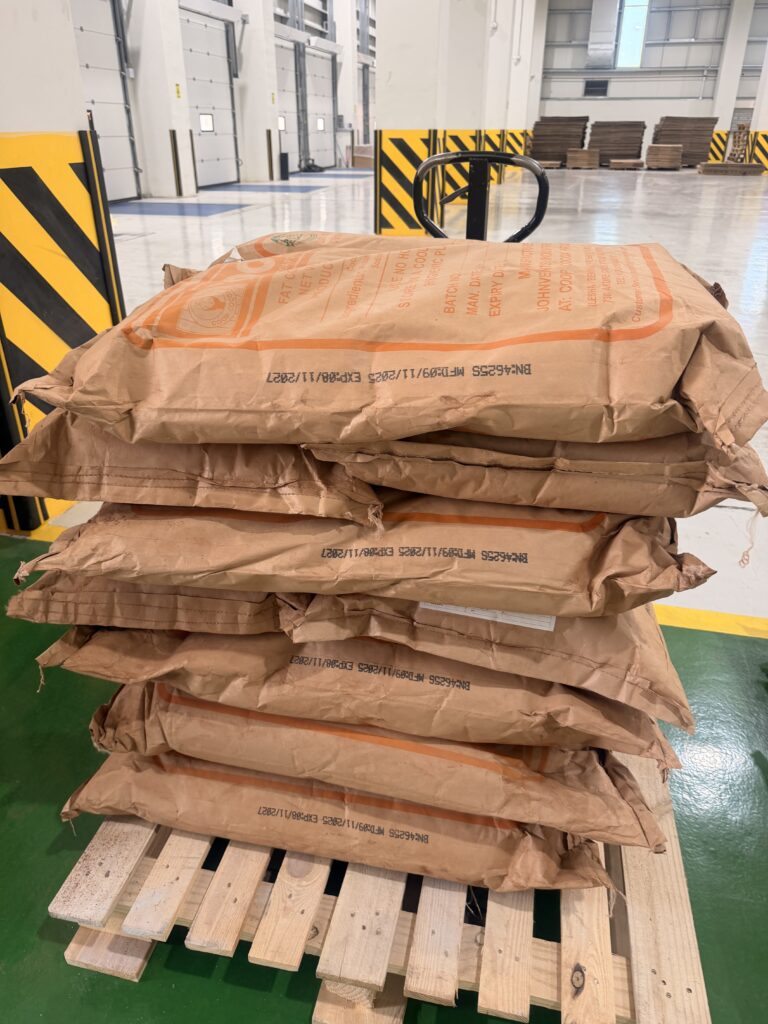
Store cocoa on pallets in a cool, dry, air-conditioned warehouse.
Opportunities
Opportunities for Cocoa Importers in the UAE
The import data and consumer trends point to several openings for importers who plan well:
Origin cocoa butter and powder
Most UAE cocoa butter and much of its powder come from Asian grinders. African-origin butter and powder, bought closer to the source, can compete on price, traceability and story.
Cocoa mass for local makers
Cocoa mass is the largest ingredient import. Filled-chocolate brands and chocolatiers need dependable, consistent mass in small, regular lots.
Grades for bakeries and cafés
Natural, alkalized and black powders with clear pH and fat specifications, in 25 kg bags or smaller, sell year-round.
Premium and certified lines
Single-origin, organic and fully traceable cocoa supports the premium and gifting segments, which are growing faster than the mass market.
Lower-sugar reformulation
Beverage, bakery and dessert makers reformulating for Nutri-Mark and the sugar tax need good cocoa flavour with less sugar, often from higher-quality powders.
Regional distribution
A UAE warehouse can serve the GCC and nearby markets, which already buy UAE re-exports worth hundreds of millions of dollars a year.
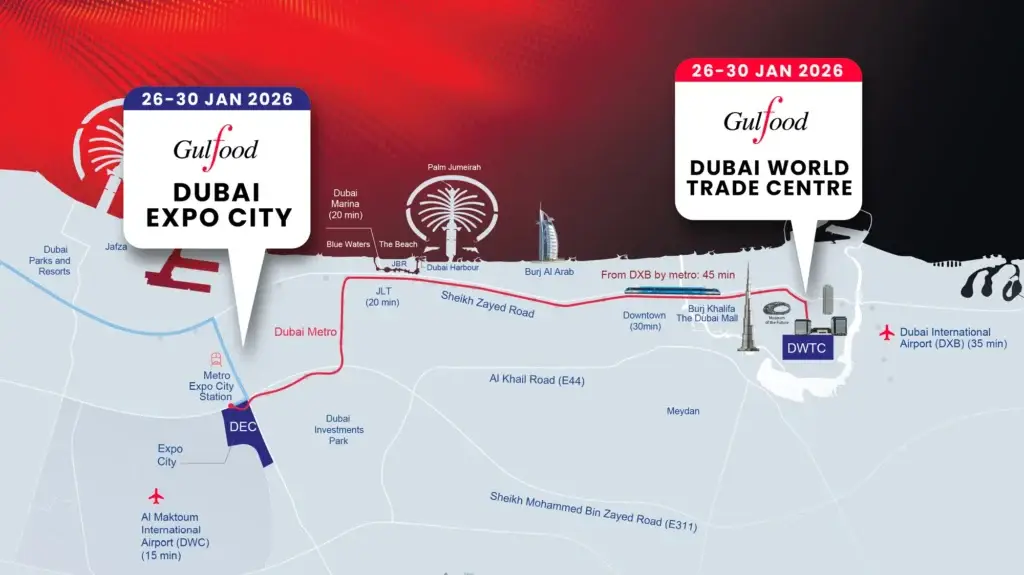
Trade shows such as Gulfood are where many UAE supply contracts start.
Risk
Risks Importers Should Plan For
Heat and humidity
Melted butter, bloomed chocolate and clumped powder are common summer losses. Budget for cool storage and transport.
Price swings
Cocoa moved from record highs to a 70% fall within two years. Unclear price terms can wipe out a margin.
Ingredient shocks
A trend can create shortages of nuts, fillings or packaging. Keep a second supplier for items your customers depend on.
Seasonal timing
Stock that lands after Ramadan or the winter peak may wait months for the next season.
Compliance gaps
Missing registration, halal certificates or Arabic labels can hold goods at the port.
Re-export rules
Each destination has its own rules and restrictions. Check them before you promise delivery from the UAE.
Action plan
Planning Your Cocoa Imports Around UAE Demand
Eight steps turn the demand picture into an import plan:
1
Choose your layer and segment
Decide whether you serve domestic retail, local manufacturers or re-export, and which buyers within it. That sets products, grades and pack sizes.
2
Study the data
Use customs data for your HS codes to see volumes, origins and price levels, and talk to buyers about what they cannot get easily today.
3
Map your seasons
Mark Ramadan, the Eids, December to January, trade shows and your customers’ launches, then count back shipping, clearance and production time.
4
Fix the specification
Agree pH, fat, moisture, fineness and microbiology for powder; flavour and fineness for mass; free fatty acids and colour for butter; bean count and cut-test results for beans.
5
Test samples with customers
Send samples to two or three key buyers and confirm the grade works in their recipes before you order a container. For beans, run a cut test.
6
Agree price, volume and documents
Decide how much to buy at a fixed price and how much to leave open, spread shipments across the year, and confirm halal, origin and health certificates in advance.
7
Arrange cool storage and delivery
Book air-conditioned space near your customers and plan for the May to September heat.
8
Review after each season
Compare what sold with what you held, and adjust the next order. Trends, prices and the lunar calendar all change year to year.
Work with Radad International
Buy African Cocoa for Your Next UAE Season
Radad International supplies cocoa beans, natural and alkalized cocoa powder, cocoa butter, cocoa mass, nibs and shells from African origins, with offices in Dubai and Nigeria. Tell us your season, volumes and grades, and we will send a specification, a sample and a market-linked quote on FOB or CIF terms.
Or email info@radadinternational.com · +971 522 501 039
Questions
Frequently Asked Questions
How big is the UAE chocolate market?
Research estimates put UAE retail chocolate sales at about USD 537 million in 2025, growing around 5.5% a year to 2031. Imports of chocolate and cocoa preparations were higher, at USD 564 million in 2023, because the UAE also re-exports to other markets.
Where does the UAE import chocolate from?
In 2023 the top origins by value were Switzerland, the Netherlands, Italy, Türkiye and Germany, which together supplied about half of all chocolate and cocoa preparation imports.
Where does the UAE import cocoa ingredients from?
Cocoa beans came almost entirely from Côte d’Ivoire, cocoa mass mainly from Ghana and Côte d’Ivoire, cocoa butter mainly from Indonesia and Malaysia, and cocoa powder mainly from Malaysia, the Netherlands and Ghana.
Does the UAE grind cocoa beans?
Very little today. In 2023 the UAE imported about 7,050 tonnes of beans and exported about 6,920 tonnes, so local chocolate makers rely mostly on imported cocoa mass, butter and powder. The planned DMCC Cacao Centre aims to add processing in Dubai.
When is chocolate demand highest in the UAE?
Before and during Ramadan and Eid Al Fitr, and from December to January with National Day, the Dubai Shopping Festival and the winter tourist season. Eid Al Adha and Diwali bring smaller peaks.
When should importers bring in cocoa for Ramadan 2027?
Ramadan 2027 is expected to start around 8 February. Ingredients should be in UAE warehouses by about December or early January so manufacturers can produce gift ranges in time.
Which chocolate types are growing fastest in the UAE?
Dark chocolate, premium chocolate, and pralines and truffles are growing faster than the market as a whole, and online sales are the fastest-growing channel.
What is Dubai chocolate?
A chocolate bar filled with crispy kunafa pastry, pistachio cream and tahini, launched by a Dubai dessert brand in 2021. It went viral, pushed up pistachio prices in 2025, and sold 719 tonnes through Dubai Duty Free that year.
How do world cocoa prices affect UAE importers?
All UAE cocoa is priced from the world market, which went above USD 12,000 a tonne in December 2024 and fell back towards USD 3,000 in early 2026. Importers manage this with clear price terms, staggered shipments and part of their volume on fixed prices.
Do chocolate and cocoa need halal certification in the UAE?
Products sold as halal must be certified under the UAE halal programme run by the Ministry of Industry and Advanced Technology, and most UAE buyers ask for halal certificates for chocolate and cocoa ingredients.
Does the UAE sugar tax apply to chocolate?
The sugar-based excise tax introduced on 1 January 2026 applies to sweetened drinks, not to chocolate bars. Cocoa drinks can fall under it depending on their sugar and milk content; drinks with at least 75% milk are excluded.
How should cocoa be stored in the UAE summer?
In air-conditioned, dry warehouses, on pallets and away from strong odours. Use temperature-controlled transport for chocolate and cocoa butter from about May to September.
Keep reading
More Guides from Radad International
Suppliers
Cocoa Suppliers in UAE
How to choose suppliers, plus licences, ZAD registration and Arabic labels.
Prices
Global Cocoa Market 2026
Prices, supply, demand and the outlook for the next season.
Business
Start a Craft Chocolate Business in the UAE
Business models, sourcing, licences and costing.
Sources and References
- World Bank WITS (UN Comtrade), UAE imports of HS 1806 chocolate and cocoa preparations, 2023
- World Bank WITS (UN Comtrade), UAE exports of HS 1806, 2023
- World Bank WITS (UN Comtrade), UAE imports of HS 1801 cocoa beans, 2023
- World Bank WITS (UN Comtrade), UAE exports of HS 1801 cocoa beans, 2023
- World Bank WITS (UN Comtrade), UAE imports of HS 1803 cocoa paste, 2023
- World Bank WITS (UN Comtrade), UAE imports of HS 1804 cocoa butter, 2023
- World Bank WITS (UN Comtrade), UAE imports of HS 1805 cocoa powder, 2023
- World Bank WITS (UN Comtrade), UAE exports of HS 1805 cocoa powder, 2023
- GTAIC, UAE chocolate and cocoa preparations market analysis (2025 imports)
- Mordor Intelligence, United Arab Emirates chocolate market
- DMCC, DMCC to launch Cacao Centre to accelerate USD 26.2 billion global cocoa trade through Dubai (April 2026)
- Gulf News, UAE population hits 11.3 million in 2024
- The National, Dubai population surpassed 4.5 million by end of 2025
- Gulf News, Dubai tourism hits record as 19.59m international visitors arrive in 2025
- Moodie Davitt Report, Dubai Duty Free record 2025 sales (confectionery and Dubai chocolate)
- Khaleej Times, Viral Dubai chocolate craze drives pistachio costs up (May 2025)
- ConfectioneryNews, Dubai chocolate craze causes global pistachio shortage (April 2025; covers FIX Dessert Chocolatier)
- Bakery and Snacks, Cocoa prices crash after 2024 record highs (March 2026; includes Barry Callebaut volume data)
- Lexis Middle East, Abu Dhabi mandatory Nutri-Mark labelling
- KPMG, Changes to UAE excise tax rates for sweetened drinks
- SGS, Halal certification in the UAE (MoIAT programme)
- Khaleej Times, Ramadan, Eid Al Fitr and Eid Al Adha 2027 likely dates
- Austrade, Gulfood 2027 (15 to 19 March 2027)
- Neventum, Yummex Middle East