
If you’re in the business of making chocolate, desserts, or even working in food manufacturing anywhere in the UAE, there’s a good chance you’ve come across the term cocoa liquor, or as it’s also called, cocoa mass. Now, the name “liquor” might throw some people off, but there’s actually no alcohol in it. It’s just what we call pure ground cocoa beans that have been roasted, shelled, and turned into a thick, smooth paste.
This paste is a foundational ingredient in a lot of chocolate-based products. Whether you’re making dark chocolate bars, baking brownies on an industrial scale, or blending fillings for desserts, cocoa liquor is usually the starting point. In the UAE, especially in places like Dubai, Abu Dhabi, Sharjah, and even the industrial zones of Ajman or Ras Al Khaimah, the demand for cocoa ingredients has grown over the years. We’re seeing more local chocolate brands pop up, bigger bakeries scaling up, and even cosmetic companies exploring cocoa-based products. Naturally, a lot of businesses are now asking the same thing: where can I buy good quality cocoa liquor in the UAE, and in bulk?
Overview
Cocoa liquor is 100% pure cocoa: roasted cocoa nibs ground until their natural cocoa butter melts into a smooth paste. It holds both the cocoa solids and the cocoa butter, roughly half and half (52 to 56% fat on dry matter), and sets into solid blocks as it cools, which is why the same product is also sold as cocoa mass or cocoa paste. It is the base of dark chocolate and is used by chocolate makers, bakeries, dessert brands, ice cream and beverage producers, and traders who re-export it across the Gulf.
The UAE grows no cocoa, so all cocoa liquor is imported. It is the country’s largest cocoa ingredient import: about 10,800 tonnes worth USD 35.7 million in 2023, mostly from Ghana and Côte d’Ivoire. Buyers should check the origin, natural or alkalized processing, moisture, fat and fineness, food safety and halal documents, and above all storage, since cocoa liquor softens in the Gulf heat and should be kept below 25 °C. It usually comes in 25 kg cartons of solid blocks, prices follow the world cocoa market, and a 20ft container holds about 15 to 16 tonnes.
In this guide
- What cocoa liquor is made of
- Cocoa liquor in the UAE in numbers
- What cocoa liquor is used for
- How to choose the right cocoa liquor
- Natural vs alkalized cocoa liquor
- Buying cocoa liquor in the UAE
- Who’s buying cocoa liquor in the UAE
- Why buyers source through Radad
- How to start buying
- Quick recap
- FAQs
- Sources and References
The basics
What Exactly Is Cocoa Liquor Made Of?
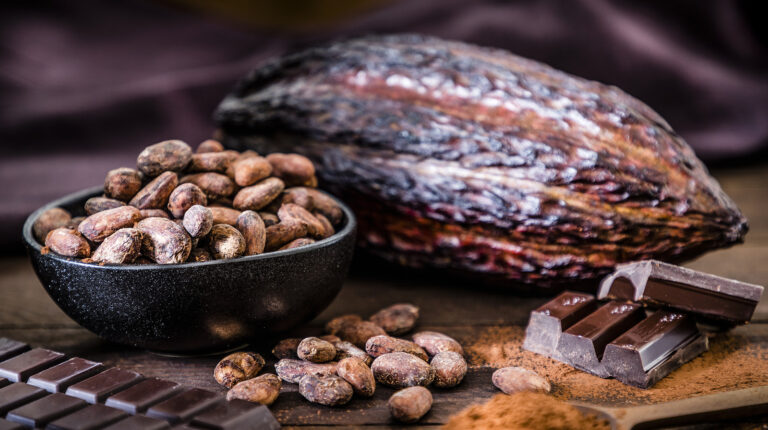
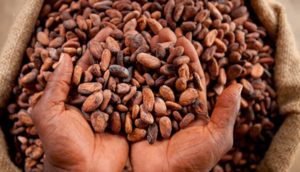
Let’s break it down simply: cocoa liquor is basically 100% pure cocoa. Nothing added. It’s made by taking fermented, dried cocoa beans (usually from West Africa or South America), roasting them, removing the shells, and grinding the nibs into a smooth, thick paste. This paste contains both cocoa solids and cocoa butter, which makes it rich, aromatic, and perfect as a base ingredient in a wide range of products.
Why “liquor”?
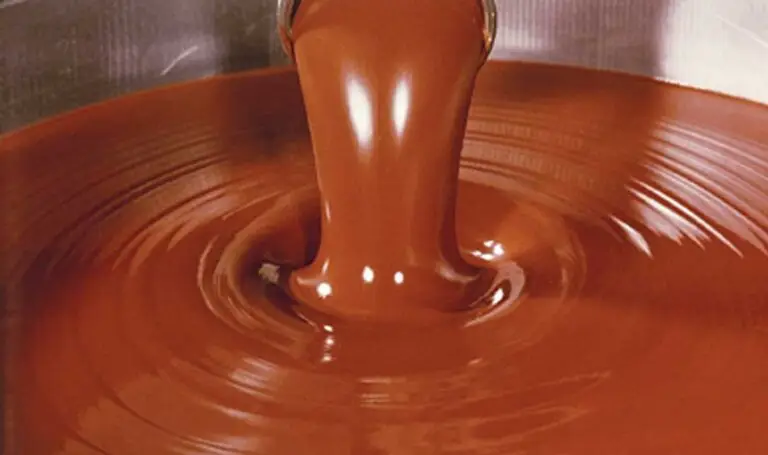
Grinding the nibs melts the cocoa butter inside them, so the fresh paste flows like a liquid. That liquid is cocoa liquor. Despite the name, it contains no alcohol.
Why also “cocoa mass”?
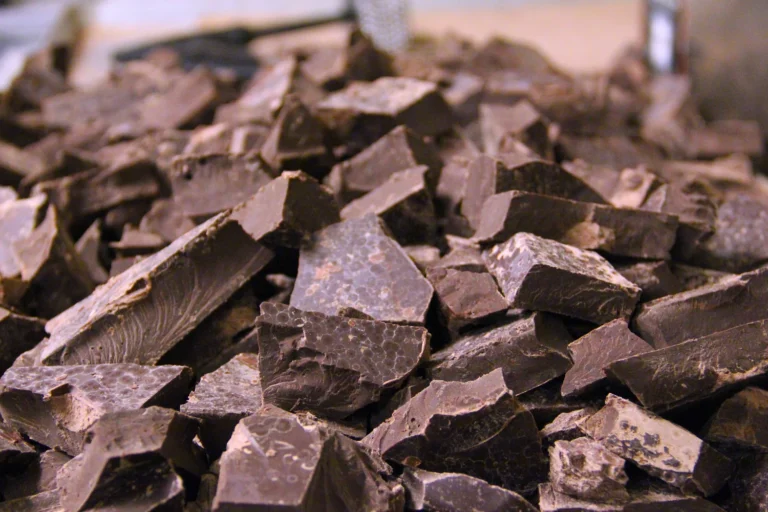
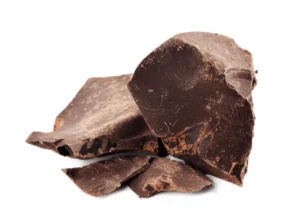
As the liquor cools, the cocoa butter sets and the paste hardens into dense, dark blocks. Liquor describes the liquid state and mass the solid one; it is the same product.
Other names you will see
Cocoa paste, chocolate liquor and unsweetened chocolate. In trade statistics it falls under HS code 1803, cocoa paste.
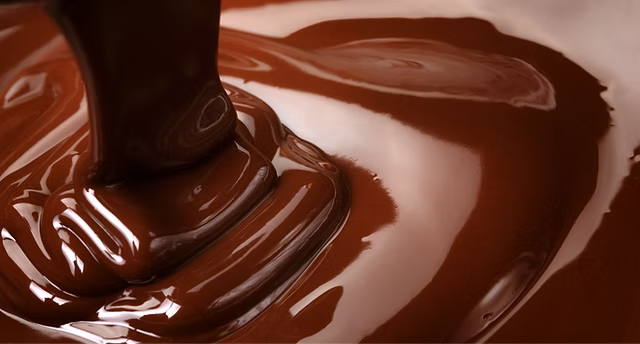
Freshly ground cocoa liquor: a warm, flowing paste that sets into solid blocks as it cools.
Market data
Cocoa Liquor in the UAE in Numbers
10,808 t
Cocoa liquor (cocoa paste) imported by the UAE in 2023
USD 35.7 million
Value of those imports, the largest of any cocoa ingredient
0
Cocoa farms in the UAE: every kilo is imported
52 to 56%
Fat (cocoa butter) on dry matter in natural cocoa liquor
Cocoa liquor is the cocoa ingredient UAE manufacturers buy most. In 2023 the country imported more cocoa liquor by value than cocoa beans, cocoa butter or cocoa powder. Ghana and Côte d’Ivoire were the main origins, followed by processors in France, Türkiye and Germany. The average import value was about USD 3,300 a tonne, before the 2024 cocoa price spike lifted every cocoa product.
Why is this relevant in the UAE? Because the country imports all its cocoa. There’s no local cocoa farming here, so manufacturers, chocolatiers, and food brands are heavily reliant on bulk cocoa liquor suppliers who can bring in high-quality product from origin countries. And that’s where sourcing gets important, because not all cocoa liquor is the same.
Applications
What Is Cocoa Liquor Used For in the UAE?
In the UAE, cocoa liquor is used in more places than you might think. Here are a few common ones:
1. Chocolate manufacturing
This is the most obvious one. Whether it’s a boutique chocolatier in Dubai Mall or a commercial chocolate factory in Dubai Industrial City, cocoa liquor is where most recipes begin, especially for dark and milk chocolate. It’s where the actual cocoa flavor comes from.
2. Bakeries and dessert brands
From high-end bakeries in Abu Dhabi to homegrown brands across Sharjah and Ajman, cocoa liquor is used to make chocolate fillings, glazes, ganache, frostings, and more. Some dessert makers prefer cocoa liquor over cocoa powder because it offers a deeper flavor and smoother texture.
3. Ice cream and beverage production
Some UAE-based producers blend cocoa liquor into premium chocolate ice creams, hot chocolate mixes, or gourmet milkshakes. It adds that full-bodied chocolate flavor that cocoa powder alone doesn’t quite deliver.
4. Cosmetics and natural products
Outside of food, some cosmetic and skincare companies use cocoa liquor or raw cocoa derivatives in moisturizers, balms, and soaps because of its high antioxidant and fatty acid content. While not as common, it’s a growing niche in the wellness space.
Quality
How to Choose the Right Cocoa Liquor: Origin, Quality and Certifications
If you’re buying cocoa liquor in the UAE, especially in bulk, you’ll want to go beyond just price. The origin, quality standards, and how the cocoa was processed all affect the final product you’re working with. This is especially true if you’re making premium chocolate or food products where flavor, texture, and consistency really matter.
1. Origin of the cocoa beans
Where the cocoa comes from can influence everything, from aroma to bitterness, texture, and even color. West African cocoa liquor (especially from Ghana, Nigeria, and Ivory Coast) is often bolder and more balanced, and commonly used in commercial and artisanal chocolate making. Latin American beans (like Ecuador or Peru) tend to have fruitier, more acidic notes, often preferred by high-end chocolatiers. In the UAE, many manufacturers prefer African cocoa liquor because of its strong cocoa profile and better availability in large volumes.
2. Natural or alkalized
Knowing which one you’re getting is important, especially if your recipe calls for a certain profile. The next section compares the two.
3. Certifications matter
In the UAE, especially for export-ready food products or ethically-conscious brands, certifications are becoming more important: organic certified cocoa liquor, Fairtrade or Rainforest Alliance, HACCP, ISO or FDA compliance for food-grade bulk shipments, and halal certification, which is critical in the UAE market.
4. Packaging and delivery conditions
This might seem like a small detail, but it makes a big difference in the UAE’s hot climate. Bulk cocoa liquor usually comes in blocks or slabs, packed in cartons or vacuum-sealed bags. It needs to be stored and shipped in temperature-controlled containers (especially in the summer) to avoid melting or spoilage.
Key Specification Values to Ask For
Ask every supplier for a specification sheet and a certificate of analysis for the lot. These are the values in Radad’s natural cocoa liquor specification:
Parameter
Specification
Parameter
Moisture
Specification
Max 1.5%
Parameter
Total fat on dry matter
Specification
52 to 56%
Parameter
pH (natural liquor)
Specification
5.2 to 6.2
Parameter
Fineness
Specification
Min 99.6% through 75 µm (200 mesh)
Parameter
Shell content
Specification
Max 1.75%
Parameter
Aflatoxins (B1+B2+G1+G2)
Specification
Below 4 ppb
Parameter
Salmonella
Specification
Absent in 375 g
Parameter
Shelf life
Specification
24 months from production
In short
When choosing cocoa liquor for your business in Dubai or anywhere in the UAE, don’t just buy based on price. Look at the origin, processing method, certifications, and handling; these details will save you trouble later.
Processing
Natural vs Alkalized Cocoa Liquor
You’ll sometimes hear about alkalized (or “Dutched”) cocoa liquor. This simply means the cocoa has been treated to reduce acidity and deepen the color. It gives a smoother, less bitter flavor, good for chocolate milk, cakes, and mellow-flavored bars. On the other hand, natural cocoa liquor is more acidic and bright, often used when a stronger, sharper cocoa flavor is needed.
Natural cocoa liquor
Alkalized cocoa liquor
Processing
Natural cocoa liquor
Ground from natural roasted nibs
Alkalized cocoa liquor
Nibs or liquor treated with an alkali to reduce acidity
Flavour
Natural cocoa liquor
Stronger, sharper, slightly acidic cocoa notes
Alkalized cocoa liquor
Smoother, milder, less bitter
Colour
Natural cocoa liquor
Typical brown cocoa liquor colour
Alkalized cocoa liquor
Darker, from reddish to very dark brown
pH
Natural cocoa liquor
About 5.2 to 6.2
Alkalized cocoa liquor
Higher, closer to neutral or above
Typical uses
Natural cocoa liquor
Dark and craft chocolate, bold cocoa flavour
Alkalized cocoa liquor
Chocolate milk, cakes, mellow bars and coatings
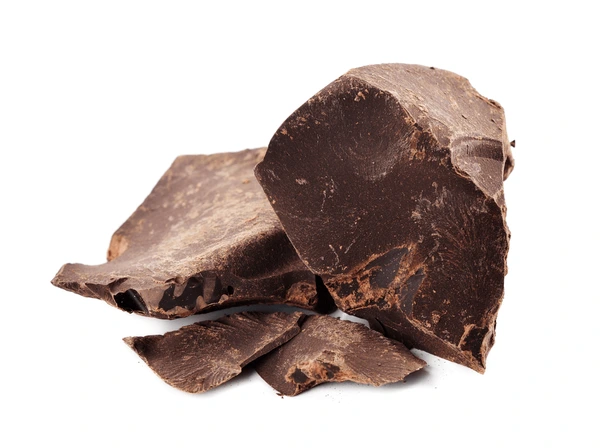
Natural cocoa liquor, set into solid blocks for storage and shipping.
Sourcing
Buying Cocoa Liquor in the UAE: How Businesses Source It and What to Expect
Whether you’re a chocolatier, a dessert producer, or a distributor, here’s what you’ll want to keep in mind if you’re planning to buy cocoa liquor in Dubai or other emirates.
1. Cocoa liquor is mostly imported, so know your source
There’s no local cocoa production in the UAE, so everything is imported, usually from Africa, South America, or Asia. That means the supplier you work with really matters. Some buyers choose to work directly with producers in origin countries (which can take more time), while others go through trusted suppliers who import in bulk and handle the logistics.
2. Volumes and packaging
Most cocoa liquor in the UAE is sold in bulk, especially for industrial use. It usually comes in 25 kg blocks, packed in cartons with an inner polyethylene bag. Businesses importing directly often order 20ft or 40ft containers, depending on their monthly or quarterly demand; a 20ft container holds about 15 to 16 tonnes. Smaller buyers can often request a few tons, or even retail packs.
3. Logistics and storage
Dubai, being a major logistics hub, makes it relatively easy to bring in cocoa liquor, but storage is a key concern. Cocoa liquor needs to be kept in a cool, dry, odourless place, ideally below 25 °C and 70% relative humidity, to avoid melting or oxidation. Most suppliers store in warehouses in Dubai Industrial City, Jebel Ali Free Zone, Sharjah Industrial Area or KIZAD in Abu Dhabi.
4. Price ranges and what affects cost
In the UAE, the price of cocoa liquor depends on global cocoa market prices, origin (African cocoa is generally more affordable and widely available), processing quality, certifications (organic, Fairtrade or halal options often cost more), and shipping and customs fees.
Cocoa Liquor Prices in 2026
There is no fixed price for cocoa liquor: it is priced from the cocoa bean market plus the cost of processing, packing and freight. Prices have been unusually volatile. New York cocoa futures hit a record of almost USD 12,900 a tonne in December 2024, fell below USD 3,000 in February 2026, and were back at about USD 5,830 a tonne in mid-October 2026. With weather risk in West Africa pushing prices up again, it is wise to agree clear price terms and secure supply early. Ask for a dated quote, and check how long it is valid.
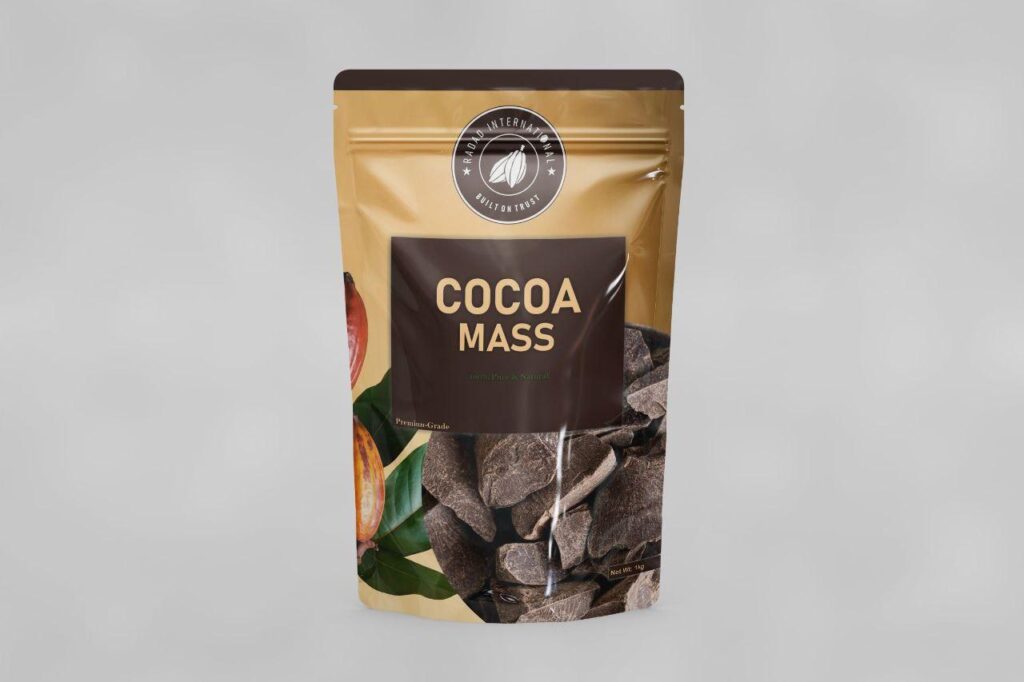
Cocoa liquor is supplied in bulk 25 kg cartons and in smaller packs.
Buyers
Who’s Buying Cocoa Liquor in the UAE: Key Industries and Trends
When most people think of cocoa, they imagine chocolate bars or desserts. And sure, that’s a big part of it. But in reality, cocoa liquor buyers in the UAE are spread across a few key industries, and each has its own needs and buying patterns:
1. Chocolate manufacturers (large and small)
No surprise here: chocolate makers are the number one buyers. In Dubai alone, there’s a growing number of local brands, custom chocolate creators, and even high-end international players who’ve set up production here, from factory-scale producers in Dubai Investment Park to boutique artisans in Al Quoz or Downtown Abu Dhabi. Most buy natural cocoa liquor for dark chocolate and alkalized cocoa liquor for smoother blends or milk chocolate, in bulk blocks of 25 kg or more. Some even request customized blends.
2. Bakeries, cafés and dessert brands
The UAE’s food scene is booming. Cafés, bakeries, and dessert shops are using cocoa liquor in brownies and cakes, chocolate sauces and glazes, and truffles and filled desserts. Many don’t need container-loads, but they still want premium ingredients in medium quantities.
3. Food and beverage manufacturers
Beyond chocolate and pastries, F&B manufacturers make chocolate spreads, ice creams, and beverages and protein shakes with a cocoa base. They often require long-term contracts, stable pricing, consistent quality and certifications like HACCP, ISO and halal.
4. Exporters and traders
Some buyers aren’t using cocoa liquor locally; they buy to re-export to Saudi Arabia, Oman, Kuwait, East Africa and India. Dubai’s port and logistics infrastructure make it a great re-export hub.
5. Filled-chocolate and dessert-bar brands
Since the viral Dubai chocolate bar, dozens of new filled-chocolate brands have appeared. They need dependable cocoa liquor and couverture in small, regular lots, timed for Ramadan, Eid and the winter season.
6. Cosmetics and wellness companies
A more niche use: unrefined cocoa liquor is used in natural beauty products for its antioxidant properties and natural fat content. These buyers usually want raw or lightly processed liquor, organic certification if available, and smaller quantities of 1 to 5 tons.
Your supplier
Why More Buyers Are Sourcing Cocoa Liquor Through Radad International
When you’re sourcing cocoa liquor for your business, especially in bulk, the route you take matters just as much as the product itself. For many buyers in the UAE, it’s not just about getting cocoa; it’s about getting the right quality, at the right time, with the right support.
Direct sourcing from Africa
Radad sources its cocoa straight from West African countries such as Nigeria, where the company has physical operations, and Ghana. This means full control over the quality of the beans and how they’re processed, faster turnaround times, and better pricing, because there’s no long chain of resellers in between.
Local support in the UAE
Unlike suppliers based only overseas, Radad also operates in the UAE, so you get local support for logistics and documentation, sampling and quality checks, and real-time communication.
Bulk supply with flexibility
Whether you need a few tons every month or full container loads, Radad caters to chocolate manufacturers, food and beverage brands, traders and re-exporters, and cosmetic and wellness producers, with halal certification and standard food safety documentation.
Careful packing and delivery
Cocoa liquor is packed in food-safe, sealed 25 kg cartons with an inner liner, shipped on FOB or CIF terms, and timed for delivery within the UAE and GCC region.
In short, Radad bridges the gap between African cocoa producers and UAE-based businesses, offering a straightforward way to source high-quality cocoa liquor with confidence and local support. Radad has served more than 200 clients in over 47 countries.
Getting started
How to Start Buying Cocoa Liquor in Dubai (Step-by-Step Tips)
1
Know what you actually need
Be clear on how much cocoa liquor you need (monthly or quarterly), whether you want natural or alkalized, packaging preferences (most bulk orders come in 25 kg blocks), and any certifications you require, like halal, organic or food safety certifications.
2
Ask about origin and processing
Don’t hesitate to ask where the cocoa comes from. Is it single-origin? Is it made from well-fermented beans? Alkalized or natural? These details matter for a consistent flavor and texture in your final goods.
3
Request a sample and a specification
If you’re dealing with a new supplier, especially for large orders, test a sample batch against the specification sheet. A reputable supplier like Radad International will support this.
4
Check storage and shipping conditions
Make sure your supplier ships in suitable containers (temperature-controlled in summer), stores in a certified warehouse, and provides the documents you need for customs clearance.
5
Choose a reliable partner
At the end of the day, consistency matters more than just price. Choose a supplier who understands the product, delivers on time, communicates clearly and supports you in the UAE.
Summary
Quick Recap
- Cocoa liquor (cocoa mass) is a key raw ingredient used across food, chocolate, dessert, and even beauty industries.
- It contains no alcohol: “liquor” refers to the liquid paste formed when cocoa nibs are ground.
- The UAE imports all of its cocoa, and cocoa liquor is its largest cocoa ingredient import, so sourcing from trusted suppliers is critical.
- Quality, origin, specification and certifications should guide your decision, not just cost.
- Store cocoa liquor below 25 °C and plan purchases around volatile cocoa prices.
- Radad International supplies premium-grade African cocoa liquor with local support in the UAE.
Work with Radad International
Buy Bulk Cocoa Liquor in Dubai and the UAE
Request cocoa liquor samples and a specification from Radad International. Tell us your volume, packaging and certification needs, and we will send a market-linked quote on FOB or CIF terms.
Or email info@radadinternational.com · +971 522 501 039
Questions
Frequently Asked Questions About Cocoa Liquor in Dubai, UAE
What exactly is cocoa liquor or cocoa mass?
Cocoa liquor, also called cocoa mass, is a thick, pure paste made from ground cocoa nibs. It’s produced by fermenting, roasting, and grinding cocoa beans. It is used as a base ingredient in chocolate, desserts, ice cream, beverages, and even some cosmetic products.
Does cocoa liquor contain alcohol?
No. Despite the name, cocoa liquor contains no alcohol. “Liquor” refers to the liquid paste that forms when cocoa nibs are ground and their cocoa butter melts.
Is cocoa liquor the same as cocoa mass and chocolate liquor?
Yes. Cocoa liquor, cocoa mass, cocoa paste, chocolate liquor and unsweetened chocolate all describe the same product: 100% ground cocoa nibs with nothing added. Liquor usually refers to the liquid state and mass to the solid blocks.
Where can I buy cocoa liquor in bulk in Dubai or the UAE?
You can source bulk cocoa liquor from specialty ingredient suppliers, chocolate distributors, or import-export companies serving the UAE. Radad International, for example, supplies premium African-origin cocoa liquor, available in Dubai and other emirates, with flexible order quantities and local delivery support.
Is cocoa liquor the same as cocoa butter or cocoa powder?
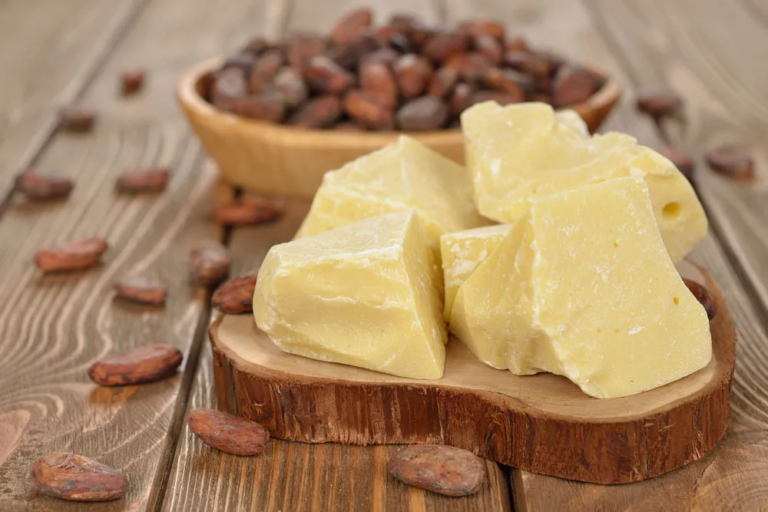
Not quite. Cocoa liquor contains both cocoa solids and cocoa butter in natural proportions. Cocoa butter is the fat extracted from cocoa liquor, used for creaminess in chocolate or in cosmetics. Cocoa powder is what’s left after most of the cocoa butter is removed. Cocoa liquor is more intense in flavor and richer in texture than either of these.
What industries in the UAE typically use cocoa liquor?
Chocolate manufacturers, bakeries and dessert brands, beverage companies, ice cream producers, exporters and traders, and cosmetic and wellness product makers. Demand is rising across Dubai, Sharjah, Abu Dhabi, and other emirates.
How much cocoa liquor does the UAE import?
In 2023 the UAE imported about 10,800 tonnes of cocoa liquor (cocoa paste, HS 1803) worth about USD 35.7 million, mainly from Ghana and Côte d’Ivoire. It is the country’s largest cocoa ingredient import by value.
Can I buy cocoa liquor in smaller quantities or only in containers?
It depends on the supplier. International suppliers often sell in 20ft or 40ft containers (about 15 to 16 tonnes in a 20ft container), while suppliers serving the UAE, like Radad International, can accommodate medium-volume and smaller bulk orders, typically starting from a few tons.
What packaging does cocoa liquor come in?
Cocoa liquor is commonly packed as 25 kg blocks or slabs in food-grade cartons with an inner polyethylene or vacuum-sealed liner to preserve freshness. Proper packaging is important to avoid melting or contamination, especially in the UAE’s hot climate.
Does cocoa liquor need special storage?
Yes. Cocoa liquor should be stored in a cool, dry, odourless place, at a maximum of 25 °C and 70% relative humidity, away from direct sunlight. Under these conditions its shelf life is about 24 months from production.
What certifications should I look for when buying cocoa liquor?
Halal certification (important in the UAE), ISO or HACCP compliance for food safety, organic certification, and Fairtrade or Rainforest Alliance if ethical sourcing matters to your brand. Radad International provides cocoa liquor with standard food safety documentation and halal compliance for UAE businesses.
What’s the difference between natural and alkalized cocoa liquor?
Natural cocoa liquor has a stronger, slightly acidic cocoa flavor. Alkalized cocoa liquor (also called “Dutched”) is treated to reduce acidity, giving it a smoother taste and darker color. Some dessert manufacturers prefer alkalized for a milder taste, while craft chocolatiers often go with natural for bolder cocoa notes.
Is cocoa liquor suitable for cosmetics or skincare use?
Yes, especially raw or lightly processed cocoa liquor. It’s rich in antioxidants and natural fats (like cocoa butter), making it useful for moisturizers, balms, and soaps. Ensure that it’s cleanly processed and suitable for cosmetic use.
How is cocoa liquor priced in the UAE market?
Pricing depends on global cocoa market fluctuations, the origin of the cocoa, certifications and processing quality, volume and packaging, and shipping and customs charges. Cocoa futures were about USD 5,830 a tonne in mid-October 2026, well below the 2024 record but still volatile, so ask for a dated quote.
How do I start placing an order for cocoa liquor in the UAE?
Reach out to a trusted supplier (like Radad) with your quantity, packaging and certification needs, request a product sample and specification, confirm logistics support for storage and delivery, then finalize a supply agreement and delivery schedule.
Keep reading
More Guides from Radad International
Applications
Uses of Cocoa Mass in Chocolate, Baking and Pastry
Recipe ratios, legal minimums and baking swaps.
UAE buying guide
Cocoa Suppliers in UAE
How to choose and buy every cocoa product in the UAE.
Business
Start a Craft Chocolate Business in the UAE
Business models, sourcing, licences and costing.
Sources and References
- World Bank WITS (UN Comtrade), UAE imports of HS 1803 cocoa paste, 2023
- World Bank WITS (UN Comtrade), UAE imports of HS 1801 cocoa beans, 2023
- Wikipedia, Chocolate liquor
- Trading Economics, Cocoa futures price and news
- Trading Economics, Cocoa futures below $3,000 (24 February 2026)
- Wikipedia, Cocoa crisis (2024 to present)
- DMCC, DMCC to launch Cacao Centre (April 2026)

2 Responses
Exceptional work. This is very well-researched.
Rattling excellent visual appeal on this site, I’d value it 10 10.