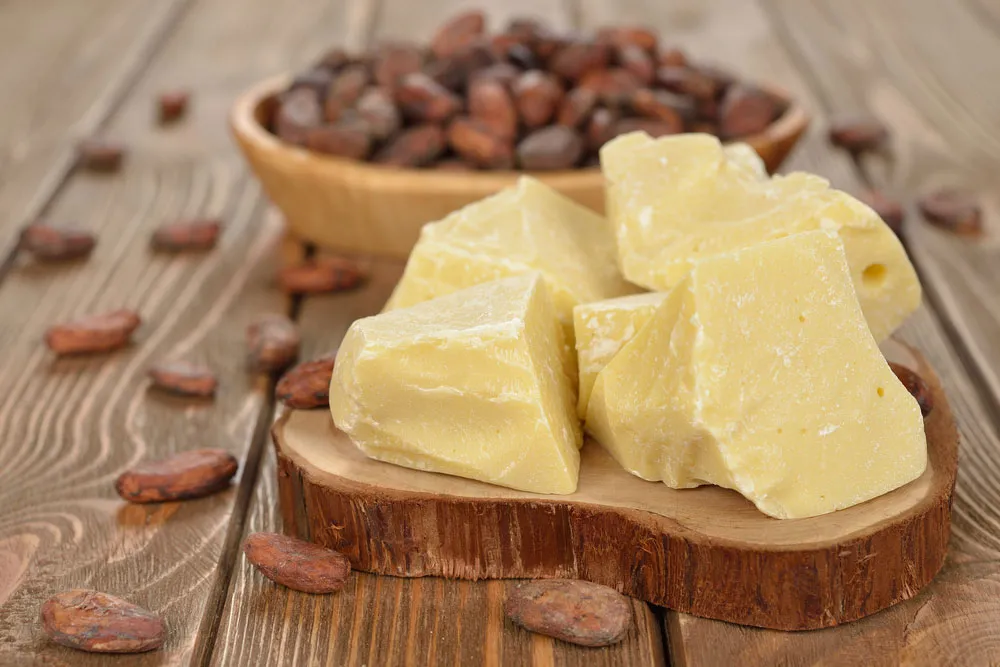
Finding reliable cocoa butter suppliers in the UAE can be challenging, especially when you need premium quality at competitive prices. Whether you’re a chocolate manufacturer, cosmetics producer, pharmaceutical company, or small business owner looking for natural cocoa butter for your products, this comprehensive resource will help you understand everything about cocoa butter, its uses, its price, and where to source the best quality in Dubai and across the UAE.
Dubai has become one of the region’s main trading points for natural cocoa butter and deodorized cocoa butter, supplying food, cosmetic and pharmaceutical buyers across the GCC. Below you will find the types and grades on offer, current prices, how to compare suppliers, the technical specifications to ask for, and how to store cocoa butter safely in the Gulf climate.
About USD 17,000/MT
Natural food-grade cocoa butter, 2026 benchmark
1 kg available
Minimum order for small buyers; 25 kg cartons to container loads
Premium African cocoa
Origin of our cocoa butter
Food and cosmetic grade
Natural and deodorized grades
Overview
Cocoa butter is the natural fat pressed from cocoa beans. It melts at about 34 to 38°C, just below body temperature, which is why it gives chocolate its snap and melt and why cosmetic and pharmaceutical makers value it. It comes as natural (unrefined) butter with a mild chocolate aroma, or deodorized and refined butter with a neutral smell and lighter colour, and in food, cosmetic and pharmaceutical grades.
In 2026, natural food-grade cocoa butter is benchmarked at about USD 17,000 per metric ton, and deodorized cocoa butter at USD 12,000 to 15,000 per ton; delivered to Jebel Ali, natural butter is typically USD 15,500 to 17,500 per ton. Prices follow the world cocoa bean market, so ask for a dated quote. When choosing a supplier in the UAE, ask for a certificate of analysis, check free fatty acids and peroxide value, confirm halal and food-safety certificates, test a sample, and make sure the butter is stored and shipped cool.
The basics
What Is Cocoa Butter?
Cocoa butter, also known as theobroma oil, is a pale-yellow edible vegetable fat extracted from cocoa beans. This luxurious ingredient has been valued for nearly 3,000 years, dating back to the Mayan and Aztec civilisations who considered cacao sacred. Today, food-grade cocoa butter remains one of the most versatile and sought-after ingredients across multiple industries.
From Bean to Butter: The Extraction Process
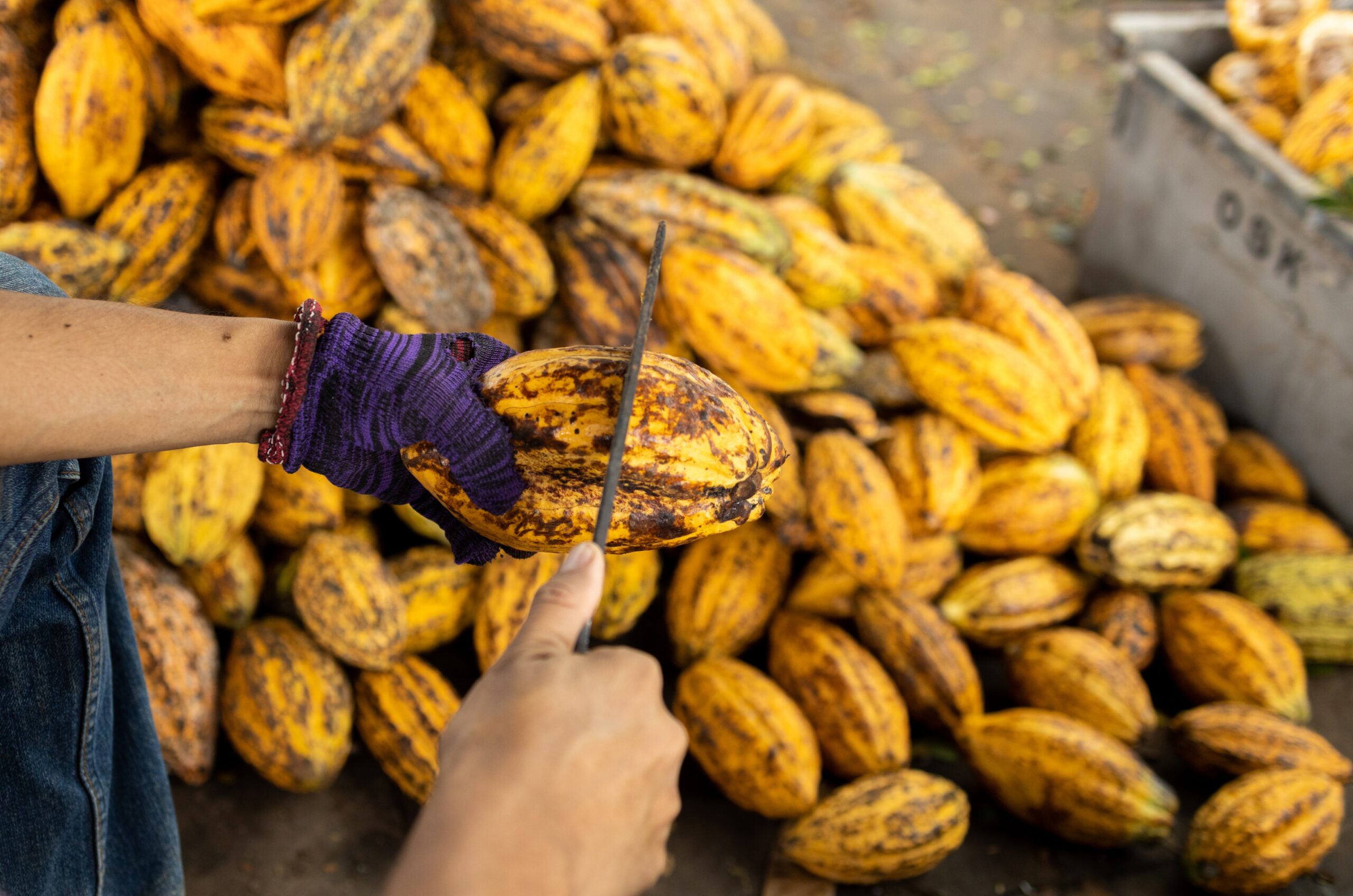
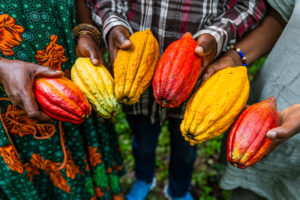
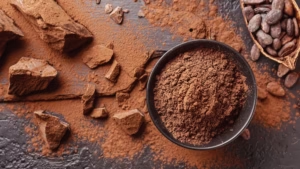
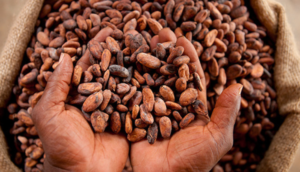
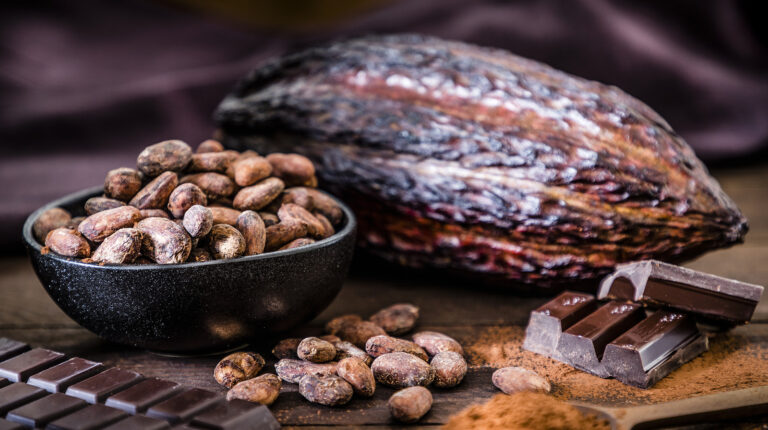
The extraction process begins when cocoa pods are harvested from the Theobroma cacao tree, which grows primarily in tropical regions of West Africa, South America, and parts of Asia. After fermentation, drying, and roasting, the cocoa beans are ground into cocoa mass (liquor) and pressed to separate the fat (cocoa butter) from the solids (which become cocoa powder). This natural fat makes up approximately 54 to 58% of the cocoa bean’s content, making it a precious commodity.
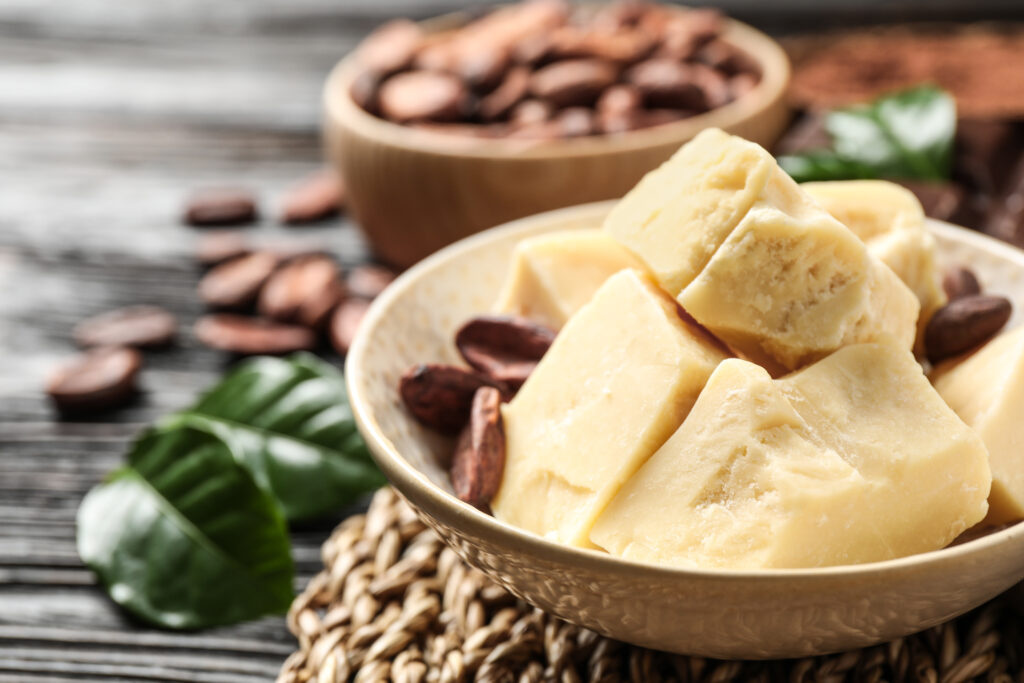
Natural cocoa butter is pale yellow to cream, with a mild chocolate aroma.
Why Is Cocoa Butter So Valuable?
Perfect melting point
Melts at 34 to 38°C (93 to 100°F), just below human body temperature, giving chocolate its characteristic melt-in-your-mouth quality and making it ideal for cosmetic applications.
Exceptional stability
With natural antioxidants, cocoa butter has a shelf life of 2 to 5 years, making it perfect for long-term storage and reducing waste for businesses.
Rich nutritional profile
Contains beneficial fatty acids including oleic, stearic and palmitic acid, plus vitamins E and K for skin nourishment.
100% natural and vegan
Contains no animal products, is entirely plant-based, and suits vegan and vegetarian products, appealing to health-conscious consumers.
Applications
Uses of Cocoa Butter
1. Food Industry Applications
Food-grade cocoa butter is essential in numerous culinary applications, serving as the backbone of the chocolate and confectionery industries worldwide.
Chocolate manufacturing
Dark, milk, white chocolate and couverture
Baking and pastry
Glossy finishes, decorations, ganaches
Frozen desserts
Ice cream, gelato, frozen treats
Beverages
Premium hot chocolate, health drinks
2. Cosmetics and Personal Care
The cosmetics industry is one of the largest consumers of cocoa butter due to its exceptional skin benefits and luxurious texture.
Skincare products
- Face creams and moisturisers
- Body lotions and butters
- Anti-ageing serums
- Lip balms and lipsticks
- Hand creams
- Stretch mark prevention
Hair care
- Deep conditioning treatments
- Hair masks
- Leave-in conditioners
- Frizz control products
- Scalp treatments
- Natural styling products
Bath products
- Luxury handmade soaps
- Bath bombs and melts
- Shower oils
- Body scrubs
- Massage oils
- Aromatherapy products
3. Pharmaceutical Applications
Due to its biocompatibility and unique melting properties, premium quality cocoa butter serves important pharmaceutical functions:
Suppositories
The ideal melting point makes it perfect as a base for medicinal suppositories.
Topical ointments
Used as a carrier for active pharmaceutical ingredients.
Dermatological creams
For treating skin conditions like eczema and psoriasis.
Medicinal coatings
For tablets and capsules in pharmaceutical manufacturing.
Grades
Types and Grades of Cocoa Butter
When comparing cocoa butter sellers, understanding the different types helps you choose the right product for your specific application.
Type
Characteristics
Colour
Best for
Type
Natural (unrefined)
Characteristics
Retains natural chocolate aroma, maximum antioxidants
Colour
Pale yellow to cream
Best for
Premium chocolate, natural cosmetics, artisan products
Type
Refined
Characteristics
Deodorized and filtered, neutral taste and smell
Colour
Pure white
Best for
White chocolate, unscented cosmetics, pharmaceuticals
Type
Deodorized
Characteristics
Removes scent while maintaining nutritional properties
Colour
Light yellow
Best for
Skincare products where chocolate scent is undesirable
Type
Organic certified
Characteristics
Grown without pesticides or chemicals, premium quality
Colour
Varies
Best for
Organic product lines, natural health products
Type
African cocoa butter
Characteristics
Premium quality from Ghana and Ivory Coast, rich flavour
Colour
Golden yellow
Best for
High-end chocolate, luxury cosmetics, all applications
Our Cocoa Butter Grades
Natural
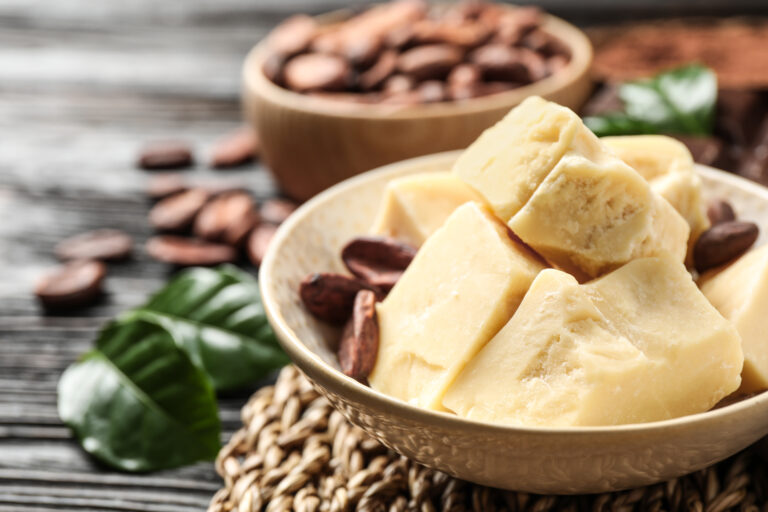
Natural Cocoa Butter
Unrefined, with its natural chocolate aroma and pale yellow colour. For chocolate, couverture, confectionery and natural cosmetics.
Deodorized
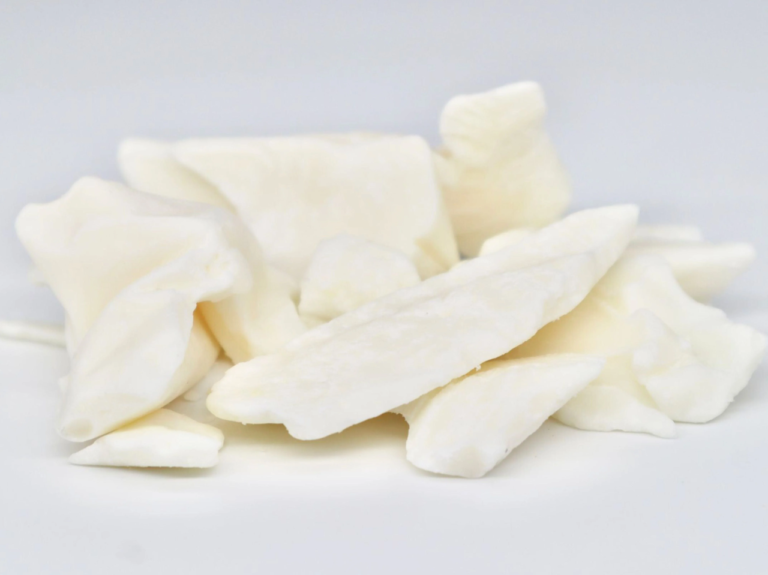
Deodorized Cocoa Butter
Steam-deodorized for a neutral smell and taste. For white chocolate, unscented skincare and pharmaceutical bases.
Why African Cocoa Butter Is Highly Prized
African cocoa butter is particularly valued in the international market because:
- West Africa (especially Ghana and Ivory Coast) produces over 70% of the world’s cocoa
- Known for exceptionally rich flavour profiles and consistent high quality
- Established supply chains ensure reliable availability
- Competitive pricing due to large-scale production
- Traditional growing methods passed down through generations
- Ideal climate conditions create superior cocoa characteristics
Food, Cosmetic and Pharmaceutical Grades
Food grade
Produced under food-safety systems such as HACCP or ISO 22000, tested for microbiology, contaminants and residues, and safe to eat.
Cosmetic grade
Meets the purity and stability needs of skincare and soap makers; never use it in food unless it is also certified food grade.
Pharmaceutical grade
The tightest purity limits and extra testing, for suppositories, ointments and coatings.
Food grade vs cosmetic grade
Our buyer’s guide to food-grade and cosmetic cocoa butter explains the differences, tests and prices in detail.
Alternatives
Cocoa Butter vs Shea Butter, Equivalents and Coconut Oil
Buyers often compare cocoa butter with cheaper fats. Each has its place, but they are not interchangeable:
Property
Cocoa butter
Shea butter
Cocoa butter equivalents (CBE)
Coconut oil
Property
Source
Cocoa butter
Pressed from cocoa beans
Shea butter
Pressed from shea nuts
Cocoa butter equivalents (CBE)
Blends of palm, shea, illipe, sal and other fats
Coconut oil
Coconut meat
Property
Melting point
Cocoa butter
34 to 38°C
Shea butter
About 32 to 45°C
Cocoa butter equivalents (CBE)
Designed to match cocoa butter
Coconut oil
About 24°C
Property
Aroma
Cocoa butter
Mild chocolate (natural) or neutral (deodorized)
Shea butter
Nutty, earthy
Cocoa butter equivalents (CBE)
Neutral
Coconut oil
Strong coconut
Property
In chocolate
Cocoa butter
The real thing
Shea butter
Not used on its own
Cocoa butter equivalents (CBE)
Allowed in limited amounts in some markets, must be declared
Coconut oil
Not used
Property
Shelf life
Cocoa butter
2 to 5 years
Shea butter
About 1 to 2 years
Cocoa butter equivalents (CBE)
Varies
Coconut oil
1 to 2 years
Property
Price
Cocoa butter
Highest
Shea butter
Lower
Cocoa butter equivalents (CBE)
Lower
Coconut oil
Most affordable
For true chocolate, use cocoa butter. In skincare, cocoa butter and shea butter are often blended: cocoa butter adds firmness and a silky feel, shea butter adds softness and spreadability. If a “cocoa butter” offer is far below the market price, ask whether it is blended with other fats.
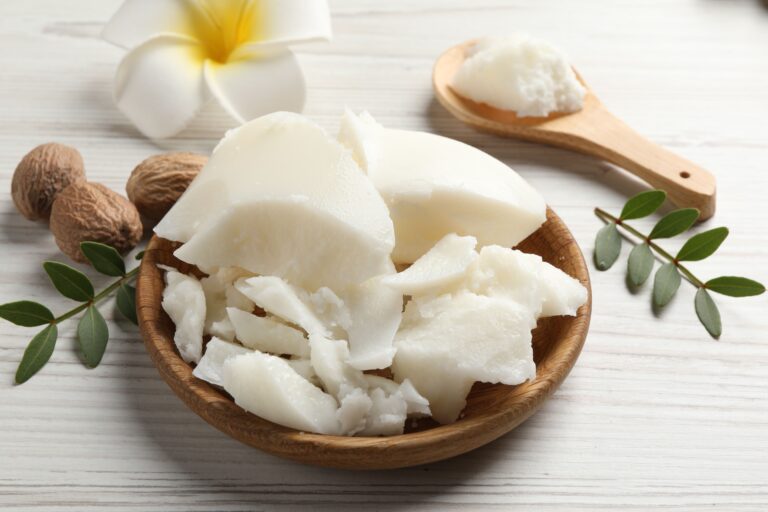
Also from Radad
Shea Butter
Natural shea butter from West Africa for skincare, soap and cosmetic formulations.
Prices
Price of Cocoa Butter: Complete Guide
Understanding Cocoa Butter Pricing
The price of cocoa butter per kg varies with quantity, grade, origin, and supplier location. In 2026, the benchmark price for natural food-grade cocoa butter is about USD 17,000 per metric ton (about USD 17 per kg), and deodorized cocoa butter costs USD 12,000 to 15,000 per ton:
Product
Grade or basis
Price range (USD per MT)
Price driver
Product
Natural cocoa butter
Grade or basis
Food grade
Price range (USD per MT)
USD 16,500 to 17,500
Price driver
Cocoa bean cost and food certification
Product
Deodorized cocoa butter
Grade or basis
Food grade
Price range (USD per MT)
USD 12,000 to 15,000
Price driver
Processing cost offsets the lower aroma value
Product
Natural cocoa butter, UAE
Grade or basis
Delivered CIF Jebel Ali
Price range (USD per MT)
USD 15,500 to 17,500
Price driver
Freight and insurance included
Cocoa butter is priced from the cocoa bean market: processors quote it as a multiple of the bean price, so when beans rise or fall, butter follows within weeks. Bean prices hit a record in December 2024, fell sharply through 2025 and early 2026, and have been rising again since the spring of 2026, so always ask for a dated quotation.
Price by Order Size
Smaller orders cost more per kilo because of packing, handling and storage. Request a quote for your exact quantity:
1 to 10 kg
Small quantities
- Home users
- Small artisans
- Product testing
- R&D samples
25 to 100 kg
Medium quantities
- Small businesses
- Regular production
- 25 kg standard packages
- Growing operations
100 kg to 1 ton
Bulk orders
- Manufacturers
- High-volume needs
- Industrial production
- Distributors
1+ tons
Container loads
- Major manufacturers
- International distributors
- Long-term contracts
- Export businesses
Factors That Affect Cocoa Butter Pricing
Factor
Impact on price
Price increase
Factor
Organic certification
Impact on price
Premium processing, certification costs, limited supply
Price increase
+20 to 40%
Factor
Fair Trade certification
Impact on price
Ensures fair wages, ethical sourcing
Price increase
+10 to 20%
Factor
Cold-pressed processing
Impact on price
Specialty processing, retains more nutrients
Price increase
+15 to 30%
Factor
Pharmaceutical grade
Impact on price
Stringent purity standards, additional testing
Price increase
+25 to 50%
Factor
Small batch / artisan
Impact on price
Limited production, specialised processing
Price increase
+30 to 60%
Money-saving tips for bulk purchases
- Order in bulk: buying 1 ton of cocoa butter or more can reduce per-kg costs by 30 to 50%
- Plan ahead: pre-ordering during the main cocoa harvest (October to March) can lock in better prices
- Long-term contracts: commit to regular orders for price stability and preferred rates
- Compare suppliers: get quotes from several bulk cocoa butter suppliers on the same terms
- Consolidate orders: combine several cocoa products in one shipment to reach volume discounts
Sourcing
Where to Buy Cocoa Butter in Dubai and the UAE
The UAE, particularly Dubai, has emerged as a major trading hub for cocoa products. Here is your guide to finding reliable cocoa butter sellers:
Radad International
Your Trusted Partner
Radad International provides exceptional quality cocoa butter throughout the UAE, the GCC region, and globally.
- Premium natural and deodorized cocoa butter from African origins
- Food-grade quality meeting international standards
- Flexible packaging: 1 kg, 25 kg cartons and 1+ ton orders
- Market-linked pricing, quoted on the day for your grade and volume
Key Sourcing Locations in the UAE
Industrial supply companies
Best locations:
- Dubai Industrial City
- Jebel Ali Free Zone (JAFZA)
- Ajman Industrial Area
- Sharjah Industrial Areas
Wholesale distributors
Services offered:
- Bulk quantities available
- Competitive wholesale pricing
- Storage facilities
- Regular supply schedules
Online suppliers
Advantages:
- Convenient ordering
- Price comparison
- Delivery to doorstep
- Small quantity options
Importing
Importing Cocoa Butter into the UAE
The UAE has no cocoa industry of its own, so all cocoa butter is imported. In 2023 the country brought in about 4,390 tonnes of cocoa butter, fat and oil (HS 1804) worth about USD 21.7 million, mostly from processors in Indonesia, Malaysia, the Netherlands, Singapore and Spain. African-origin butter shipped direct from West Africa is a growing alternative.
Registration
Food importers register on the federal ZAD system and the emirate’s portal, such as FIRS in Dubai, and register each product before clearance.
Labelling
Retail packs of food-grade cocoa butter need the mandatory information in Arabic under UAE.S GSO 9, with English allowed alongside.
Duty and VAT
Usually 5% customs duty on the CIF value, plus 5% VAT, which registered businesses can generally recover. Free-zone stock pays duty only when it enters the mainland.
Cosmetic use
Cocoa butter sold for cosmetics or as a cosmetic product has its own registration route; confirm the requirements for your emirate before you import.
Documents for Commercial Imports
- Commercial invoice
- Certificate of origin
- Health certificate from the country of origin
- Certificate of analysis (COA)
- Packing list
- Bill of lading
- Import permit or registration where required
- Halal certificate (for food-grade cocoa butter)
- Insurance documents
Work with experienced suppliers or freight forwarders familiar with UAE import regulations to ensure smooth customs clearance.
Supplier checks
How to Choose the Right Cocoa Butter Supplier
When evaluating cocoa butter suppliers in the UAE, use this checklist to make sure you partner with a reliable, quality-focused supplier.
Quality assurance
- Request a certificate of analysis (COA)
- Ask about sourcing and origin
- Request samples before bulk purchase
- Check for certifications
- Verify food safety compliance
Business credentials
- Registered with proper licences
- Physical location and warehouse
- Years in business (5+ preferred)
- Client references available
- Industry certifications (ISO, HACCP)
Product range
- Variety of grades available
- Flexible packaging sizes
- Consistent availability
- Other cocoa products offered
- Custom formulations possible
Logistics and service
- Reliable delivery schedule
- Temperature-controlled transport
- Technical support available
- Responsive customer service
- After-sales support
Spotting adulterated cocoa butter
Pure cocoa butter melts at 34 to 38°C, is pale yellow (natural) or white (refined), smells mildly of chocolate or of nothing, and comes with a COA showing 100% cocoa butter. Offers far below the market price are a warning sign of blending with cheaper fats; for large orders, commission an independent laboratory test.
Specifications
Technical Specifications and Quality Parameters of Natural Cocoa Butter
When discussing requirements with cocoa butter sellers, understanding these technical specifications ensures you receive the exact quality you need. The free fatty acid limit of 1.75% matches the international food standard for pressed cocoa butter.
Physical Properties
Property
Specification
Significance
Property
Melting point
Specification
34 to 38°C (93 to 100°F)
Significance
Determines chocolate texture and body-temperature melting for cosmetics
Property
Density
Specification
About 0.86 g/cm³ at 40°C
Significance
Important for formulation calculations
Property
Refractive index
Specification
1.456 to 1.459 at 40°C
Significance
Quality indicator, purity verification
Property
Saponification value
Specification
188 to 198
Significance
Measures fatty acid content, important for soap making
Property
Iodine value
Specification
33 to 42
Significance
Indicates degree of unsaturation
Chemical Composition (Fatty Acid Profile)
Fatty acid
Percentage
Benefits
Fatty acid
Palmitic acid
Percentage
25 to 27%
Benefits
Emollient properties, improves texture
Fatty acid
Stearic acid
Percentage
33 to 37%
Benefits
Hardness, stability, non-atherogenic saturated fat
Fatty acid
Oleic acid
Percentage
33 to 37%
Benefits
Moisturising, skin penetration, heart-healthy
Fatty acid
Linoleic acid
Percentage
2 to 4%
Benefits
Essential fatty acid, anti-inflammatory
Fatty acid
Arachidic acid
Percentage
Under 1%
Benefits
Minor component, adds stability
Quality Control Parameters
Parameter
Maximum limit
Purpose
Parameter
Free fatty acids (as oleic acid)
Maximum limit
1.75%
Purpose
Freshness indicator, affects taste and stability
Parameter
Peroxide value
Maximum limit
1.0 meq/kg
Purpose
Oxidation level, shelf life indicator
Parameter
Moisture content
Maximum limit
0.2%
Purpose
Prevents microbial growth, ensures stability
Parameter
Impurities
Maximum limit
0.05%
Purpose
Purity standard for food and cosmetic use
Parameter
Heavy metals (total)
Maximum limit
10 ppm
Purpose
Safety compliance for food and cosmetic applications
Why chocolate makers temper cocoa butter
Cocoa butter can crystallise in six forms. Only Form V, which melts at about 34°C, gives chocolate its gloss, snap and clean melt. Tempering heats, cools and reheats chocolate to create Form V crystals; poor storage lets the butter recrystallise, which shows up as grey “fat bloom”.
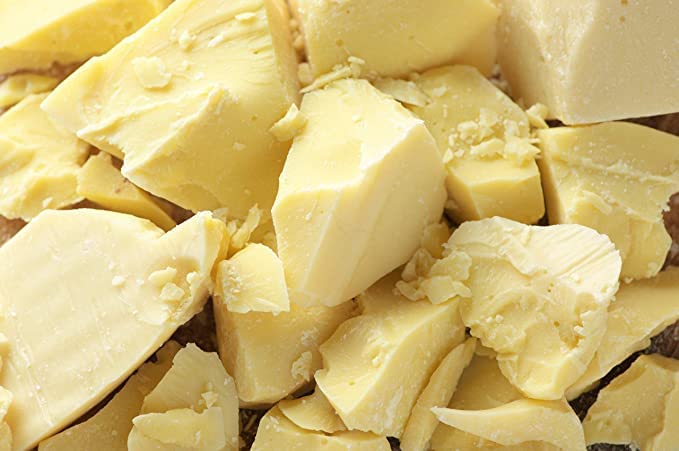
Food-grade cocoa butter should come with a COA for every lot.
Storage
Storage and Handling Best Practices
15 to 20°C
Optimal temperature
Under 50%
Relative humidity
2 to 5 years
Shelf life
100%
Sealed container
Do’s
- Store in cool, dry conditions
- Keep in airtight containers
- Use FIFO (first in, first out)
- Label with purchase dates
- Keep away from direct sunlight
Don’ts
- Don’t expose to high heat
- Avoid moisture contact
- Don’t store near strong odours
- Don’t use contaminated utensils
- Avoid temperature fluctuations
In the UAE summer
Outdoor temperatures in the UAE regularly pass 40°C, above cocoa butter’s melting point. Ship in insulated or reefer containers from May to September, deliver in air-conditioned trucks, and keep stock in temperature-controlled warehouses.
Questions
Frequently Asked Questions (FAQs)
What is the current price of cocoa butter per kg in Dubai?
In 2026, natural food-grade cocoa butter is benchmarked at about USD 17,000 per metric ton (about USD 17 per kg), and deodorized cocoa butter at USD 12,000 to 15,000 per ton. Delivered to Jebel Ali, natural cocoa butter is typically USD 15,500 to 17,500 per ton. Small quantities cost more per kg, and organic and specialty grades command premiums of 20 to 50%. Because prices follow the cocoa market, ask for a dated quote.
Where can I buy 25 kg of cocoa butter in Dubai?
You can buy 25 kg of cocoa butter in Dubai from Radad International, which offers packaging from 25 kg cartons to bulk tonnage, from industrial suppliers in Dubai Industrial City and Jebel Ali Free Zone, from food ingredient distributors in Deira and Ajman, from wholesalers with local warehousing, and from direct importers in Dubai’s free zones. Always request samples and certificates of analysis before placing bulk orders.
What’s the difference between natural and refined cocoa butter?
Natural cocoa butter retains its original chocolate aroma, pale yellow colour, and maximum nutrients; it is ideal for chocolate making and natural cosmetics. Refined cocoa butter has been deodorized and bleached to remove colour and scent, making it white and neutral-smelling; it is preferred for white chocolate, unscented cosmetics, and pharmaceutical applications. Both have the same fatty acid profile and melting properties.
Is cocoa butter safe for all skin types?
Cocoa butter is generally safe for most skin types, including sensitive skin, and is non-toxic and non-irritating for most people. People with cocoa allergies should avoid it, and those with very oily or acne-prone skin should patch test first, as the rich texture may feel heavy. Its antioxidants and fatty acids make it excellent for dry and mature skin.
How long does cocoa butter last?
Stored in cool, dry, dark conditions: refined cocoa butter lasts 3 to 5 years, natural cocoa butter 2 to 3 years, and opened containers 12 to 18 months. Store at 15 to 20°C, below 50% humidity, away from light and strong odours. A rancid smell, discolouration or off-taste are signs of spoilage.
What certifications should I look for in food-grade cocoa butter?
HACCP, ISO 22000, halal (essential for GCC markets), kosher where required, organic (USDA, EU or equivalent) for organic lines, Fair Trade for ethical sourcing, and GMP (Good Manufacturing Practices).
Can I use cosmetic-grade cocoa butter for cooking?
No. Food-grade cocoa butter meets strict safety standards for human consumption, while cosmetic grade may contain contaminants acceptable for external use but not for eating. The packaging should clearly state “food grade” or “edible” if it is suitable for cooking.
What makes African cocoa butter special?
Ghana and Ivory Coast lead West Africa, which produces over 70% of the world’s cocoa beans. Ideal growing conditions, established quality control and processing standards, consistent supply chains, a rich chocolate flavour and a high butter content in the beans (54 to 58%) make West African cocoa the gold standard for chocolate production.
How do I know if cocoa butter is pure and not adulterated?
Check the certificate of analysis (100% cocoa butter, no additives), test the melting point (34 to 38°C), colour (pale yellow or white) and aroma (mild chocolate or none), be wary of prices far below the market, buy from established suppliers, and commission independent laboratory testing for large orders.
What’s the minimum order quantity for bulk cocoa butter in the UAE?
It varies: small suppliers may accept 5 to 10 kg, medium distributors typically 25 to 100 kg, large wholesalers 250 kg to 1 ton, and direct importers usually 1 ton or more for container loads. Radad International offers flexible quantities, from 1 kg for small buyers to container loads.
Can cocoa butter be shipped internationally from the UAE?
Yes. Dubai is an excellent re-export hub, and suppliers such as Radad International can arrange export documents and certificates, temperature-controlled logistics, customs clearance support, and air or sea freight. The UAE’s free zones offer streamlined processes for international trade.
Is organic cocoa butter worth the extra cost?
Organic cocoa butter costs 20 to 40% more, but it is free of synthetic pesticides, supports sustainable farming, appeals to health-conscious consumers, and lets premium brands charge more and stand out. For organic product lines, the investment usually pays off.
What’s the difference between cocoa butter and coconut oil?
Cocoa butter melts at 34 to 38°C and stays solid at room temperature, smells mildly of chocolate, costs more and lasts 2 to 5 years; coconut oil melts at about 24°C, smells strongly of coconut, is cheaper and lasts 1 to 2 years. Cocoa butter suits chocolate and premium cosmetics; coconut oil suits cooking and general cosmetics.
How is the cocoa butter price affected by global cocoa markets?
Cocoa butter is priced from raw cocoa bean prices set on the New York and London futures markets, so harvest conditions in West Africa, currency movements, seasonal demand (Christmas, Ramadan, Eid), processing and energy costs, freight and local GCC supply and demand all affect it. Suppliers offering fixed-price contracts can help protect you from volatility.
What documentation do I need to import cocoa butter to the UAE?
A commercial invoice, certificate of origin, health certificate, certificate of analysis, packing list, bill of lading, any required import permit or registration, a halal certificate for food-grade cocoa butter, and insurance documents. Experienced suppliers or freight forwarders can help with clearance.
What is cocoa butter equivalent (CBE)?
A blend of vegetable fats such as palm, shea, illipe or sal, designed to behave like cocoa butter. It is cheaper, but it is not cocoa butter: some markets allow it in chocolate only in small amounts and require it to be declared on the label.
Summary
Conclusion: Your Path to Premium Cocoa Butter
Whether you’re a chocolate artisan crafting premium confections, a cosmetics manufacturer developing luxury skincare, or a baker seeking that perfect ingredient, finding the right cocoa butter suppliers in the UAE is crucial for your success.
Key Takeaways
Quality first
Don’t compromise on purity and origin, especially for food-grade cocoa butter.
Know your needs
Understand whether you need natural, refined, or specialised grades.
Compare and sample
Evaluate several suppliers and always test before bulk purchases.
Build relationships
Long-term partnerships ensure consistency and better pricing.
Ready to source premium cocoa butter?
Work with Radad International
For businesses seeking reliable, high-quality natural and deodorized cocoa butter in Dubai and across the UAE, Radad International offers market-linked pricing, flexible quantities and deep industry expertise. Whether you need 25 kg of cocoa butter for a medium-scale operation or 1 ton for industrial production, tell us your grade, volume and destination and we will send a specification, a sample and a quotation.
Or email info@radadinternational.com · +971 522 501 039
Read More
Grades
Cocoa Butter: The Complete Buyer’s Guide
Food grade vs cosmetic grade, tests and prices.
Food grade
Food Grade Cocoa Butter From Africa
Specifications and uses of food-grade African cocoa butter.
Cocoa powder
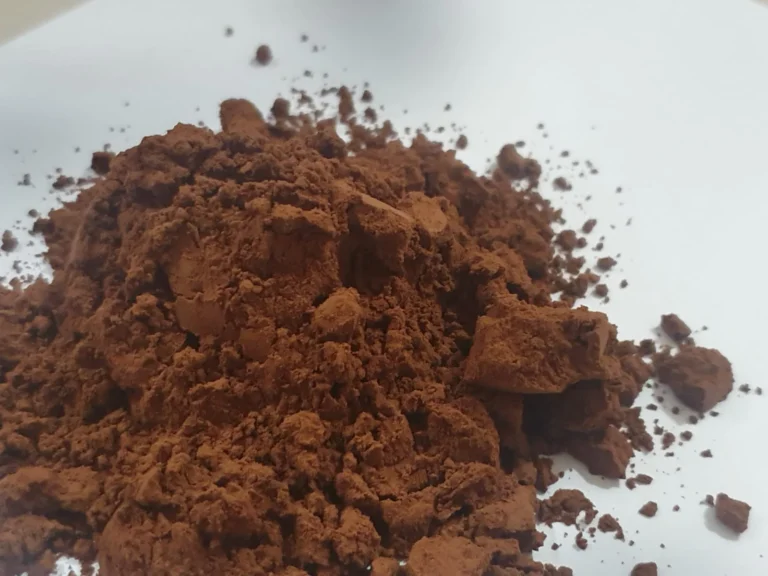
Alkalized Cocoa Powder
Dutch-process cocoa powder for baking, beverages and confectionery.
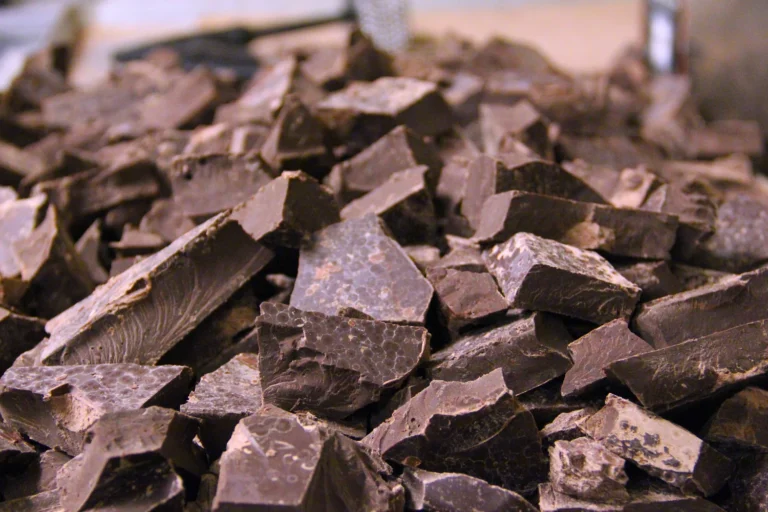
Cocoa mass
Cocoa Mass and Cocoa Liquor
The ground cocoa paste behind chocolate, and how industry uses it.
Sources and References
- World Bank WITS (UN Comtrade), UAE imports of HS 1804 cocoa butter, fat and oil, 2023
- Codex Alimentarius, Standard for Cocoa Butter (CXS 86-1981)
- ChemLinked, United Arab Emirates food regulation
- Middle East Briefing, Customs duties and import-export taxes in the UAE
- Trading Economics, Cocoa futures price
- Panamir, Cocoa market trends, June 2026 (cocoa butter ratio)