
Home / Cocoa Products / Whole Cocoa Beans
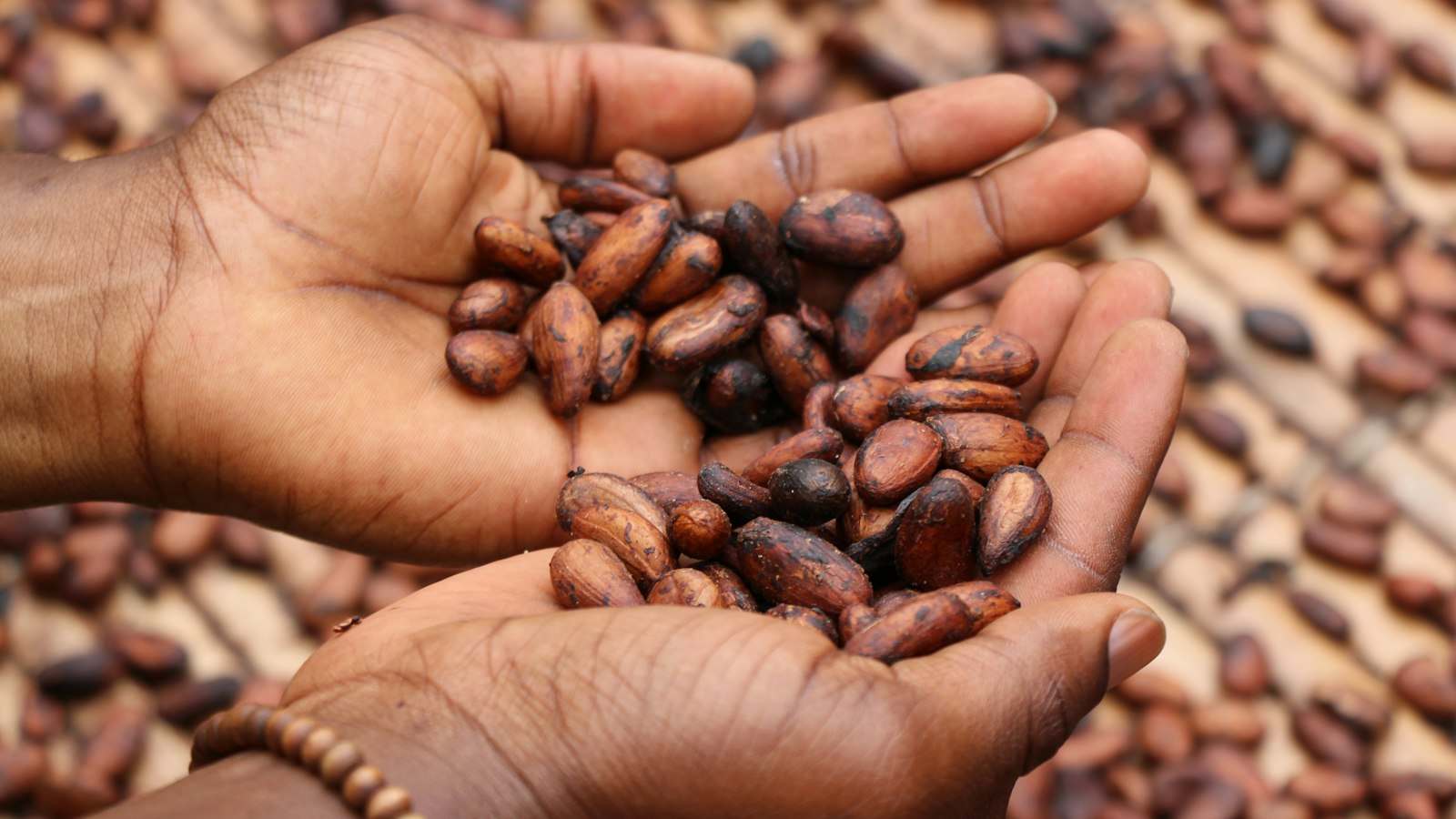
Radad International exports fermented and sun-dried African cocoa beans in bulk to chocolate makers, grinders, traders and importers worldwide. Beans are packed in 62.5 kg jute bags, with orders from as little as 100 kg up to full containers.
Product
Fermented and sun-dried cocoa beans
Origin
Africa, including Nigeria
Packing
62.5 kg jute bags
Documents
Certificate of Origin and phytosanitary certificate available
Well-fermented beans (cut test)
Beans per 100 g
Moisture content
Mouldy and slaty beans, each
Fat content (cocoa butter)
Overview
On this page: Why African beans | Varieties | Cocoa products | Preparation | Specifications | Applications | FAQs
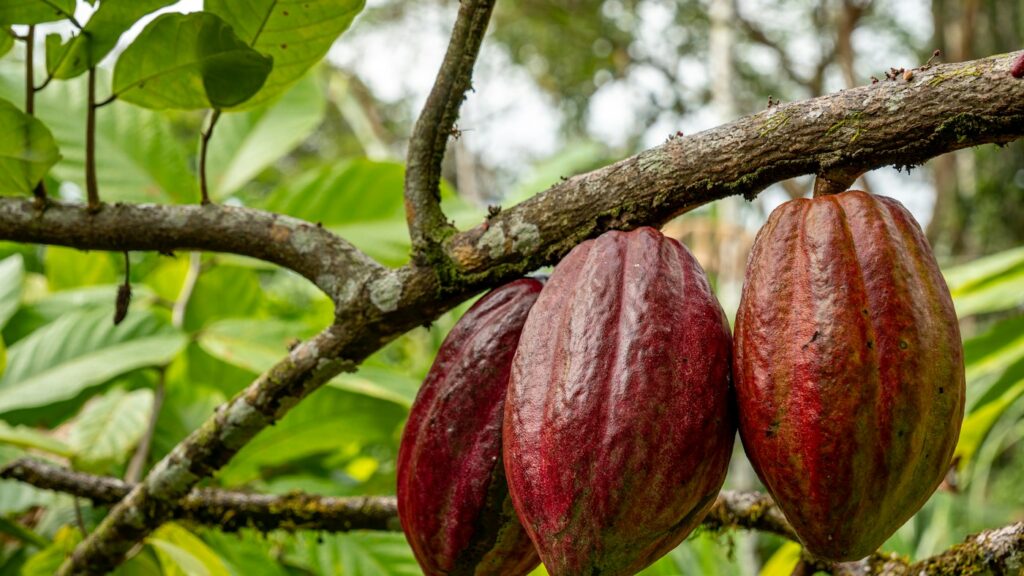
Cocoa beans are the seeds of the cacao tree (Theobroma cacao). After harvest they are fermented and dried, and they become the raw material for chocolate, cocoa mass, cocoa butter, cocoa powder and cocoa nibs.
Each cacao pod holds roughly 30 to 50 beans, packed in white pulp. A tree usually begins bearing pods after three to five years and stays productive for around 30 years. Cacao grows only in the humid tropics, in a belt close to the equator, which is why most of the world's supply comes from West Africa, Latin America and Southeast Asia.
Fresh beans are bitter and have little chocolate flavour. Fermentation for several days develops the flavour precursors that roasting later turns into the taste of chocolate, and drying brings the moisture down so the beans can be stored and shipped. A well-prepared bean is brown inside, dry, and breaks with a firm, crisp snap.
According to our specification sheet, a dried bean contains 48 to 56% fat (cocoa butter), 10 to 12% protein and 8 to 10% polyphenols, along with natural compounds such as theobromine (1.0 to 2.5%) and caffeine (0.1 to 0.7%).
In international trade, whole cocoa beans are classified under HS code 1801.00 and sold as a commodity by the tonne. About 95% of the world's cocoa is bulk grade, with a small share of fine flavour cocoa.
Cocoa beans in numbers
World cocoa bean production, 2024/25 (ICCO)
Share of world production grown in Africa
Share from Cote d'Ivoire and Ghana together
Share of supply that is Forastero beans
Cocoa farmers worldwide, mostly smallholders
Why African beans
Africa grows about 71.5% of the world's cocoa (ICCO, 2024/25). Scale is only part of the story: African beans also suit most of what the chocolate and cocoa industry makes.
Africa grows about 71.5% of world production. Cote d'Ivoire, Ghana, Nigeria and Cameroon supply buyers season after season.
Most African cocoa is Forastero of the Amelonado type, which delivers the bold, classic chocolate taste that chocolate, cocoa powder and cocoa butter are built on.
The warm, humid tropics of West Africa suit the cacao tree, and cocoa is grown across millions of hectares of the region.
Forastero trees yield well and resist disease, which is why they are the backbone of commercial cocoa farming.
Cocoa is grown mainly by smallholder farmers, who ferment the beans for several days and dry them in the sun, giving firm, well-fermented beans.
Decades of export trade mean mature logistics, documentation and quality checks, and Cote d'Ivoire is the world's largest cocoa grinder.
Origin
2024/25 forecast (thousand tonnes)
Share of world
What buyers value
Cote d'Ivoire
1,850
About 38%
The world's largest producer, with large and consistent volumes
Ghana
600
About 12%
A strong reputation for consistent, tightly regulated quality
Nigeria
350
About 7%
Bold flavour, strong fermentation and flexible export options
Cameroon
320
About 7%
Distinctive, often reddish beans used in premium blends
Source: ICCO production forecast for 2024/25 (Quarterly Bulletin of Cocoa Statistics, February 2025). Shares are calculated against the 4.84 million tonne world forecast in that bulletin; ICCO later revised 2024/25 world production to 4.723 million tonnes.
Varieties
Variety
Share of world supply
Flavour
Typical use
Forastero (including Amelonado)
80 to 85%
Bold, strong, classic chocolate
Mass-market chocolate, cocoa powder and cocoa butter
Trinitario
10 to 15%
Complex and balanced, fruity and nutty
Premium and gourmet bars
Criollo
1 to 5%
Mild and complex, low bitterness
Ultra-premium and luxury chocolate
African cocoa is predominantly Forastero of the Amelonado type, which gives the bold, classic chocolate flavour behind most chocolate, cocoa powder and cocoa butter. Cameroon also grows Trinitario. Share figures come from the Radad International guide to cocoa varieties, which cites ICCO.
From bean to product
Product
What it is
How it is made
Typical uses
Whole cocoa beans
The fermented, dried seeds of the cacao pod
Harvested, fermented for several days, then dried
Raw material for all cocoa products and bean-to-bar chocolate
Cocoa nibs
Crushed pieces of roasted bean
Beans are roasted, cracked and winnowed to remove the shell
Chocolate making, baking, snacks and superfood blends
Cocoa mass (liquor)
Pure ground cocoa paste
Nibs are ground until the cocoa butter melts into a paste
The base of chocolate and a source of butter and powder
Cocoa butter
The natural fat of the bean
Pressed out of cocoa mass
Chocolate, confectionery, and cosmetic and skincare formulations
Cocoa powder
Ground cocoa solids
The pressed cake left after the butter is removed is ground, and may be alkalized
Baking, drinks, ice cream and food manufacturing
Radad also supplies raw cocoa nibs, cocoa mass and alkalized cocoa powder.
From pod to port
Five stages take cocoa from the tree to the container. Fermentation and sun-drying do the most to set flavour, consistency and shelf life.

01
Ripe pods are cut from the tree and opened by hand, releasing the beans in their white pulp. Everything that follows depends on picking pods at the right moment.
02
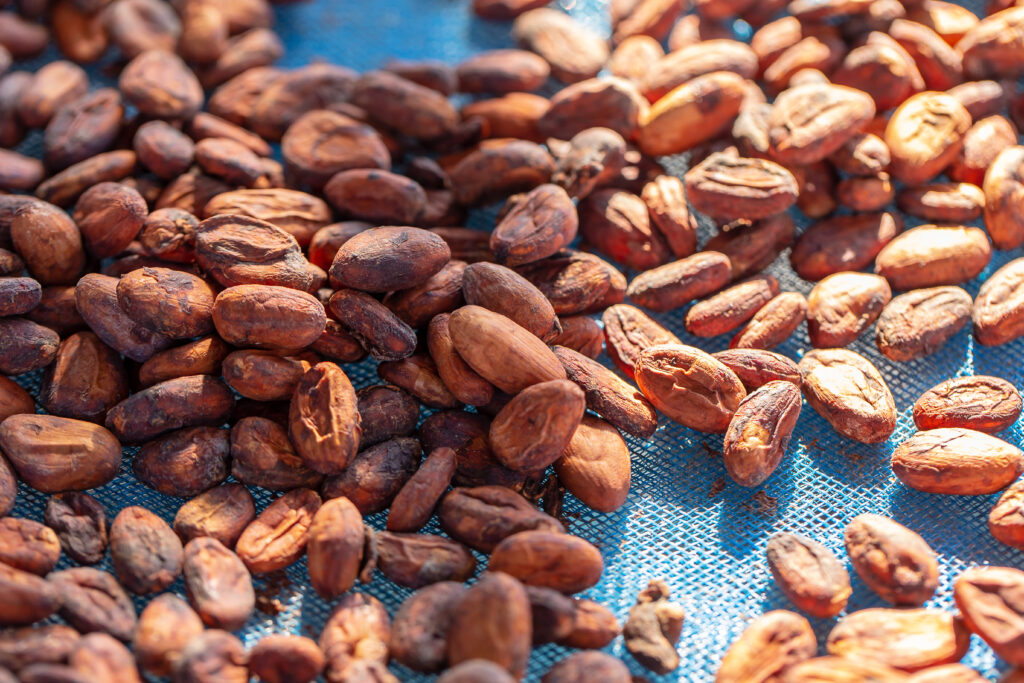
Beans are fermented for several days. Fermentation develops the chocolate flavour and turns the inside of the bean brown. Our specification calls for at least 80% well-fermented beans on the cut test.
03
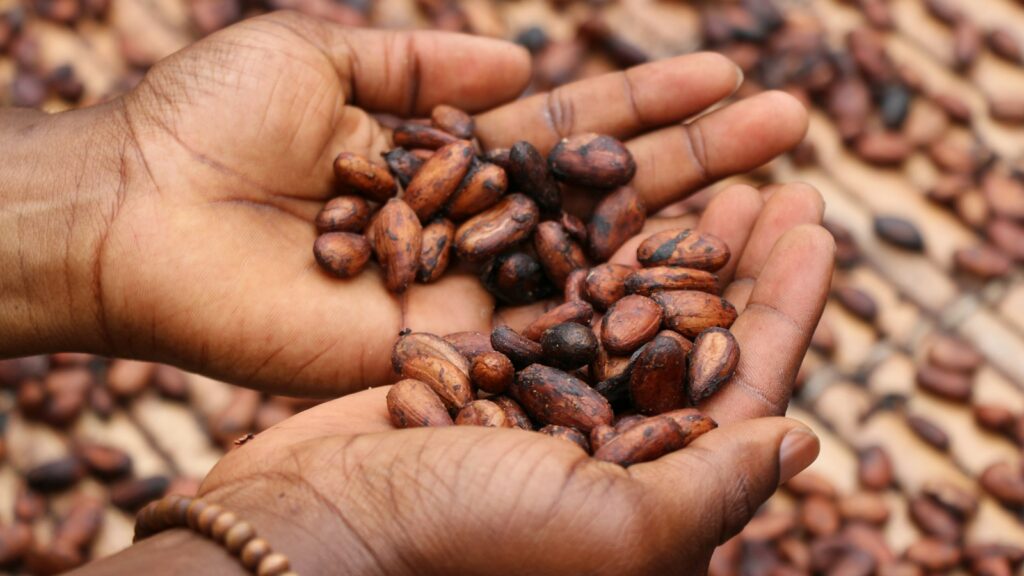
Beans are sun-dried to a moisture content of 7.5% or less. Careful drying prevents mould and gives the firm, crisp break of a properly dried bean.
04
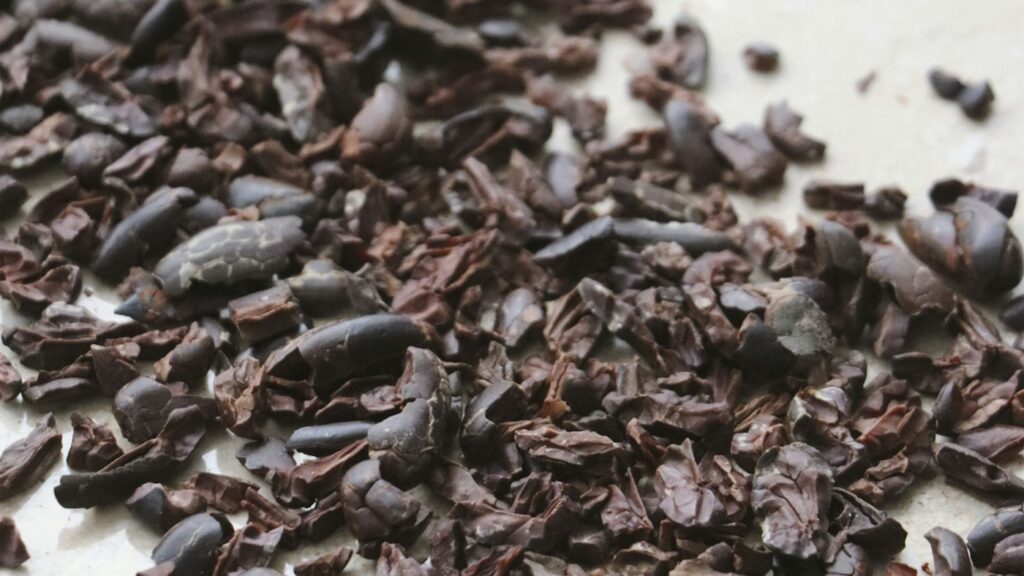
Beans are checked against our limits for mouldy and slaty beans, insect damage, foreign matter, and flat and broken beans, with bean count used as a guide to size uniformity.

05
Beans are packed in 62.5 kg jute bags and shipped in clean, dry, odour-free containers. A Certificate of Origin and a phytosanitary certificate are available.
Specification sheet
Product
Fermented and sun-dried cocoa beans
Origin
Africa, including Nigeria
Packaging
62.5 kg jute bag, complying with international standards
Certification
Certificate of Origin and phytosanitary certificate available
Physical specifications
Moisture content
Maximum 7.5% (ISO 2291)
Bean count
70 to 100 beans per 100 g (indicates size uniformity)
Fermentation index
At least 80% well-fermented beans (cut test, at least 80% brown beans)
Mouldy beans
Maximum 3% (ISO 1114)
Slaty beans
Maximum 3% (indicates incomplete fermentation)
Insect-damaged beans
Maximum 2% (visual inspection)
Foreign matter
Maximum 0.5% (stones, sticks, shell fragments)
Flat beans
Maximum 1% (thin or undeveloped beans)
Broken beans
Maximum 2% (non-whole beans)
Shell content
10 to 12% maximum (ISO 2292)
Microbiological standards
Total plate count
Maximum 10,000 CFU/g
Yeasts and moulds
Maximum 100 CFU/g
Salmonella
Absent in 25 g
E. coli
Maximum 10 CFU/g
Aflatoxin (B1, B2, G1, G2)
Maximum 5 ppb total
Chemical composition
Fat content (cocoa butter)
48 to 56%
Theobromine
1.0 to 2.5% (natural stimulant compound)
Caffeine
0.1 to 0.7% (minor alkaloid)
Protein
10 to 12%
Carbohydrates
10 to 15% (includes sugars and fibre)
Ash content
2 to 4% (mineral residue)
pH (after fermentation)
5.2 to 5.8 (mild acidity is desirable)
Polyphenols
8 to 10% (antioxidant compounds that affect flavour and colour)
Organoleptic characteristics
Appearance
Oval-shaped brown beans, dry and well fermented
Aroma
Strong cocoa aroma, slightly acidic and fruity
Flavour profile
Balanced bitterness, mild acidity, full-bodied cocoa taste
Texture
Firm, crisp break, which indicates proper drying
Storage and handling
Temperature
18 to 25 °C (avoid high humidity)
Relative humidity
Maximum 65%
Packaging
Jute or sisal bags (60 to 65 kg net), food-grade inner liner optional
Shelf life
12 to 18 months under proper storage
Transportation
Clean, dry, odour-free containers (ventilated preferred)
Stacking
On pallets, away from walls and floor, to prevent mould and moisture absorption
Applications
Whole cocoa beans are the raw material of the chocolate and cocoa industry. These are the main ways our customers put them to work.
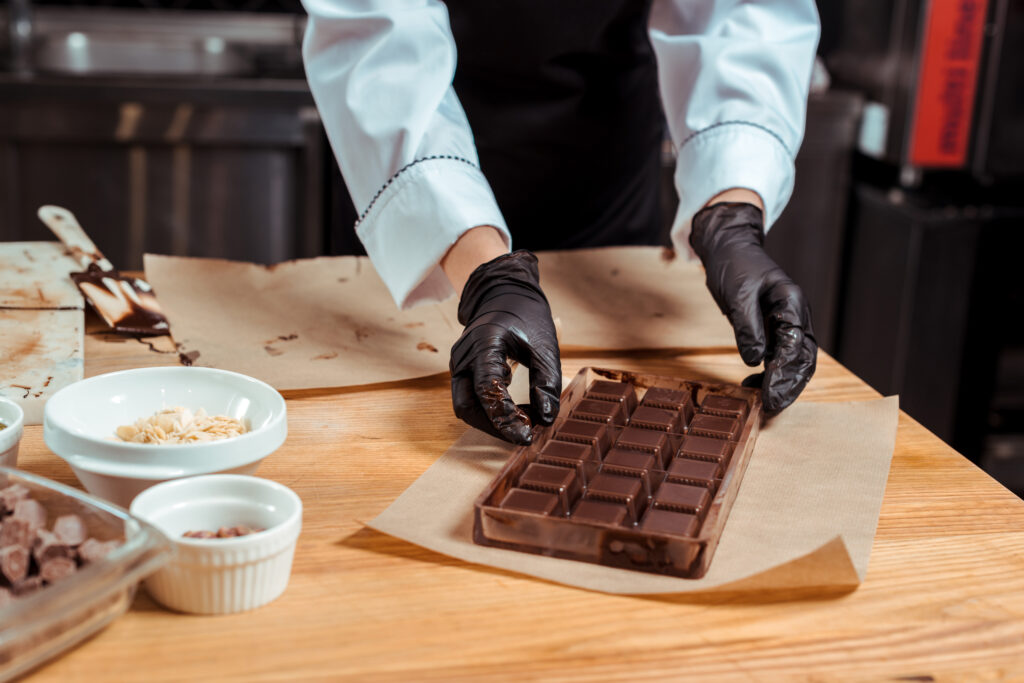
Grind, refine and temper beans into dark, milk or flavoured chocolate.
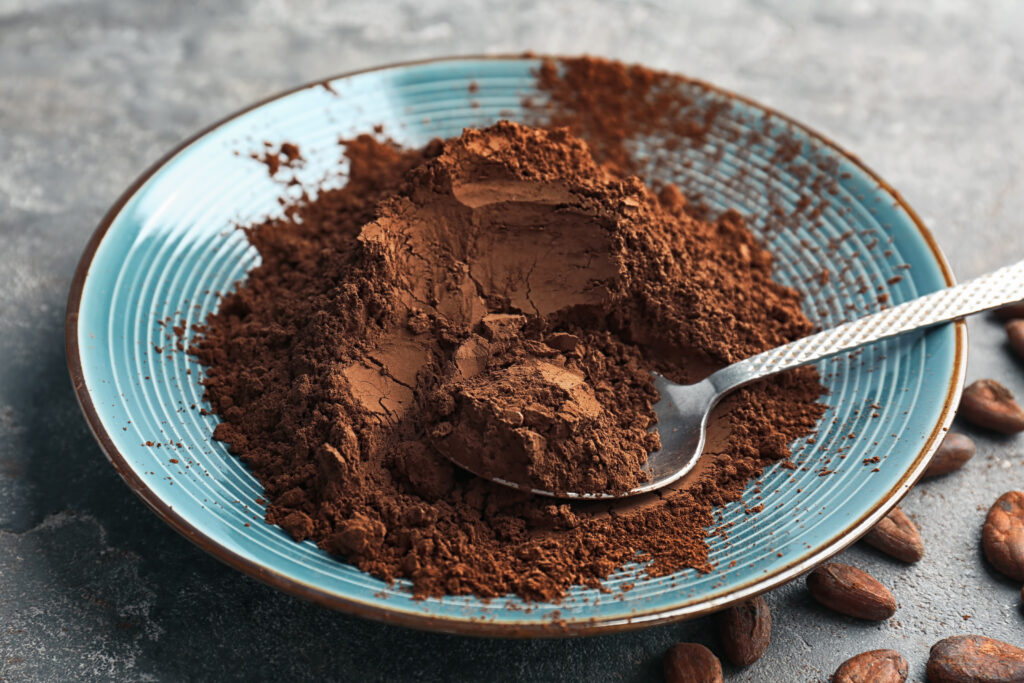
Roasted beans are pressed into cocoa butter and cocoa powder for food and beverage makers.
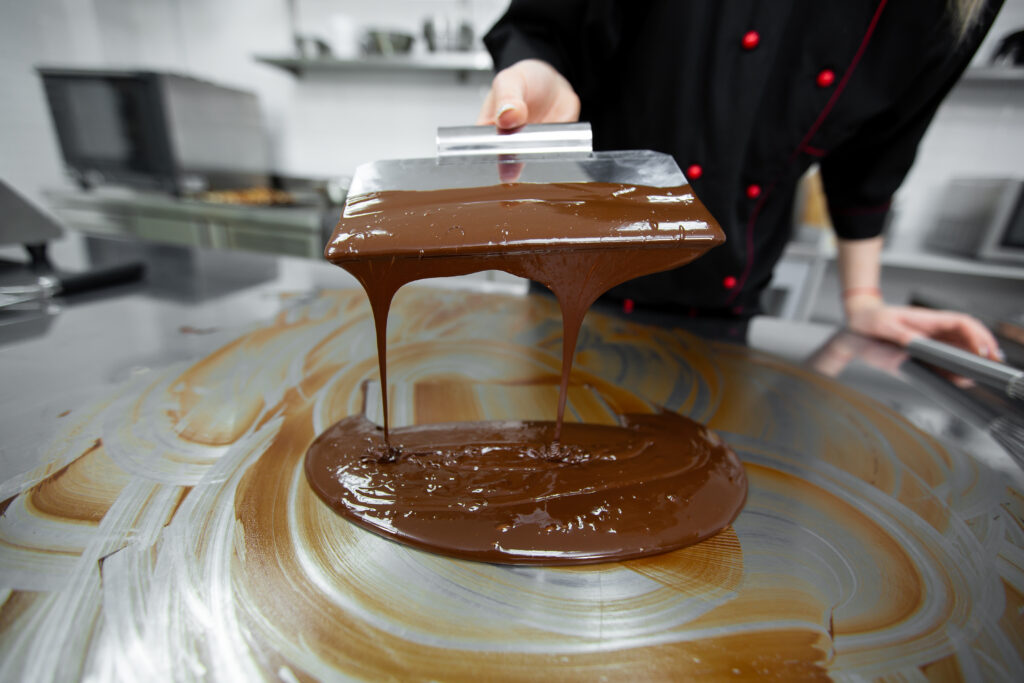
Cocoa from the bean is the base of fillings, coatings, cakes and pastries.
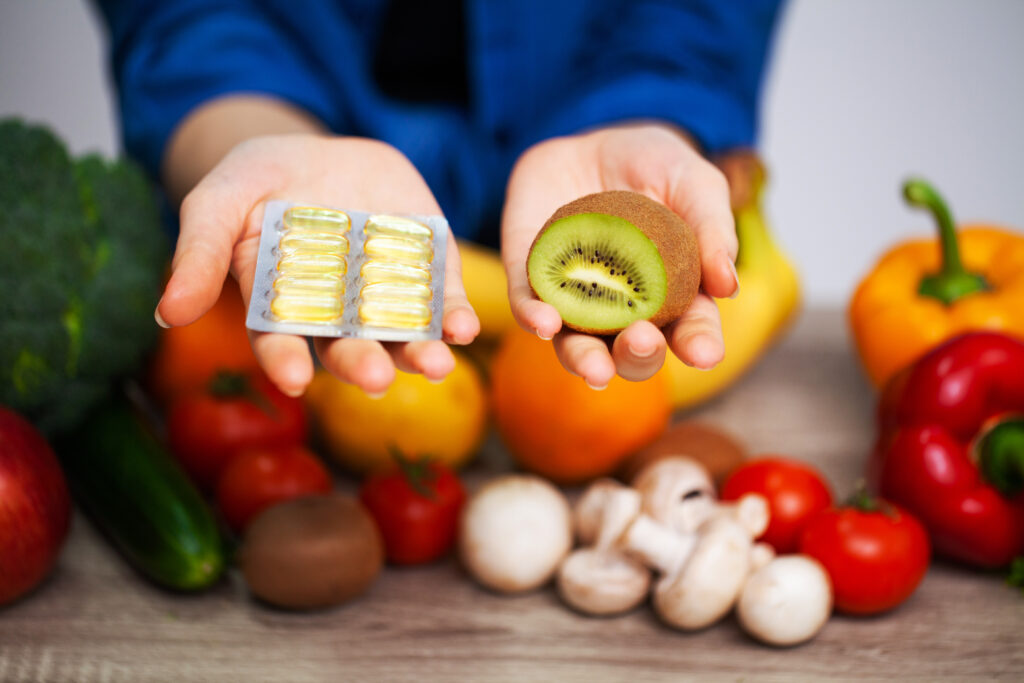
Cocoa-based ingredients for functional foods and nutraceutical formulations.
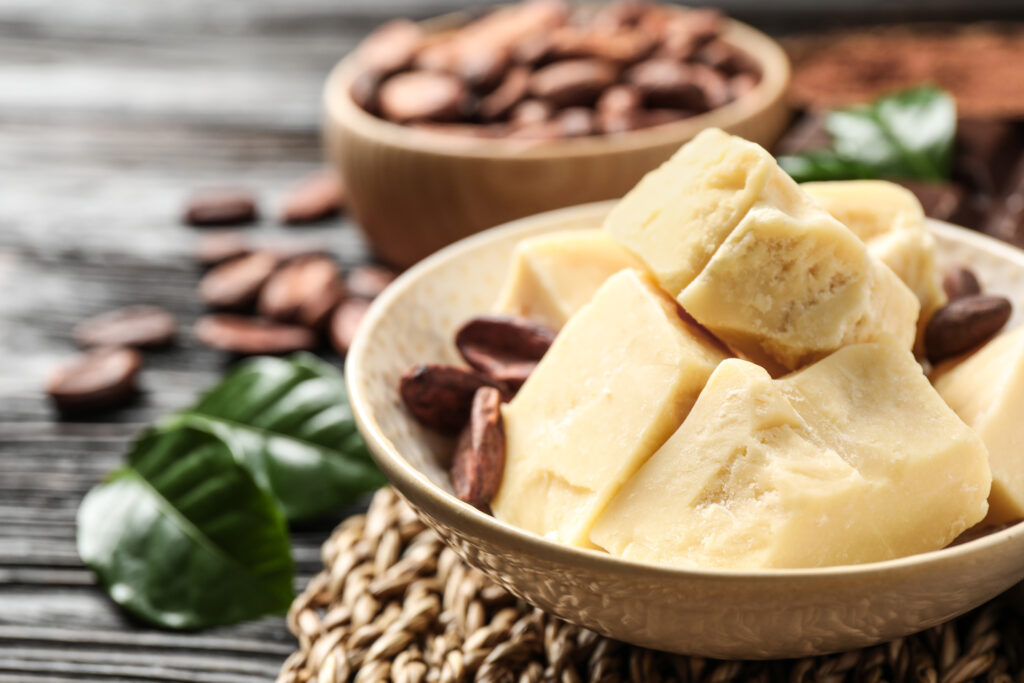
Cocoa butter from the bean is a base for cosmetic and skincare formulations.
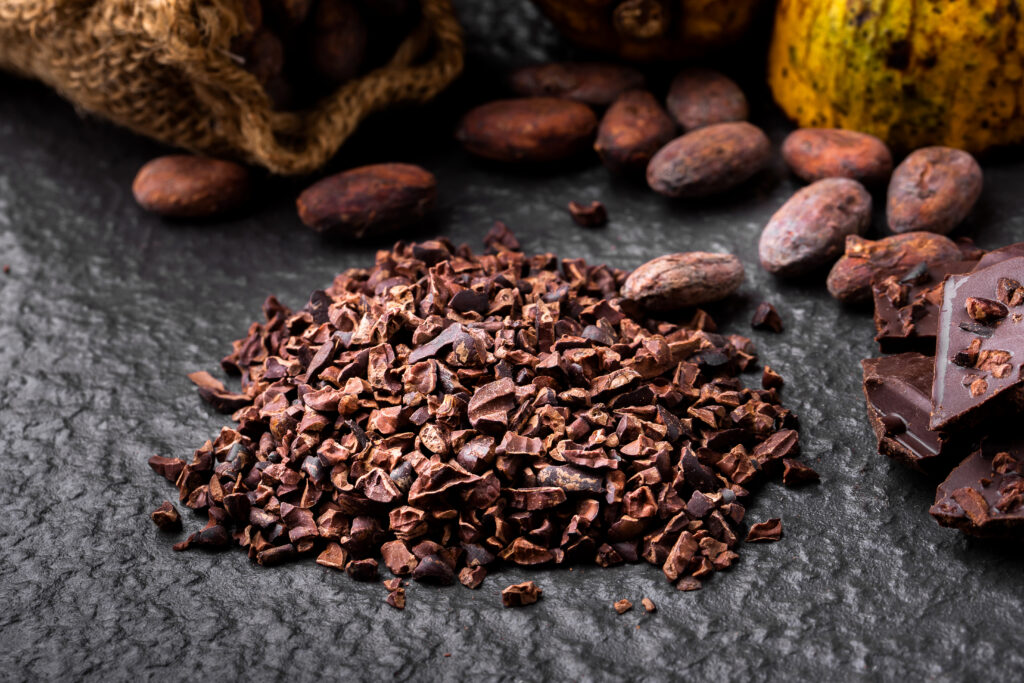
Roast, crack and winnow beans into nibs for chocolate, snacks, baking and superfood blends.
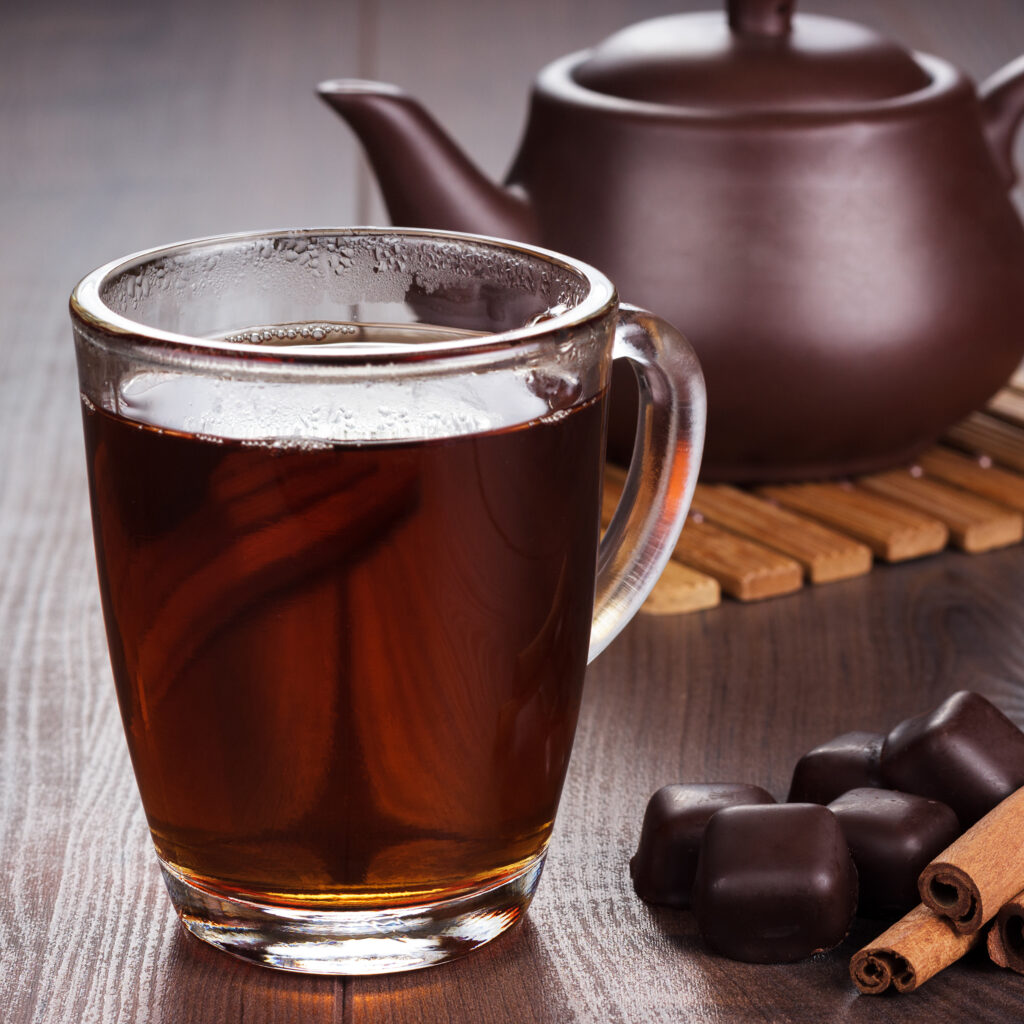
Brewed to make a warm, chocolatey drink with a rich cocoa taste.

Prepared into rich hot chocolate, chocolate milk and cocoa-flavoured coffee.

Roasted beans make a crunchy, satisfying snack.

A hint of cocoa deepens savoury dishes such as chili and mole.

A flexible starting point for new bean-to-bar brands building their own recipes.
Bulk lots for traders and distributors supplying their own markets.
Bulk supply and shipping
We supply whole cocoa beans in 62.5 kg jute bags, from as little as 100 kg up to full containers, on FOB and CIF terms. Pre-shipment inspection is supported, a Certificate of Origin and a phytosanitary certificate are available, and every shipment travels with full export documentation.
Read the Bulk Buying GuideJute bags
Small orders up to full containers
Shipping terms
Pre-shipment inspection supported
01
Share your volume and destination port.
02
We send a specification sheet, a sample and a quotation.
03
Choose FOB or CIF, and add pre-shipment inspection if you want it.
04
Your beans ship with full export documentation.
Tell us your volume and destination port, and the Radad team will send a specification sheet, a sample and a quotation.
Call or WhatsApp +971 522 501 039 | Monday to Sunday, 09:00 AM to 06:00 PM
FAQs
Quick answers about our cocoa beans, quality limits, packaging, shipping and how to order. Click a question to see the answer.
1. ICCO, Quarterly Bulletin of Cocoa Statistics, May 2026 (2024/25 world production estimate)
2. ICCO, Production of cocoa beans, Quarterly Bulletin Vol. LI No. 1 (2024/25 forecast by region and country)
3. Kakaoplattform, Cocoa facts and figures
4. ICCO, A Global Review of Cocoa Farming Systems
5. Radad International, Complete guide to cocoa varieties
6. ISO 2291, ISO 1114, ISO 2292 and ISO 2451, the international standards for testing and grading cocoa beans.
More from Radad
Whole cocoa beans are one part of the Radad range. Explore our cocoa powder, nibs and cocoa mass for chocolate makers, bakers and food manufacturers worldwide.
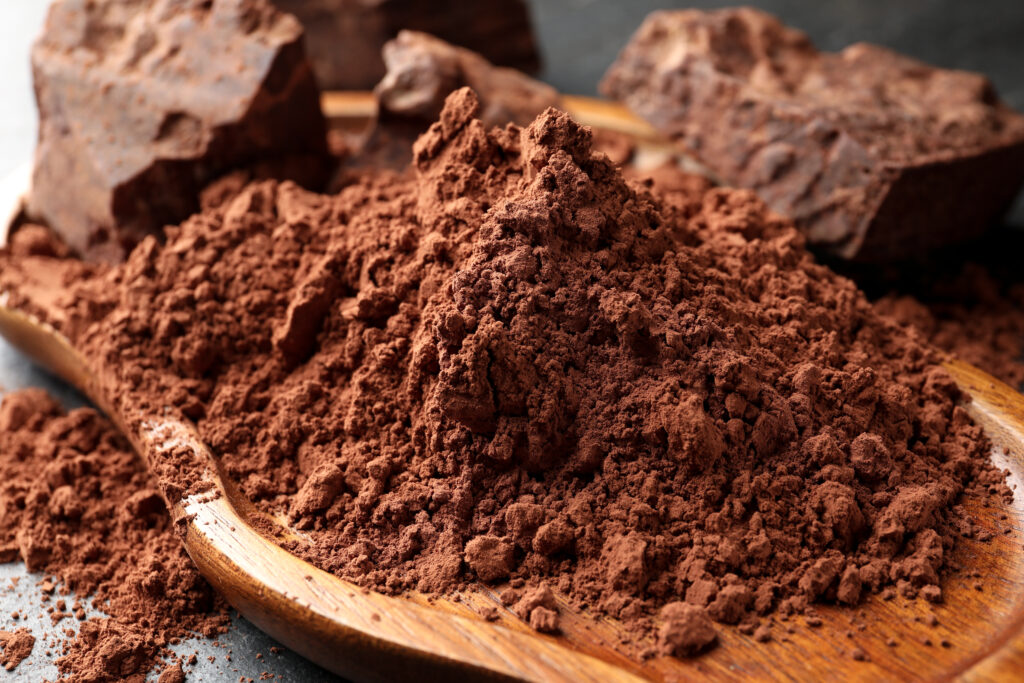
Dutch-process cocoa powder in light and dark brown, supplied in 1 kg retail packs and 25 kg wholesale sacks.
View Alkalized Cocoa Powder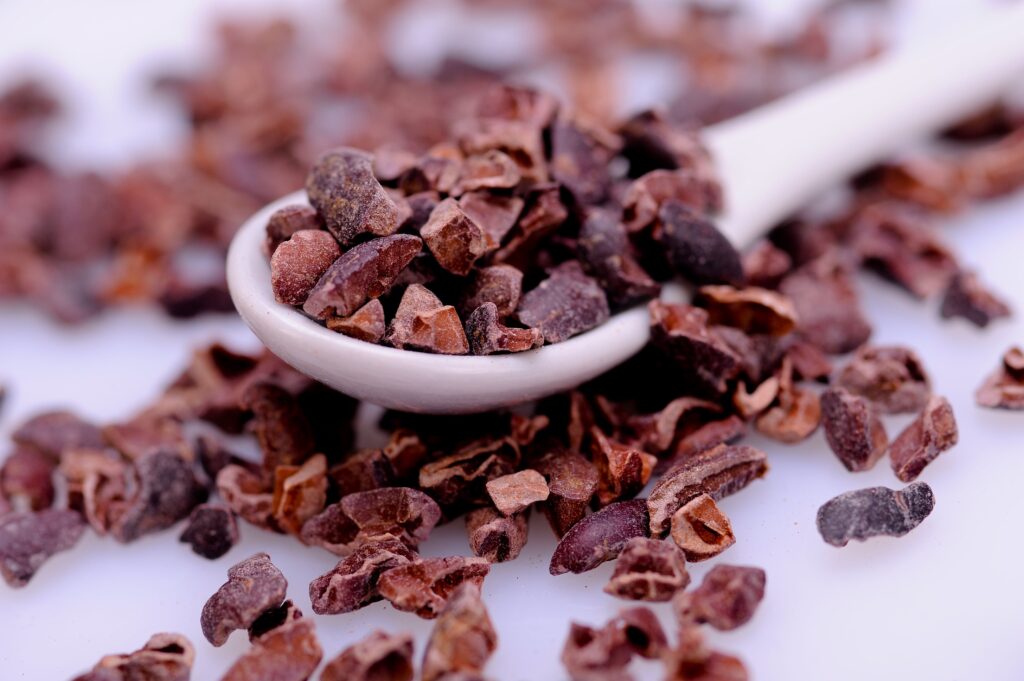
Crushed raw cocoa nibs for chocolate making, baking, snacks and superfood blends.
View Raw Cocoa Nibs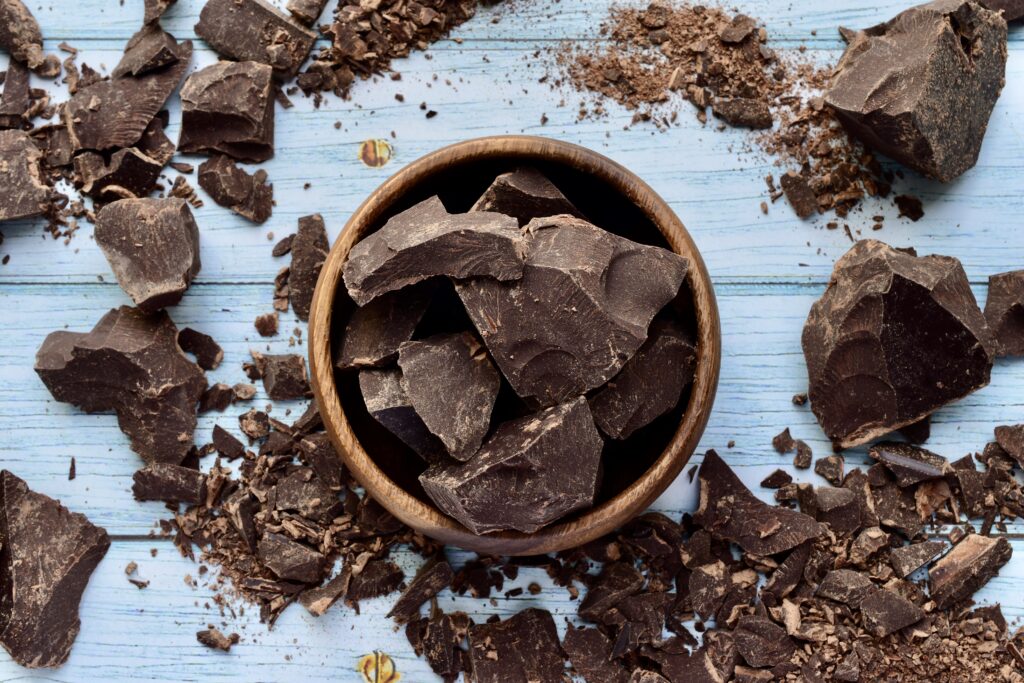
Pure cocoa mass, the foundation of every chocolate, for confectioners and chocolate manufacturers.
View Cocoa Mass