Home / Cocoa Products / Cocoa Mass
Cocoa mass supplier
Cocoa mass, also called cocoa liquor, is 100% pure ground cocoa nibs with nothing added: no sugar, no milk, no flavouring. It is roughly half cocoa butter and half cocoa solids. Radad International supplies it in bulk to chocolate makers, bakers, confectioners and food manufacturers worldwide.
Ground cocoa nibs only
Total fat on dry matter
Moisture content
Cartons, solid blocks
Shelf life
Overview
Cocoa mass, also known as cocoa liquor, cocoa paste or unsweetened chocolate, is 100% pure cocoa made by grinding roasted cocoa nibs into a smooth paste, which sets into solid blocks as it cools. It contains no sugar, milk or added flavour. It is the base of dark chocolate and the starting point for cocoa butter and cocoa powder.
Cocoa mass is made up of roughly half cocoa butter and half non-fat cocoa solids. Radad’s specification calls for 52 to 56% total fat on dry matter and no more than 1.5% moisture. The cocoa solids carry the chocolate flavour and colour, and supply protein, dietary fibre, starch and minerals such as magnesium, iron, copper and potassium, together with naturally occurring flavanols and theobromine. Because of its fat content, cocoa mass is energy-dense, at about 600 kcal per 100 g.
Cocoa mass at a glance
Also called
Cocoa liquor, cocoa paste, unsweetened chocolate, chocolate liquor
Made from
Fermented, sun-dried African cocoa beans, roasted and ground as nibs
Composition
Roughly half cocoa butter and half cocoa solids; 52 to 56% total fat on dry matter
Added ingredients
None: no sugar, milk or flavouring
Flavour
Deep, bold and bitter-sweet
Form supplied
Solid blocks in 25 kg cartons
HS code
1803 (cocoa paste)
Shelf life
24 months from production
Fermented and dried cocoa beans are cleaned, roasted, cracked and winnowed into nibs. The nibs are then ground. The friction melts the natural cocoa butter inside them, so freshly ground cocoa mass is a warm, flowing paste called cocoa liquor. Despite the name, it contains no alcohol.
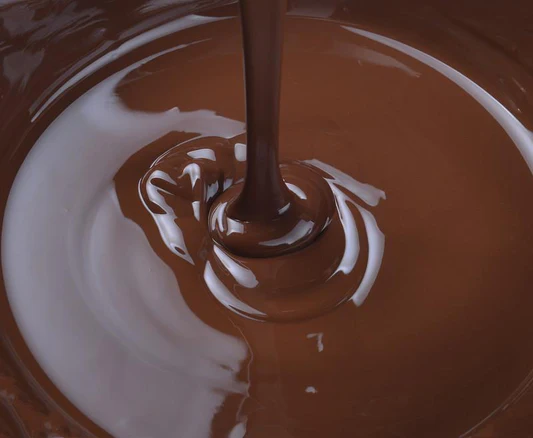
Freshly ground: a flowing paste called cocoa liquor. Cooled and set: solid cocoa mass.
As the liquor cools, the cocoa butter sets and the paste hardens into a solid, dark block. That is why the same product is called both cocoa liquor and cocoa mass: liquor describes the liquid state, and mass describes the solid one.
Nothing is taken out and nothing is added, so cocoa mass keeps both parts of the bean: the cocoa solids that carry the flavour and colour, and the cocoa butter. In international trade, cocoa paste falls under HS code 1803.
Roughly half cocoa butter and half cocoa solids. Our specification calls for 52 to 56% total fat on dry matter. The solids supply protein, dietary fibre, starch and minerals.
Energy-dense because of its fat, at about 600 kcal per 100 g. It contains cocoa butter, protein, fibre and minerals such as magnesium, iron, copper and potassium, with no added sugar.
A natural source of flavanols and theobromine, the compounds behind its bitter taste and mild stimulant effect. Cocoa butter is mostly saturated and monounsaturated fat.
Deep, bold and bitter-sweet, with the classic chocolate flavour of African cocoa. It is balanced by sugar and milk when it is made into chocolate.
Dark chocolate and couverture, bean-to-bar chocolate, baking and pastry, ganache and glazes, ice cream, spreads and fillings, and pressing into cocoa butter and cocoa powder.
Melt gently, below about 50 °C, and keep water away. Store clean, cool, dry and odourless at a maximum of 25 °C and 70% relative humidity.
How it is made
Cocoa mass keeps every part of the cocoa bean, so each step before grinding decides how clean, dark and smooth the final mass will taste.
Fermented, sun-dried beans are cleaned to remove dust, stones and foreign matter.
Roasting develops the deep chocolate aroma and loosens the shell from the bean.
Beans are cracked and the shell is winnowed away, leaving clean cocoa nibs.
Nibs are milled until the cocoa butter melts and a smooth liquid mass forms. It is then moulded into blocks.
Beans become cocoa mass, and cocoa mass can be pressed to separate cocoa butter from cocoa cake, which is then milled into cocoa powder.
Forms of cocoa mass
Cocoa mass changes form as it cools, and buyers meet it in a few different forms depending on where it is in the process. Radad International mainly supplies solid cocoa mass, packed in 25 kg cartons.
Freshly ground
Straight from the grinder, the warm nibs have melted into a smooth, flowing paste. It stays liquid only while it is warm.
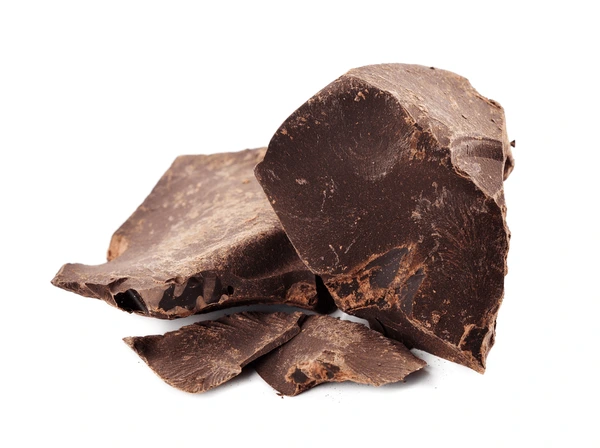
Cooled and set
As the cocoa butter cools, the liquor hardens into dense dark blocks that are easy to store and transport. This is the form we mainly supply.
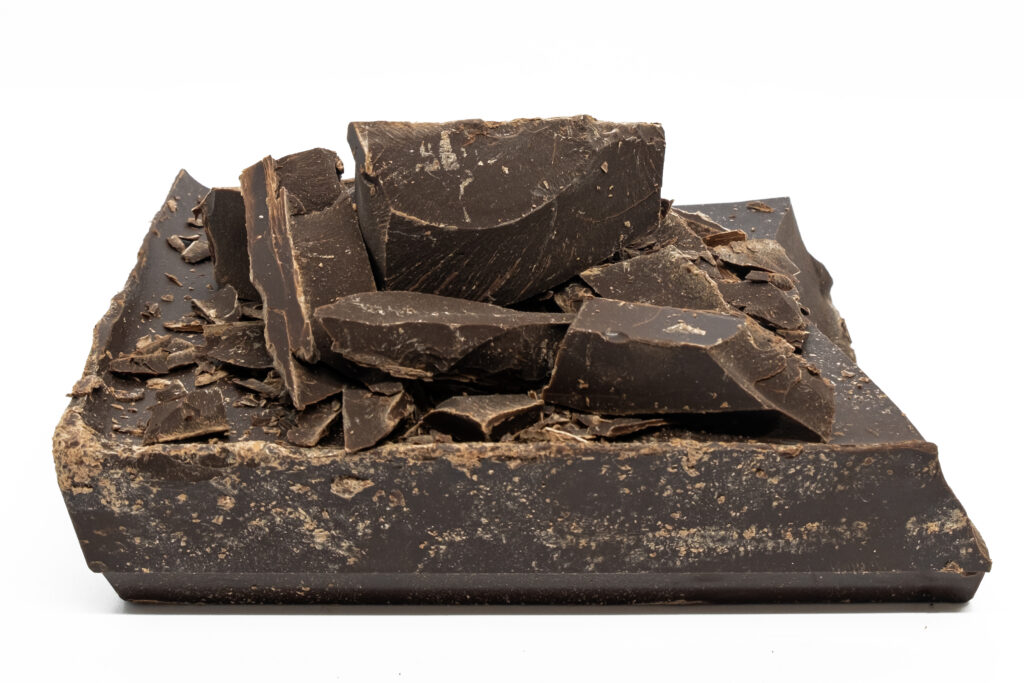
Broken down
Solid cocoa mass can be broken or chopped into smaller pieces, which melt faster and are easier to weigh for small batches.
Specification sheet
Natural cocoa liquor is made by grinding medium-roasted natural cocoa nibs. Colour is typical of cocoa liquor, with no off flavours or odours. Choose a tab to see each group of limits.
Moisture (IOCCC 1)
Total fat on dry matter (IOCCC 14)
Fineness through 75 µ (200 mesh)
Shelf life from production
Moisture content
Maximum 1.5% (IOCCC 1, 1952)
Total fat on dry matter
52 to 56% (IOCCC 14, 1972)
pH
5.2 to 6.2 ± 0.4 (IOCCC 15, 1972)
Fineness (75 µ = 200 mesh)
Minimum 99.6% ± 0.2 (IOCCC 38, 1990)
Shell
Maximum 1.75% (non-alkalized nib basis)
Active lipase
Negative
Aflatoxin B1+B2+G1+G2
Below 4 ppb
Aflatoxin B1
Below 2 ppb
Total standard plate count
Maximum 500 cfu/g (ISO 4833)
Yeast
Maximum 50 cfu/g (ISO 7954)
Mould
Maximum 50 cfu/g (ISO 7952)
Enterobacteriaceae
Absent (ISO 21528-2)
E. coli
Absent (ISO 7251)
Salmonella
Absent in 375 g (ISO 6579)
Packaging
25 kg corrugated cartons with an inner polyethylene bag, complying with international standards
Storage
Clean, cool, dry and odourless, at a maximum of 25 °C and 70% relative humidity
Melting
Melt gently, below about 50 °C, and keep water away
Shelf life
24 months after the production date, under the recommended storage conditions
Compare
All four come from the same bean. The difference is what has been separated out.
Product
What it is
Contains
Typical use
Cocoa mass
Whole cocoa nibs ground into a smooth paste, then set into blocks
Cocoa solids and cocoa butter together
Dark chocolate, couverture, baking, further pressing
The pressed cake left after the butter is removed, then milled
Cocoa solids with most of the fat removed
Baking, beverages, ice cream, coatings
Roasted, cracked and winnowed pieces of the bean
Whole bean, not yet ground
Chocolate making, snacks, baking
Uses
Cocoa mass is a base ingredient. These are the main ways our customers put it to work.
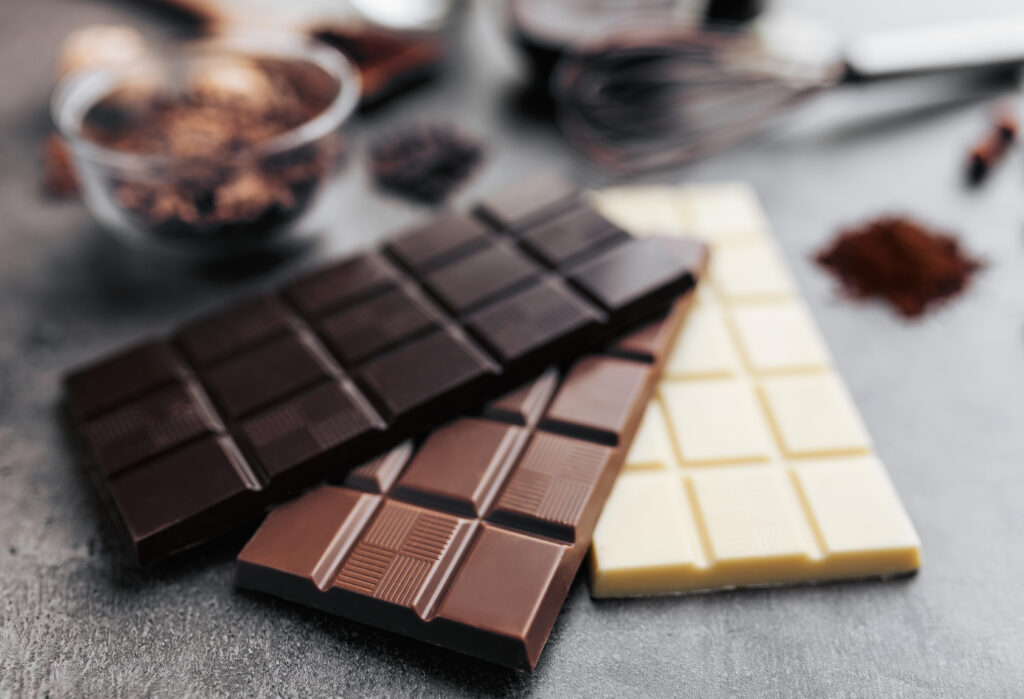
The core ingredient of dark chocolate, blended with sugar and extra cocoa butter.
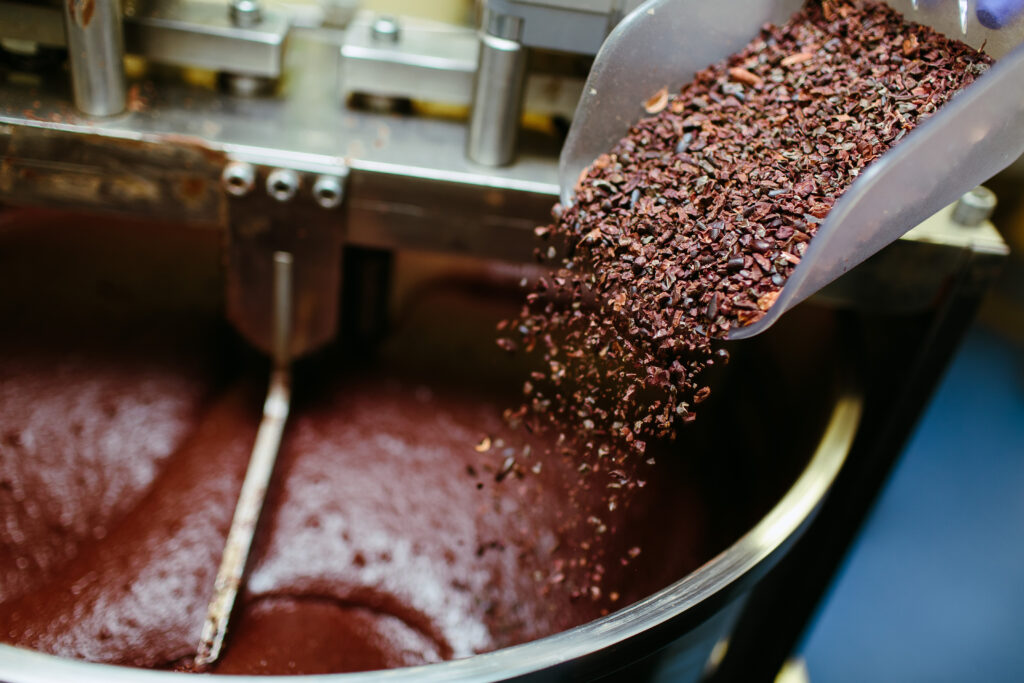
Ready-ground mass lets craft makers skip the roasting and grinding stage.
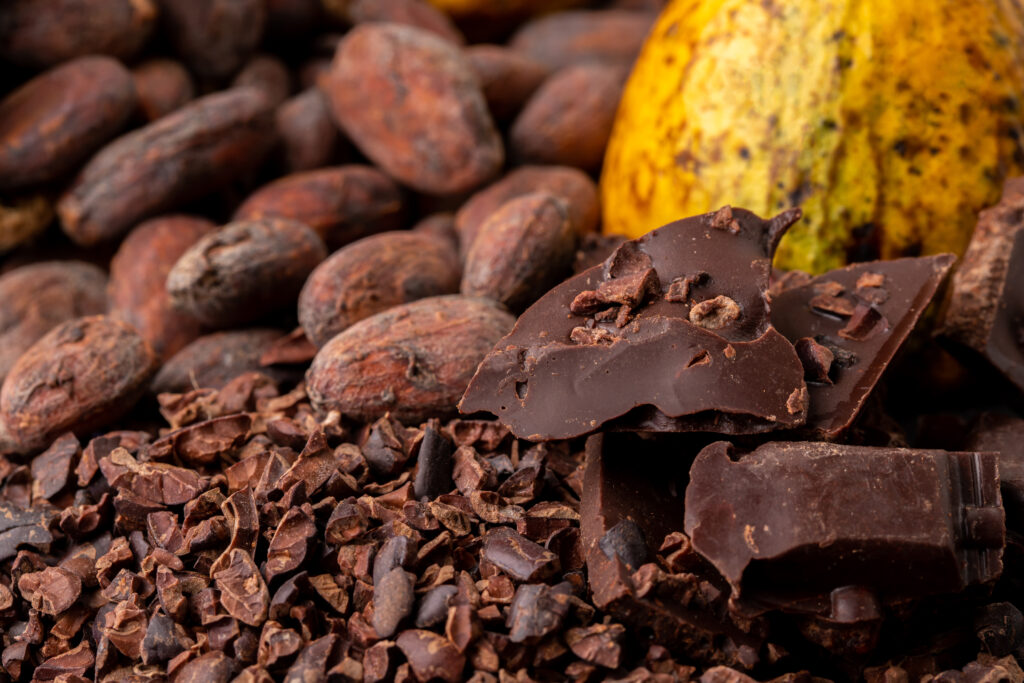
Gives dark chocolate its depth of flavour, colour and cocoa percentage.
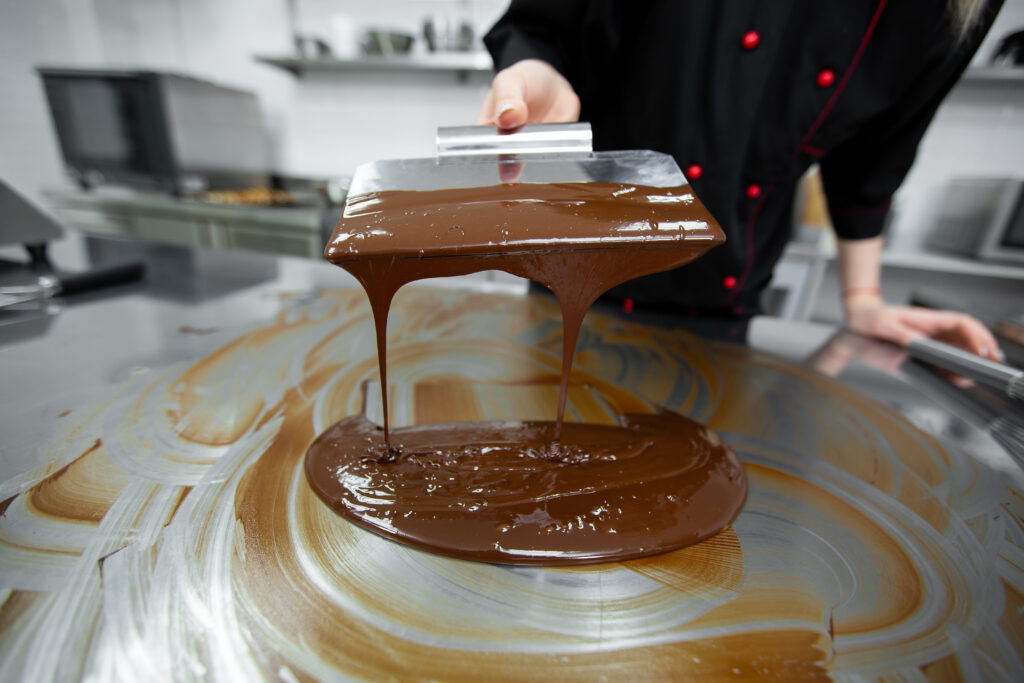
Melted into cakes, brownies, ganache, glazes and fillings for a pure cocoa taste.
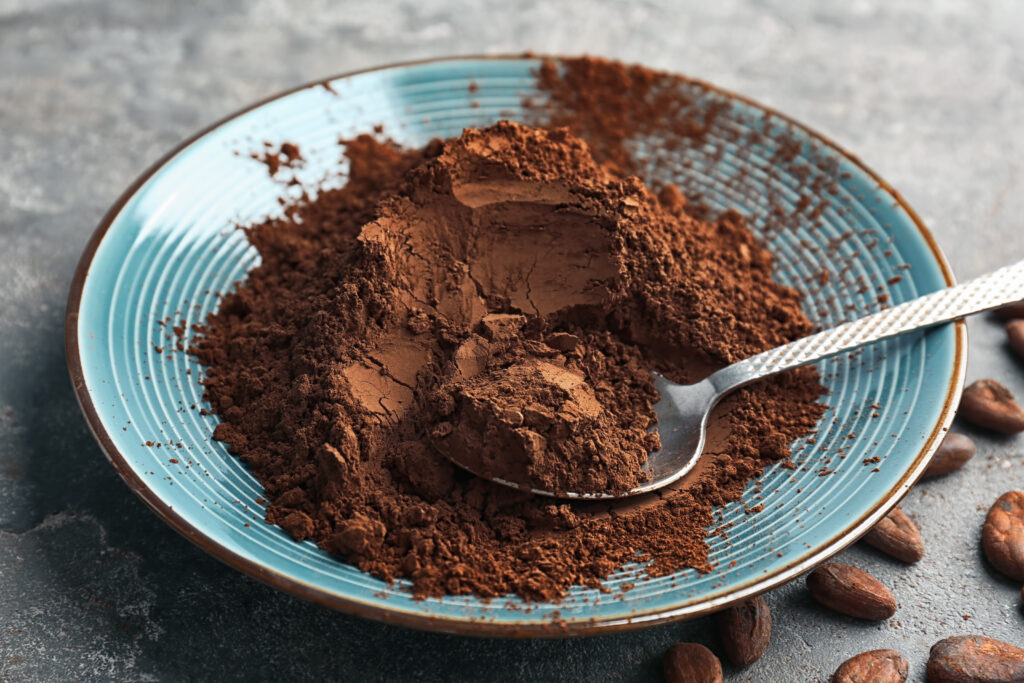
Pressed to separate cocoa butter from cocoa cake, then milled into powder.
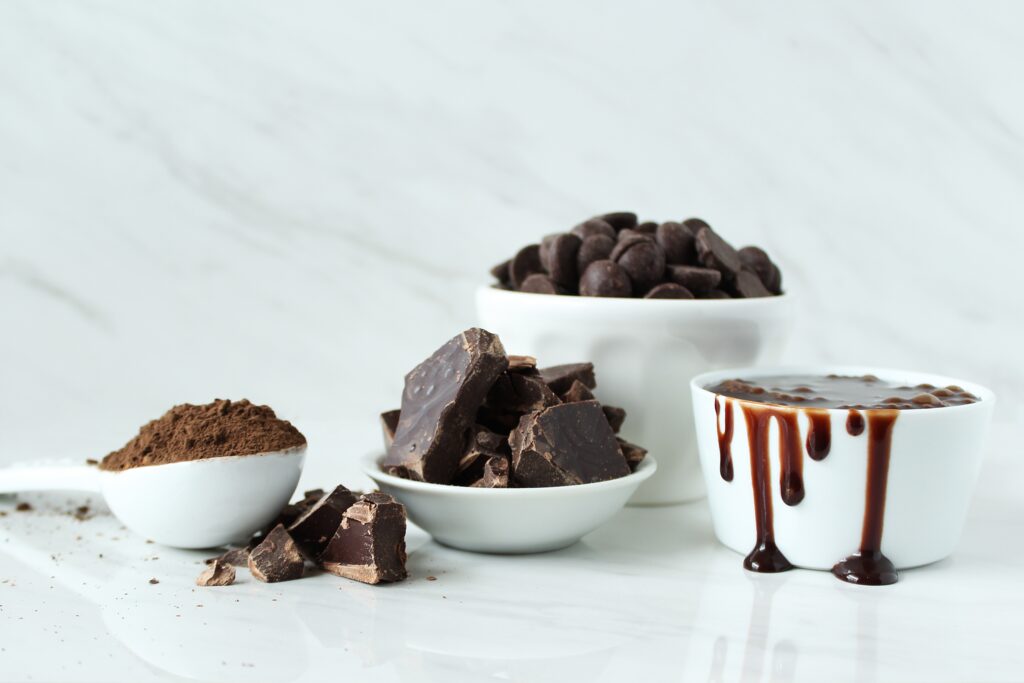
Used in truffles, coatings, ice cream, hazelnut-style spreads and desserts.
Why Radad
100% cocoa with no sugar, milk, flavouring or additives.
Made from fermented, sun-dried African cocoa beans with the bold, classic chocolate flavour.
Supplied mainly as solid cocoa mass in 25 kg cartons with an inner polyethylene bag.
Tell us how much you need and where it is going, and we will quote to match.
Full export documentation with every shipment, to ports worldwide.
Reach our team by form, email or WhatsApp for samples, specifications and quotes.
How to order
Ordering cocoa mass from Radad International is simple and works the same wherever you are. Tell us the format, volume and destination, and we send a specification sheet and a quotation.
Corrugated cartons
Main form supplied
Export to any port
With every shipment
Send your enquiryTell us the format, volume and destination port.
Review the specificationWe send the specification sheet, and a sample on request.
Receive your quotationYou get a clear quote with packing and shipping terms.
We pack and shipYour order is packed and shipped with full export documents.
FAQs
Select a question to read the answer.
About cocoa mass
Cocoa mass, also called cocoa liquor, cocoa paste or unsweetened chocolate, is 100% pure cocoa made by grinding roasted cocoa nibs into a smooth paste. Fermented and dried beans are roasted, cracked and winnowed into nibs, then ground. Nothing is added and nothing is removed, so it keeps both the cocoa solids and the cocoa butter: roughly half of each, with 52 to 56% total fat on dry matter in Radad’s specification.
Cocoa liquor describes the liquid state. When the nibs are ground, the cocoa butter melts and the mass flows like a thick liquid. The word comes from the old sense of liquor as a liquid, and it contains no alcohol. When the liquor cools and sets, it is usually called cocoa mass.
Cocoa mass contains both cocoa solids and cocoa butter. When it is pressed, the fat separates as cocoa butter and the remaining cake is milled into cocoa powder. Cocoa mass is the starting point for both.
Cocoa mass is energy-dense, at about 600 kcal per 100 g, mostly from cocoa butter. It also contains protein, dietary fibre and minerals such as magnesium, iron, copper and potassium, and natural compounds including flavanols and theobromine. It has no added sugar. Exact values depend on the beans.
It is the base of dark chocolate and couverture, and is used in bean-to-bar chocolate, baking, ganache, glazes, fillings, ice cream and spreads. Processors also press it to produce cocoa butter and cocoa powder.
Specifications and handling
Our natural cocoa liquor is made from medium-roasted natural cocoa nibs. Moisture is 1.5% maximum, total fat on dry matter is 52 to 56%, pH is 5.2 to 6.2, and fineness is a minimum of 99.6% through 75 microns (200 mesh). Shell content is 1.75% maximum on a non-alkalized nib basis, and active lipase is negative.
Total plate count maximum 500 cfu/g, yeast maximum 50 cfu/g and mould maximum 50 cfu/g. Enterobacteriaceae and E. coli are absent, and Salmonella is absent in 375 g. Aflatoxin B1+B2+G1+G2 is below 4 ppb and aflatoxin B1 is below 2 ppb.
Melt it gently, below about 50 °C, stirring until smooth, and keep water away because even a little moisture can make melted mass seize. Store in a clean, cool, dry and odourless place at a maximum of 25 °C and 70% relative humidity. Shelf life is 24 months after the production date.
We mainly supply solid cocoa mass, packed in 25 kg corrugated cartons with an inner polyethylene bag. Cocoa mass is liquid only while it is freshly ground and warm, and it sets into solid blocks as it cools. Contact us if you need something different and we will tell you what we can do.
Buying and shipping
Use the Request a Quote button or message us on WhatsApp at +971 522 501 039. Tell us the volume and destination port, and we will send the specification sheet, a sample on request and a quotation.
Yes. Cocoa mass is available in our online shop in 1, 5, 10 and 25 kg packs. For larger volumes, request a quote.
Yes. We export to buyers worldwide and provide export documentation with every shipment.
More from Radad
Cocoa mass pairs with the rest of the Radad range.
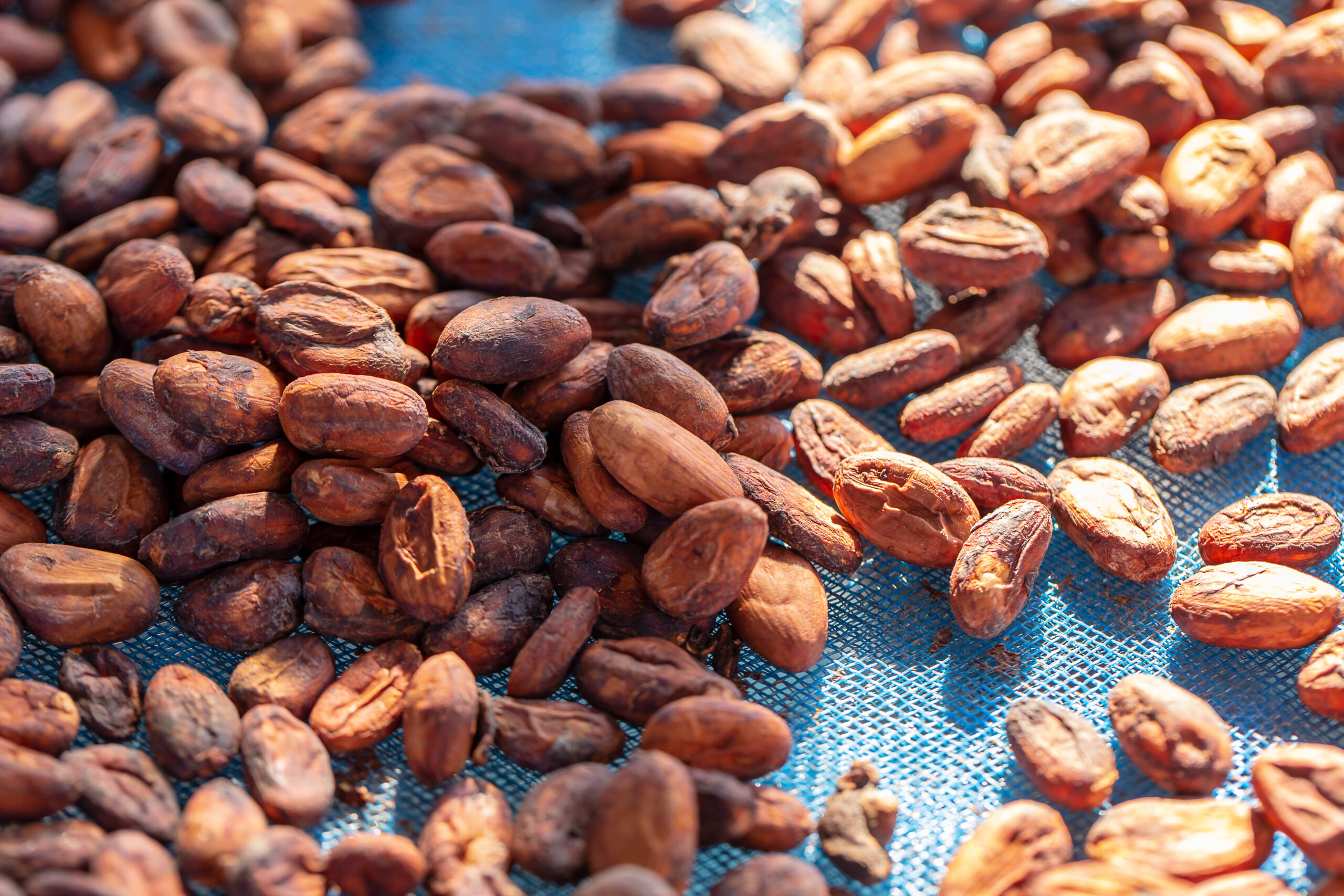
Key specifications
Moisture
Max 7.5%
Well-fermented
At least 80%
Bean count
70 to 100 per 100 g
Packing
62.5 kg jute bags
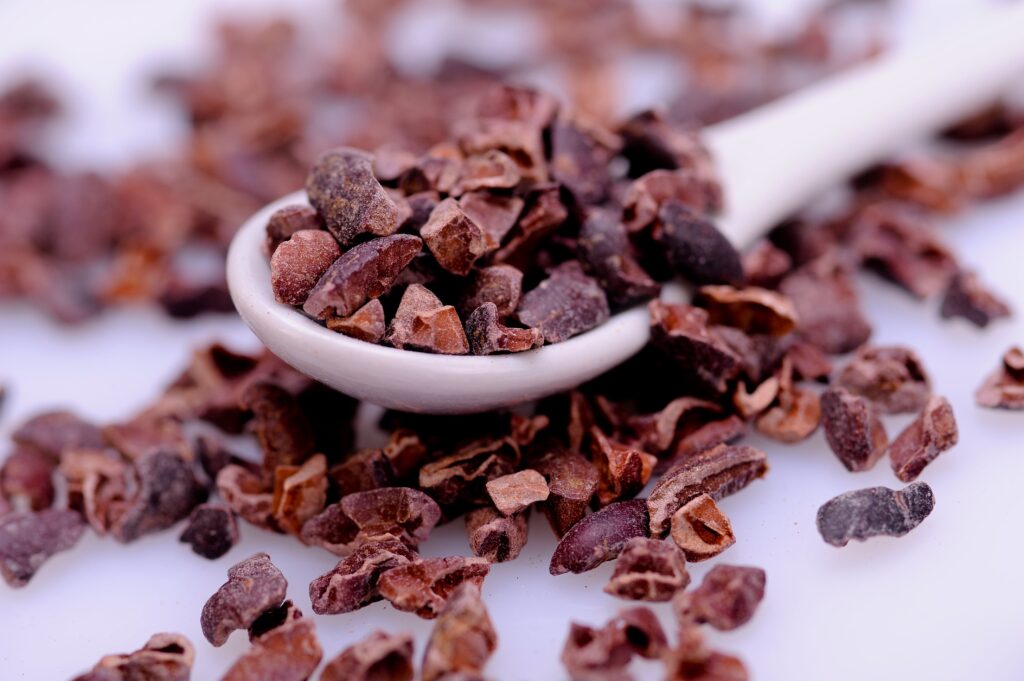
Key specifications
Fat
50 to 57%
Moisture
Max 3.5%
Shell
Max 1.75%
Shelf life
24 months

Key specifications
pH
5.4 to 6.6
Fat
10 to 12%
Moisture
Max 5.0%
Shelf life
24 months
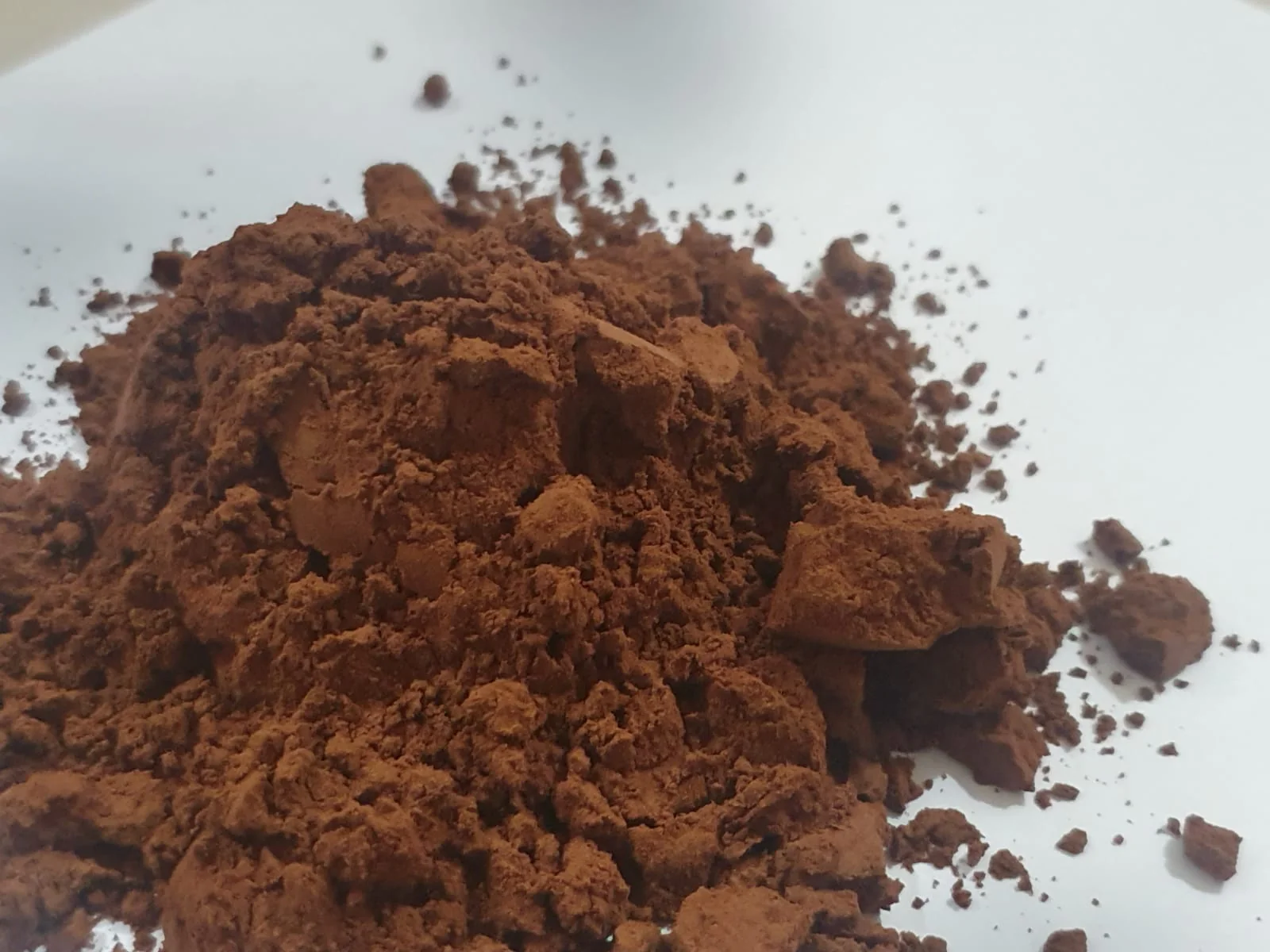
Key specifications
pH
6.8 to 8.5
Fat
10 to 12%
Moisture
Below 5%
Particle size
Below 75 microns
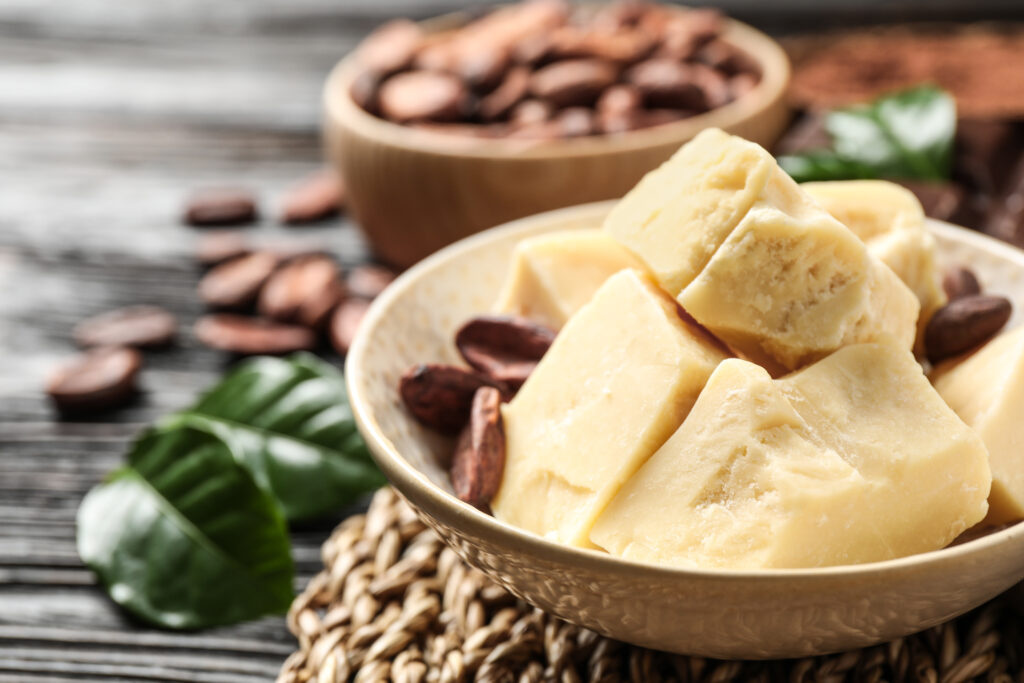
Key specifications
Type
Natural, undeodorized
Colour
Ivory to pale yellow
Free fatty acids
Below 1.75%
Shelf life
24 months
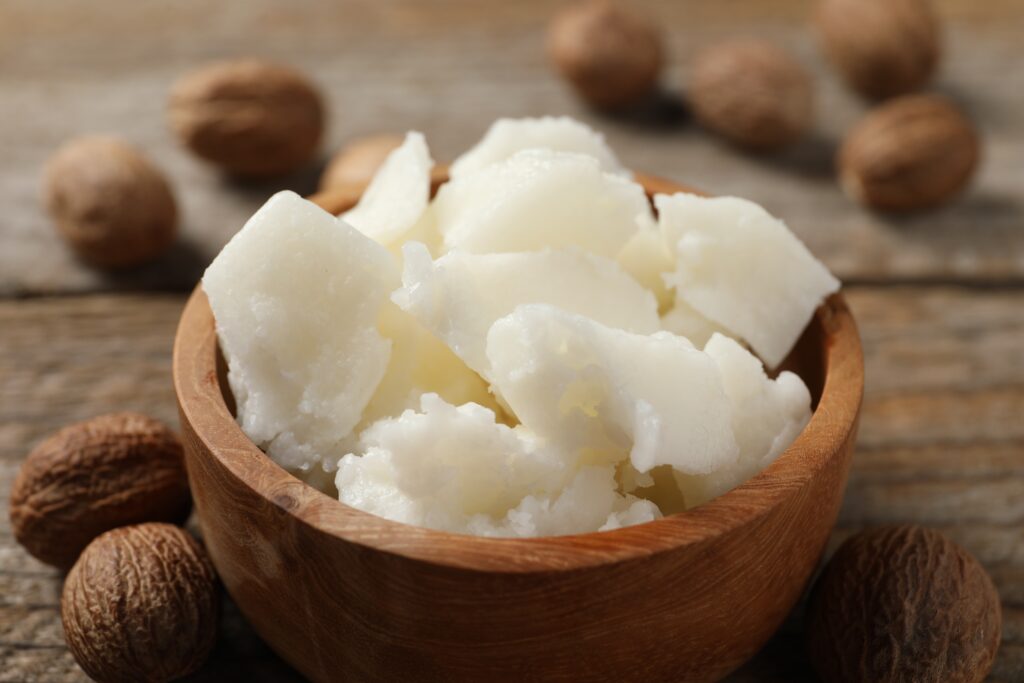
Key specifications
Grade
Type 1
Free fatty acids
Max 1.0%
Moisture
Max 0.05%
Melting point
32 to 40 °C
WhatsApp us