
Home / What we offer / Natural Cocoa Butter
Natural Organic Cocoa Butter: Hydraulically Pressed, Not Deodorized
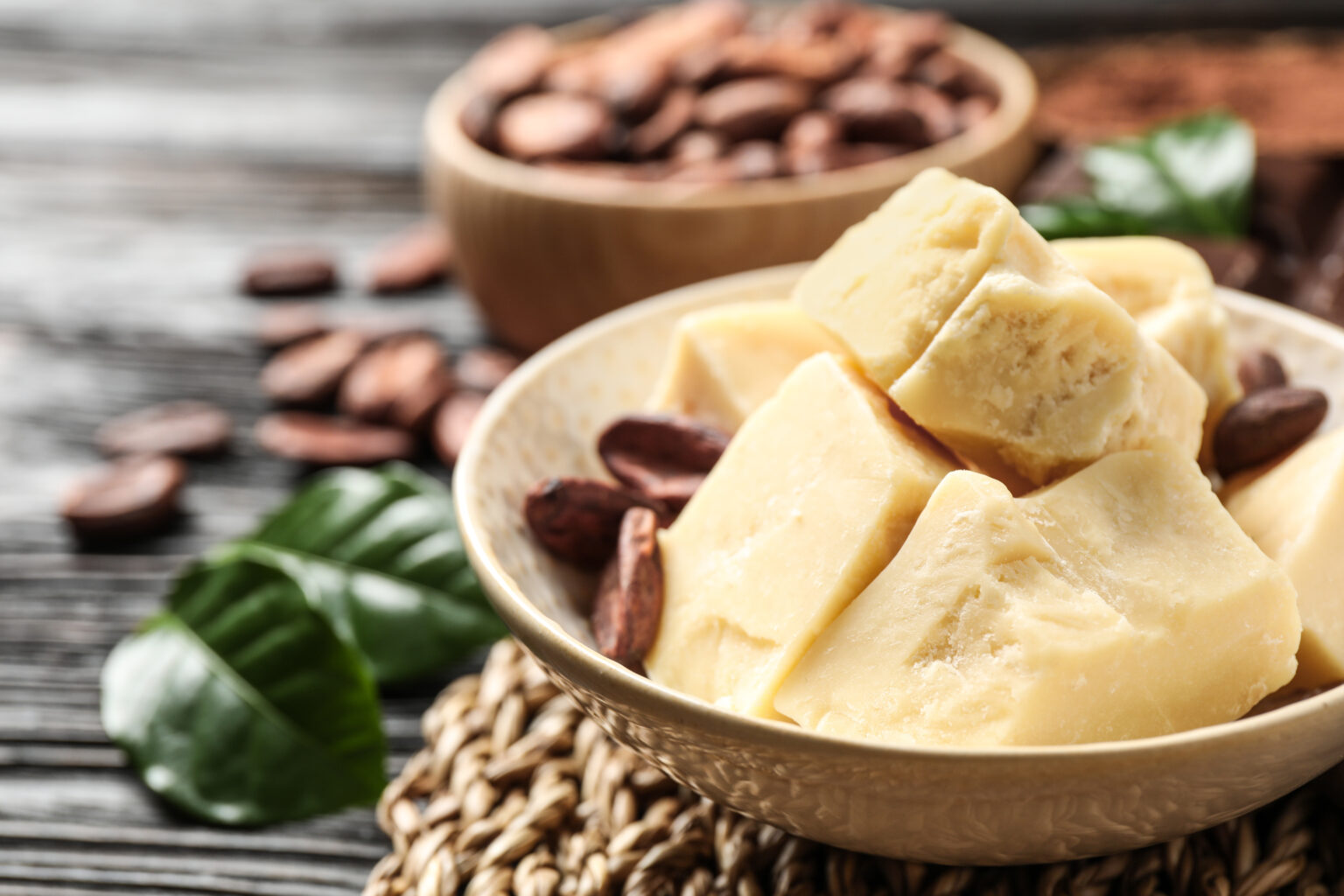
Radad natural cocoa butter is obtained by hydraulic pressing of cocoa mass and filtered, with no odour-control treatment. It keeps its typical cocoa aroma and a light-yellow to creamy colour. We ship in 25 kg cartons to chocolate makers, confectioners and cosmetic manufacturers worldwide.
At a glance
Type
Natural, pressed and filtered, not deodorized
Full melting
32 to 35 °C
Moisture
0.01% maximum
Packing
25 kg cartons with PE insert
32 to 35 °C
Full melting range
0.01% max
Moisture content
1.75% max
Free fatty acids
75 to 85%
Solid triglycerides at 20 °C
25 kg
Net weight per carton
Overview
What Is Natural Cocoa Butter?
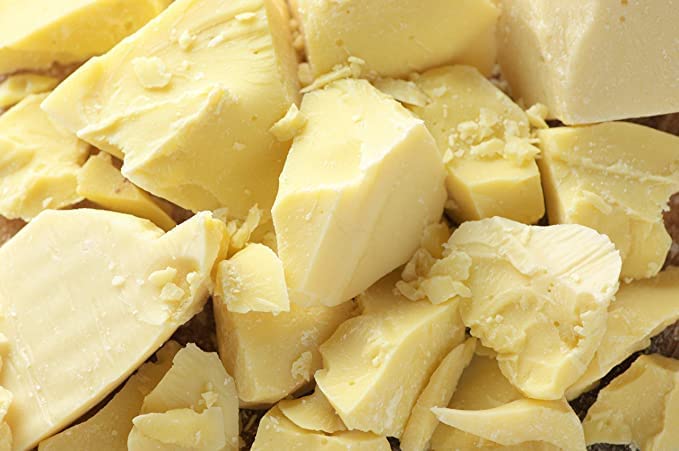
Natural cocoa butter is the pale, edible fat pressed from cocoa mass. Radad natural cocoa butter is obtained by hydraulic pressing of cocoa mass, without extraction, then filtered, with no odour-control (deodorizing) treatment. It is light yellow to creamy, solid and fragile at 16 to 18 °C, and fully melts at 32 to 35 °C.
Because it is not deodorized, natural cocoa butter keeps the taste and aroma typical of the cocoa beans it came from, with no off flavours. That is why chocolate makers and natural-cosmetics brands choose it when the cocoa character is part of the product.
Quick answers
Natural Cocoa Butter: Key Facts in 30 Seconds
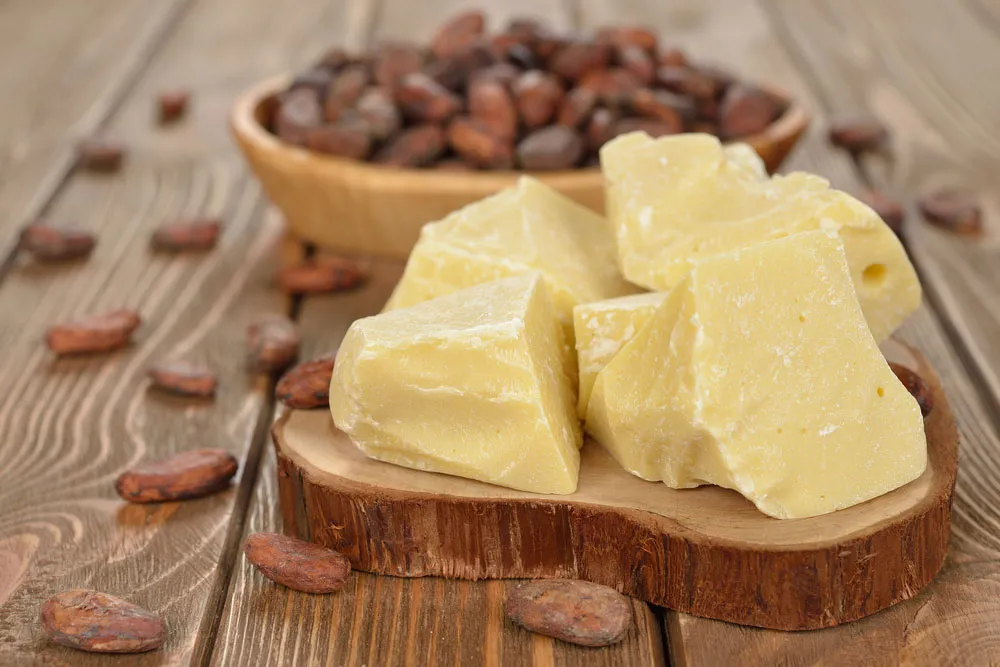
Natural cocoa butter is pressed from cocoa mass, filtered and not deodorized. It is light yellow to creamy, solid at room temperature, fully melts at 32 to 35 °C and ships in 25 kg cartons. The answers below cover the questions buyers ask first.
What is it?
The natural fat of the cocoa bean, pressed out of cocoa mass and filtered.
How is Natural Cocoa Butter made?
By hydraulic pressing of cocoa mass, without extraction, followed by filtration.
Is it deodorized?
No. There is no odour-control treatment, so it keeps its cocoa aroma.
What does it look like?
Light yellow to creamy, solid and fragile at 16 to 18 °C, transparent when melted at 40 °C.
When does cocoa butter melt?
It fully melts at 32 to 35 °C, just below body temperature.
How dry is cocoa butter?
Moisture is 0.01% at most, and ash is 0.1% at most.
How is it packed?
In corrugated cartons of 25 kg net with a food-grade PE insert.
Is it tested for safety?
The specification sets limits for microbes, heavy metals, aflatoxin B1, radionuclides and pesticides.
Natural vs deodorized
Natural vs Deodorized Cocoa Butter: Which One Do You Need?
Natural cocoa butter keeps its cocoa aroma and creamy-yellow colour because it is only pressed and filtered. Deodorized cocoa butter is steam-treated to remove the aroma, so it smells neutral and is paler. Choose natural when the cocoa character is wanted, and deodorized when it is not.
Feature
Natural (Radad)
Deodorized
Processing
Pressed from cocoa mass and filtered, no odour-control treatment
Pressed, then steam-treated to remove volatile aroma compounds
Aroma
Typical cocoa aroma
Neutral or very mild
Colour
Light yellow to creamy
Paler
Flavour
Typical of the cocoa beans, no off flavours
Neutral
Best for
Dark and milk chocolate, single-origin products, natural cosmetics
White chocolate, flavoured confectionery, soaps, lotions and fragrance bases
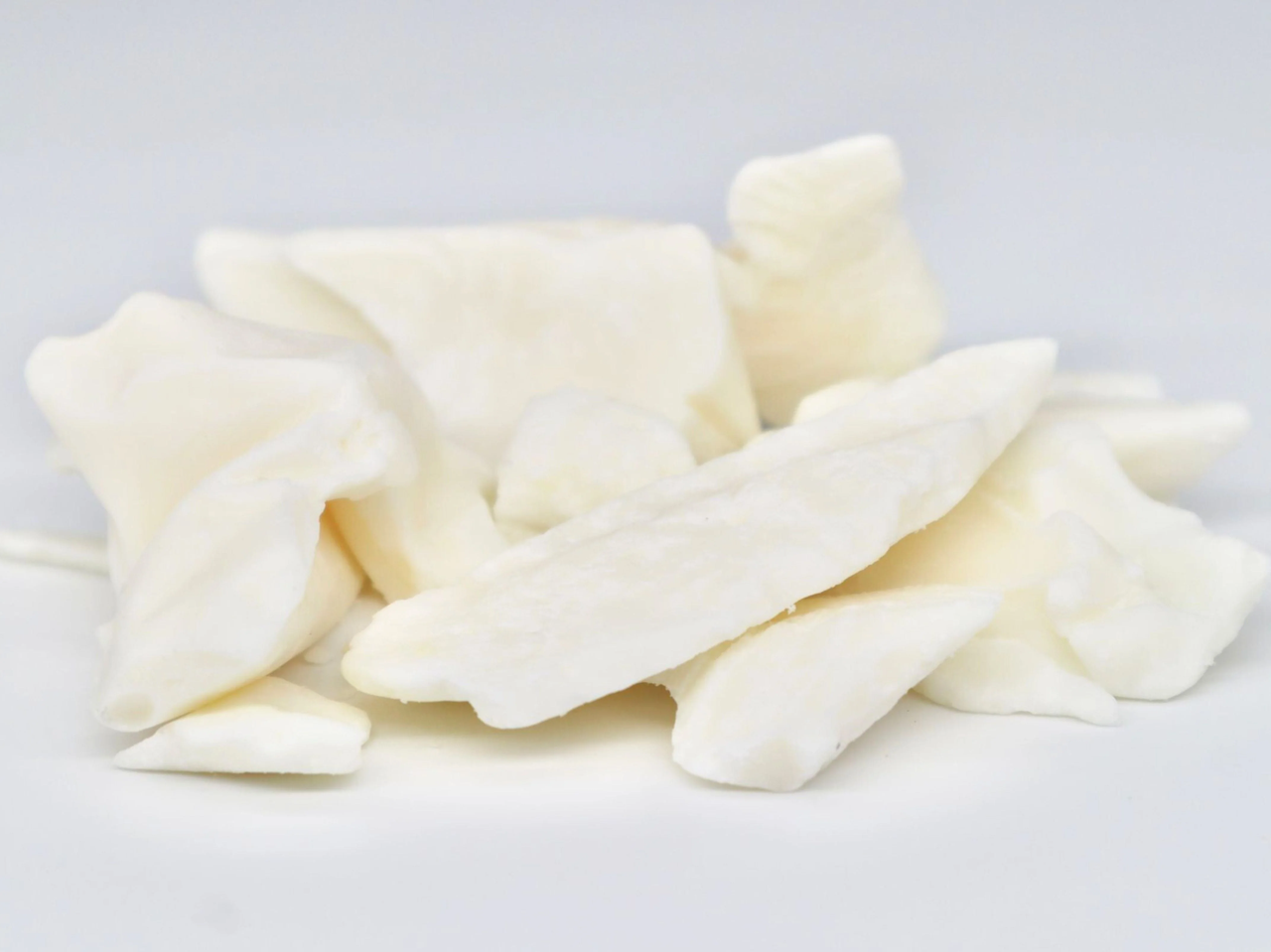
Refined cocoa butter loses its creamy colour through further processing. Natural cocoa butter keeps it.
Production
How Is Natural Cocoa Butter Made?
Natural cocoa butter is made by pressing liquid cocoa mass in a hydraulic press, which separates the fat from the cocoa solids. The butter is then filtered and packed with no odour-control treatment. Nothing is added to it and nothing is taken away.
1
Cocoa mass
Fermented, dried beans are roasted, cracked and ground into cocoa mass, also called cocoa liquor.
2
Hydraulic pressing
The mass is pressed to separate the cocoa butter from the cocoa cake, without extraction.
3
Filtration
The pressed butter is filtered so that no cocoa particles remain.
4
Packing
The butter is packed in corrugated cartons of 25 kg net with a PE insert or similar food-grade material.
Technical data
Natural Cocoa Butter Specifications
Radad natural cocoa butter has a maximum of 0.01% moisture, 1.75% free fatty acids and a peroxide value of 2, fully melts at 32 to 35 °C, and is packed in 25 kg cartons. Cocoa butter is obtained by hydraulic pressing of cocoa mass (without extraction), after which it is filtered, without odour-control treatment. The full quality specification follows.
Organoleptic Data
Parameter
Characteristic and norm
Taste and flavour
Typical for this type of cocoa beans, no off smacks and flavours
Colour
From light yellow to creamy
Transparency at 40 °C
Transparent, presence of particles of cocoa is not allowed
Consistence at 16 to 18 °C
Solid, fragile
Chemical and Physical Parameters
Parameter
Characteristic and norm
Moisture content, %
0.01 maximum
Ash content in 10% hydrochloric acid solution, %
0.1 maximum
Free fatty acids (FFA), %
1.75 maximum
Peroxide value (active oxygen per 1 kg of fat)
2 maximum
Temperature of full melting
32 to 35 °C
Temperature of freezing
28 °C minimum
Period of freezing
40 to 60 minutes
Refractive index at 40 °C
1.4560 to 1.4578
Content of Solid Triglycerides
Temperature
Solid triglycerides, %
20 °C
75.0 to 85.0
25 °C
73.0 to 80.0
35 °C
1.0 to 3.5
40 °C
0 to 0.5
What these numbers mean
About three quarters of the fat is solid at 20 to 25 °C, and almost none is solid at 40 °C. This sharp drop close to body temperature is what gives cocoa butter its snap at room temperature and its clean melt in the mouth.
Safety Parameters
Parameter
Characteristic and norm
Total plate count, CFU/g
1 × 10³ maximum
E. coli, CFU in 1 g of product
Not present
Pathogenic bacteria, including Salmonella, in 25 g
Not present
Yeast, CFU/g
50 maximum
Mould, CFU/g
50 maximum
Toxic Elements
Element
Limit, mg/kg
Lead
1.0 maximum
Arsenic
1.0 maximum
Cadmium
0.5 maximum
Mercury
0.1 maximum
Aflatoxin, Radionuclides and Pesticides
Parameter
Limit
Aflatoxin B1
0.005 mg/kg maximum
Caesium-137
100 Bq/kg maximum
Strontium-90
80 Bq/kg maximum
Hexachlorocyclohexane (alpha, beta, gamma isomers)
0.5 mg/kg maximum
DDT and its metabolites
0.15 mg/kg maximum
Packing and Labelling
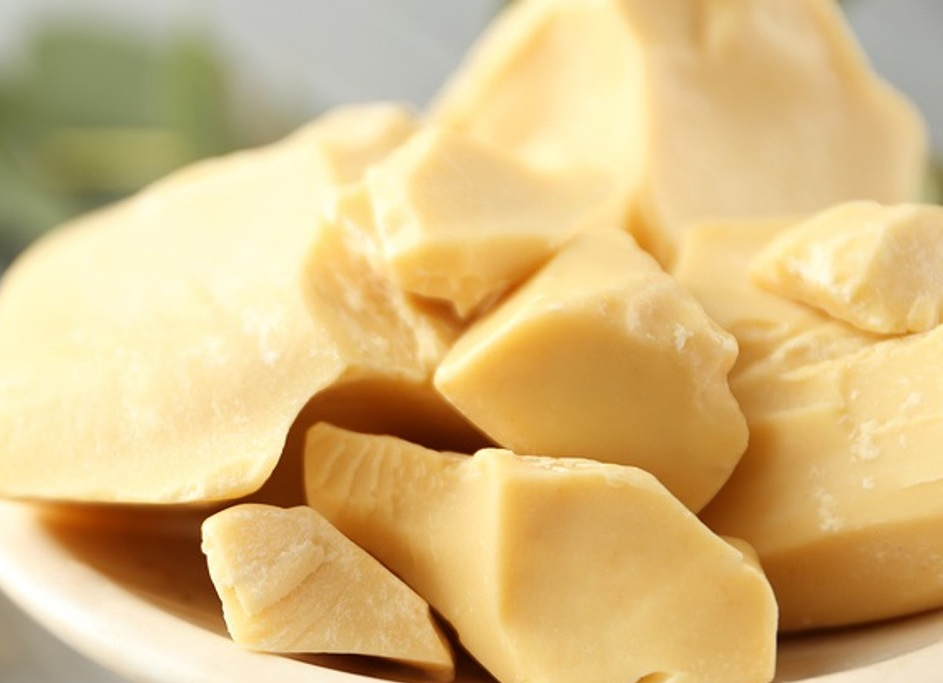
Corrugated carton boxes of 25 kg net with a PE insert or similar material permitted for food use. Ask us for the signed specification sheet for your order.
Request the Specification SheetReading the numbers
How to Read a Cocoa Butter Specification Sheet
A cocoa butter specification tells you how fresh, pure, safe and workable the fat is. The numbers that matter most are free fatty acids, peroxide value, moisture, solid triglycerides and the melting range. Here is what each one means, with the Radad figure beside it.
Free fatty acids (FFA)
Free fatty acids rise as a fat breaks down, so a lower figure means a fresher, better-kept butter.
Radad: 1.75% maximum
Peroxide value
Measures early oxidation, a warning sign for rancidity. Lower is better.
Radad: 2 maximum
Moisture
Water can spoil a fat and allow microbes to grow, so very low moisture protects quality.
Radad: 0.01% maximum
Ash content
The mineral residue left after burning, used as a purity check on the fat.
Radad: 0.1% maximum
Melting and freezing
Cocoa butter melts in a narrow range just below body temperature, which suits chocolate and skin care.
Radad: full melting 32 to 35 °C, freezing 28 °C minimum
Solid triglycerides
The share of the fat that is solid at each temperature. It predicts snap, hardness and melt.
Radad: 75 to 85% at 20 °C, 1 to 3.5% at 35 °C
Refractive index
A quick identity and purity check, because each fat has a characteristic value.
Radad: 1.4560 to 1.4578 at 40 °C
Safety limits
Limits for microbes, heavy metals, aflatoxin, radionuclides and pesticides set the safety baseline for food and cosmetic use.
Radad: full limits in the specification above
Applications
What Is Natural Cocoa Butter Used For?
Natural cocoa butter is used in dark and milk chocolate, confectionery coatings and fillings, bakery, natural cosmetics and skincare, and as a base for medicinal products, wherever a solid fat that melts near body temperature and keeps its cocoa character is wanted.
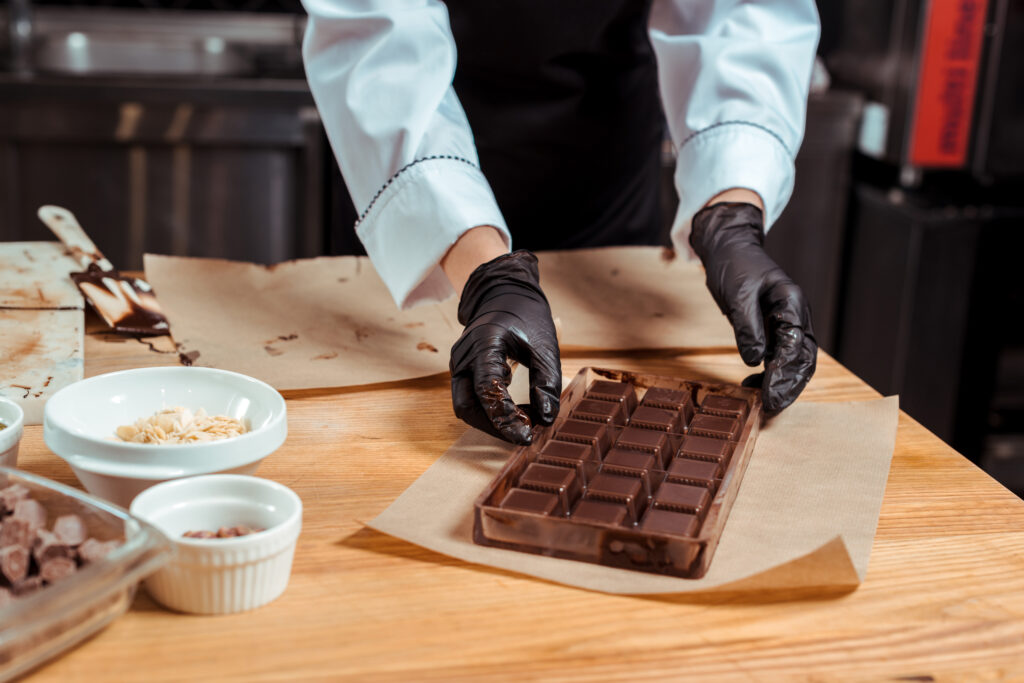
Dark and milk chocolate
Gives chocolate its snap, gloss and clean melt, and keeps the cocoa aroma.
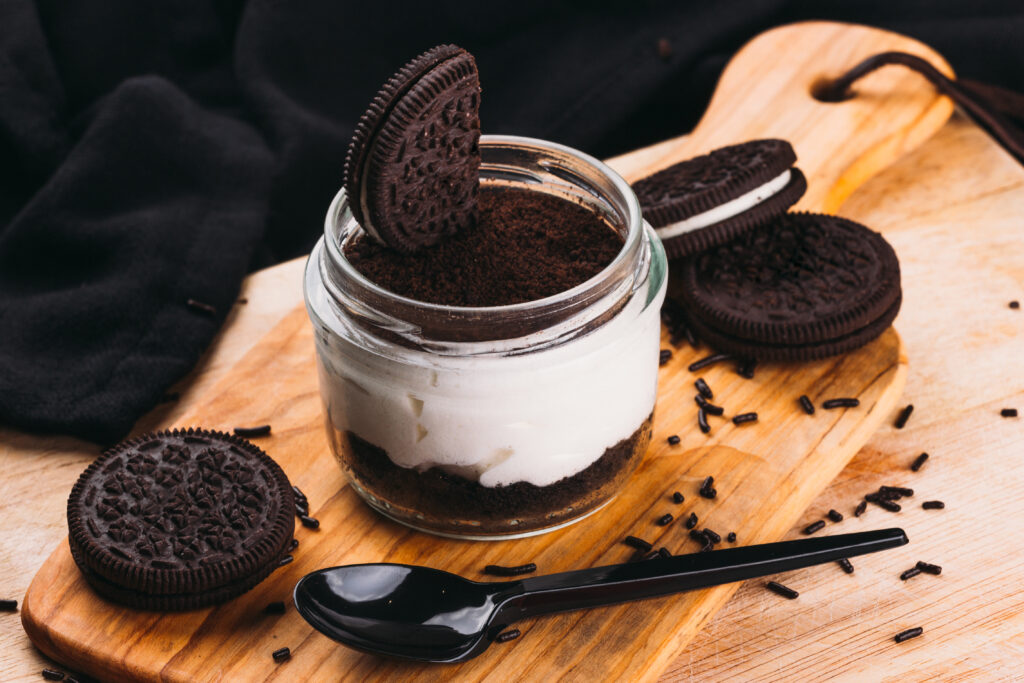
Confectionery and coatings
Fillings, pralines, glazes and coatings that need a cocoa-flavoured fat.
Natural cosmetics and skincare
Lip balms, body butters and creams where the natural cocoa scent is a feature.
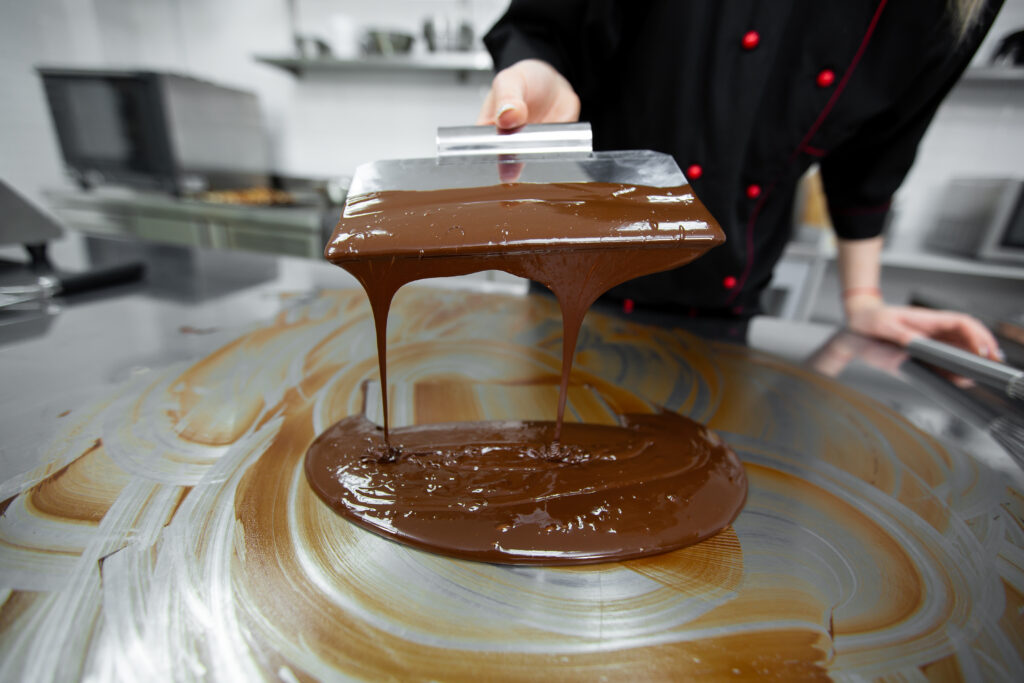
Bakery and pastry
Pastry, cookies and baked goods that benefit from a cocoa-flavoured fat.
Single-origin and craft chocolate
Lets the flavour of the beans show through, because nothing is stripped out.
Spreads and fillings
Adds body and a smooth melt to chocolate spreads, creams and ganache.
Pharmaceutical bases
A solid at room temperature that melts at body temperature, used as a base for suppositories and ointments.
Soap and balm making
Adds richness and a natural cocoa note to handmade soaps and balms.
Find your match
Is Natural Cocoa Butter The Right Choice for Your Recipe?
Choose natural cocoa butter if you want the cocoa aroma and flavour to carry into your product. Choose deodorized cocoa butter if you need a neutral scent and a paler colour. Use the two checklists to decide.
Choose natural cocoa butter if you:
Make dark, milk or single-origin chocolate where cocoa character matters
Make natural cosmetics where the cocoa scent is a selling point
Want a fat that is only pressed and filtered, with no deodorizing step
Need a butter with a specification you can check number by number
Request Natural Cocoa ButterChoose deodorized cocoa butter if you:
Make white chocolate or delicately flavoured confectionery
Make soaps, lotions or fragrance bases that must smell neutral
Want a paler, more uniform colour
Want to add your own flavours without cocoa aroma competing
Read the Cocoa Butter Buyer's GuideBulk supply
How Do I Buy Natural Cocoa Butter in Bulk?
Send Radad your quantity, destination and intended use. We reply with a quote and the full specification sheet, and once you confirm we arrange supply in 25 kg cartons on FOB or CIF terms. Natural cocoa butter is supplied to buyers in the UAE and worldwide.
Chocolate makers and confectioners
Natural butter for chocolate, coatings and fillings where cocoa aroma matters.
Cosmetic and personal care brands
A natural base for balms, butters and creams that keep their cocoa scent.
Importers and distributors
Bulk cartons for buyers supplying their own markets.
1
Send your enquiry
Tell us the quantity, destination and what you will use the butter for.
2
Receive your quote
The Radad team replies with a quote and the specification sheet.
3
Confirm and arrange supply
Agree the details with us and we arrange supply and shipping.
Storage and handling
Keep cocoa butter cool and dry, away from strong odours and direct light, because fats absorb smells easily. Ask us for the recommended storage conditions and shelf life for your order.
Get a quote
Source Natural Cocoa Butter
Tell us the quantity, destination and use. The Radad team replies with a quote and the specification sheet.
Call or WhatsApp
+971 522 501 039Monday to Sunday, 09:00 AM to 06:00 PM (Dubai time)
FAQs
Natural Cocoa Butter: Frequently Asked Questions
Quick answers about natural cocoa butter, its specification, how it differs from deodorized butter and how to buy it.
More from Radad
Explore Our Cocoa Products
Cocoa butter is one of the products pressed from cocoa mass. Here is the rest of the range.
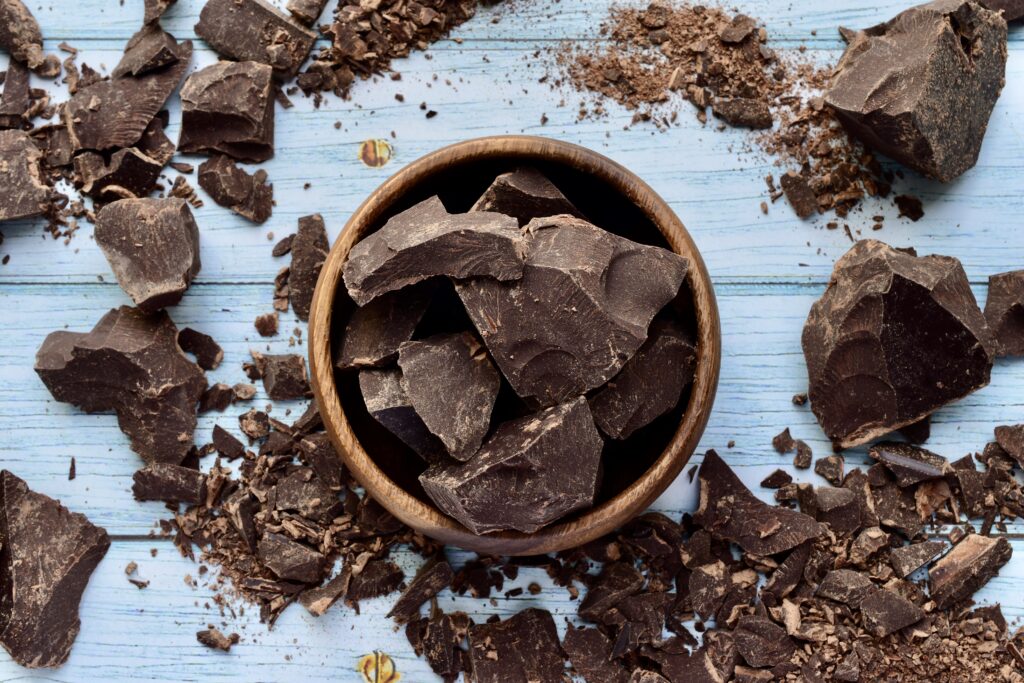
Cocoa Mass (Cocoa Liquor)
Pure ground cocoa, the paste that is pressed to give cocoa butter.
View Cocoa Mass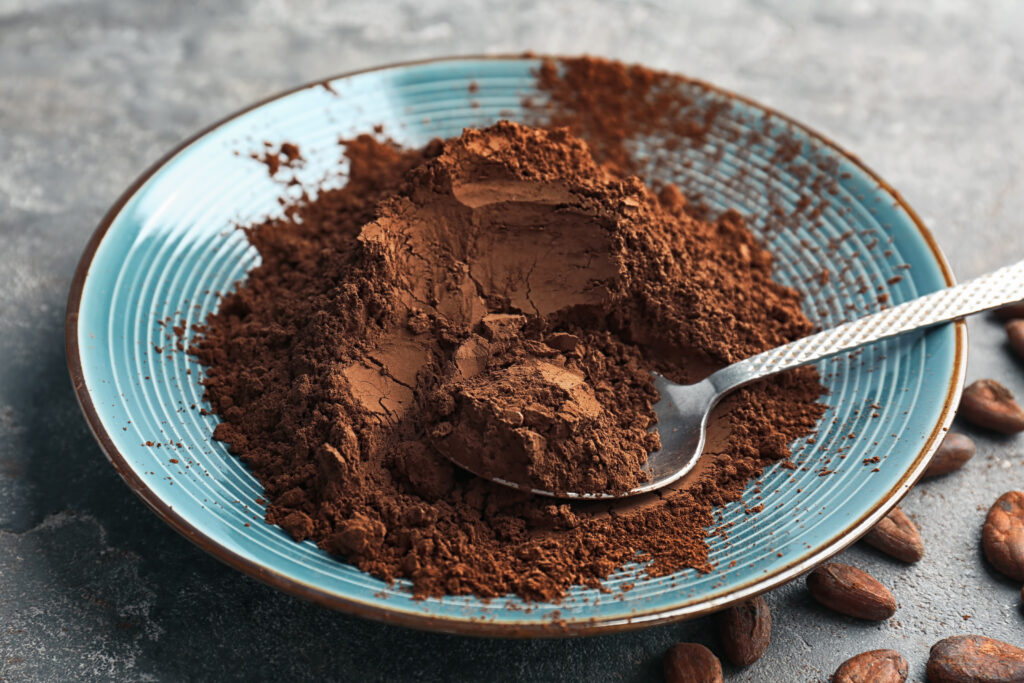
Alkalized Cocoa Powder
Dutch-process powder in light and dark brown for drinks, ice cream and dark bakes.
View Alkalized Cocoa Powder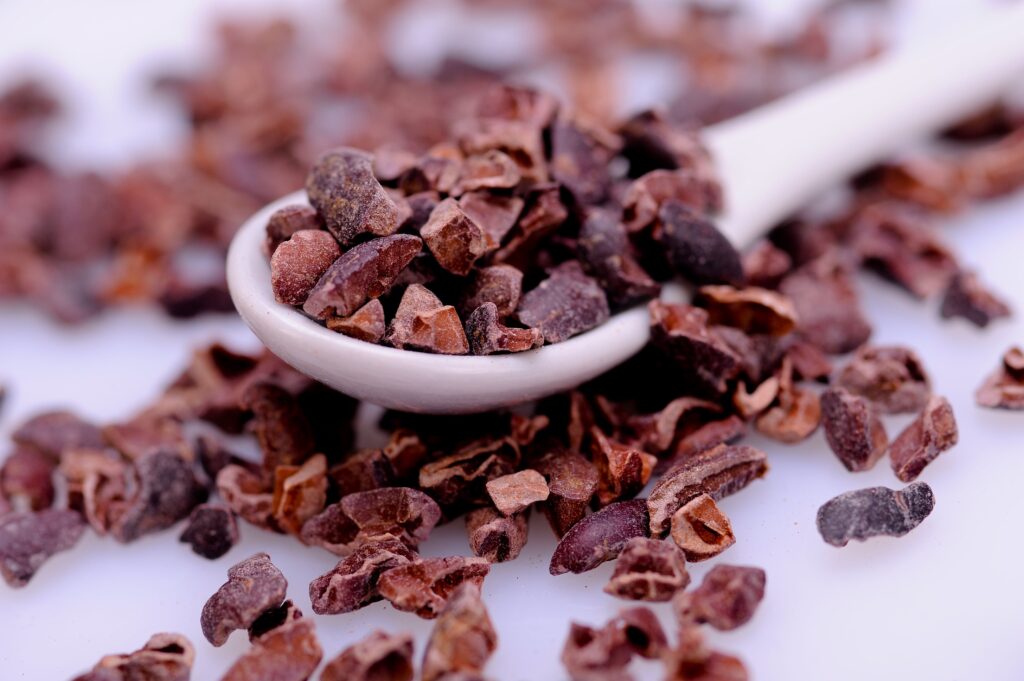
Raw Cocoa Nibs
Pure, crunchy African cocoa nibs for chocolate makers, bakers and food brands.
View Raw Cocoa Nibs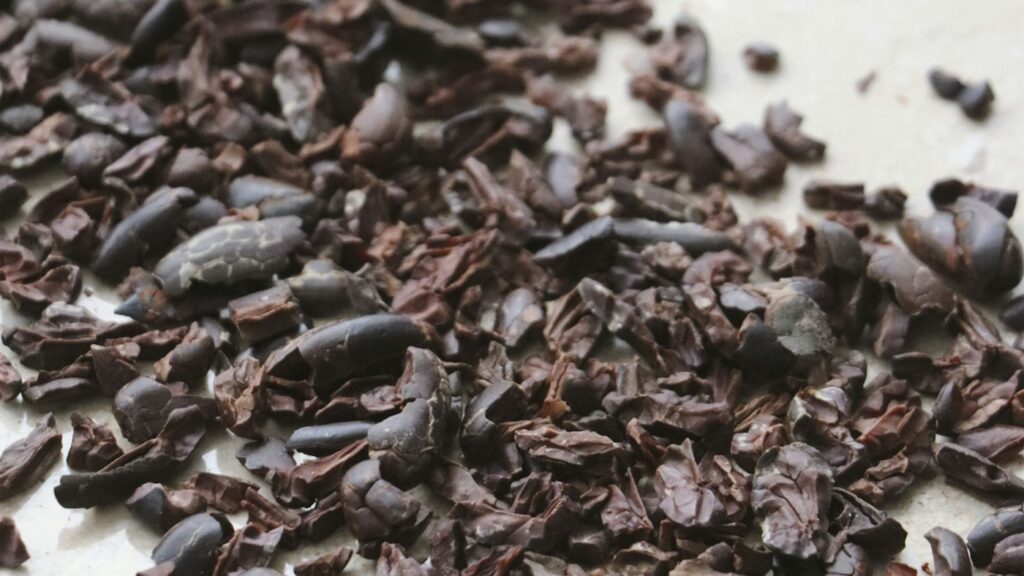
Whole Cocoa Beans
Fermented, sun-dried African beans for grinders and chocolate makers.
View Whole Cocoa BeansSources and References
1. Radad International, Quality Specifications of Natural Cocoa Butter (the specification values on this page).
2. Wikipedia, Cocoa butter (composition, melting behaviour, deodorizing).
3. Encyclopaedia Britannica, Cocoa butter (properties and uses).
4. Radad International, Cocoa butter buyer's guide: food grade vs cosmetic.
5. Radad International, Cocoa contaminant and microbiological specifications guide.
Last updated: October 2026