Home / Cocoa Products / Cocoa Nibs
Bulk cocoa nibs
Cocoa nibs are roasted cocoa beans with the shell removed, broken into small pieces. Radad cocoa nibs are 100% cocoa, graded to 3 to 7 mm, with 50 to 57% natural cocoa butter and no more than 3.5% moisture. We ship them in 25 kg cartons to chocolate makers, bakeries and food manufacturers worldwide.
Fat (cocoa butter)
Moisture content
Piece size
Shell content
Cartons with PE liner
Overview
Cocoa nibs are the broken kernels of fermented, dried and roasted cocoa beans, left after the beans are cracked and the shell is winnowed away. They are 100% cocoa with nothing added, and they are the raw material that is ground into cocoa mass, which is then pressed to separate cocoa butter from the cake that is milled into cocoa powder.
A nib is the cocoa kernel without its shell, so it keeps all of the bean’s cocoa butter and cocoa solids. Radad cocoa nibs contain 50 to 57% fat, 11 to 14% protein, no more than 5% ash and no more than 3.5% moisture, and cocoa liquor made from them has a pH of 5.2 to 6.0. Cocoa kernels also contain natural theobromine, typically 0.9 to 3.0%, a smaller amount of caffeine, and polyphenols such as flavanols, which together give nibs their bitter, slightly astringent taste.
Cocoa nibs at a glance
Also called
Cacao nibs, roasted cocoa nibs, cocoa kernels
Made from
Fermented, dried cocoa beans, roasted, cracked and winnowed
Ingredients
100% cocoa nibs, nothing added
Fat (cocoa butter)
50 to 57%
Protein
11 to 14%
Moisture
Maximum 3.5%
Piece size
3 to 7 mm, at least 80% by weight
Origin
Africa, Forastero and select Trinitario varieties
HS code
1801.00 (cocoa beans, whole or broken, raw or roasted)
Packing and shelf life
25 kg cartons with a PE liner, 24 months
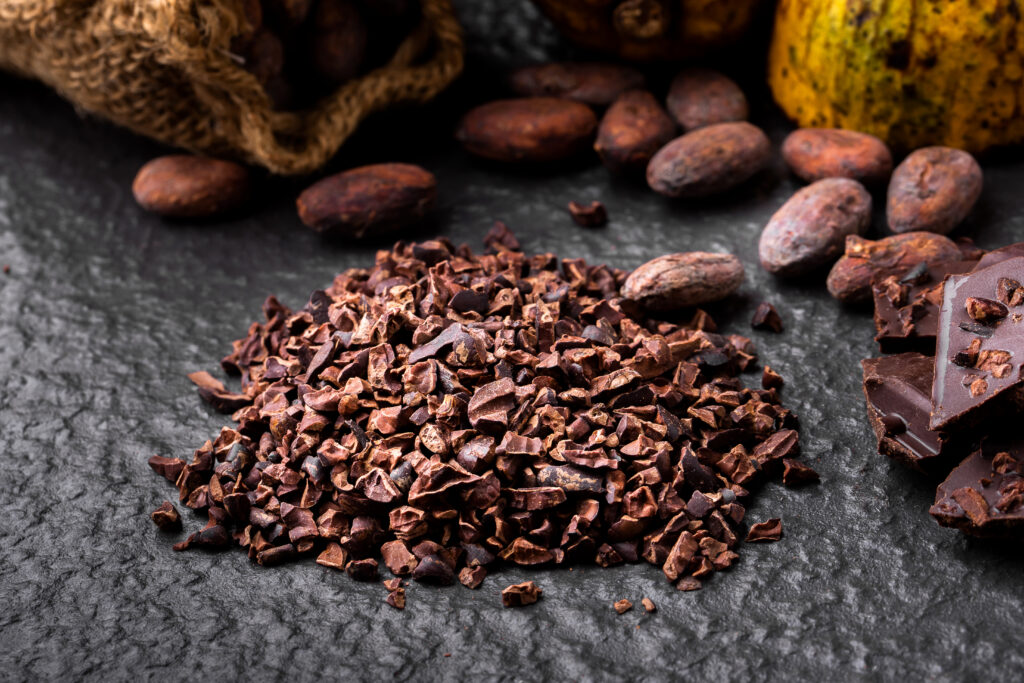
Roasting gives the nibs a dark brown to reddish-brown colour and a clean roasted cocoa aroma. They taste intensely of dark chocolate, bitter and unsweetened, with a crisp crunch. For nutrition and health information, read our guide to cocoa nibs benefits.
Production
Cocoa nibs are made by roasting fermented, dried cocoa beans, cracking them into pieces and separating the light shell from the heavier kernel with air. The nibs are then sieved to size, checked and packed.
Beans are fermented for several days to develop chocolate flavour, then dried for storage and transport.
Dust, stones, sticks and damaged beans are removed so that only sound beans are roasted.
Roasting develops the cocoa aroma, darkens the colour and loosens the shell from the kernel.
The beans are cracked into pieces, and air currents carry the light shell away from the nibs.
Nibs are sieved to 3 to 7 mm, checked for shell and foreign matter, and packed in 25 kg cartons.
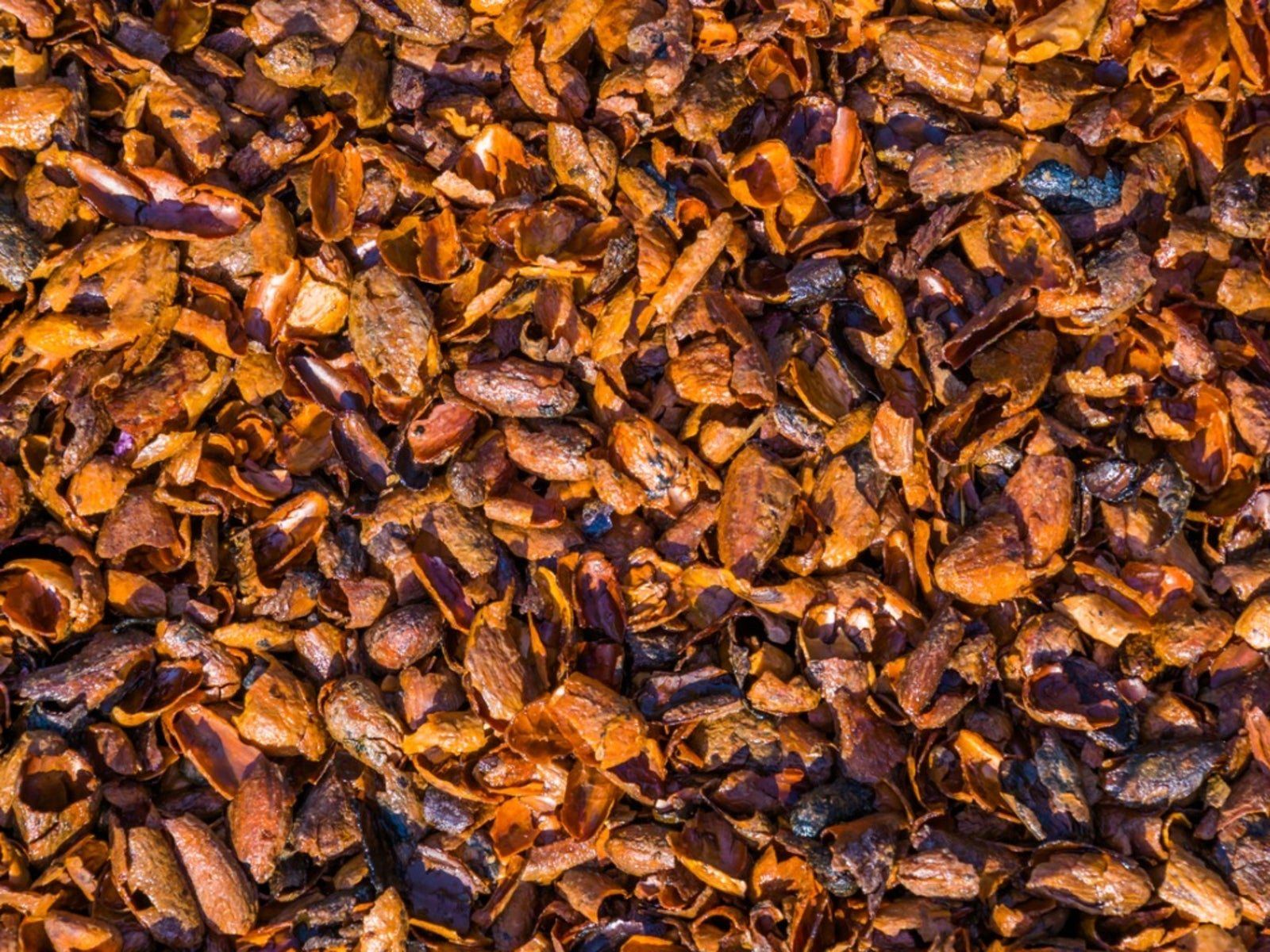
The shell removed during winnowing is a separate by-product with its own uses. See our cocoa shells page.
Specification sheet
Roasted cocoa nibs, cracked and winnowed, 100% cocoa. Choose a tab to see each group of limits, or download the full sheet.
Fat content
Moisture content
Shell content
pH of cocoa liquor
Appearance
Clean, broken kernels of roasted cocoa beans, free from whole shells and excessive fines
Colour
Dark brown to reddish-brown
Odour and taste
Clean roasted cocoa aroma, with no off-odours or mould
Particle size
3 to 7 mm, minimum 80% by weight (sieve analysis)
Shell content
Maximum 1.75%
Foreign matter (excluding shell)
Maximum 0.5%
Moisture content
Maximum 3.5%
Fat content (cocoa butter)
50 to 57%
Protein
11 to 14%
Ash
Maximum 5%
pH (cocoa liquor made from the nibs)
5.2 to 6.0
Theobromine
0.9 to 3.0% (indicative)
Total polyphenols
About 5 to 8% (indicative, as catechin equivalents)
Total plate count
Maximum 10,000 CFU/g
Yeast and mould
Maximum 500 CFU/g
Enterobacteriaceae
Maximum 100 CFU/g
Escherichia coli
Not detected in 25 g
Salmonella
Not detected in 25 g
Aflatoxins B1 + B2 + G1 + G2
Below 4 µg/kg
Aflatoxin B1
Below 2 µg/kg
Packaging
Corrugated cartons of 25 kg with an inner polyethylene bag
Storage temperature
15 to 22 °C
Relative humidity
Maximum 65%
Storage conditions
Clean, dry, odour-free place, first in, first out
Shelf life
24 months from production under the storage conditions above
Allergens
None of the 14 major food allergens present or at risk of cross-contact
GMO
No genetically modified organisms or transgenic cocoa beans are used
Indicative values are typical published values for roasted cocoa nibs. They vary with bean origin, fermentation and roasting.
Piece size
Radad cocoa nibs are graded to 3 to 7 mm, with at least 80% of the nibs by weight in that range. Cracking breaks each bean into irregular pieces, so some natural size variation and a small share of fines are normal.
Piece size changes how nibs behave. Smaller pieces blend and melt quickly, while larger pieces keep their crunch in baking and as toppings.
Our standard grade is 3 to 7 mm. Tell us the size you need in your enquiry and we will confirm availability.
Roasted vs raw
Both are cracked, winnowed cocoa beans. The difference is heat: roasted nibs come from roasted beans and have a deeper, rounder chocolate flavour, while raw nibs come from unroasted beans and taste brighter and more acidic. Radad supplies roasted cocoa nibs.
Feature
Roasted cocoa nibs (Radad)
Raw cocoa nibs
Processing
Beans roasted, then cracked and winnowed
Beans cracked and winnowed without roasting
Flavour
Deep, round, close to finished dark chocolate
Bright, bitter, slightly fruity or acidic
Aroma
Roasted, warm cocoa
Fresh, earthy, fruity
Colour
Dark brown to reddish-brown
Lighter brown
Moisture
Lower, because roasting dries the beans
Higher than roasted nibs
Best for
Chocolate making, baking, toppings and snacking, with the roast already done
Makers who want to roast to their own profile
Nibs vs other cocoa products
All five products come from the same bean. The difference is how far the bean has been processed and what has been separated out.
Product
What it is
Form
Typical uses
Fermented, dried seeds of the cocoa pod, shell still on
Hard whole beans
Grinding, trading and bean-to-bar production
Cocoa nibs
Beans cracked and winnowed to remove the shell, usually roasted
Crunchy pieces
Chocolate making, baking, toppings and snacks
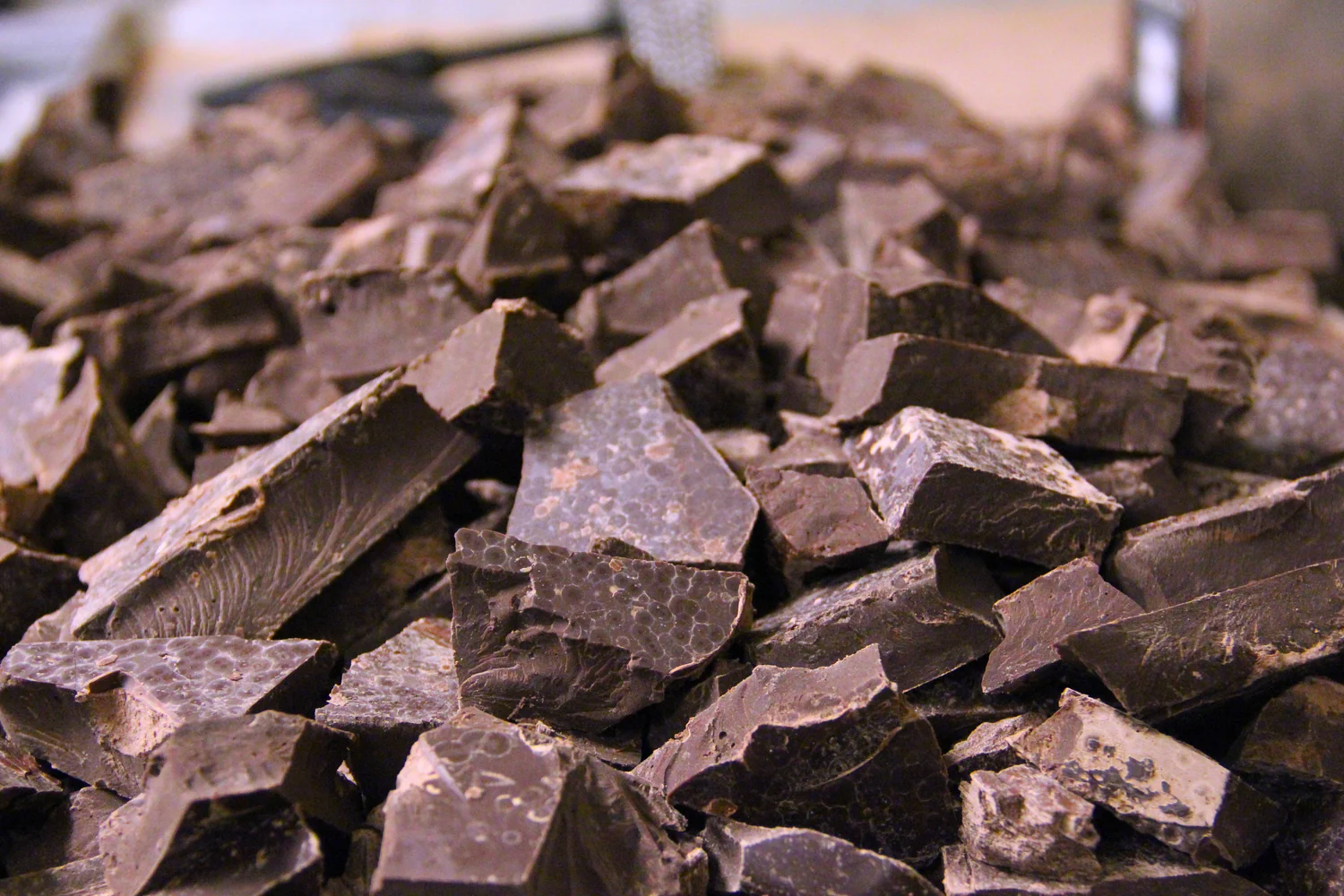
Nibs ground until the cocoa butter melts into a paste
Solid blocks once set
Dark chocolate, couverture and pressing
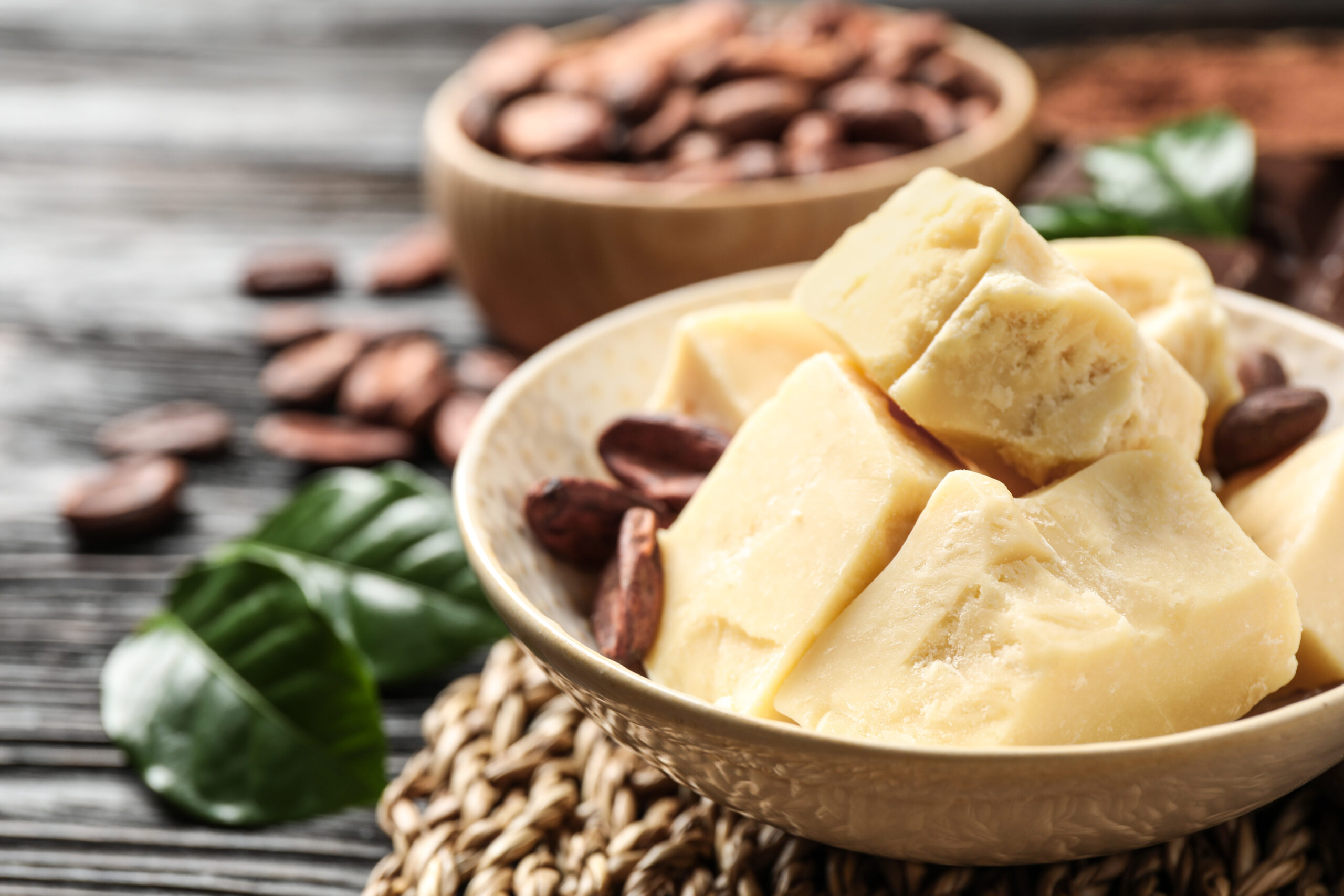
The natural fat pressed out of cocoa mass
Pale, solid fat
Chocolate, confectionery and cosmetics
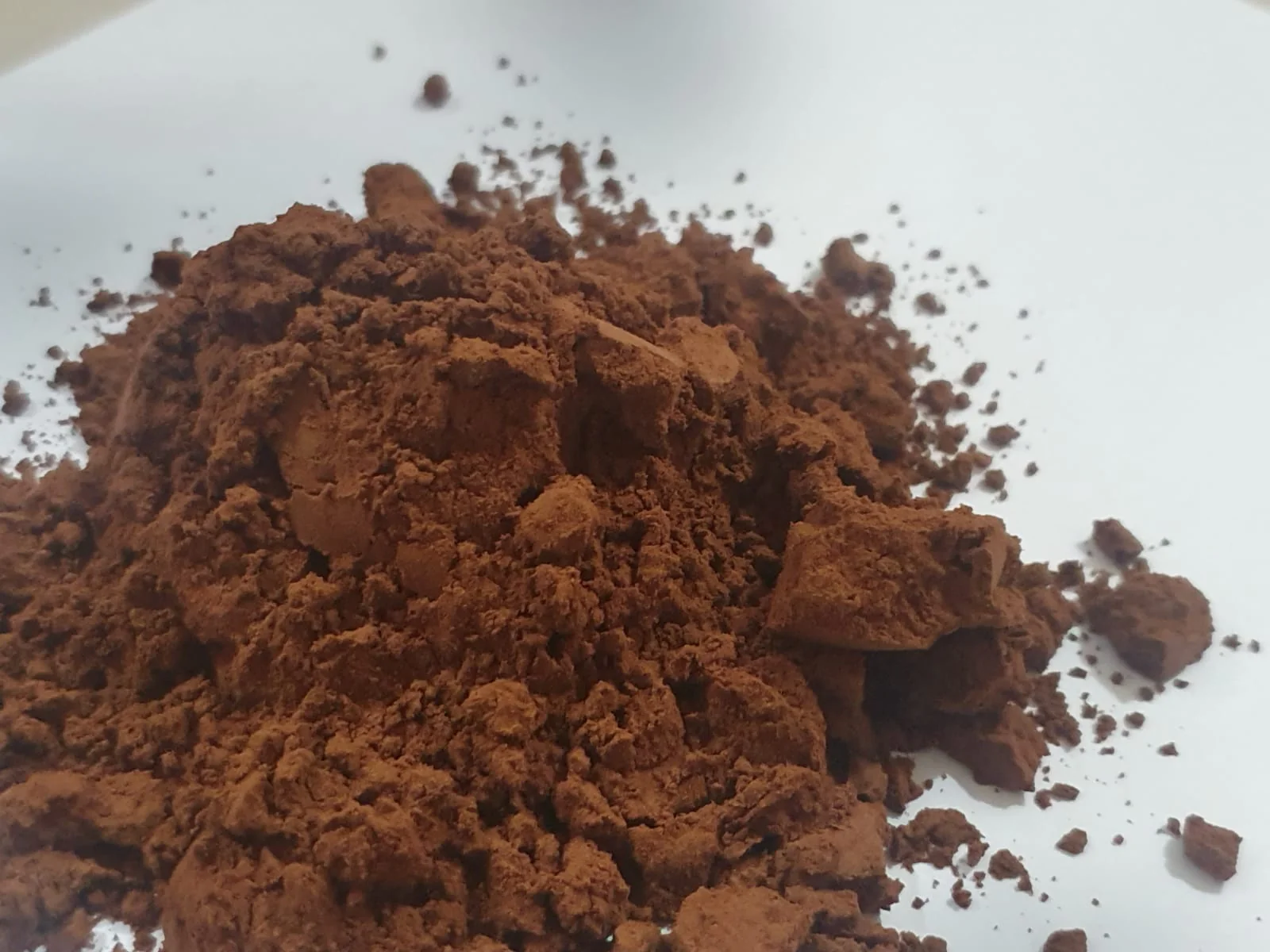
The pressed cake left after the butter is removed, then milled
Fine powder
Baking, drinks, ice cream and coatings
Applications
Cocoa nibs are ground into cocoa mass for chocolate, and used whole in baking, confectionery, breakfast foods, snacks, ice cream and drinks, wherever a crunchy, unsweetened cocoa ingredient is wanted.

Ground and refined into dark chocolate, with full control of origin and flavour.
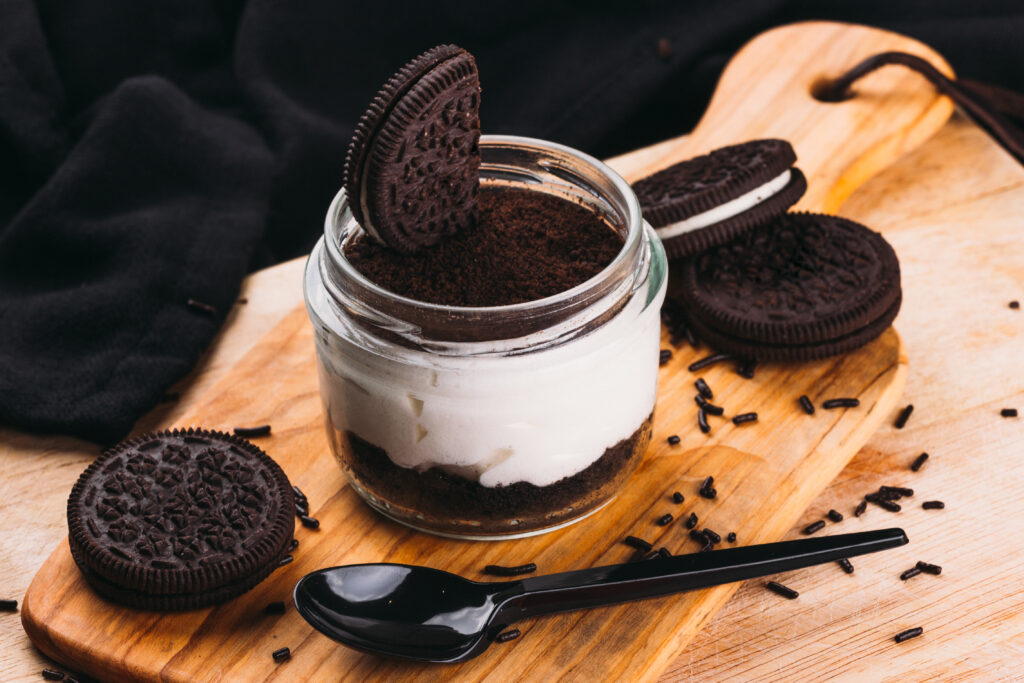
Folded into cookies, brownies, scones and breads for crunch and a deep cocoa bite.

Scattered over chocolate bark, truffles and tarts as a crisp, bitter finish.

Blended into smoothies or steeped like tea for a cocoa infusion.
Sprinkled over yoghurt, porridge and granola for texture without added sugar.
Mixed with dried fruit and nuts for a crunchy, unsweetened snack.
Stirred into ice cream, mousse and puddings as a crunchy cocoa inclusion.
Added to chilli, mole, spice rubs and sauces for a bitter cocoa note.
Buying checks
Compare cocoa nib offers on six measurable points: shell, foreign matter, moisture, piece size, aroma and food safety.
Shell left after winnowing gives a gritty texture and off-flavours.
Radad: maximum 1.75%
Stones, dirt and other extraneous matter should be close to zero.
Radad: maximum 0.5%
Dry nibs stay crisp and resist mould in storage.
Radad: maximum 3.5%
Even pieces grind, bake and look consistent in finished products.
Radad: 3 to 7 mm, at least 80%
Nibs should smell of roasted cocoa, with no mould or smoke.
Radad: clean roasted cocoa aroma
Microbiological and aflatoxin limits should be stated on the specification sheet.
Radad: Salmonella not detected in 25 g
Bulk supply
Send Radad your quantity, destination and intended use. We reply with a quote and the full specification sheet, and once you confirm we arrange supply in 25 kg cartons on FOB or CIF terms, to buyers in the UAE and worldwide.
Send your enquiryTell us the quantity, destination, piece size and what you will use the nibs for.
Receive your quoteThe Radad team replies with a quote and the specification sheet.
Confirm and arrange supplyAgree the details with us and we arrange supply and shipping.
Storage and handling: keep cocoa nibs at 15 to 22 °C and no more than 65% relative humidity, in a clean, dry, odour-free place, and use the oldest stock first.
FAQs
Select a question to read the answer.
About cocoa nibs
Cocoa nibs are the broken kernels of fermented, dried and roasted cocoa beans, left after the beans are cracked and the shell is winnowed away. They are 100% cocoa with nothing added, and they are the raw material for cocoa mass, cocoa butter and cocoa powder.
Radad cocoa nibs are roasted. The beans are roasted before cracking and winnowing, which gives the nibs a dark brown to reddish-brown colour and a clean roasted cocoa aroma.
A cocoa bean is the whole fermented, dried seed with its shell. A cocoa nib is the kernel of the bean after roasting, cracking and removing the shell. Nibs are ready to use, while whole beans still need to be processed.
No. Cocoa nibs are crunchy pieces of cocoa kernel. Cocoa mass, also called cocoa liquor, is made by grinding nibs until the cocoa butter melts into a smooth paste, which sets into solid blocks as it cools.
Roasted cocoa nibs taste intensely of dark chocolate, bitter and unsweetened, with a crisp crunch. Because they contain no sugar, they are usually paired with something sweet or creamy.
Fermented, dried cocoa beans are cleaned and sorted, roasted, cracked into pieces and winnowed, which means air currents carry the light shell away. The nibs are then sieved to 3 to 7 mm and packed in 25 kg cartons.
Properties and specifications
Radad cocoa nibs contain 50 to 57% fat. This fat is natural cocoa butter, which is why nibs melt into a smooth paste when they are ground into cocoa mass.
Moisture is 3.5% at most. Low moisture keeps the nibs crisp and stable in storage.
Radad cocoa nibs are graded to 3 to 7 mm, with at least 80% of the nibs by weight in that range. Some natural size variation and a small share of fines are normal. Tell us if you need a different size.
Shell content is 1.75% at most, and foreign matter such as stones and dirt is 0.5% at most.
Cocoa kernels contain theobromine, typically 0.9 to 3.0%, and a much smaller amount of caffeine, typically 0.05 to 0.36%. Levels vary with the beans, so treat nibs as a mildly stimulating food.
Total plate count is 10,000 CFU/g at most, yeast and mould 500 CFU/g at most and Enterobacteriaceae 100 CFU/g at most. Salmonella and E. coli must not be detected in 25 g.
Yes. Total aflatoxins (B1, B2, G1 and G2) are limited to below 4 µg/kg, and aflatoxin B1 to below 2 µg/kg.
No. Cocoa nibs are a single-ingredient product. None of the 14 major food allergens is present or at risk of cross-contact, and no genetically modified organisms or transgenic cocoa beans are used.
Cocoa nibs fall under HS code 1801.00, which covers cocoa beans, whole or broken, raw or roasted. Confirm the code with your customs broker for your import market.
Uses and buying
Cocoa nibs are ground into cocoa mass for chocolate, and used whole in cookies, brownies, granola, chocolate bark, ice cream, smoothies, cocoa tea and savoury dishes such as mole and chilli.
Yes. Roasted cocoa nibs can be eaten as they are. They are crunchy, bitter and unsweetened, so most people mix them with fruit, nuts, yoghurt or sweet foods.
Store cocoa nibs at 15 to 22 °C and no more than 65% relative humidity, in a clean, dry, odour-free place, and use the oldest stock first. Stored this way, they have a shelf life of 24 months from production.
Cocoa nibs are packed in corrugated cartons of 25 kg with an inner polyethylene bag.
Yes. Cocoa nibs are available in our online shop in 1, 5, 10 and 25 kg packs. For larger volumes, request a quote.
Yes. Radad International supplies buyers in Dubai, the wider UAE and around the world, on FOB and CIF terms. Tell us your destination, quantity and intended use, and we will reply with a quote.
Use the Request a Quote button on this page, or message us on WhatsApp at +971 522 501 039. Tell us the quantity, destination, piece size and use, and we will send a quote together with the specification sheet.
More from Radad
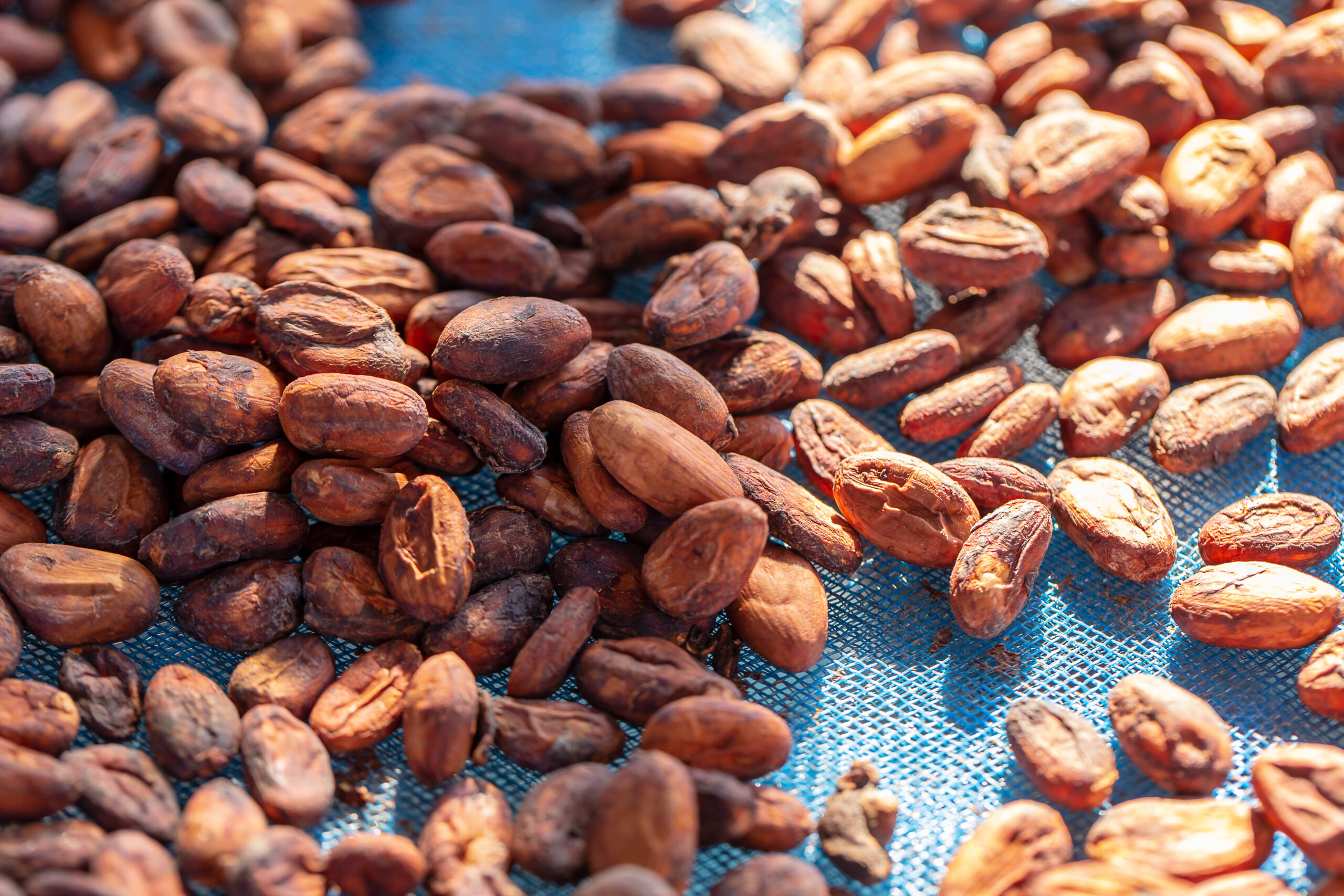
Key specifications
Moisture
Max 7.5%
Well-fermented
At least 80%
Bean count
70 to 100 per 100 g
Packing
62.5 kg jute bags
Key specifications
Fat on dry matter
52 to 56%
Moisture
Max 1.5%
Fineness (75 µ)
Min 99.6%
Packing
25 kg cartons
Key specifications
Full melting point
32 to 35 °C
Free fatty acids
Max 1.75%
Moisture
Max 0.01%
Packing
25 kg cartons

Key specifications
pH
5.4 to 6.6
Fat
10 to 12%
Moisture
Max 5.0%
Shelf life
24 months
Key specifications
pH
6.7 to 7.2
Fat
10 to 12%
Moisture
Max 5.0%
Shelf life
24 months
Key specifications
Product
Cocoa bean shells
HS code
1802.00
Specification
Sent on request
WhatsApp us