The United Arab Emirates has emerged as one of the most dynamic and lucrative chocolate markets in the Middle East region. With a unique blend of high purchasing power, diverse demographics, and a deeply rooted gifting culture, the UAE chocolate market presents exceptional opportunities for manufacturers, distributors, and retailers.
Retail chocolate sales passed half a billion US dollars in 2025 and keep growing faster than in most mature markets, even after the sharpest cocoa price swings in decades. Global giants such as Mars, Ferrero and Mondelez sell the volume, while Emirati and regional names such as Al Nassma, Mirzam, Patchi, Bateel and FIX Dessert Chocolatier lead the premium and gifting end, and a single pistachio and kunafa bar from Dubai changed what chocolate shoppers around the world expect.
Overview
The UAE chocolate market was worth about USD 537.30 million in 2025 and USD 566.68 million in 2026, and is projected to reach USD 739.39 million by 2031, a compound annual growth rate of 5.47%. That makes the UAE the fastest-growing chocolate market in the Middle East, although Saudi Arabia remains the largest. Residents eat roughly 2.5 to 3 kg of chocolate per person each year, and almost 20 million international visitors to Dubai add strong souvenir and duty-free demand.
Milk and white chocolate hold about 56% of sales, but dark chocolate grows fastest at 7.51% a year; premium chocolate, pralines and truffles, plant-based products and online sales also outpace the market. Mars, Ferrero, Mondelez, Nestlé and Patchi lead overall, with Lindt, Godiva, Bateel, Al Nassma, Mirzam and FIX strong in premium and gifting. The viral “Dubai chocolate” turned the country into a global trendsetter: Dubai Duty Free alone sold 719 tonnes of it in 2025. Cocoa costs, pistachio supply, health labelling and the summer heat are the main pressures on the market.
In this guide
- UAE chocolate market at a glance
- Market size and growth projections
- The UAE in the Middle East
- Market segments and shares
- Leading chocolate manufacturers
- Market drivers and growth factors
- The Dubai chocolate phenomenon
- Consumer trends and Middle Eastern flavours
- Distribution channels
- Challenges and market constraints
- Future outlook and opportunities
- Key takeaways
- How Radad supports UAE chocolate makers
- FAQs
- Sources and References
2026 snapshot
UAE Chocolate Market at a Glance (2026)
USD 566.68 million
Current market size (2026)
USD 739.39 million
Projected market size (2031)
5.47%
Expected CAGR (2026 to 2031)
2.5 to 3 kg
Average chocolate consumption per person, per year
6.6% a year
UAE growth to 2031, the fastest in the Middle East
719 tonnes
Dubai chocolate sold by Dubai Duty Free in 2025
Market size
Market Overview: Size and Growth Projections
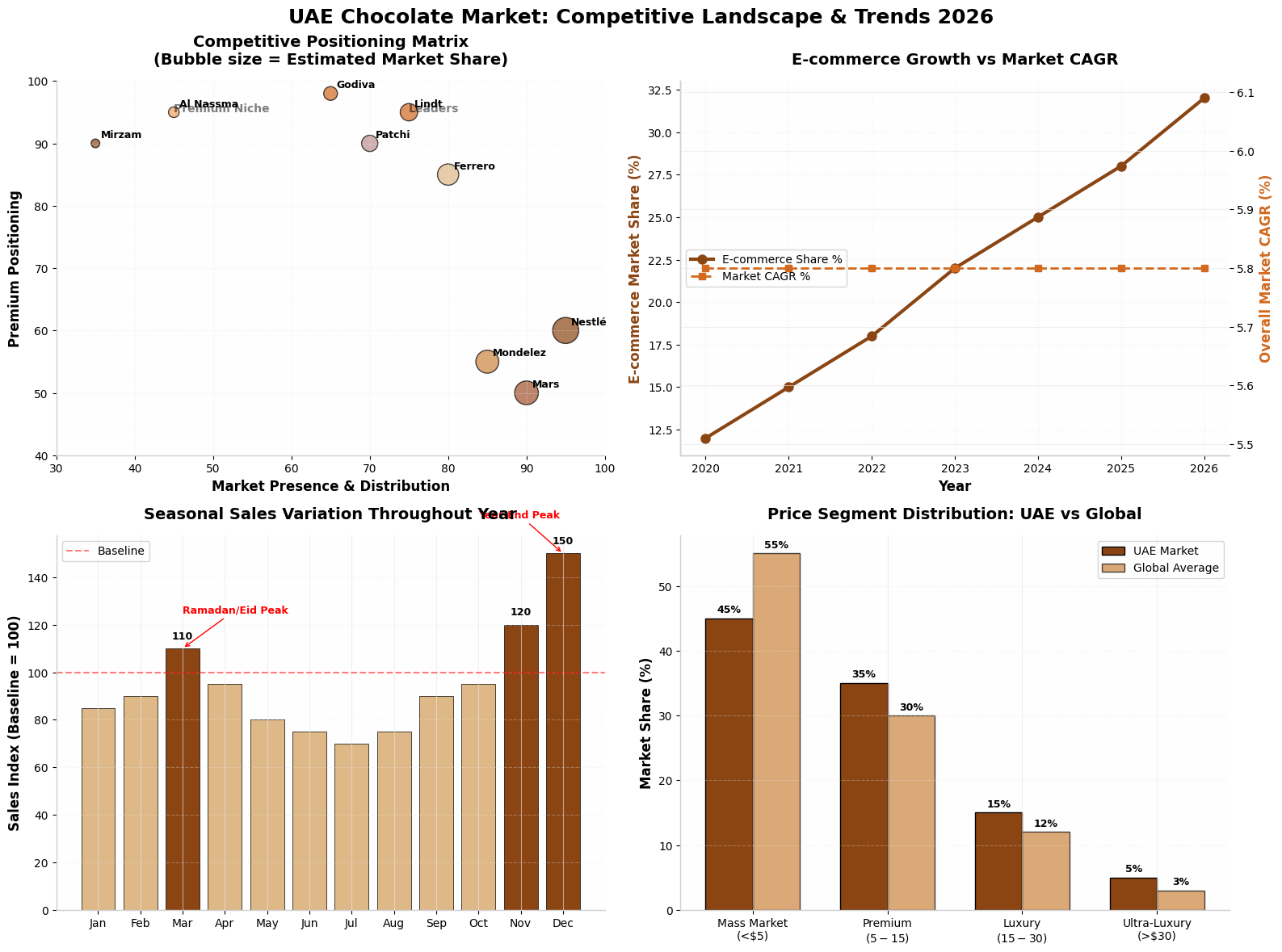
The UAE chocolate market has demonstrated remarkable resilience and consistent growth despite global economic challenges. Starting from a valuation of USD 537.30 million in 2025, the market reached USD 566.68 million in 2026 and is projected to achieve USD 739.39 million by 2031, growing at a compound annual growth rate (CAGR) of 5.47%.
What makes this market particularly fascinating is its unique combination of high per-capita income, diverse expatriate demographics, and a strong gifting culture that drives consistent demand throughout the year. From the viral “Dubai chocolate” phenomenon to the rise of camel milk chocolates, the UAE represents both a mature retail environment and an innovation hub for the global chocolate industry.
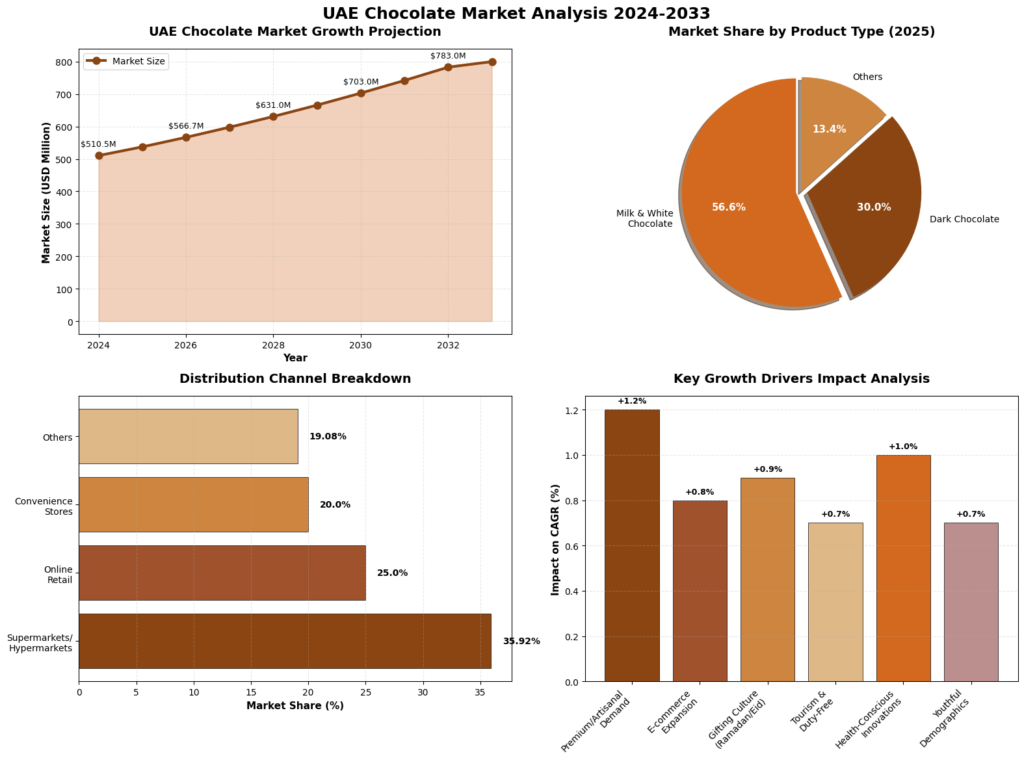
UAE chocolate market growth outlook.
This steady expansion occurred even as cocoa prices nearly doubled between 2024 and 2025, highlighting the sustained demand for premium and artisanal chocolate products in the UAE. The market appears less affected by fluctuations in raw material costs, particularly in the premium segment where consumers prioritize quality and brand prestige over price considerations. Cocoa has since swung back: futures peaked near USD 12,900 a tonne in December 2024, fell below USD 3,000 in February 2026 and recovered to about USD 5,830 by mid-October 2026. Chocolate makers bought much of their cocoa forward at high prices, so shelf prices have eased far more slowly than the futures market.
Alternative Market Projections
Different research firms provide varying estimates, reflecting different methodologies and segment focus:
Estimate
Base value
Forecast
CAGR
What it covers
Estimate
Main estimate used in this article
Base value
USD 537.30 million (2025); USD 566.68 million (2026)
Forecast
USD 739.39 million by 2031
CAGR
5.47% (2026 to 2031)
What it covers
Retail chocolate confectionery
Estimate
Alternative retail estimate
Base value
USD 510.5 million (2025)
Forecast
USD 800.11 million by 2032
CAGR
6.63%
What it covers
Retail chocolate
Estimate
Higher-growth estimate
Base value
USD 555.2 million (2025)
Forecast
USD 1.06 billion by 2033
CAGR
8.5% (2026 to 2033)
What it covers
Chocolate, wider product scope; an earlier edition forecast USD 814.7 million by 2030
Estimate
Broad-scope estimate
Base value
About USD 1.56 billion (2024)
Forecast
USD 2.35 billion by 2032
CAGR
5.3%
What it covers
Includes broader chocolate-related segments
Reading the forecasts
Variations in projections stem from differences in market segmentation, data collection methods, and inclusion of industrial vs. retail chocolate sales. All of them point the same way: steady growth of roughly 5 to 8.5% a year.
Regional position
How the UAE Compares With the Rest of the Middle East
The Middle East chocolate market is estimated at about USD 3.0 billion in 2026 and is expected to reach about USD 3.94 billion by 2031. Saudi Arabia is the largest market, with almost 44% of regional value in 2025, thanks to its much larger population. The UAE is smaller in volume but is projected to be the fastest-growing country in the region, at about 6.6% a year to 2031.
Regional hub
The UAE leads the GCC in chocolate imports, consumption per person and product innovation, and acts as a distribution hub for the broader Gulf region. Saudi Arabia, Oman, Jordan, Iraq and India are among the main buyers of chocolate re-exported from the UAE.
Share of the world market
The UAE accounts for roughly 0.4% of the global chocolate market, a large share for a country of about 11 million people.
Chocolate capital
Dubai has positioned itself as a chocolate capital through tourism, luxury retail, viral trends like Dubai chocolate, flagship stores of international brands and chocolate tourism experiences.
Segments
UAE Chocolate Market Segments and Shares (2025)
Each way of splitting the market shows the same pattern: established, everyday products hold most of today’s sales, while premium, healthier and more convenient options grow fastest.
Segment
Largest share today
Fastest growth to 2031
Segment
Chocolate type
Largest share today
Milk and white chocolate: about 56% of sales
Fastest growth to 2031
Dark chocolate: 7.51% a year, about 220 basis points faster than milk and white
Segment
Format
Largest share today
Tablets and bars: about 39% of sales
Fastest growth to 2031
Pralines and truffles: 6.76% a year
Segment
Price segment
Largest share today
Mass market: about 77% of sales
Fastest growth to 2031
Premium: about 6.65% a year
Segment
Ingredients
Largest share today
Dairy-based: about 76% of sales
Fastest growth to 2031
Plant-based (vegan): about 6.92% a year
Segment
Channel
Largest share today
Supermarkets and hypermarkets: 35.55% of sales
Fastest growth to 2031
Online retail: 6.60% a year
Product Format Preferences
Countlines (snack bars) dominate due to the “on-the-go” consumption culture in urban centers like Dubai and Abu Dhabi, where portability and convenience are paramount. This segment is bolstered by social media-led impulse buying and single-serve portions appealing to Gen Z demographics who prioritize calorie control alongside indulgence.
Pralines and truffles experience significant growth at about 6.76% CAGR (2026 to 2031), driven by popularity as premium gifting options during festive occasions. Single-origin chocolate is also growing, at about 6.70% a year, as affluent consumers value provenance, traceability and distinctive flavor profiles.
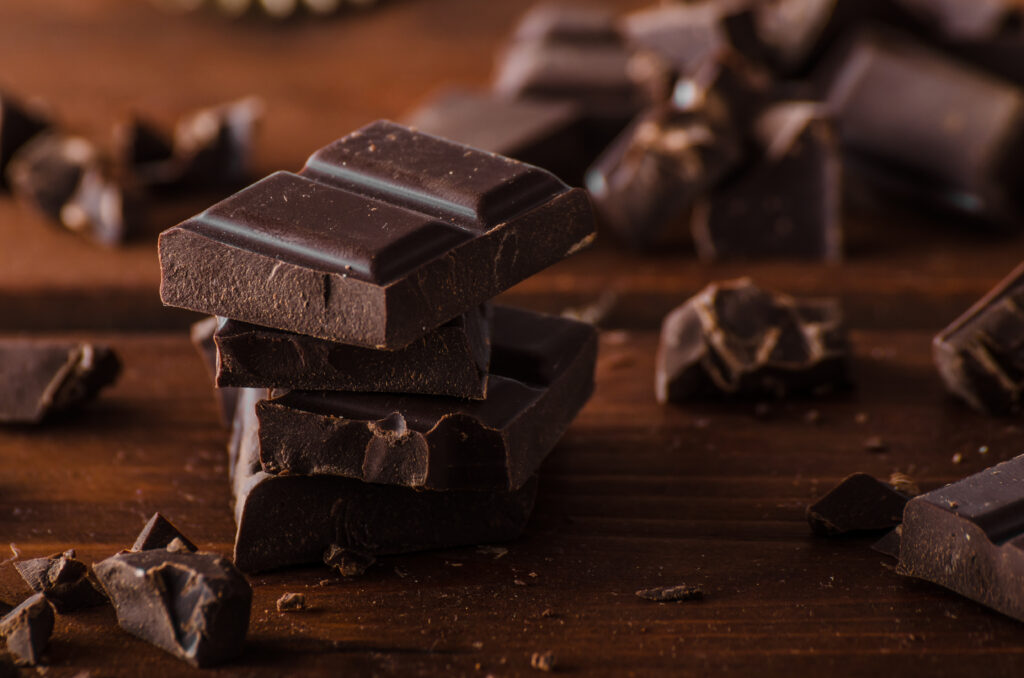
Dark chocolate is the fastest-growing chocolate type in the UAE.
Competitive landscape
Leading Chocolate Manufacturers in the UAE
The UAE chocolate market features a dynamic competitive landscape with both international giants and distinguished local artisanal brands. The market demonstrates moderately high concentration, with major multinational corporations dominating mass-market volume while premium and gifting segments are led by specialized luxury brands. Mars, Ferrero, Mondelez, Nestlé and Patchi are generally ranked as the overall market leaders.
International Chocolate Powerhouses
Mars, Incorporated
Mass-market leader
Leading mass-market player with popular brands including M&M’s, Snickers, Twix, Galaxy and Milky Way. Strong presence in supermarkets, hypermarkets, and convenience stores across all seven emirates. Mars has made chocolate in Dubai since 1998, starting with the Galaxy range, and added a Mars and Snickers bar factory in 2010 that serves markets across the GCC and beyond.
Ferrero Group
Regional headquarters in Dubai
Established a new regional headquarters in Downtown Dubai in February 2024, expanding workforce from 12 to over 400 employees. Aims to double GCC business within five years with brands like Ferrero Rocher, Nutella, and Kinder.
Mondelez International (Cadbury)
Seasonal and local marketing
Major presence with Cadbury Dairy Milk and other confectionery brands. Strong focus on localized marketing and seasonal assortments for regional festivals.
Nestlé
Premium and innovation
Introduced premium “Les Recettes De L’Atelier” line in UAE featuring sustainably sourced cocoa and exclusive flavor profiles. Partnered with Dubai AI Campus in 2024 to develop AI tools for identifying product innovation opportunities.
Lindt & Sprüngli
Swiss premium
Inaugurated flagship boutique in Dubai Mall showcasing dark and milk chocolates with live chocolate crafting workshops. Released limited-edition “Dubai Style Chocolate” bars in Europe in 2025 that sold out within hours. Launched official UAE e-shop in March 2025.
Godiva Chocolatier
Luxury gifting
Opened chocolate café and retail outlet in Dubai Mall in September 2024, showcasing the UAE’s first chocolate fountains. Strong presence in luxury gifting segment with iconic gold boxes.
Premium Local and Regional Brands
Al Nassma
The world’s first camel milk chocolate
Founded in Dubai in 2008, Al Nassma produces unique luxury chocolates using camel milk, which contains less fat and more vitamins than cow’s milk. Signature products include “Arabia” blend with cardamom and cinnamon, and macadamia-orange bars. Available at Dubai Duty Free and hotel boutiques.
Mirzam Chocolate Makers
Award-winning bean-to-bar artisan
Dubai-based chocolatier sourcing high-quality cocoa beans from Vietnam, Madagascar, Papua New Guinea, India, and Tanzania. Received five Academy of Chocolate Awards in 2025 for single-origin dark chocolate and vegan collections. Features Middle Eastern flavors including rose petals, saffron, figs, and dates. Uses traditional stone grinding methods over several days.
FIX Dessert Chocolatier
Creator of the original Dubai chocolate
Founded in Dubai in 2021 as an online, home-kitchen business, FIX created the pistachio, kunafa and tahini bar that went viral in early 2024. It now runs two stores at Dubai International Airport and one at Singapore’s Changi Airport, held its first overseas pop-up at Harrods in London from October to November 2025, and sells a range of about ten dessert bars plus seasonal editions.
Patchi
Lebanese luxury chocolatier
Operating elegant boutiques across UAE since the 1970s, Patchi is renowned for handcrafted pralines wrapped in luxurious packaging. Operates approximately 62 branches in Saudi Arabia and numerous locations in UAE malls and airports. Premium gift sets range from AED 75 to AED 1,185. Its Pistachio Kunafa Bar is a Dubai Duty Free exclusive.
Bateel
Premium date and chocolate specialist
Backed by L Catterton, the private equity firm linked to LVMH, Bateel plans to expand from under 200 to over 500 stores by 2029. Specializes in premium dates dipped in chocolate and gourmet fillings. Product pricing ranges from AED 22 for Dubai Chocolate Bar to AED 1,185 for premium gift sets.
Forrey & Galland
Luxury gift chocolate brand
Known for handcrafted chocolates with sophisticated packaging. Popular choice for corporate gifting and special occasions.
Max Chocolatier
Artisanal chocolate boutique
Offers premium handmade chocolates with unique flavor combinations and elegant presentation.
Who leads where
Mass-market volume: Mars, Mondelez, Ferrero and Nestlé. Premium gifting: Patchi, Bateel, Godiva, Lindt and Forrey & Galland. Authentic Emirati products: Al Nassma, Mirzam and FIX.
Growth drivers
Market Drivers and Growth Factors
Five forces explain why the UAE keeps growing faster than most chocolate markets:
1. High Disposable Income and Affluent Consumer Base
With a GDP per capita of about USD 54,000 in 2025, the UAE possesses one of the world’s highest purchasing power levels. This affluence enables residents to treat chocolate not merely as a snack but as a luxury indulgence. Consumers in Dubai and Abu Dhabi prioritize brand prestige and ingredient quality over price, creating fertile ground for international luxury brands and high-end local boutiques to thrive.
2. Tourism and Duty-Free Purchases
As a premier global destination, Dubai welcomed a record 19.59 million international overnight visitors in 2025. Tourism drives substantial chocolate sales through:
- Dubai International Airport duty-free shops carrying extensive premium chocolate selections; Dubai Duty Free’s confectionery sales reached USD 231.6 million in 2025
- Hotel boutiques and luxury mall retailers targeting tourists seeking authentic UAE souvenirs
- Chocolate tourism experiences at factories like Mirzam and Al Nassma
- Dubai Duty Free selling over 1.2 million units of viral “Dubai chocolate” bars in 2024 alone, and 719 tonnes across 13 brands in 2025
3. Cultural Gifting Traditions
The UAE’s gifting culture during Ramadan, Eid, Diwali, National Day, weddings, and corporate events drives substantial demand for premium presentation and packaging. Chocolate is deeply integrated into hospitality and celebration customs across the multicultural population.
4. Health-Conscious Consumer Evolution
Health awareness is reshaping consumption patterns in the UAE:
- Dark chocolate growth: expanding at 7.51% CAGR, outpacing milk and white variants by approximately 220 basis points. Consumers recognize antioxidant benefits and health properties of 70%+ cocoa content.
- Functional chocolate: growing demand for sugar-free options using stevia and monk fruit, vegan formulations, and products incorporating superfoods like quinoa and chia seeds.
- Premium health positioning: consumers justify chocolate as wellness investments rather than occasional treats.
5. E-Commerce and Digital Retail Expansion
Online retail is growing at 6.60% CAGR through 2031:
- Platforms like Talabat, Noon, and Carrefour Now offering 30-minute delivery commitments
- Brand-direct e-commerce from Lindt, Patchi, and others
- AI-powered vending machines with personalized recommendations in malls and airports
- Social media-led impulse buying through Instagram and TikTok
Case study
The Viral Dubai Chocolate Phenomenon
The 2024 to 2025 “Dubai chocolate” trend, a milk chocolate bar filled with pistachio cream, tahini and crispy kataifi pastry, was originally created by FIX Dessert Chocolatier’s Sarah Hamouda in 2021. It generated over 120 million TikTok views and disrupted international markets. This viral success:
- Drove pistachio prices up 34% globally, from USD 7.65 to USD 10.30 per pound
- Prompted major brands like Lindt, Häagen-Dazs, Trader Joe’s, and Crumbl Cookies to create pistachio-inspired products
- Positioned the UAE as a chocolate trendsetting hub rather than merely a consumption market
- Resulted in U.S. pistachio supplies falling 20% between February 2024 and February 2025
- Led Iran to export 40% more pistachios to UAE from September 2024 to March 2025
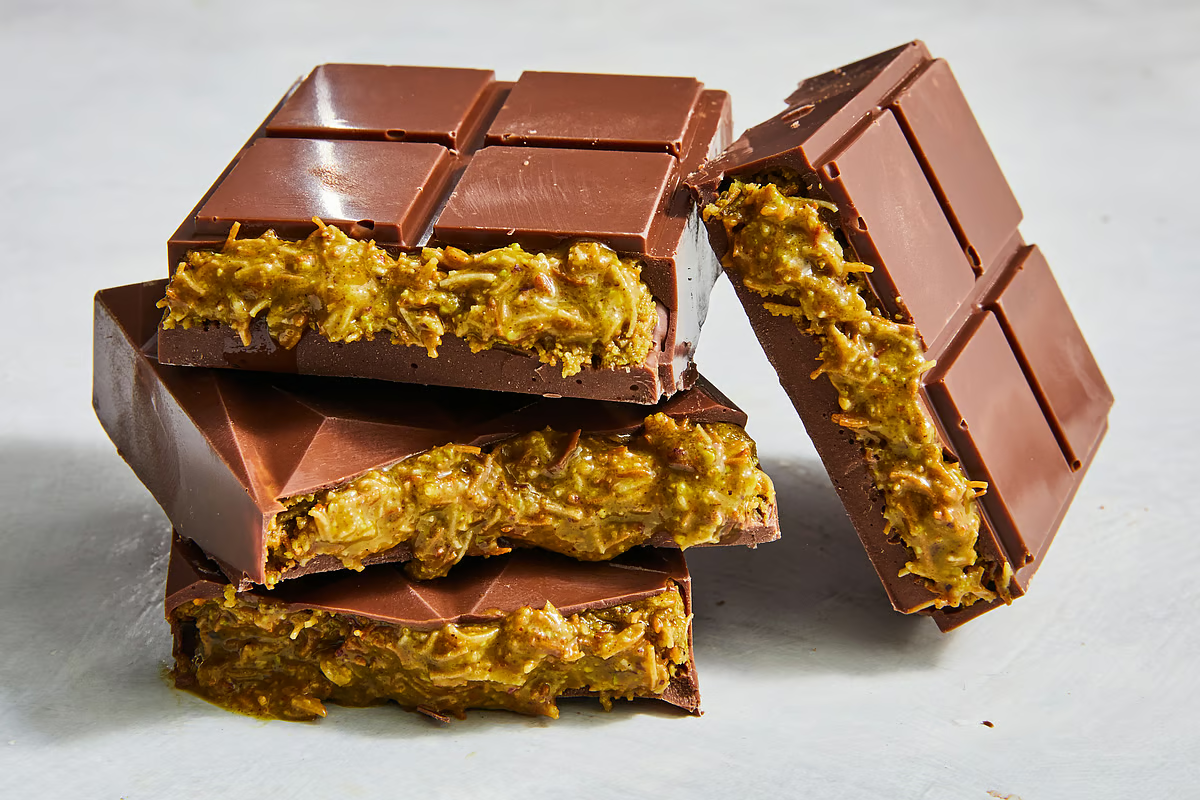
Dubai chocolate: milk chocolate, pistachio cream, tahini and crispy kataifi.
Where the Trend Stands in 2026
A category of its own
Dubai Duty Free now treats Dubai chocolate as its own sub-category. It sold 719 tonnes across 13 brands in 2025, including two duty-free exclusives.
More than 40 brands
Over 40 brands and retailers worldwide, including Patchi, Lindt and Galaxy, have launched their own kunafa and pistachio bars.
Beyond the bar
The flavour has moved into doughnuts, ice cream, spreads, coffee drinks and bakery products, while FIX keeps adding new bars and limited editions.
Consumer trends
Consumer Trends and Unique Middle Eastern Flavours
The UAE market embraces regional ingredients that differentiate it from traditional European chocolate markets. These flavours appeal to both local consumers and international tourists seeking authentic experiences:
Dates
Chocolate-covered dates and date-filled chocolates
Camel Milk
Unique to UAE, offering distinctive taste and nutritional benefits
Pistachio
Major trend ingredient, especially after Dubai chocolate phenomenon
Saffron
Premium ingredient adding luxury positioning
Rose Water and Rose Petals
Traditional Middle Eastern flavoring
Cardamom
Aromatic spice popular in regional cuisine
Tahini
Sesame paste providing nutty depth
Kunafa / Kataifi
Crispy shredded phyllo pastry adding texture
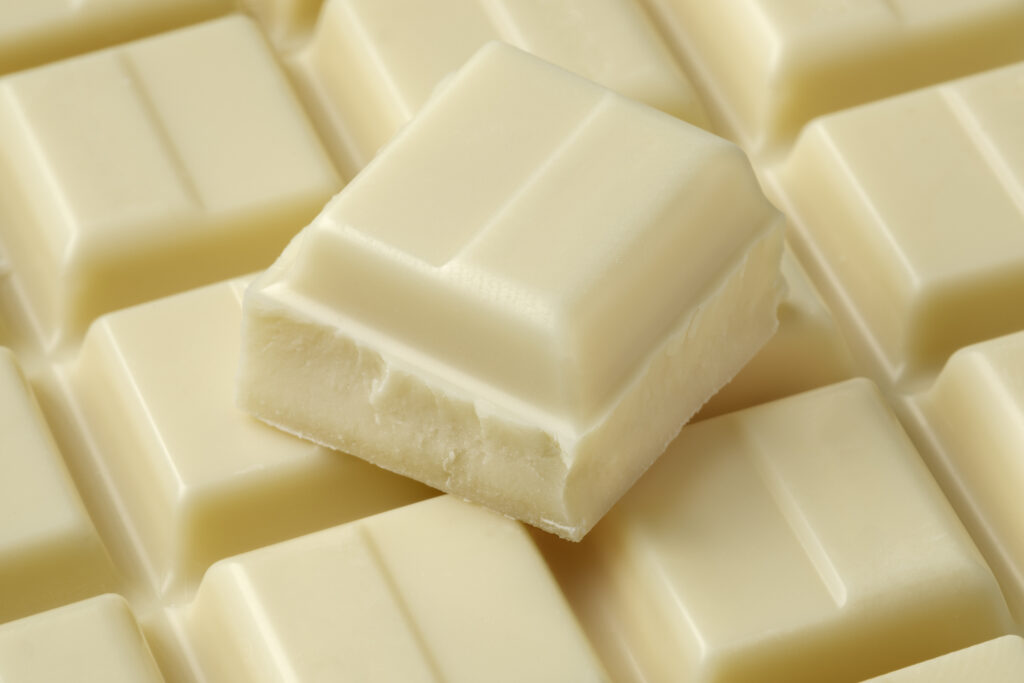
Milk and white chocolate still hold the largest share of UAE sales.
Retail
Distribution Channels
Supermarkets and Hypermarkets (35.55% Market Share)
Leading retailers dominating chocolate sales:
- Carrefour: offers extensive range including Lindt, Godiva, Patchi, Toblerone, Hershey’s, Nestlé, and Ferrero Rocher in gourmet sections
- Lulu Hypermarket: competitive pricing and wide selection
- Spinneys: premium positioning with specialty chocolates
- Waitrose: high-end selection targeting affluent consumers
These retailers attract consumers through extensive product assortments, competitive promotional pricing, and strategically placed impulse-purchase items at checkouts and end-caps.
Online Retail (Growing 6.60% CAGR)
E-commerce platforms are rapidly closing the gap with traditional retail through:
- Quick-commerce services offering 30-minute delivery
- Brand direct-to-consumer platforms
- Specialized chocolate marketplaces
- Social commerce through Instagram and TikTok
Specialty Boutiques and Flagship Stores
Luxury brands operate standalone boutiques in premium locations:
- Dubai Mall (Lindt, Patchi, Godiva, Mirzam outlets)
- Mall of the Emirates
- City Walk
- Hotel lobbies and luxury developments
Duty-Free and Airport Retail
Dubai International Airport represents a significant channel for both local specialty chocolates (Al Nassma, Mirzam, Patchi, FIX) and international luxury brands. Confectionery made up almost 10% of Dubai Duty Free’s record USD 2.4 billion sales in 2025.
Challenges
Challenges and Market Constraints
1. Rising Raw Material Costs
Cocoa prices nearly doubled between 2024 and 2025 due to climate change impacting cocoa-growing regions in West Africa, supply chain disruptions and increased global demand. Prices fell sharply in early 2026 but remain volatile, and recipes and pack sizes changed during the spike. Additionally, the pistachio shortage driven by Dubai chocolate trend and drought conditions in Iran and Turkey has increased ingredient costs for specialty products.
2. Regulatory Environment
Abu Dhabi’s Nutri-Mark labeling system grades products from A to E on sugar and fat content and became mandatory for its first product groups in June 2025, prompting producers to reformulate toward darker or reduced-sugar profiles to meet health standards and consumer expectations. Since January 2026, the UAE also taxes sweetened drinks by sugar content, which affects chocolate and cocoa beverages. Products sold as halal must be certified under the national halal programme.
3. Climate and Logistics
Desert climate and absence of local cocoa farming necessitate:
- Sophisticated cold-chain logistics
- Climate-controlled storage and retail environments
- Import dependencies from Switzerland, Belgium, France, Italy, and cocoa-producing countries
4. Intense Competition
The market faces competition from both established global brands and emerging artisanal players, requiring continuous innovation in flavors, packaging, and marketing strategies. More than 40 brands now sell a version of Dubai chocolate alone.
Outlook
Future Outlook and Opportunities
Premiumization Trend Continuation
Premium chocolate segment is projected to grow at nearly 7% CAGR through 2030, significantly outpacing mass-market trajectory. This shift reflects:
- Growing consumer preference for experiential retail
- Appeal of provenance storytelling and single-origin cocoa
- Demand for artisanal craftsmanship and limited editions
- Sustainability and ethical sourcing becoming purchasing factors
Technology Integration
- AI and data analytics: brands like Nestlé partnering with Dubai AI Campus to identify innovation opportunities
- Smart vending: AI-powered machines with personalized recommendations
- AR/VR experiences: virtual tasting experiences educating consumers about chocolate origins and production
- Blockchain: traceability for ethically sourced ingredients
Expansion of Local Manufacturing
Growing trend toward establishing local production facilities:
- Pure Ice Cream Company broke ground on new facility in Dubai Industrial City in May 2025
- DMCC announced a Cacao Centre in April 2026 with services for grading, storage, blending and processing cocoa into liquor, butter and powder in Dubai
- Increased focus on UAE as regional chocolate innovation and export hub
- Development of specialized chocolate-making infrastructure
Sustainable and Ethical Sourcing
Consumers increasingly prioritize:
- Fair-trade certified cocoa
- Organic certifications
- Carbon-neutral production methods
- Eco-friendly packaging solutions
Cross-Category Innovation
Dubai chocolate trend demonstrates potential for flavor profile expansion into:
- Beverages (pistachio lattes, chocolate-infused specialty coffee)
- Ice cream and gelato
- Bakery products (croissants, macarons, cookies)
- Spreads and toppings
Plant-Based and Better-for-You
Plant-based chocolate is growing at about 6.9% a year, and reduced-sugar, high-cocoa and functional products keep gaining shelf space as Nutri-Mark and the sugar tax push reformulation.
Summary
Key Takeaways
The UAE chocolate market presents significant opportunities for growth and innovation in 2026 and beyond. With projected growth to USD 739.39 million by 2031, the market is characterized by:
- Strong demand for premium, artisanal, and health-focused products
- Robust tourism driving duty-free and souvenir purchases
- Cultural gifting traditions creating consistent seasonal demand
- Growing e-commerce and digital retail channels
- Successful integration of Middle Eastern flavors creating global trends
- Opportunities for both mass-market efficiency and premium positioning
Success in this market requires understanding the sophisticated, multicultural consumer base, investing in quality and innovation, and leveraging both traditional retail and emerging digital channels. The UAE’s position as a chocolate trendsetter, demonstrated by the viral Dubai chocolate phenomenon, underscores its strategic importance in the regional and global chocolate industry.
For UAE manufacturers
How Radad International Supports the UAE Chocolate Market
At Radad International, we are proud to supply premium cocoa products that power the UAE’s chocolate industry, from global brands’ local lines to the artisan makers behind the next viral bar.
Product
Application
Specification
Product
Alkalized Cocoa Powder
Application
Chocolate beverages, ice cream, baked goods
Specification
10/12% and 20/22% fat, various pH levels
Product
Natural Cocoa Powder
Application
Premium baking, health products
Specification
High-flavanol, single-origin options
Product
Cocoa Butter
Application
Chocolate manufacturing, cosmetics
Specification
Deodorized and natural grades
Product
Cocoa Liquor/Mass
Application
Industrial chocolate production
Specification
Various cocoa origins
Product
Chocolate Couverture
Application
Artisan and industrial use
Specification
Dark, milk, and white varieties
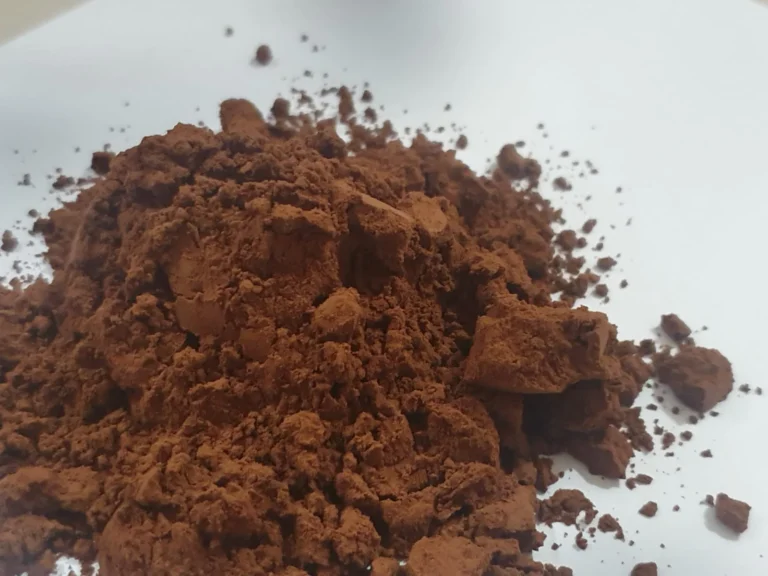
Cocoa powder
Alkalized Cocoa Powder
Darker, milder powder for beverages, ice cream and baking.
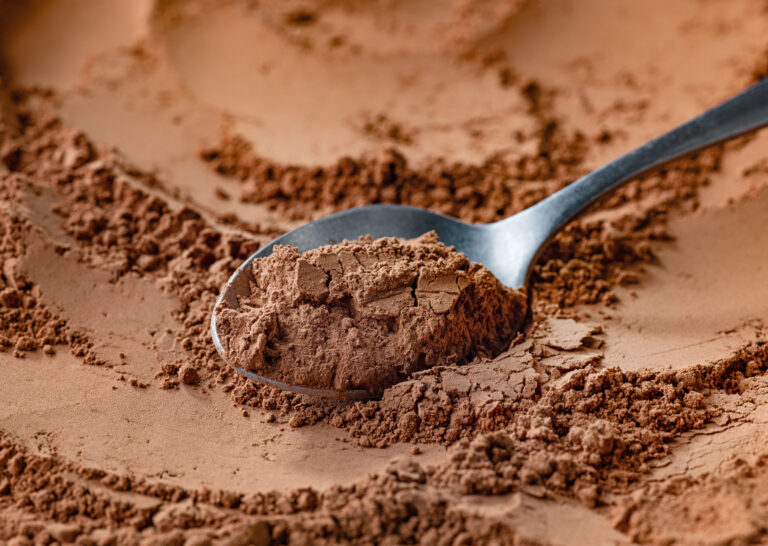
Cocoa powder
Natural Cocoa Powder
Non-alkalized powder for premium baking and health products.
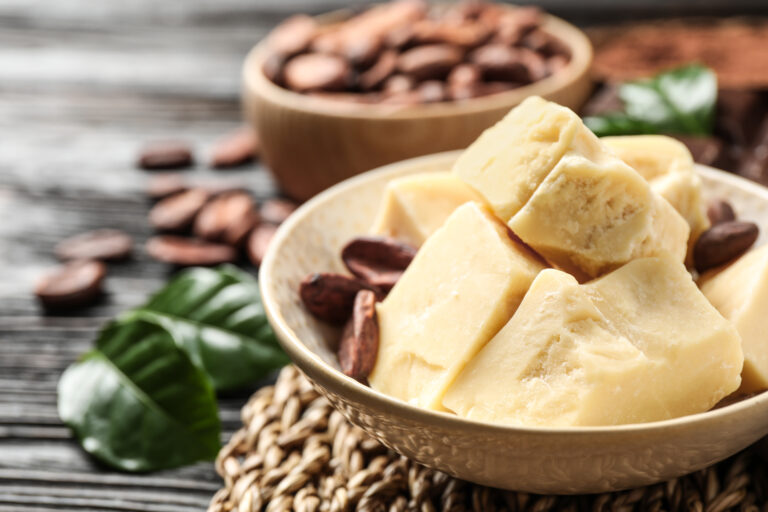
Cocoa butter
Natural Cocoa Butter
Pressed, filtered butter with its cocoa aroma, for chocolate making.
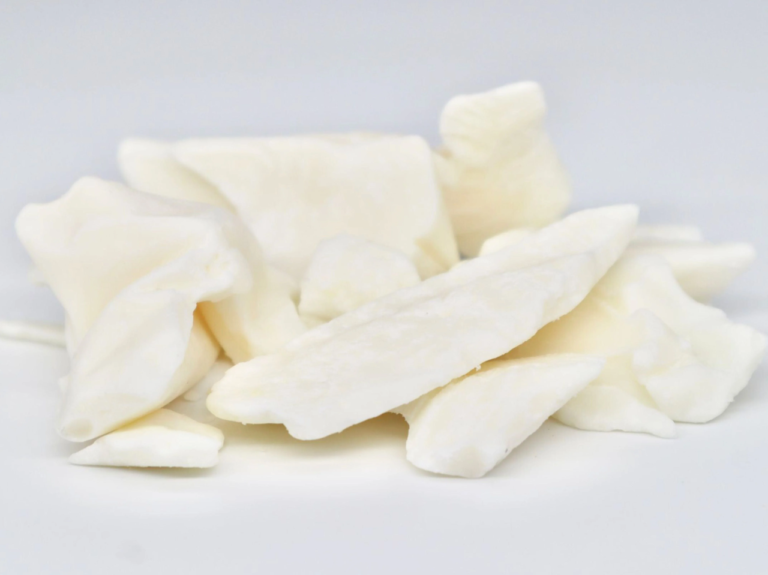
Cocoa butter
Deodorized Cocoa Butter
Neutral, near-white butter for white chocolate and cosmetics.
Work with Radad International
Buy Cocoa Ingredients for Your UAE Chocolate Production
Radad International supplies premium cocoa products to chocolate manufacturers across the Middle East, including the UAE, Saudi Arabia, and Kuwait, with consistent quality and technical support. Tell us your product, volumes and grades, and we will send a specification, a sample and a market-linked quote on FOB or CIF terms.
Or email info@radadinternational.com · +971 522 501 039
Questions
Frequently Asked Questions
What is the current size of the UAE chocolate market in 2026?
The UAE chocolate market is valued at approximately USD 566.68 million in 2026, with projections to reach USD 739.39 million by 2031, growing at a CAGR of 5.47%. Different research methodologies produce varying estimates, but all indicate consistent growth of roughly 5 to 8.5% a year.
Who are the leading chocolate manufacturers in the UAE?
The market is led by international brands including Mars, Ferrero, Mondelez (Cadbury), Nestlé, Lindt & Sprüngli, and Godiva for mass-market volume. Premium and gifting segments are dominated by specialized brands like Patchi, Al Nassma, Mirzam, Bateel, FIX Dessert Chocolatier and Forrey & Galland. Both segments show strong performance and growth.
What makes Al Nassma unique in the UAE chocolate market?
Al Nassma is the world’s first camel milk chocolate brand, offering a distinctive taste and nutritional benefits. Camel milk contains less fat and higher levels of vitamins and minerals compared to cow’s milk. The brand successfully positions itself as a uniquely Emirati luxury product, popular with tourists and gift buyers.
What is “Dubai chocolate” and why did it become so popular?
Dubai chocolate refers to a milk chocolate bar filled with pistachio cream, tahini, and crispy kataifi (shredded phyllo pastry), originally created by FIX Dessert Chocolatier’s Sarah Hamouda in 2021. It went viral on TikTok in 2024 with over 120 million views, becoming a global phenomenon. The trend drove pistachio prices up 34% globally and inspired major brands worldwide to create similar products. Dubai Duty Free sold over 1.2 million bars in 2024 and 719 tonnes across 13 brands in 2025.
What are the main distribution channels for chocolate in the UAE?
Supermarkets and hypermarkets account for 35.55% of market share (Carrefour, Lulu, Spinneys, Waitrose), while online retail is growing rapidly at 6.60% CAGR through platforms like Talabat, Noon, and Carrefour Now. Other important channels include specialty chocolate boutiques in luxury malls, duty-free shops at Dubai International Airport, hotel boutiques, and brand-direct e-commerce platforms.
What are the key growth drivers for the UAE chocolate market?
Primary growth drivers include: (1) high disposable income with GDP per capita of about USD 54,000; (2) tourism, with a record 19.59 million international visitors to Dubai in 2025; (3) strong cultural gifting traditions during Ramadan, Eid, and other celebrations; (4) growing health consciousness driving demand for dark chocolate and functional products; (5) e-commerce expansion with quick-commerce delivery; (6) innovation in Middle Eastern flavors creating viral global trends.
How much chocolate do people in the UAE consume annually?
On average, individuals in the UAE consume approximately 2.5 to 3 kilograms of chocolate per year, representing one of the highest consumption rates in the Middle East. This is driven by the large expatriate population (especially from Europe and Asia where chocolate is a dietary staple), affluent lifestyles, and chocolate’s integration into everyday social and professional interactions.
What chocolate types are growing fastest in the UAE market?
Dark chocolate is the fastest-growing segment, expanding at 7.51% CAGR and outpacing milk and white variants by approximately 220 basis points. This growth is driven by health-conscious consumers recognizing antioxidant benefits of 70%+ cocoa content. Single-origin chocolate is also growing rapidly at 6.70% CAGR, and pralines and truffles at about 6.76%, as affluent consumers value provenance, traceability, and gifting.
What are the main challenges facing the UAE chocolate market?
Key challenges include: (1) volatile raw material costs, as cocoa prices nearly doubled between 2024 and 2025 before falling sharply in 2026; (2) pistachio shortages driven by the viral Dubai chocolate trend; (3) regulatory requirements like Abu Dhabi’s Nutri-Mark labeling and the sugar tax on sweetened drinks, prompting reformulation; (4) climate logistics requiring sophisticated cold-chain infrastructure; (5) import dependencies for all cocoa and many specialty ingredients; (6) intense competition from both global giants and local artisanal brands.
What unique Middle Eastern flavors are popular in UAE chocolate?
Popular regional ingredients include: dates (chocolate-covered and date-filled), camel milk (unique to UAE), pistachio (especially after Dubai chocolate trend), saffron (luxury positioning), rose water and rose petals, cardamom (aromatic spice), tahini (sesame paste), and kunafa/kataifi (crispy phyllo pastry). These ingredients differentiate UAE chocolate products from traditional European offerings and appeal to both local consumers and international tourists seeking authentic experiences.
Which chocolate brands are best for corporate gifting in the UAE?
Top choices for corporate and premium gifting include: Patchi (luxurious packaging with gift sets from AED 75 to 1,185), Bateel (premium date chocolates in elegant boxes), Godiva (iconic gold boxes), Lindt (Swiss quality and prestige), Forrey & Galland (sophisticated presentation), and Al Nassma (unique Emirati product for cultural authenticity). The gifting segment is particularly strong during Ramadan, Eid, National Day, and year-end corporate celebrations.
How is technology changing the UAE chocolate retail landscape?
Technology integration includes: AI-powered vending machines with personalized recommendations and mobile payments in malls and airports; e-commerce platforms offering 30-minute delivery via quick-commerce; AR/VR tasting experiences educating consumers about chocolate origins; AI analytics partnerships (like Nestlé with Dubai AI Campus) for innovation; blockchain for supply chain traceability; and social commerce through Instagram and TikTok for impulse purchases and viral marketing.
What is the future outlook for the UAE chocolate market?
The future outlook is highly positive with continued growth expected through 2031 and beyond. Key trends include: premiumization continuing at about 7% CAGR; expansion of local manufacturing and cocoa processing; increased focus on sustainable and ethical sourcing; technology integration across retail and production; cross-category innovation into beverages, ice cream, and bakery; a growing health-conscious and plant-based segment; and the UAE’s position strengthening as a regional chocolate innovation hub and trendsetter.
How does the UAE compare to other GCC chocolate markets?
Saudi Arabia is the largest chocolate market in the Middle East, with almost 44% of regional value, but the UAE is the fastest-growing, at about 6.6% a year to 2031. The UAE leads the GCC in chocolate imports, consumption per person and product innovation, acts as a distribution hub for the broader Gulf region, and accounts for approximately 0.4% of the global chocolate market.
Where can tourists buy authentic UAE chocolate brands?
Tourists can find authentic UAE chocolate at: Dubai International Airport duty-free (extensive selection of Al Nassma, Patchi, Mirzam, FIX and international brands); luxury malls including Dubai Mall, Mall of the Emirates, and City Walk (flagship boutiques); Mirzam factory in Al Quoz offering tours and direct purchases; hotel boutiques and lobbies; traditional souks for artisanal options; and online platforms with international shipping like brand websites for Al Nassma, Mirzam, Patchi, and e-commerce platforms like Noon and Amazon.
Keep reading
More Guides from Radad International
UAE demand
UAE Cocoa and Chocolate Demand
What importers should know: data, seasons and buyers.
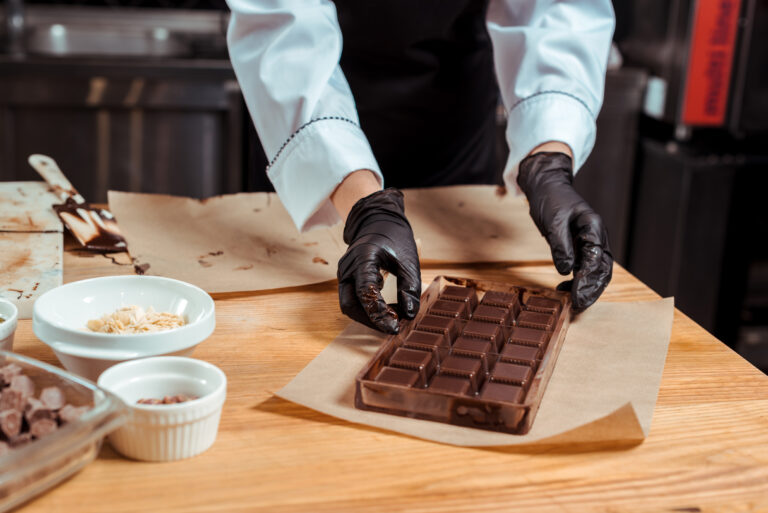
Business
Start a Craft Chocolate Business in the UAE
Business models, sourcing, licences and costing.
Sources and References
- Mordor Intelligence, United Arab Emirates chocolate market: size, share and forecast to 2031
- Data Insights Market (DiMarket), UAE chocolates market report
- Mordor Intelligence, Middle East chocolate market size and share outlook to 2031
- The Report Cube, UAE chocolate market
- Grand View Research, UAE chocolate market size and outlook, 2026 to 2033
- Verified Market Research, UAE chocolate market
- FocusEconomics, UAE GDP per capita (USD)
- Gulf News, Dubai tourism hits record as 19.59m international visitors arrive in 2025
- Moodie Davitt Report, Dubai Duty Free record 2025 sales (confectionery and Dubai chocolate)
- The National, FIX founders on creating the Dubai chocolate phenomenon (July 2026)
- The National, FIX Dubai chocolate arrives at Harrods (October 2025)
- ConfectioneryNews, Dubai chocolate craze and the global pistachio shortage (April 2025)
- Mubasher, Bateel sets sights on global market with new growth strategy (April 2025)
- Food Ingredients First, Mars opens a new chocolate bars factory in the UAE
- DMCC, DMCC to launch Cacao Centre (April 2026)
- Lexis Middle East, Abu Dhabi mandatory Nutri-Mark labelling
- KPMG, Changes to UAE excise tax rates for sweetened drinks
- Bakery and Snacks, Cocoa prices crash after 2024 record highs (March 2026)
Disclaimer: Market data and projections are based on available industry reports and research publications. Actual market performance may vary based on economic conditions, regulatory changes, and consumer behavior shifts.