FOB and CIF are the two delivery terms Radad uses to quote cocoa powder, cocoa beans and the rest of the range, and each one splits a shipment between buyer and seller in a different place. Under FOB, the seller’s job ends when the goods are on the ship at the port of loading, and you book the vessel, pay the ocean freight and decide how the cargo is insured. Under CIF, the seller books the vessel, pays freight to your destination port and buys the insurance, yet the risk of loss still passes to you at the same moment: when the cargo is on board at the loading port.
For importers, bakeries, food manufacturers and distributors buying cocoa for the first time, the gap between two quotes is rarely the full story. A CIF figure holds freight and insurance that an FOB figure leaves out, a 20ft container carries about 15 to 16 tons of cocoa product and not 20, and the minimum insurance a CIF seller must buy is narrower than many buyers assume. So before you compare prices, check three things on every quote: the delivery term, the named port and the level of insurance.
Overview
FOB (Free On Board) and CIF (Cost, Insurance and Freight) are Incoterms 2020 rules for sea freight. Both move the risk to the buyer once the cargo is on board at the port of loading, and they differ in who arranges and pays for the voyage. With FOB, the buyer nominates the vessel, tells the seller the vessel name and loading point in time, pays the freight and arranges insurance if wanted. With CIF, the seller pays the freight and buys cargo insurance for the buyer’s benefit, at the minimum level of Institute Cargo Clauses (C) and at least 110% of the contract value. That level is a named-risks cover that leaves out events such as wetting damage. In both cases the buyer handles import clearance, duties and destination-port charges.
CIF suits buyers without a freight forwarder who want one price that includes the sea journey, which is the case on most first orders. FOB suits buyers who already hold freight rates or a cargo policy and want to control that part of the cost. Whichever you choose for alkalized cocoa powder, natural cocoa powder or cocoa beans, name the port in the contract, write “Incoterms 2020” after it, and size the order in container loads.
Comparison
FOB and CIF Side by Side
Every line below is a point where two quotes can look alike and still ask different things of you.
FOB
CIF
Price includes
FOB
Goods and loading on board at the port of loading
CIF
Goods, loading, ocean freight and cargo insurance to the destination port
Books the vessel
FOB
Buyer
CIF
Seller
Pays ocean freight
FOB
Buyer
CIF
Seller, to the destination port
Cargo insurance
FOB
Not required by the term; buyer arranges it if wanted
CIF
Seller must buy it: minimum Clauses (C), at least 110% of the contract value
Export clearance and loading
FOB
Seller
CIF
Seller
Risk passes to buyer
FOB
On board at the port of loading
CIF
On board at the port of loading (same point)
Discharge, import clearance, duties and taxes
FOB
Buyer
CIF
Buyer (discharge only if not already in the freight contract)
Documents you receive
FOB
Invoice, packing list, bill of lading, certificate of analysis
CIF
The same, plus the insurance policy or certificate
Product
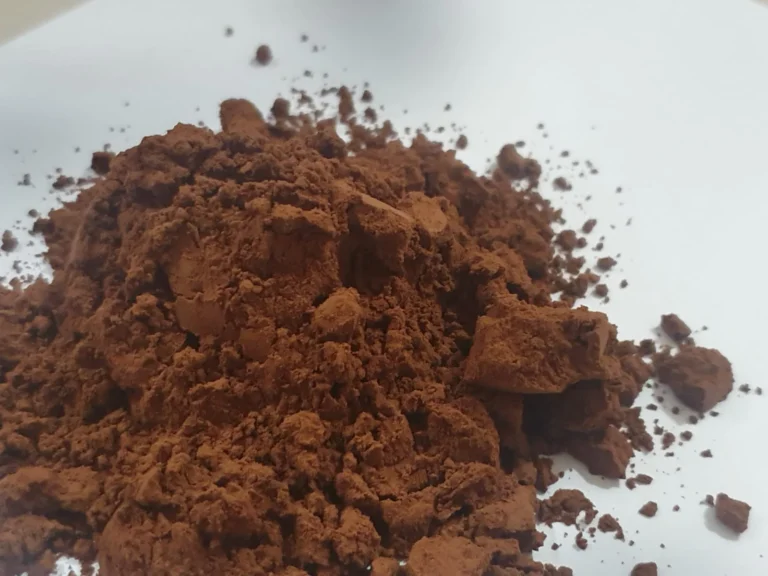
Alkalized Cocoa Powder
Dutch-process cocoa in light and dark brown, quoted FOB or CIF.

Risk and cost
Where Cost Moves and Where Risk Moves
Risk and cost change hands at the same point under FOB. Under CIF they do not, and that gap is where most misunderstandings begin.
1
Packed and delivered to the port
Seller’s cost and risk.
2
Loaded on board
The decisive point. Risk passes to the buyer under both terms. Under FOB, cost passes here too.
3
At sea
CIF: the seller has paid freight and insurance, but the buyer holds the risk.
4
Discharged at the destination port
CIF: the seller’s paid cost ends. The buyer pays from here.
5
Customs and delivery
Import clearance, duties, taxes and transport to your warehouse.
Under CIF the seller contracts the carrier, yet any loss at sea falls on the buyer. The insurance policy exists to cover that gap, which is why it travels to you with the invoice and the bill of lading, and why its level needs checking before you agree the order.
FOB
What FOB Asks of the Buyer
Under FOB, the buyer nominates the vessel and tells the seller the vessel name, the loading point inside the port and the loading time, early enough for the seller to load. The rule is direct about late notice: if the buyer does not give it and the goods cannot be loaded as a result, the risk moves to the buyer even though nothing is on the ship. The same applies when the nominated vessel runs late, because the buyer then carries the risk and the cost of storing the cargo at the port until it arrives.
In practice, book the vessel against the cargo-ready date, agree a loading window with the seller in writing, and keep your forwarder and the seller on the same message thread, so that a slipped date is known to both before the cocoa sits at the port at your cost.

Under FOB, the buyer books the vessel; under CIF, the seller does.
CIF
What CIF Includes and What It Leaves Out
A CIF price holds the goods, the loading, the ocean freight to the destination port and the cargo insurance. The seller arranges all of it and hands you the bill of lading, the invoice and the insurance policy, so you can collect the cargo and make a claim if something goes wrong.
The insurance is the part buyers check least. CIF requires only the minimum level, Institute Cargo Clauses (C), at 110% of the contract value and in the currency of the contract. That level covers a short list of major events such as fire, sinking, collision and stranding, and theft, wetting and breakage are among the risks it leaves out. Cocoa powder takes up moisture and strong smells easily, so wetting is the claim to think about first. If you want wider cover, ask for it in the contract before the order is confirmed, or place your own policy; extra cover such as war and strikes is at the buyer’s cost.
CIF also stops at the destination port. Unloading, import clearance, duties and taxes, port charges and delivery to your warehouse remain with you.
Quotes
Comparing Two Quotes on the Same Basis
A FOB quote and a CIF quote cannot be set side by side at face value. Bring both to one basis first:
1
Match the term, the port and the quantity
“CIF Jebel Ali” and “FOB [loading port]” name different ports and different obligations.
2
Put the sea journey on the same side
Add freight and insurance to the FOB quote using a quotation from your own forwarder, or ask for the same order quoted on CIF. Do not subtract guessed amounts from a CIF price.
3
Add what both leave to you
Discharge and port handling, delivery-order and documentation fees, storage or container charges if clearance runs past the free days (free days differ by shipping line and port, so ask when the booking is made), duties and taxes, the customs broker and transport to your warehouse.
Prices
Cocoa prices follow the market, so Radad does not publish fixed prices. Send the product, pack size, quantity and destination port, and ask for the order quoted on both terms.
Loading
Size the Order to the Container
A 20ft container holds about 15 to 16 tons of cocoa product, not 20. Ocean freight on a full container is priced per container, so an order that does not fill one pays the same freight on fewer tons. A 20-ton order, for instance, does not fit a single 20ft container and becomes a second, part-filled one. Quote and load in multiples of the container size, and ask for the loading plan when you confirm the order, so the quantity on the proforma invoice, the packing list and the bill of lading all match.
Choosing
Which Term Fits Your Order
CIF
First order, no forwarder
The seller books and insures the voyage, and you meet the cargo at the destination port with a customs broker. Check the insurance level and top it up if it is thin for powder.
FOB
Forwarder or contract rates
If you already buy ocean freight at a negotiated rate, FOB lets you keep that rate and control the booking. Give the seller the vessel details on time.
FOB
An open cargo policy of your own
Your policy can cover the shipment from loading onward. CIF would add a seller-bought policy you may not need.
Contract
Wording to Put in the Contract
- Term, named port and edition, written as “CIF Jebel Ali, Incoterms 2020” or “FOB [port of loading], Incoterms 2020”.
- Cargo-ready window and vessel notice date (FOB), so a late vessel does not leave you carrying the risk by default.
- Insurance level, currency and policyholder (CIF), including any cover above the minimum.
- Who pays discharge and destination handling, stated in the contract, not assumed.
- The document list: invoice, packing list, bill of lading, certificate of analysis, certificate of origin and, under CIF, the insurance certificate.
Our Terms of Trade set out the general conditions of sale.
Work with Radad International
Get Your Order Quoted on FOB and CIF
Send the product, pack size, quantity and destination port, and ask for the same order quoted on FOB and CIF. The catalogue lists the specification of every product we supply.
Or email info@radadinternational.com · +971 522 501 039
Questions
Frequently Asked Questions
What is the difference between FOB and CIF for cocoa?
Under FOB the buyer books the vessel, pays the ocean freight and arranges insurance if wanted. Under CIF the seller pays freight and buys the insurance to the destination port. Under both, the risk passes to the buyer once the cargo is on board at the port of loading.
Who pays for shipping under FOB and under CIF?
The buyer pays the ocean freight under FOB. The seller pays it under CIF, to the destination port. Under both terms the buyer pays discharge, import clearance, duties and taxes, unless the freight contract already includes discharge.
When does the risk pass to me under CIF?
When the goods are on board the vessel at the port of loading, not when they reach your port. The seller pays for the voyage, but the buyer carries the risk of loss during it, which is why the insurance policy matters.
Does CIF insurance cover water damage to cocoa powder?
Not necessarily. The minimum cover a CIF seller must buy is a named-risks level, and wetting is among the risks it leaves out. Ask for the policy terms before you confirm the order, and request wider cover or place your own policy if you want it.
Is FOB or CIF cheaper?
Neither is cheaper by itself. An FOB figure leaves out freight and insurance that a CIF figure includes, so compare them only after adding the sea journey to the FOB quote or asking for the same order quoted on both terms.
Which term should a first-time importer choose?
CIF is usually simpler for a first order, because the seller arranges the freight and insurance and you plan from the destination port. FOB suits buyers who already have a forwarder or a cargo policy.
How much cocoa fits in a 20ft container?
About 15 to 16 tons of cocoa product. Plan orders in multiples of that quantity and confirm the loading plan with the seller.
Do FOB and CIF work for container shipments?
Yes, and they are the terms Radad quotes. In the Incoterms rules, though, both are written for sea freight with the risk point on board the ship, and the rule makers point to different terms for goods handed to a carrier in a container before loading. The practical answer is to name the port and state in the contract that risk passes on board, so there is no doubt about the moment.
Do you publish prices for FOB and CIF?
No. Prices follow the market. Send the product, pack size, quantity and destination port, and ask for the order quoted on both terms.
Keep reading
Read Next
Importing
Importing Cocoa Powder for the First Time
The 8 steps in order, from spec to storage.
Quality
Cocoa Microbiological Specifications
The limits to look for in a certificate of analysis.
Sources and References
- ICC Academy, Incoterms 2020: FCA or FOB?
- ICC Academy, Incoterms 2020: FAS or FOB?
- Shipping Solutions, Incoterms 2020 CIF: Spotlight on Cost, Insurance and Freight
- Shipping Solutions, Incoterms 2020 FOB: Spotlight on Free On Board
- The Trade Hub, CIF (Cost, Insurance and Freight) and insurance obligation glossary entries
- SeaRates, CIF Incoterms: Meaning and Explanation