Good cocoa beans are well fermented, properly dried, whole, and free from mould and insects, and the standard way to check this is the cut test. You cut a sample of 300 beans lengthwise, look at the inside of each one, and count how many are brown, purple, slaty, mouldy, insect-damaged or germinated. A well-fermented bean is brown inside. A slaty bean is grey because it was never fermented, and it makes chocolate bitter and astringent. Mould inside a bean gives off-flavours that later processing cannot remove. The counts are then compared with grade limits: ISO 2451 allows Grade 1 beans no more than 3% mouldy, 3% slaty and 3% insect-damaged or germinated beans, while trade contracts often use “good fermented” (no more than 5% slaty and 5% defective) and “fair fermented” (10% and 10%). The test needs only a sharp blade, good light and a counting board, and importers, processors and chocolate makers use it to accept or reject a lot. It does not measure everything, so moisture, bean count and a taste of the cocoa liquor complete the picture.
Overview
The cut test is a visual check of the inside of cocoa beans. Fermentation turns the purple, bitter interior of a fresh bean brown and develops the precursors of chocolate flavour, so the colour of a cut bean shows how well it was fermented, and the cut surface also reveals mould, insect damage and germination that the shell hides.
The result is a set of percentages from 300 beans: a lot with more than 60% fully brown beans is generally regarded as good quality, purple beans point to short fermentation, slaty beans to none at all, and mouldy beans to slow drying or damp storage. Grade standards and contracts set the maximum for each defect, and lots above the limits are downgraded, discounted or rejected. Because it cannot detect smoky or acidic flavours, moisture problems or contaminants, the cut test is the first check on a lot, not the only one.
The standard
What a Good Cocoa Bean Looks Like
Before cutting anything, it helps to know the target. A good lot of cocoa beans scores well on four checks:
Outside
Whole, even-sized beans with no clumps, no live insects and no foreign matter. The shells should be dry and intact, and a typical main-crop lot has about 100 beans per 100 g.
Inside
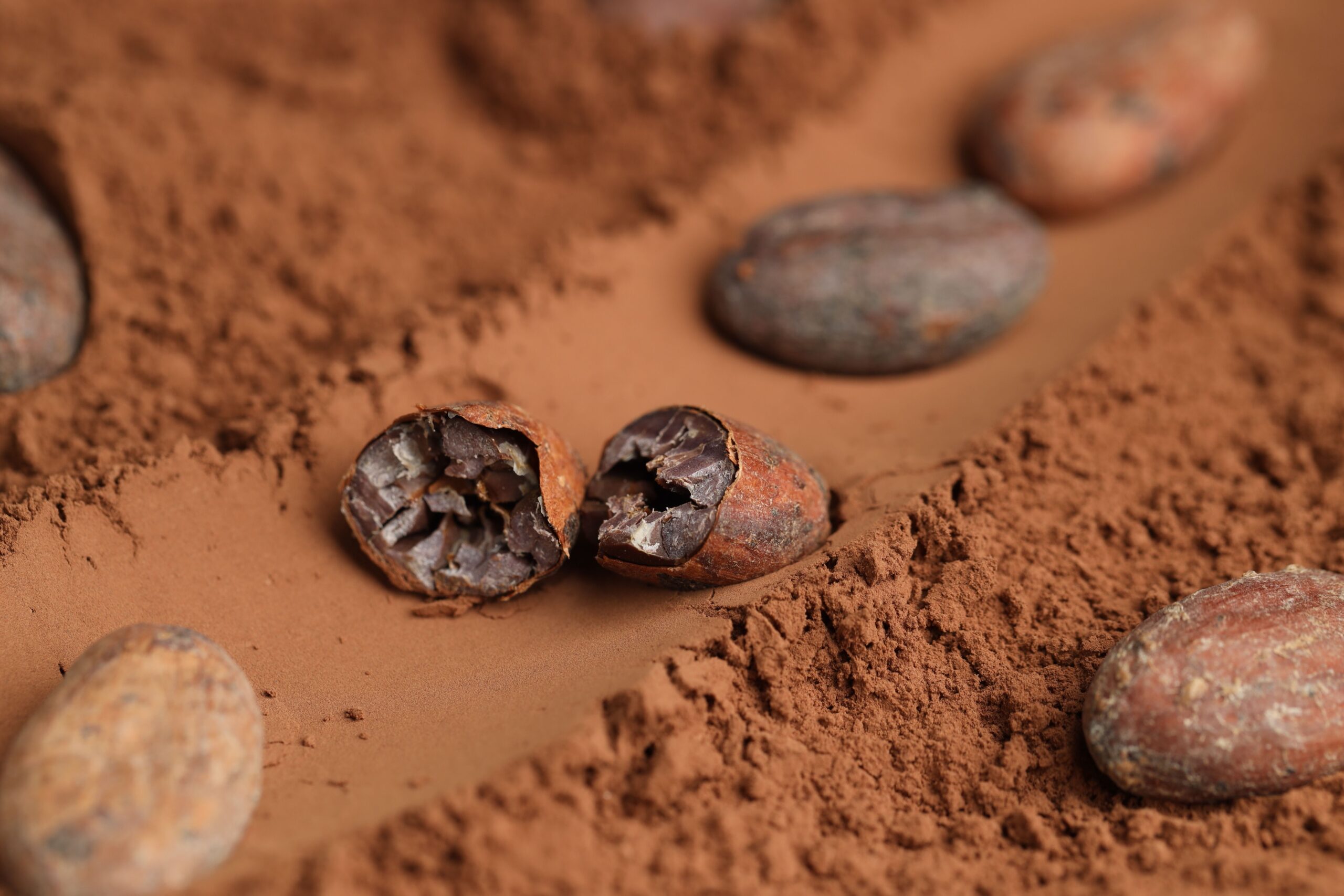
A brown cut surface. Partly brown and partly purple beans are normal, but grey (slaty), fully purple, mouldy or hollow beans are defects.
Moisture
About 7%. Above about 8%, mould can grow in storage; below about 6.5%, shells turn brittle and beans break.
Smell
A clean cocoa smell. Smoke, mould, a musty note or a strong vinegar smell all point to problems in drying, storage or fermentation.
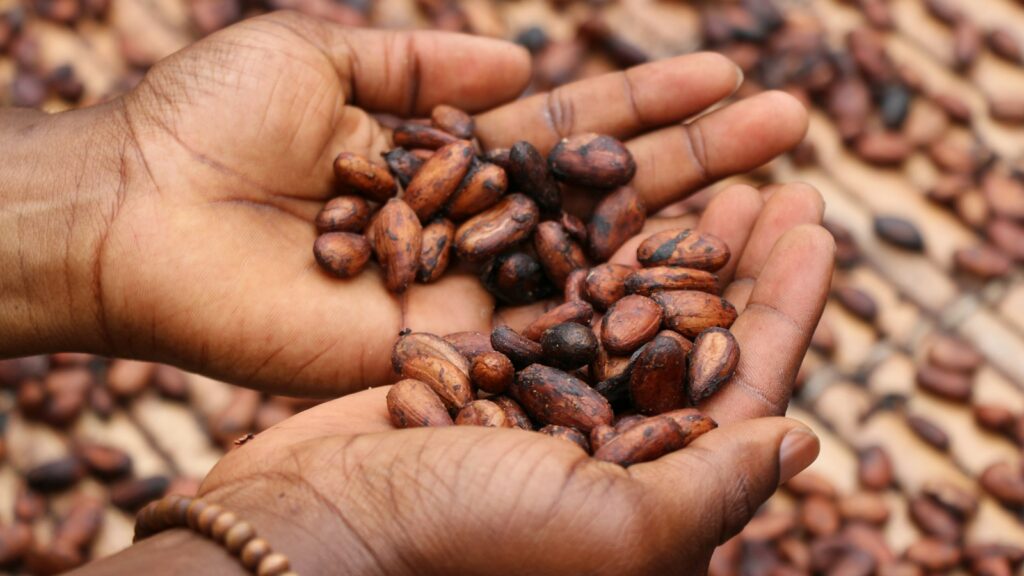
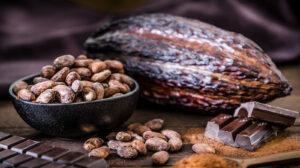
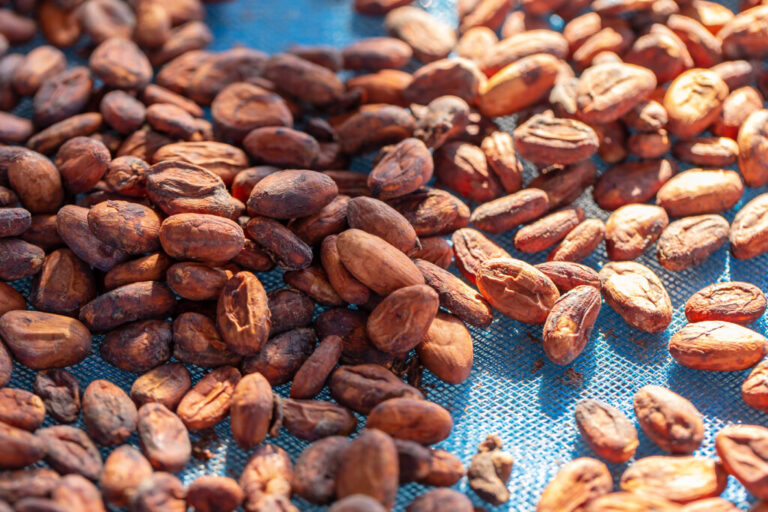
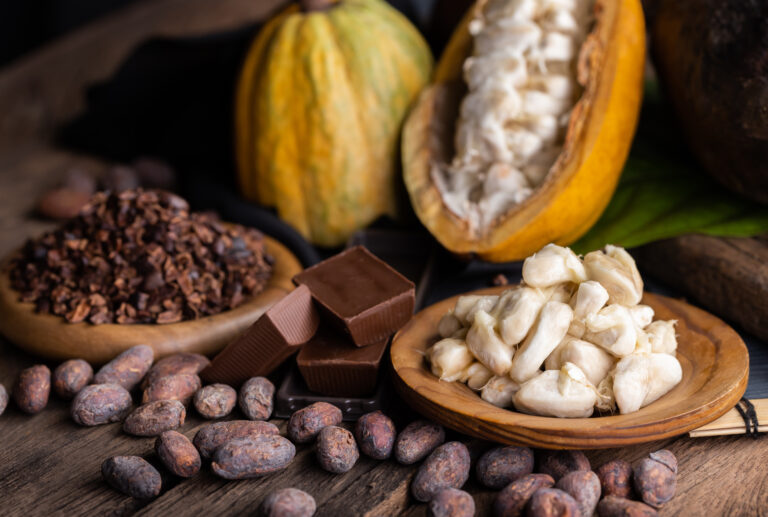
Dried, fermented cocoa beans ready for grading.
Preparation
What You Need for a Cut Test
- A representative sample drawn from many bags across the lot. ISO 2451 works from a reference sample of at least 2 kg and a test sample of at least 600 g (ISO 2451).
- A sharp knife or a bean guillotine. A guillotine cuts 50 or more beans at once and speeds up large tests.
- A cutting board and a counting tray marked in rows, so you can lay out and count the beans.
- Good light, full daylight or an equivalent lamp, because slaty and purple shades are hard to separate in dim light.
- A score sheet with columns for each category, and a phone to photograph the cut beans for the record.
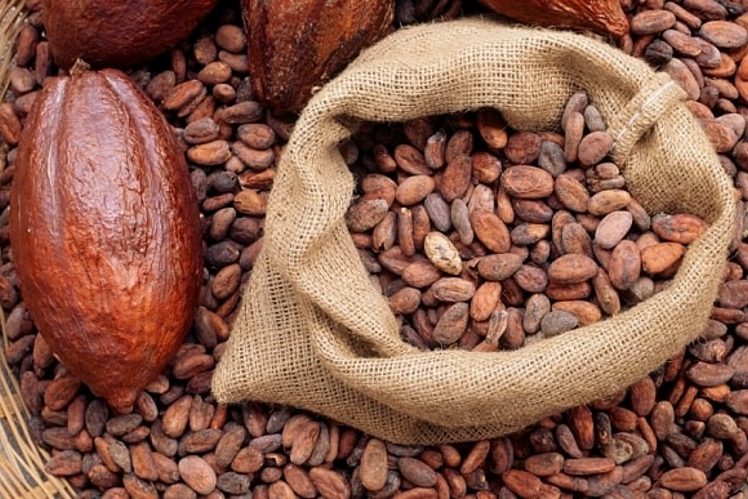
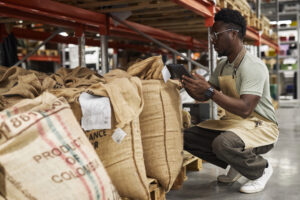
Draw beans from several bags across the lot, not from one bag.
Method
The Cocoa Bean Cut Test, Step by Step
The method below follows the standard cut test used in the cocoa trade (ISO 1114). A guillotine makes it much faster than cutting by hand.
1
Take a representative sample
Draw beans from many bags across the lot and mix them well. A sample from one bag only tells you about that bag.
2
Count out 300 beans at random
Take 300 whole beans from the mixed sample without choosing. Picking the best-looking beans makes the result meaningless.
3
Cut each bean lengthwise
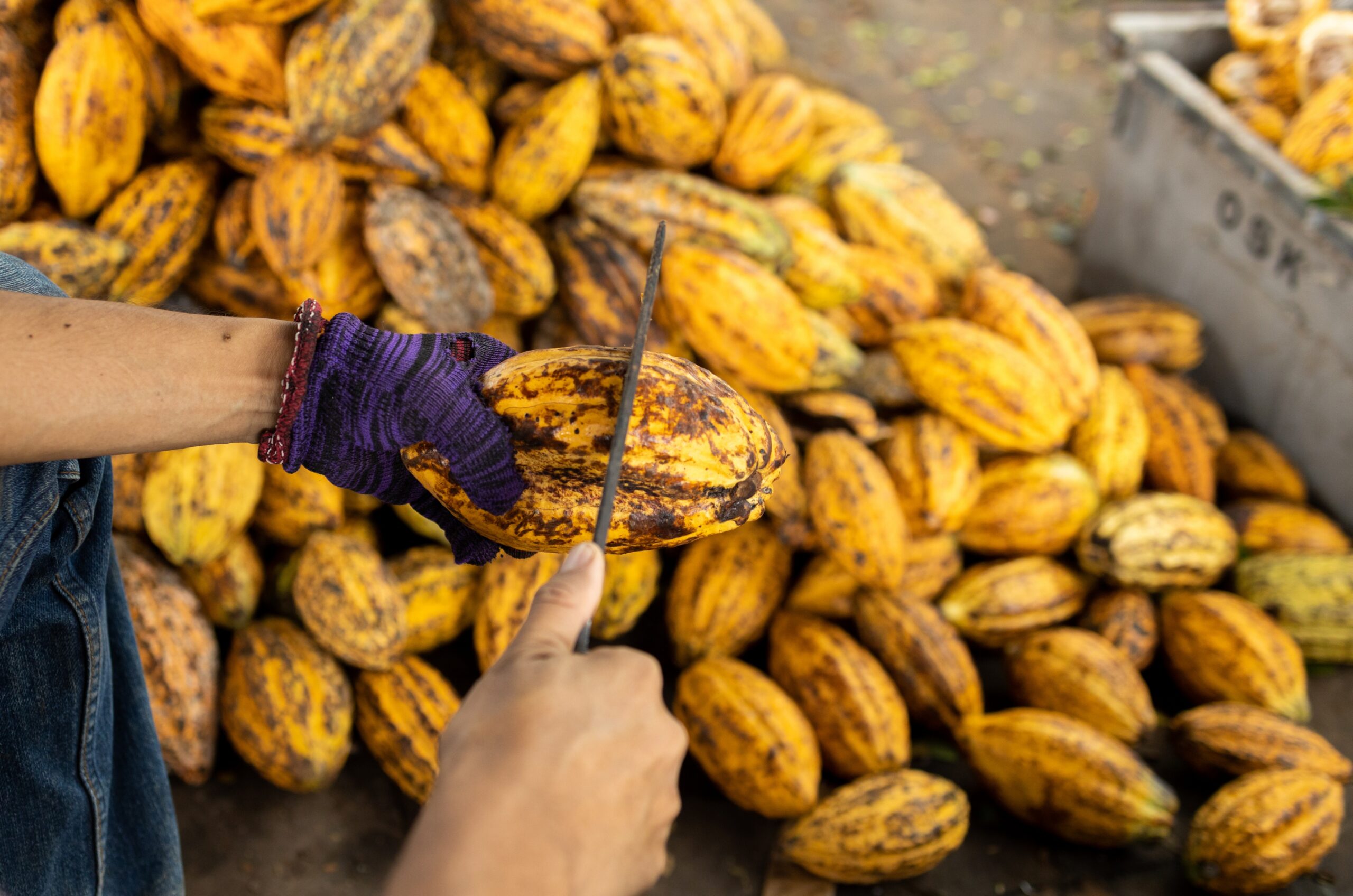
Cut through the middle along the length, so both halves of the inside (the cotyledons) are exposed .
4
Look at both halves in good light
Examine the cut surfaces in full daylight or equivalent light. Lay the beans out in rows on the counting tray.
5
Sort every bean into a category
Fully brown, partly brown and partly purple, purple, slaty, mouldy, insect-damaged, germinated or flat. The next section explains each one.
6
Work out the percentages
Count each category and divide by 300. For example, 9 slaty beans out of 300 is 3% slaty.
7
Compare and record
Check each percentage against the grade or contract limit, note the result on the score sheet, and keep a photo of the cut beans with the lot number.
Tip
Have two people score the same 300 beans now and then. If their counts differ a lot, agree on what each category looks like before the next test.
Interpretation
Reading the Results: What Each Cut Bean Tells You
Every bean goes into one of these categories. Colour shows how well the bean was fermented, and the other categories are defects:
Well fermented
Fully brown
The target. A lot with more than 60% fully brown beans is generally regarded as good quality.
Normal
Partly brown, partly purple
Common in good lots. Pale purple beans usually turn brown in storage, and the trade accepts around 30 to 40% of them, but over 50% is unacceptable.
Under-fermented
Purple (violet)
Purple on at least half of the cut surface (ISO 2451). Fermentation stopped too early, and the beans add bitterness and astringency.
Unfermented
Slaty
Grey or slate-coloured on at least half of the cut surface. These beans were never fermented and taste bitter and astringent.
Defective
Mouldy
Mould visible to the naked eye inside the bean. As little as 3% can give cocoa mass a mouldy, earthy flavour. Do not confuse mould with small white spots.
Defective
Insect-damaged
Insects or mites, or the damage they caused, visible inside the bean (ISO 2451). They reduce usable nib and wholesomeness.
Defect
Germinated
The shell has been pierced by the growing root, which opens a way in for mould and insects.
Defect
Flat
Beans with little or no nib inside. They yield almost nothing and are not counted as whole beans.
Root causes
What Causes Each Defect
Most cut-test defects start on the farm or in the warehouse, long before the beans reach you. Knowing the cause helps you ask the right questions:
Slaty or purple beans
Short, uneven or skipped fermentation, for example beans not turned, or dried too soon.
Mouldy beans
Slow drying, beans rewetted after drying, or storage above about 8% moisture. Mould can also enter through cracked shells, germination holes and insect damage.
Insect damage
Poor storage and long holding times without hygiene or pest control.
Germinated beans
Beans that start to sprout before or early in fermentation, which leaves a hole in the shell.
Smoky smell
Beans dried over open fires or near smoke. The cut test will not show it, but crushing a few beans and smelling them often will.
Strong vinegar smell
Heavy acidity from fermentation that was not dried off properly.
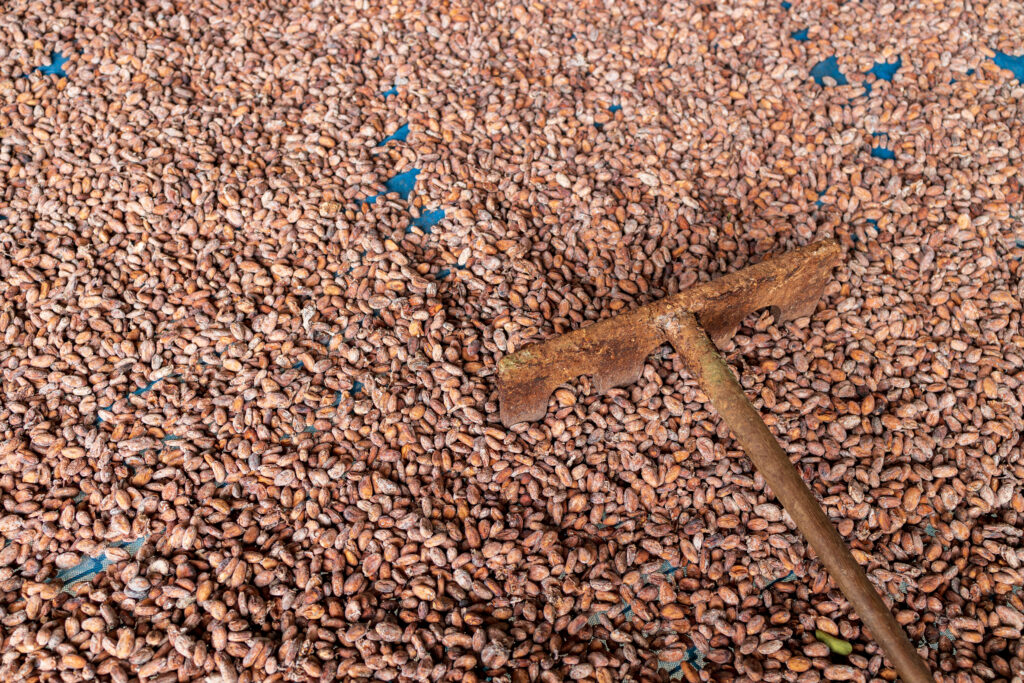
Slow or interrupted drying is a common cause of mouldy beans.
Limits
Cocoa Bean Grade Limits From the Cut Test
The percentages from your cut test decide the grade. The limits below are maximum percentages of beans by count (ISO 2451:2017).
ISO 2451 Grade 1
Mouldy: max 3%
Slaty: max 3%
Insect-damaged or germinated: max 3% combined
ISO 2451 Grade 2
Mouldy: max 4%
Slaty: max 8%
Insect-damaged or germinated: max 6% combined
Good fermented
Slaty: max 5%
Defective (mouldy or insect-damaged): max 5%
A common basis for trade contracts.
Fair fermented
Slaty: max 10%
Defective (mouldy or insect-damaged): max 10%
Lower value; often bought at a discount.
Limits for the whole lot
- Moisture: max 8.0% on loading in the producing country and 7.5% on discharge.
- Flat beans: max 1.5% of sample mass.
- Foreign matter: max 0.75% of sample mass.
- Cocoa-related matter (such as broken beans and shell pieces): max 3.5% of sample mass.
Under trade rules, lots that miss the agreed grade are usually settled with a price allowance or, in serious cases, rejected (Federation of Cocoa Commerce). Write the grade and the test method into your contract.
Limits of the test
What the Cut Test Cannot Tell You
The cut test catches gross defects, but it is not a reliable indicator of full flavour quality (industry quality guide). Add these checks before you accept a lot:
Moisture
Measure with a moisture meter. Aim for about 7%.
Bean count
Weigh 100 g of whole beans and count them. Main-crop West African beans are traded at about 100 beans per 100 g.
Flavour
Roast and grind a small sample and taste the liquor. Smoky, acidic and other off-notes only show up here.
Free fatty acids
Sound beans are generally below 1% free fatty acids. Higher levels can point to damaged or poorly stored beans.
Contaminants
Pesticide residues, heavy metals, mycotoxins and microbes need a laboratory. See our contaminant guide.
Traceability
Origin, crop season and documents, which no test on the beans can confirm.
By buyer
Who Does the Cut Test, and When
Importers and traders
Ask for the seller’s cut test before shipment, then have the lot tested again at loading or on arrival by the same method. Use an independent inspector for large contracts.
Chocolate makers and processors
Cut-test every incoming lot, and taste the liquor from a small roast before the beans go into production. Keep the photos and score sheets with each lot.
Craft and bean-to-bar makers
Small lots matter just as much. Ask for photos of the cut beans with the result, and run your own test on arrival; even 100 beans will show a serious problem quickly.
Our guide to buying and importing bulk cocoa beans covers grades, supplier checks, contracts and documents for the whole purchase.
Checklist
What to Ask Your Cocoa Bean Supplier
A good supplier will send these before you pay:
Cut test report
On 300 beans, with each category as a percentage and the date of the test.
Photos
Of the cut beans laid out on the counting tray, with the lot number visible.
Grade and basis
Which standard was used: ISO 2451 Grade 1 or 2, good fermented or fair fermented.
Moisture
The reading and the method used, ideally around 7%.
Bean count
Beans per 100 g, and the crop: main crop or mid crop.
Origin and lot details
Country, region, harvest season and the lot or bag marks.
Work with Radad International
Ask for cut test results and a sample before you order
Tell us the origin, grade and volume you need. We will reply with the cut test results and specification for the lot, and a quotation.
Questions
Frequently Asked Questions
How do you know if cocoa beans are good?
Run a cut test on 300 beans. Good beans are mostly brown inside, with few slaty or purple beans and almost no mould, insect damage or germination. They should also be dry (about 7% moisture), whole, even in size, and smell of cocoa rather than smoke or mould.
What is a cocoa bean cut test?
It is a quality check in which a sample of beans, usually 300, is cut lengthwise and the inside of each bean is examined. Each bean is classed by colour and defects, and the counts are expressed as percentages and compared with grade limits.
How many beans are used in a cut test?
The standard cut test uses 300 beans taken at random from a representative sample of the lot. Each defect is reported as a percentage of the 300 beans examined.
What does a slaty cocoa bean mean?
A slaty bean is grey or slate-coloured on at least half of its cut surface. It was not fermented, and it gives bitter, astringent flavours. ISO 2451 Grade 1 allows no more than 3% slaty beans.
Are purple cocoa beans bad?
Fully purple beans were under-fermented and add bitterness and astringency. Partly brown and partly purple beans are normal, and pale purple beans usually turn brown in storage, so the trade accepts a share of them. Very high purple counts point to short or uneven fermentation.
What percentage of mouldy beans is acceptable?
ISO 2451 sets a maximum of 3% mouldy beans for Grade 1 and 4% for Grade 2. Industry guidance notes that as little as 3% internally mouldy beans can give a mouldy, earthy flavour to cocoa mass.
What is the difference between good fermented and fair fermented cocoa?
Good fermented cocoa has no more than 5% slaty and 5% defective beans by count. Fair fermented cocoa has no more than 10% slaty and 10% defective beans.
What are the ISO 2451 cocoa bean grades?
For fermented beans, Grade 1 allows a maximum of 3% mouldy, 3% slaty and 3% insect-damaged or germinated beans. Grade 2 allows 4% mouldy, 8% slaty and 6% insect-damaged or germinated beans.
What moisture should cocoa beans have?
About 7% is the usual target. ISO 2451 sets a maximum of 8.0% on loading in the producing country and 7.5% on discharge. Above about 8%, mould risk rises, and below about 6.5% the shells become brittle and beans break.
Can the cut test tell you how chocolate will taste?
Only partly. It reveals gross defects such as slaty, mouldy and over-fermented beans, but it is not a reliable guide to full flavour quality. Smoky or acidic notes need a taste of the cocoa liquor or a sensory panel.
What is a white spot on a cut cocoa bean?
Small white spots on the cut surface are not the same as mould. ISO 2451 warns not to confuse them. Mouldy beans show mould growth visible to the naked eye inside the bean.
Who should do the cut test, the buyer or the seller?
Usually both. The seller tests before shipment, and the buyer or an independent inspector tests at loading or on arrival. Agree the method, the sample size and the grade limits in the contract so both results can be compared.
Keep reading
More Guides from Radad International
Buying
How to Buy and Import Bulk Cocoa Beans
Grades, supplier checks, contracts and documents.
Quality
Cocoa Microbiological Specifications
Contaminant limits and what a certificate of analysis should show.

Origins
Single-Origin Cocoa Beans from Africa
What single origin means and where the beans come from.
Sources and references
- ISO 2451:2017, Cocoa beans: specification and quality requirements (sample pages)
- ISO 1114:1977, Cocoa beans: cut test
- Kongor et al. (2013), Effects of fermentation and drying on the fermentation index and cut test of pulp pre-conditioned Ghanaian cocoa beans, J Food Sci Eng 3:625-634
- Lima and Nout, Quality and safety of cocoa beans, in Cocoa and Coffee Fermentations (Wageningen University)
- CAOBISCO/ECA/FCC, Cocoa Beans: Chocolate and Cocoa Industry Quality Requirements, 2nd edition, 2023
- Federation of Cocoa Commerce, quality standards presentation at the ICCO (fermentation grades and bean count)