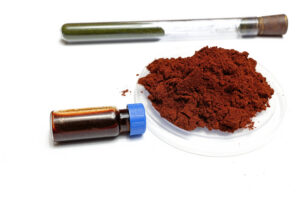
Alkalized cocoa powder has a pH of about 6.8 to 8.4, depending on how strongly it is alkalized, compared with about 5 to 6 for natural cocoa, and black cocoa, the most heavily alkalized grade, reaches about 8 to 9. The pH rises because the cocoa is treated with an alkali, most often potassium carbonate, which neutralizes much of the natural acidity of the beans. The same treatment changes the colour: in alkaline conditions, heat and moisture turn part of the cocoa’s own polyphenols into darker brown and red-brown compounds, so the higher the pH, the darker the powder usually becomes. The exact shade, whether reddish, brown or near black, also depends on the alkali used, the temperature and time of the treatment, the beans and the fat level, which is why two powders with the same pH can look different and why colour alone cannot tell you the pH. A higher pH also brings a stronger, more bitter cocoa flavour, fewer flavanols and no useful reaction with baking soda, so bakeries, drink makers and food manufacturers each need a different grade, fixed by a pH range and an approved colour reference in the specification.
Overview
Cocoa powder is sold across a pH scale. Natural cocoa sits at about 5 to 6. Alkalized (Dutch-process) cocoa is graded light (about 6.8 to 7.5), medium (about 7.2 to 7.8) and high (about 7.6 to 8.4), and black cocoa goes up to about 9. The bands overlap because each producer sets its own.
Alkalization lifts the pH by neutralizing the cocoa’s acids, and it darkens the powder at the same time: as the pH rises, part of the cocoa’s polyphenols are converted into darker brown and red-brown compounds, and studies show polyphenols falling as browning increases. The treatment conditions then fine-tune the shade, so buyers should specify both a pH range and a colour reference, and judge the colour in their own product rather than in the bag.
The numbers
The pH of Alkalized Cocoa Powder, Grade by Grade
Suppliers sort alkalized cocoa into light, medium and high (heavy) grades. The ranges below are typical values from published supplier data, and they overlap slightly because each producer sets its own bands.
Natural
pH 5 to 6
Colour: Light, yellowish to reddish brown
Typical use: Recipes leavened with baking soda, where the cocoa’s acid helps the rise
Light alkalized
pH 6.8 to 7.5
Colour: Brown, often with a reddish hue
Typical use: Baking with baking powder and general bakery use
Medium alkalized
pH 7.2 to 7.8
Colour: Medium to dark brown, or medium red
Typical use: Drinks, fillings and darker bakery products
Highly alkalized
pH 7.6 to 8.4
Colour: Dark brown or dark red
Typical use: Dark cakes, biscuits, coatings and deep-coloured drinks
Black cocoa
pH 8.0 to 9.0
Colour: Black
Typical use: Very dark biscuits and desserts
Typical ranges from published supplier specifications (see Sources). Your supplier’s specification gives the exact values for each powder.
Read the scale from left to right: each step up in pH usually means a darker powder, a stronger, more bitter but less astringent cocoa flavour, and fewer flavanols (Miller et al. 2008).
The process
Why Alkalized Cocoa Has a Higher pH
Natural cocoa is acidic, which is why its pH sits around 5 to 6. Alkalization, also called Dutch processing because it was developed in the Netherlands in the 19th century, treats the cocoa with an alkaline solution that neutralizes much of that acidity and lifts the pH towards neutral and above.
How it is done
- The alkali is added as a solution, most often to the nibs (the traditional method), but it can also be added to the whole beans, the cocoa liquor or the powder (BakerPedia).
- The mixture is heated with moisture until the target colour develops, then dried and roasted.
- The cocoa is pressed and milled. Pressing removes part of the cocoa butter, and milling turns the cake into powder.
Which alkalis are used
Potassium carbonate is the most common. In the US, 21 CFR 163.110 permits ammonium, potassium or sodium bicarbonate, carbonate or hydroxide, and magnesium carbonate or oxide. The total may not exceed the neutralizing value of 3 parts anhydrous potassium carbonate per 100 parts of cacao nibs, and the product must be labelled “Processed with alkali” or with the name of the alkali used.
For bakers
Because most of the acid is neutralized, alkalized cocoa does not activate baking soda on its own. Recipes with alkalized cocoa normally use baking powder. Our guide to cocoa powder pH and natural cocoa explains the natural side of the scale.
The chemistry
Why Alkalized Cocoa Turns Darker
Much of cocoa’s colour comes from its polyphenols, the same compounds that make natural cocoa taste astringent. In alkaline conditions, with heat, moisture and air, these polyphenols oxidize and link together into larger brown and red-brown compounds. The higher the pH and the longer and hotter the treatment, the further this goes, so the powder darkens.
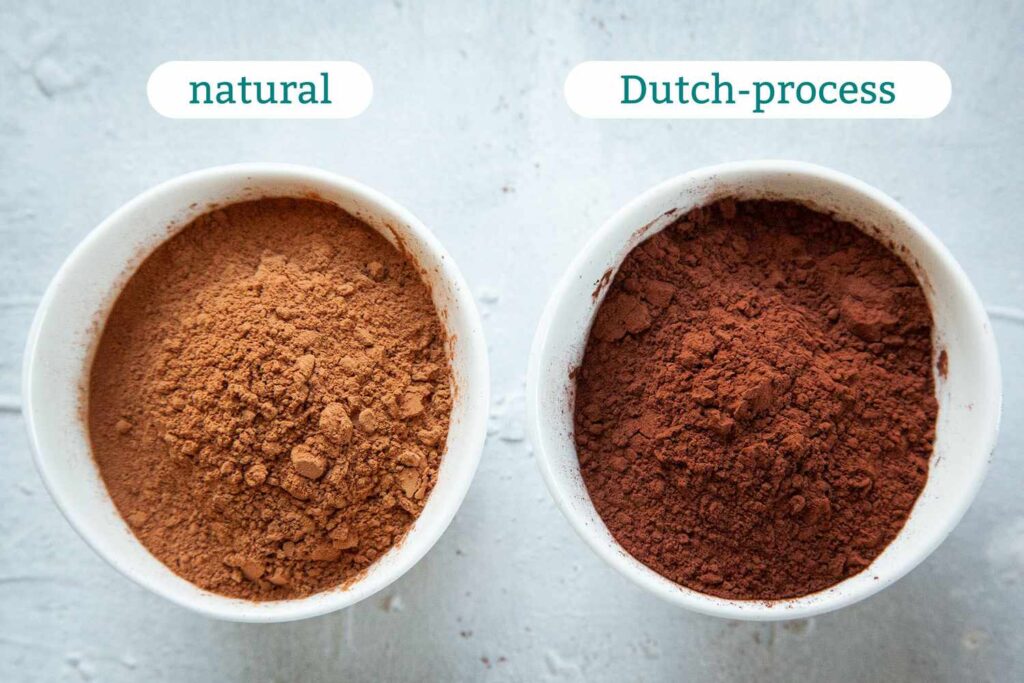
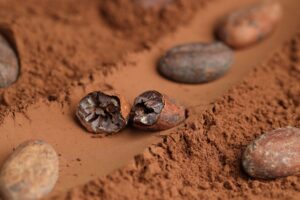
Natural and alkalized cocoa powder side by side: alkalization darkens the colour.
What the studies show
- Polyphenols fall as pH rises. A study of commercial powders found flavanols drop roughly in line with pH, from an average of 34.6 mg/g in natural cocoa to 3.9 mg/g in heavily alkalized cocoa .
- Browning rises as polyphenols fall. In a laboratory study of alkalized cocoa, the browning index rose from 1.158 in un-alkalized powder to 1.787 in the most alkalized sample, and browning was negatively correlated with total polyphenols.
- Colour deepens with alkalization. Supplier technical guides describe the dark brown, red and black notes already present in cocoa deepening as alkalization increases.
Roasting adds its own browning, as sugars and amino acids react under heat, so the bean, the roast and the alkalization together set the final shade.
Shades
What Decides Whether Cocoa Turns Red, Brown or Black
Two powders with the same pH can still differ in shade. Supplier ranges include reddish-brown, medium red, dark brown and black powders at overlapping pH values, because the final colour depends on how the alkalization is run:
Alkali type
In one study, cocoa alkalized with a 3% potassium carbonate solution came out darker than cocoa treated with 3% sodium hydroxide.
Amount of alkali
More alkali gives a higher pH and, in general, a darker colour.
Temperature, time and pressure
Processors adjust these to steer the colour, together with the alkali concentration.
Stage of processing
Alkalizing nibs is the traditional method. Treating whole beans, liquor or powder instead needs more complex conditions (BakerPedia).
Beans and roast
Origin, fermentation and roast set the starting colour and flavour before any alkali is added.
Fat level
At the same level of alkalization, a lower-fat powder looks darker than a higher-fat one.
Producers use these levers to make red-toned grades for some products and deep brown or black grades for others. When you order, name the shade you want and approve it against a reference sample, not by pH alone.
Buying tip
You Cannot Read pH From Colour
Colour gives a rough idea of how strongly a powder is alkalized, but it is not a measurement. Four things get in the way:
- Shade varies at the same pH, because of the process and the beans.
- Fat changes how dark a powder looks, with lower-fat powders looking darker.
- Dry and wet colour differ. A powder can look one way in the bag and another once it is in a batter, a drink or a filling.
- Lighting and packaging change how a sample looks on the day.

Black cocoa, the most heavily alkalized grade, gives the near-black colour of some biscuits and desserts.
What to do instead
Rely on the measured pH from the specification and the certificate of analysis, and judge colour in your own product at your own dose.
Side effects
What Else Changes as the pH Rises
Flavour
Alkalized powders have a stronger cocoa flavour that tends to be more bitter but less astringent. Natural powders keep a classic flavour with astringent notes.
Flavanols
Flavanols fall as pH rises, from about 34.6 mg/g in natural cocoa to 3.9 mg/g in heavily alkalized cocoa on average (Miller et al. 2008).
Leavening
Natural cocoa’s acid reacts with baking soda. Alkalized cocoa has little acid left, so it relies on baking powder (King Arthur Baking).
Dispersibility
Alkalization improves how well cocoa mixes into liquids, which is why drinks often use alkalized grades.
For a full side-by-side comparison of the two types, see our guide to alkalized vs natural cocoa powder.
By buyer
Which pH of Alkalized Cocoa to Ask For
These are starting points. Test two or three samples in your own recipe before the first full order.
Bakeries and pastry kitchens
If baking soda is the only leavener, use natural cocoa. For recipes with baking powder, light to medium grades (about pH 6.8 to 7.8) give a brown to dark brown crumb. For very dark cakes, biscuits and shells, look at highly alkalized or black cocoa.
Drink makers
Medium to highly alkalized cocoa is the usual choice for colour and dispersibility. For cold or instant drinks, ask for a dispersible grade, and judge the colour in your own milk or water at your own dose.
Food manufacturers and importers
Choose the grade by the shade and flavour your product needs, then fix it with a pH range, a named shade and a reference sample. If you resell, keep the supplier’s range and certificate of analysis for every lot.
Our guide on how to choose cocoa powder walks through the full decision for bakery, beverages and chocolate products.
Specification
What to Put on Your Alkalized Cocoa Specification
Writing pH and colour into the specification is how you keep every delivery matching the sample you approved:
pH range
A range such as 7.2 to 7.6, not a single number, with the test method
Shade
A named colour (reddish brown, dark brown, black) and an approved reference sample
Wet colour check
Your own product at your own dose, compared with the reference
Fat range
For example 10 to 12% or 20 to 22%, since fat also affects colour
Labelling
The alkali used, so you can label correctly for your market
Certificate of analysis
For every lot, confirming pH and fat against your ranges
Our cocoa specification and contaminant guide explains contaminant limits and what a certificate of analysis should show.
Work with Radad International
Get alkalized cocoa powder samples with a full specification
Tell us your product, the shade you are aiming for and your volume. We will reply with matching grades, their pH and fat ranges, and a quotation.
Questions
Frequently Asked Questions
What is the pH of alkalized cocoa powder?
Most alkalized cocoa powder has a pH of about 6.8 to 8.4. Lightly alkalized grades sit around 6.8 to 7.5, medium grades around 7.2 to 7.8 and highly alkalized grades around 7.6 to 8.4. Black cocoa reaches about 8 to 9. Ranges overlap between suppliers, so check the specification.
What is the pH of natural cocoa powder?
Natural cocoa powder has a pH of about 5 to 6. It is acidic because it has not been treated with an alkali.
Why is alkalized cocoa darker than natural cocoa?
The alkali raises the pH, and in alkaline conditions with heat and moisture, part of the cocoa’s polyphenols change into larger, darker brown and red-brown compounds. Studies find that as alkalization increases, polyphenols fall and browning rises. Roasting adds its own browning on top.
What is the pH of black cocoa powder?
Black cocoa is the most heavily alkalized grade. One producer lists its black cocoa powder at pH 8.0 to 9.0.
Does a higher pH always mean a darker cocoa?
Usually, but not always. Higher pH generally means a darker powder, but the beans, roast, alkali type, temperature, time and fat level also change the shade. Two powders with the same pH can look different, so approve colour with a reference sample.
Which alkali is used to make Dutch-process cocoa?
Potassium carbonate is the most common. In the US, the permitted alkalis are ammonium, potassium or sodium bicarbonate, carbonate or hydroxide, and magnesium carbonate or oxide.
Is there a limit on how much alkali can be used?
Yes, in the US. The total alkali may not exceed the neutralizing value of 3 parts anhydrous potassium carbonate per 100 parts of cacao nibs, and the label must say “Processed with alkali” or name the alkali used (21 CFR 163.110). Check the rules of your own market.
Does alkalization change the taste of cocoa?
Yes. Alkalized powders have a stronger cocoa flavour that tends to be more bitter but less astringent, while natural powders have a classic flavour with astringent notes from their acidity.
Can I tell the pH of cocoa powder from its colour?
No. Colour gives a rough idea, but red, brown and dark shades can share the same pH, and fat level and lighting also change how a powder looks. Ask for the measured pH on the specification and certificate of analysis.
Why does cocoa look different once it is mixed into a product?
Dry powder and wet colour differ, and fat, sugar, dairy and baking all affect the final shade. Judge colour in your own product at your own dose, not on the dry powder.
Does alkalization reduce flavanols?
Yes. A 2008 study of commercial powders found flavanols fall as pH rises, from an average of 34.6 mg/g in natural cocoa to 3.9 mg/g in heavily alkalized cocoa.
Does alkalized cocoa react with baking soda?
Not in a useful way. Alkalization neutralizes most of the cocoa’s acidity, so recipes with alkalized cocoa normally rely on baking powder, or on baking soda with another acid in the recipe.
Which pH should I order for drinks or baking?
As a starting point, bakeries using baking soda alone need natural cocoa, recipes with baking powder suit light to medium grades, and dark cakes or biscuits use highly alkalized or black cocoa. Drinks usually use medium to highly alkalized cocoa for colour and dispersibility. Test two or three samples in your own product before ordering.
Keep reading
More Guides from Radad International
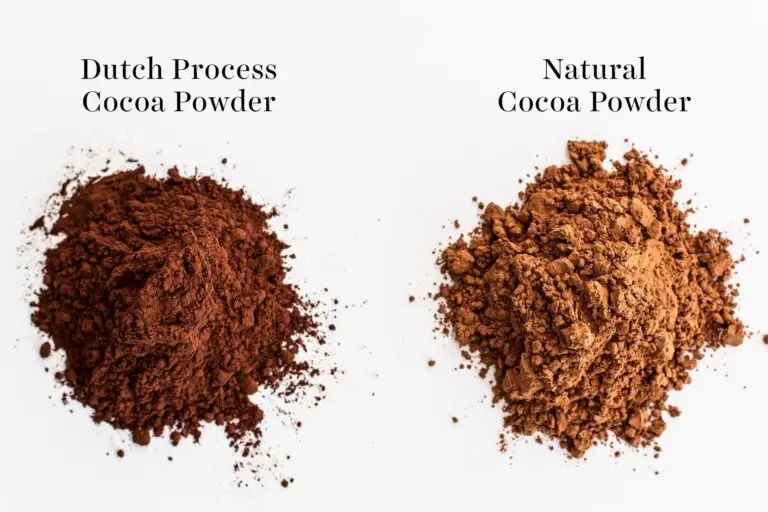
Natural cocoa
Cocoa Powder pH and Natural Cocoa
Why natural cocoa is acidic and how it bakes.

Sources and references (checked 15 October 2026)
- Barry Callebaut / Chocolate Academy, Understanding the differences among cacao powders: alkalinity, part 1
- ofi (olam food ingredients), BT cocoa powder fact sheets, August 2019
- Miller et al. (2008), Impact of alkalization on the antioxidant and flavanol content of commercial cocoa powders, J Agric Food Chem 56:8527-8533
- The effects of the alkalization process on the quality of produced cocoa powder, Food Research (University of Tabriz)
- 21 CFR 163.110, Cacao nibs: optional alkali ingredients and labeling
- BakerPedia, Dutch process cocoa
- Barry Callebaut, Bensdorp cocoa powders for dairy and drinks
- King Arthur Baking, Dutch-process vs natural cocoa