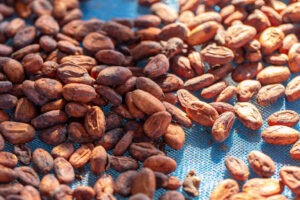
How to choose cocoa powder means deciding four things: whether it is natural or alkalized, how much cocoa butter it contains, what colour it gives your product, and how well it mixes into liquids. The right combination depends on what you make. A bakery needs a pH that suits its leavening, a drink maker needs a powder that disperses and colours well, and a chocolate manufacturer needs colour, taste and fat that fit the formula. Cost per batch, consistency from lot to lot and the legal limits of your market then decide whether a powder works at scale, so the last step is always to test samples in your own recipe and write the winning values into your specification.
Overview
For bakery, natural cocoa powder (pH about 5 to 6) suits recipes that rely on baking soda, and alkalized cocoa powder (pH about 7 to 8) gives a darker, milder result in recipes built on baking powder. For beverages, alkalized cocoa is the usual choice because it disperses and colours better, and cold or instant drinks need a dispersible grade. For chocolate products such as fillings, spreads, coatings and ice cream, alkalized cocoa is the usual starting point for colour and flavour, with the fat level matched to the fat already in your recipe.
Fat level is a second choice, made separately: 10 to 12% is the common range for most uses and 20 to 22% gives a richer, fuller cocoa. Before you order, ask for a written specification with the pH range, fat range, colour reference and a certificate of analysis for each lot, and compare two or three samples in your own product.
4specifications to set: pH, fat, colour, dispersibility
5 to 6pH of natural cocoa powder
7 to 8pH of alkalized cocoa powder
1 to 3%cocoa powder used for colour in dairy drinks, per one supplier
Table of contents
- Overview
- The four specifications
- Three questions that narrow your choice
- Cocoa powder by application
- Choosing for bakery
- Choosing for beverages
- Choosing for chocolate products
- Blending natural and alkalized cocoa
- Cost per batch, not per kilo
- How to test samples
- Keeping every lot consistent
- What to write on your specification
- Worked examples
- Safety and legal limits
- Common mistakes
- FAQs
- Sources
The method
How to Choose Cocoa Powder: The Four Specifications
Every cocoa powder you can buy differs on the same four points. Settle each one for your product and the choice becomes much simpler.
1
Natural or alkalized
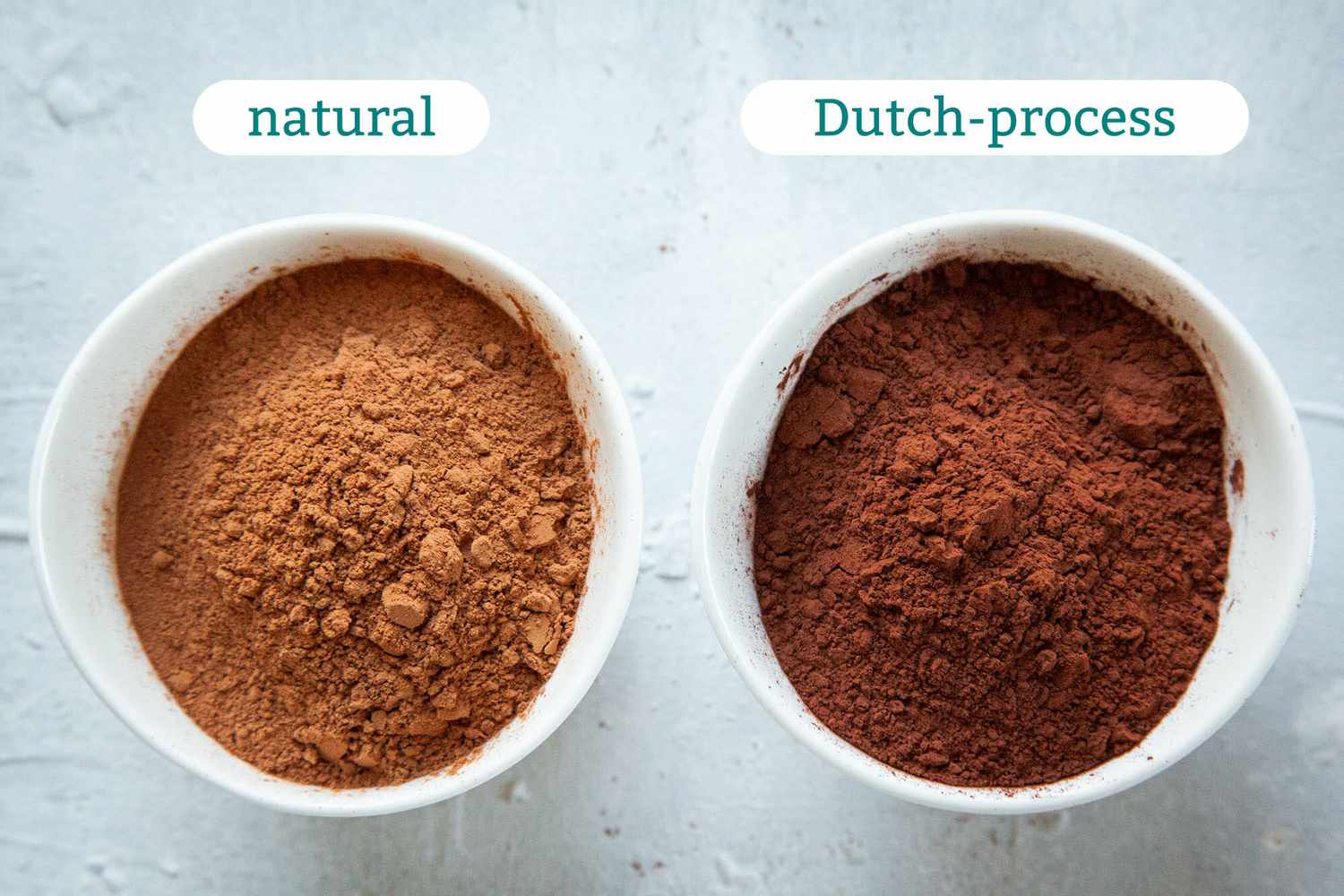
Decides acidity, colour and taste. Natural cocoa is made without an alkali and has a pH of about 5 to 6. Alkalized (Dutch-process) cocoa is treated with an alkali, which raises the pH to about 7 to 8. If your recipe uses baking soda, the pH decides whether the batter rises.
2
Fat level
Fat level is the share of cocoa butter left in the powder. It decides richness and how the cocoa behaves in a recipe. 10 to 12% is the common range and 20 to 22% is richer. Fat also affects colour, as the next point shows.
3
Colour
Judge colour once the cocoa is mixed into your product (the wet colour), because it can differ from the dry powder. Alkalization darkens cocoa, and a more alkalized powder gives a darker result. Low-fat powders also look darker than higher-fat powders at the same level of alkalization, according to Barry Callebaut’s Bensdorp range.
4
Dispersibility and fineness
Dispersibility is how easily the powder spreads through a liquid without lumps. It matters most for drinks. Alkalization improves it, and some suppliers sell lecithin-coated dispersible grades for cold and instant drinks.
One more point applies to all four: the degree of alkalization is a spectrum, from light through medium to heavy. A 2008 study of commercial powders found average flavanol levels falling from 34.6 mg/g in natural cocoa to 3.9 mg/g in heavily alkalized cocoa, so the level of alkalization also changes the nutritional profile, not only the colour (Miller et al. 2008).
Decision path
Three Questions That Narrow Your Choice
Answer these in order. Together they point to a cocoa type, and the fat level comes after.
- What does your recipe rely on to rise or react? If baking soda is the only leavener, choose natural cocoa. If it uses baking powder, or soda plus another acid such as buttermilk, yogurt or vinegar, either cocoa works. If there is no leavening, as in a drink, sauce or filling, the pH matters less and taste and colour decide.
- What colour and taste do your customers expect? A lighter, reddish-brown product with a sharper cocoa taste points to natural cocoa. A deep brown, milder and rounder product points to alkalized cocoa, and a more alkalized powder goes darker.
- How will it be mixed in? Into cold or instant liquids, choose an alkalized, dispersible grade. Into batters, doughs and fat-based fillings, dispersion is less of a concern, so colour and taste lead.
Then choose the fat level: 10 to 12% for most uses, 20 to 22% where you want a richer cocoa. Our guide to 10/12 vs 20/22 cocoa powder explains the trade-offs.
Quick reference
Cocoa Powder by Application
| Application | Cocoa to try first | Fat level | Colour to expect | Check in your test |
|---|---|---|---|---|
| Cakes, brownies and cookies leavened with baking soda | Natural | 10 to 12% is usual, 20 to 22% for a richer taste | Lighter, reddish brown | Rise, crumb and no soapy aftertaste |
| Cakes, biscuits and cookies leavened with baking powder | Alkalized, or natural if another acid is in the recipe | 10 to 12% is usual | Medium to dark brown | Baked colour and flavour |
| Very dark bakery, such as dark cakes and cookie shells | Medium to heavily alkalized | Low-fat looks darker at the same alkalization | Dark brown to near black | Baked colour, and whether the taste is still chocolatey |
| Hot chocolate and drinking chocolate mixes | Alkalized | 10 to 12% is usual | Mid to dark brown | Lumps, wet colour, taste at drinking temperature |
| Chocolate milk, ready-to-drink and dairy drinks | Alkalized, dispersible grade for cold liquids | 10 to 12% is usual | Depends on dose and alkalization | Wet colour, mouthfeel and settling in the bottle |
| Ice cream and frozen desserts | Alkalized | Compare 10 to 12% and 20 to 22% | Wet colour in the mix | Colour and flavour when frozen |
| Fillings, spreads and coatings | Alkalized | Count the cocoa’s fat in the recipe’s total fat | Wet colour in the product | Texture, colour and flavour in the finished product |
These are starting points, not rules. Your recipe, the other ingredients and the cocoa’s origin and roast all change the result, so confirm every choice with a sample.
Bakery
How to Choose Cocoa Powder for Bakery
If you run a bakery, pastry shop or biscuit line, begin with your leavening, because that decides whether the cocoa’s pH matters.
- Check the leavening first. A recipe that uses baking soda with no other acid needs natural cocoa, because the cocoa’s acid activates the soda. A recipe with baking powder, or with soda plus another acid such as buttermilk, yogurt or vinegar, can take either cocoa.
- Choose colour next. Natural cocoa gives a lighter, reddish brown. Alkalized cocoa gives a darker, milder result, and more alkalized cocoas go darker still.
- Then pick the fat level. 10 to 12% is the common range for baking. Try 20 to 22% where you want a richer, rounder cocoa taste, and adjust the other fat in the recipe if needed.
- Plan for swaps. If you change cocoa type, change the leavening: replace baking soda with about twice as much baking powder when moving to alkalized cocoa, or baking powder with about half as much baking soda when moving to natural cocoa.
Our guide to importing cocoa powder covers specifications, samples and shipping once you have chosen, and the top cocoa products for UAE bakeries shows how bakeries use the wider range.
Beverages
How to Choose Cocoa Powder for Beverages
If you make drinking chocolate, chocolate milk, powdered drink mixes or ready-to-drink products, dispersion and colour matter more than rise.
- Start with alkalized cocoa. Barry Callebaut states that alkalization improves colour, flavour and dispersibility in its Bensdorp powders. A 1998 laboratory study of chocolate beverage powders also found alkalized cocoa had a significant effect on every physical property tested, with 20% alkalized cocoa and 2 to 4% soy lecithin the optimum in that formulation (Selamat et al.).
- Ask for a dispersible grade for cold liquids. Some suppliers coat the powder with lecithin so it mixes into cold and instant drinks without lumps.
- Test the dose. One supplier suggests 1 to 3% cocoa powder in dairy drinks for colour. Add more powder or choose a more alkalized one for a darker drink.
- Judge the wet colour. Dry powder colour changes once it is blended, so compare samples in your own liquid at your own dose.
- Taste at drinking temperature. Natural cocoa gives caramel notes and more alkalized cocoa gives a more intense chocolate taste, according to the same supplier.
Chocolate products
How to Choose Cocoa Powder for Chocolate Products
This section is for manufacturers making fillings, spreads, coatings, ice cream and other chocolate-flavoured products where cocoa powder is an ingredient. If you make chocolate itself from cocoa mass and cocoa butter, you buy those ingredients rather than powder, and our cocoa products page lists them.
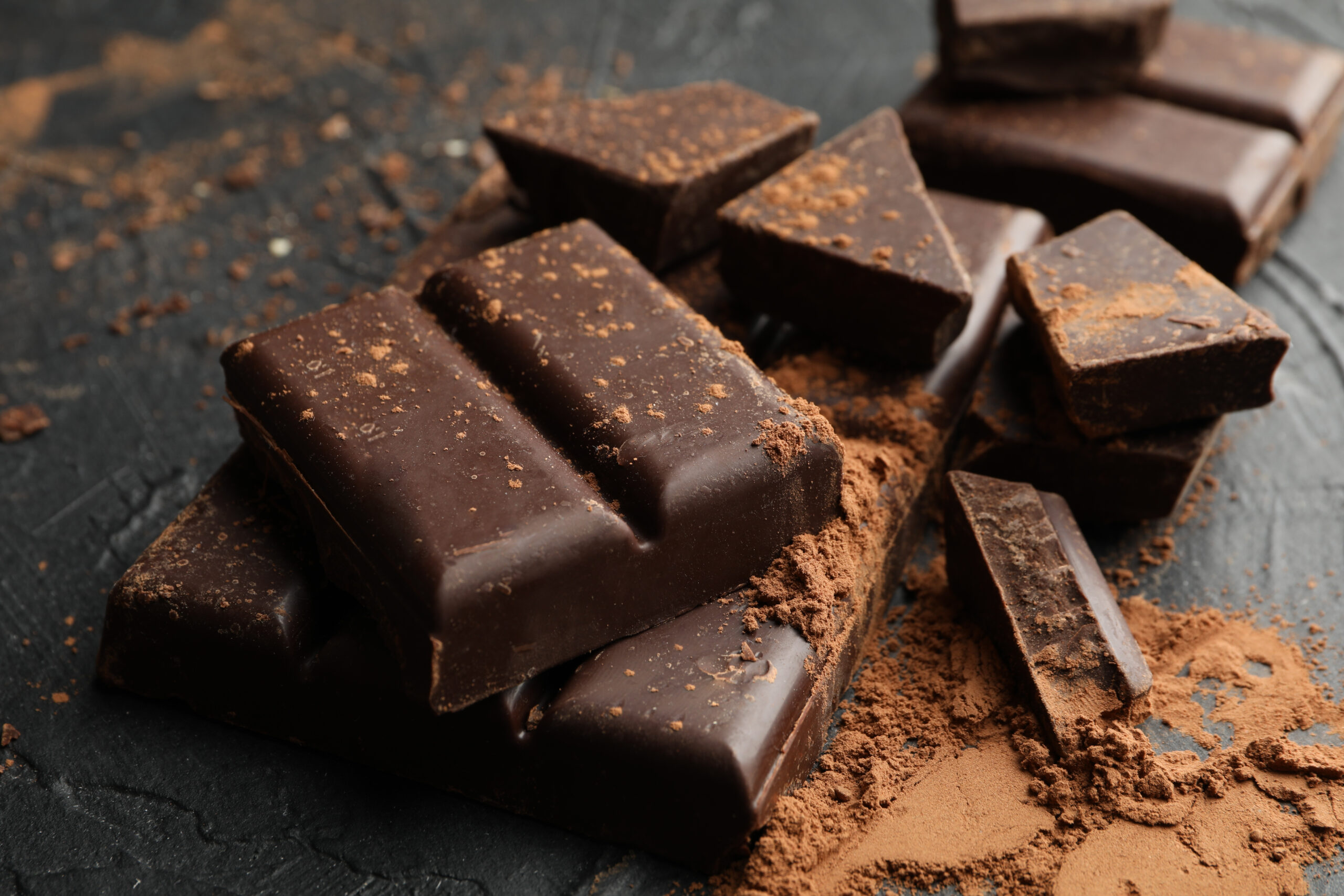
- Colour: alkalized cocoa is the usual starting point when you need a deep, even colour. Judge it in the finished product, not on the dry powder.
- Fat: cocoa powder carries cocoa butter, so count it toward the total fat in your formula. A 20 to 22% powder adds more fat than a 10 to 12% powder at the same dose.
- Taste: more alkalized cocoas have a milder, rounder taste. Natural cocoa is sharper and more acidic, which can stand out in a cream or filling.
- Consistency: set fineness and colour standards that every lot must meet, so your product looks and behaves the same from batch to batch.
- Compliance: if you sell in the EU, cocoa and chocolate products have their own legal definitions, and the fat level decides the name your powder is allowed to carry.
Fine-tuning
Blending Natural and Alkalized Cocoa
If neither type gives exactly the result you want, some manufacturers blend the two to tune colour, taste and acidity. A blend has a pH between the two, so a recipe that relies on baking soda needs its rise retested. If you blend, fix the ratio in writing and have the supplier or your own team prepare it the same way every time.
Pricing
Compare Cost per Batch, Not Cost per Kilo
A powder that looks cheaper per kilo can cost more once it is in your product. Compare quotes on these points:
- Dose for your target colour. A more alkalized powder can reach a darker colour, so it may need less powder than a lighter one to get the same shade. Check this in your own recipe.
- Fat level. A 20 to 22% powder has less non-fat cocoa solid per kilo than a 10 to 12% powder, so the dose may need adjusting when you switch.
- Batch failures. A powder that clumps, settles or shifts colour costs you whole batches, which outweighs a small price difference.
- Pack size and delivery terms. Compare quotes on the same pack size, pallet plan and terms, such as FOB or CIF, so the prices are comparable.
Testing
How to Test Cocoa Powder Samples Before You Order
A sample test takes a few days and prevents a costly first order. Follow the same steps for every application:
- Request two or three samples. Ask for different alkalization levels or fat levels, with their specifications.
- Use your own recipe. Keep every other ingredient, quantity and process step the same.
- Change only the cocoa. Make one batch per sample so you can compare like with like.
- Judge the finished product. Check colour, taste, texture and, for drinks, how well it disperses and whether it settles.
- Write down the result. Record the pH, fat and colour of the winning sample and put them on your specification.
Production
Keeping Every Lot Consistent
Choosing the right sample is only half the job. Your product should look and taste the same on every delivery, so put these controls in place:
- Approve a reference sample and keep it sealed, so every later lot can be compared with it
- Ask for a certificate of analysis with every lot and check its pH and fat against your ranges
- Compare each delivery to the reference in your own recipe, not only on paper
- Write the specification as ranges rather than single numbers, so normal variation is allowed but drift is not
- Keep a retained sample of every lot, so you can trace a problem back to its source
- Tell your supplier before you change your recipe, because a new recipe may need a different cocoa
Buying
What to Write on Your Cocoa Powder Specification
Once your sample test has picked a winner, put the result in writing. A certificate of analysis (COA) is a lab report for one specific lot, and it should confirm every value in this table. Send it to every supplier you compare:
| Item to specify | What to write | Why it is on the sheet |
|---|---|---|
| pH range | For example 5.0 to 6.0 for natural, or 7.0 to 8.0 for alkalized | Controls acidity, colour and baking soda reaction |
| Fat range | For example 10 to 12%, with the test method | Controls richness and legal naming |
| Colour | A reference sample or approved shade | Keeps batches matching |
| Fineness | A target particle size | Controls texture and dispersion |
| Moisture | A maximum value | Protects shelf life and flow |
| Microbiology and contaminants | Salmonella, ochratoxin A, PAHs and cadmium for your market | Meets legal limits |
| Documents | Certificate of analysis for each lot | Proves the lot meets the specification |
Our cocoa specification and contaminant guide explains each limit and what a certificate of analysis should show.
Examples
Worked Examples: Choosing for Three Products
These are illustrations of the method, not recommendations for your exact recipe.
A bakery making brownies with baking soda
- Leavening is baking soda only, so choose natural cocoa
- The product should look reddish brown with a classic taste, so natural fits
- Start with 10 to 12% fat and compare a 20 to 22% sample for a richer taste
- Test rise, crumb and any soapy aftertaste
A café or brand making hot chocolate
- No leavening, so dispersion and colour decide
- Choose alkalized cocoa, and a dispersible grade if the drink is mixed cold
- Start with 10 to 12% fat and test the dose in your own milk or water
- Judge the wet colour and check for lumps and settling
A manufacturer making a chocolate filling
- Colour and consistency decide, so start with alkalized cocoa
- Count the cocoa’s fat toward the filling’s total fat, and compare 10 to 12% with 20 to 22%
- Set colour and fineness standards that every lot must meet
- Test texture, colour and flavour in the finished filling
Compliance
Safety and Legal Limits to Check
Whatever you choose, the powder must meet the legal limits of the country where you sell. In the EU, Regulation (EU) 2023/915 sets 0.60 mg/kg cadmium for cocoa powder sold to the final consumer and 3.0 µg/kg ochratoxin A in cocoa powder. Naming also depends on fat: under Directive 2000/36/EC, a powder needs at least 20% cocoa butter on dry matter to be called cocoa powder, and lower-fat powder is fat-reduced cocoa powder. In the US, cocoa has 10% to under 22% cacao fat (21 CFR 163.113).
Pitfalls
Common Mistakes When Choosing Cocoa Powder
- Choosing by colour in the bag. Dry colour and wet colour differ, so judge the cocoa in your finished product.
- Ignoring the leavening. A cocoa with the wrong pH can leave a baking soda recipe flat and soapy.
- Buying on price alone. Two powders at similar prices can differ in pH, fat and fineness, which change your product.
- Using a cold-drink recipe with a standard powder. Lumps and floating clumps are a dispersibility problem, not a recipe error.
- Skipping the certificate of analysis. Every lot should come with the numbers that prove it matches your specification.
Work with Radad International
Get cocoa powder samples and a specification from Radad
Tell us whether you bake, make drinks or manufacture chocolate products, and the pH, fat level and volume you need. We will reply with the matching specification and a quotation. You can also browse the catalogue first.
Questions
Frequently Asked Questions
How do I choose the right cocoa powder?
Choose by four specifications and test the result:
- Natural or alkalized: natural (pH about 5 to 6) for baking soda recipes, alkalized (pH about 7 to 8) for darker, milder results and drinks
- Fat level: 10 to 12% for most uses, 20 to 22% for a richer cocoa
- Colour: judged wet, in your own product
- Dispersibility: a dispersible grade for cold and instant drinks
Then compare two or three samples in your own recipe before the first full order.
Which cocoa powder is best for baking?
It depends on your leavening. Natural cocoa is best where baking soda is the only leavener, because its acid activates the soda. Alkalized cocoa suits recipes with baking powder and gives a darker colour and milder taste. Recipes with both leaveners or another acid can usually take either.
Which cocoa powder is best for hot chocolate and drinks?
Alkalized cocoa is the usual choice for drinks. Suppliers report that alkalization improves colour, flavour and dispersibility, and dispersible grades coated with lecithin mix into cold and instant drinks without lumps. Natural cocoa works in hot chocolate but disperses less easily and tastes sharper.
Which cocoa powder should I use for chocolate products like fillings and spreads?
Alkalized cocoa is the usual starting point for colour and flavour. Count the cocoa’s fat in the recipe’s total fat, set a colour and fineness standard, and test the powder in the finished product.
What is the difference between natural and alkalized cocoa powder?
Natural cocoa is not treated with an alkali. It has a pH of about 5 to 6, a lighter reddish-brown colour and a sharper taste. Alkalized (Dutch-process) cocoa is treated with an alkali, which raises the pH to about 7 to 8, darkens the colour and softens the taste.
Should I choose 10-12% or 20-22% fat cocoa powder?
10 to 12% is the common range for most baking and drinks. 20 to 22% gives a richer, fuller cocoa taste and adds more fat to the recipe. In the EU, only powder with at least 20% cocoa butter on dry matter is legally called cocoa powder. Test both in your recipe, and read our guide to 10/12 vs 20/22 cocoa powder for more.
Does a darker cocoa powder mean a stronger chocolate flavour?
Not necessarily. Colour comes mainly from alkalization, and more alkalized cocoas are darker. Suppliers describe medium and highly alkalized cocoas as having a richer, more intense chocolate flavour, but taste also depends on origin and roast. Judge flavour by tasting the finished product.
What is dispersible cocoa powder?
Dispersible cocoa powder is made to mix into liquids without lumps. Some suppliers coat the powder with lecithin so it disperses in cold and instant drinks. If your drink mix clumps or floats, ask for a dispersible grade.
How much cocoa powder should I use for colour in a drink?
One supplier suggests 1 to 3% cocoa powder in dairy drinks. Use more powder or a more alkalized cocoa for a darker colour, and judge it in your own liquid, because the dry colour changes once it is blended.
Can I use natural cocoa powder in drinks?
Yes, but it disperses less easily and tastes sharper than alkalized cocoa. Make a paste with a little hot liquid first, and expect a lighter colour.
Can I swap natural and alkalized cocoa in a recipe?
Often yes, if you change the leavening. Replace baking soda with about twice as much baking powder when moving to alkalized cocoa, or baking powder with about half as much baking soda when moving to natural. If the recipe already has another acid, you can usually swap directly. Bake a test batch.
How do I test cocoa powder samples?
Ask for two or three samples, make the same recipe with each, change only the cocoa, and compare colour, taste, texture and, for drinks, dispersion. Record the pH, fat and colour of the winner and put them on your specification.
What should a cocoa powder specification include?
The pH range, fat range with the test method, colour reference, fineness, moisture, microbiology and contaminant results for your market, and a certificate of analysis for each lot.
What are the legal limits for cocoa powder?
In the EU, cocoa powder sold to the final consumer is limited to 0.60 mg/kg cadmium and 3.0 µg/kg ochratoxin A, and a powder needs at least 20% cocoa butter on dry matter to be called cocoa powder. In the US, cocoa contains 10% to under 22% cacao fat. Check the rules of your own market.
Is alkalized cocoa less healthy than natural cocoa?
It contains fewer flavanols. A 2008 study found average total flavanols of 34.6 mg/g in natural cocoa against 3.9 mg/g in heavily alkalized cocoa. Amounts vary by brand, and the cocoa in a recipe is not a treatment, so choose mainly for taste, colour and function.
Do I need different cocoa powders for different products?
Often yes. A powder chosen for baking soda brownies may not suit a cold drink mix or a chocolate filling. Many businesses hold two or three specifications and match each to a product.
How do I keep cocoa powder quality consistent between orders?
Approve a reference sample, ask for a certificate of analysis with every lot, compare each delivery to the reference in your recipe, and write your specification as ranges. Keep a retained sample of every lot.
Where can I buy cocoa powder in bulk for my bakery, drinks or chocolate business?
Buy from an exporter that gives you a written specification, a certificate of analysis for each lot, a sample and a quotation with pack size and delivery terms.
Radad International supplies natural and alkalized cocoa powder to bakeries, drink makers and chocolate manufacturers. See the catalogue or contact us with your requirements.
Keep reading
More Guides from Radad International
Comparison
Alkalized vs Natural Cocoa Powder
Differences in pH, colour, uses and what to look for when buying.
Fat level
10/12 vs 20/22 Cocoa Powder
Which fat level your product needs, and what each is allowed to be called.
Importing
How to Import Cocoa Powder
Eight steps from specification and supplier checks to shipping and customs.
Quality
Cocoa Microbiological Specifications
Every contaminant limit and what a certificate of analysis should show.

Sources and references (checked 14 October 2026)
- Barry Callebaut, Bensdorp cocoa powders for dairy and drinks
- Selamat et al. (1998), Effects of alkalized cocoa powder and soy lecithin on physical characteristics of chocolate beverage powders, J Food Process Preserv 22(3):241-254
- Miller et al. (2008), Impact of alkalization on the antioxidant and flavanol content of commercial cocoa powders, J Agric Food Chem 56:8527-8533
- King Arthur Baking, Dutch-process vs natural cocoa
- Iowa State University Extension, Natural vs Dutch-processed cocoa
- Directive 2000/36/EC relating to cocoa and chocolate products
- Regulation (EU) 2023/915 on maximum levels for contaminants in food
- 21 CFR 163.113, Cocoa (FDA)
- Radad International, Cocoa Microbiological Specifications and Contaminant Limits