
Reviewed by Funui Donard · Updated October 2026 · 14 min read
Alkalized and natural cocoa powder are made from the same pressed cocoa cake, but one processing step separates them. Alkalized cocoa, also called Dutch-process or Dutched cocoa, is treated with a food-grade alkali, most often potassium carbonate, which neutralises the acids left from fermentation and lifts the pH from about 5.2 to 5.8 to roughly 6.8 to 8.4, and higher still for black cocoa. That single change gives alkalized cocoa a darker colour, a smoother and less acidic flavour and better dispersion in milk and water, while natural cocoa stays lighter, sharper and fruitier. It also decides how each powder bakes: natural cocoa reacts with baking soda and helps a batter rise, alkalized cocoa does not, so it is paired with baking powder. Alkalization lowers the flavanol content too, and the stronger the treatment, the more is lost. For bakeries, beverage and ice-cream producers and food manufacturers, the right choice depends on the colour, flavour and leavening system of the product, and on a specification that fixes the pH range, fat level and colour of every lot. Both powders are traded under the same customs heading, HS 1805.00.
Overview
Natural cocoa powder is acidic, with a pH of about 5.2 to 5.8, a light reddish-brown colour and a sharp, fruity flavour. Alkalized cocoa powder is the same cocoa treated with an alkali, which raises the pH to about 6.8 to 8.4 for most grades and to about 8 or higher for black cocoa. The higher the pH, the darker and milder the powder usually becomes, and the more evenly it disperses in drinks and batters.
In baking, natural cocoa pairs with baking soda and alkalized cocoa with baking powder, so a straight swap can change the rise, colour and taste of a recipe. Natural cocoa keeps more flavanols: in a study of commercial powders, lightly alkalized cocoa kept about 40% of the flavanols found in natural cocoa and heavily alkalized cocoa about 10%. Alkalized cocoa is the usual choice for drinks, ice cream, dark biscuits and fillings, while natural cocoa suits baking-soda recipes and products sold on their natural cocoa content.
The basics
What Makes Cocoa Powder Alkalized or Natural?
Alkalized cocoa powder, also called Dutch-process or Dutched cocoa, is cocoa that has been treated with an alkaline solution to neutralise the natural acids formed during fermentation. Natural cocoa powder skips this step: it is cocoa cake from pressed cocoa liquor, ground and sieved, so it keeps the acidity of the beans. Alkalized, Dutch-process and Dutched all describe the same product, and natural cocoa is also sold as non-alkalized cocoa.
The treatment is credited to the Dutch chemist Coenraad Johannes van Houten. His family’s cocoa press, patented in 1828, made it practical to separate cocoa butter from cocoa solids, and treating the powder with alkaline salts followed as a further improvement.
Alkalization changes the powder in four ways:
- Darker colour: from light reddish-brown to deep brown, and to near-black at high pH.
- Softer flavour: the sharp, fruity acidity of natural cocoa is reduced to a rounder chocolate taste with less sourness and bitterness.
- Better dispersion: the powder mixes more evenly into milk, water and batters.
- Higher pH: the powder no longer reacts with baking soda the way natural cocoa does.
Today alkalized cocoa is the usual choice for chocolate drinks, ice cream, dark biscuits, fillings and many industrial bakery products. Natural cocoa remains popular for home baking, for recipes built around baking soda and for products that highlight cocoa’s natural character.
What about black cocoa?
Black cocoa is very heavily alkalized cocoa powder, at a pH of about 8 or higher. It gives the near-black colour of dark sandwich biscuits and has a very mild, slightly earthy flavour. Our black cocoa powder guide covers it in detail.
Comparison
Alkalized vs Natural Cocoa Powder: Side by Side
Both powders are made from the same pressed cocoa cake. The cards below show how alkalization changes the finished product, point by point.
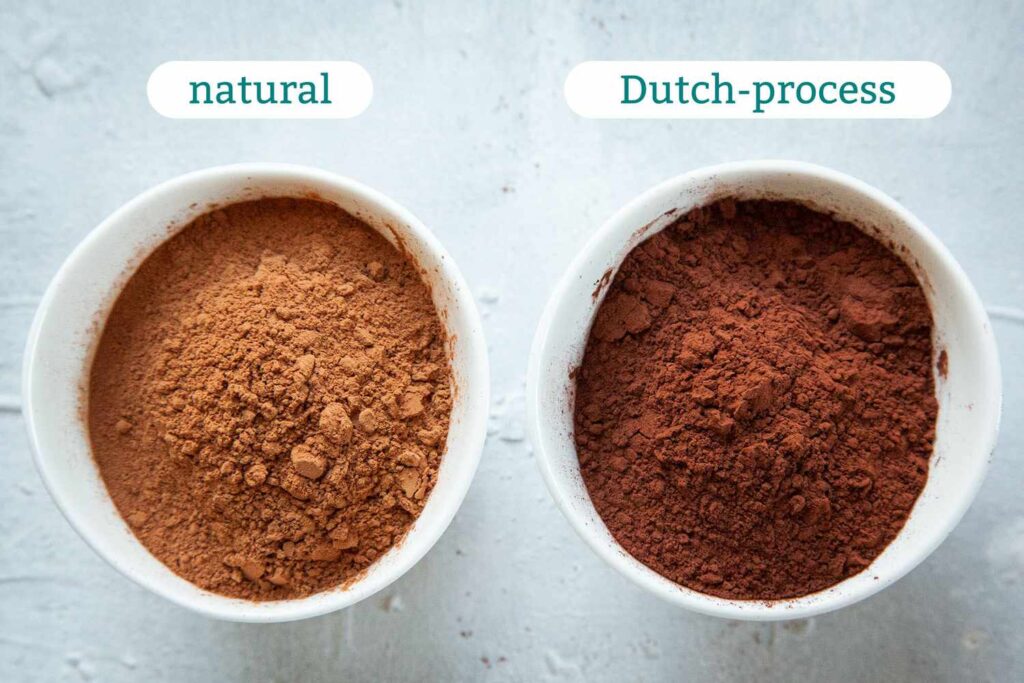
Natural and alkalized cocoa powder side by side: alkalization darkens the colour.
Alkalized (Dutch-process)
pH about 6.8 to 8.4
Acidity: Neutral to alkaline; black cocoa about 8 or higher
Colour: Reddish-brown to dark brown; near black at high pH
Flavour: Smooth, mellow, low acidity
In liquids: Disperses well in milk and water
Leavening partner: Baking powder
Flavanols: Lower, falling as the pH rises
US label: “Processed with alkali”
Main uses: Drinks, ice cream, dark biscuits, fillings, industrial bakery
HS code: 1805.00
Natural (non-alkalized)
pH about 5.2 to 5.8
Acidity: Acidic
Colour: Light to medium reddish-brown
Flavour: Sharp, fruity, more acidic
In liquids: Fair; can clump without good mixing
Leavening partner: Baking soda
Flavanols: Higher
US label: Cocoa, with no alkali statement
Main uses: Baking-soda recipes, brownies, health and clean-label products
HS code: 1805.00
The process
How Cocoa Is Alkalized: the Dutch Process
Alkalization is a controlled treatment. Each processor adjusts the alkali dose, moisture, temperature and time to reach a target pH and colour, so two powders sold as “alkalized” can differ a great deal.
1. Choose the stage
Roasted cocoa nibs, ground cocoa liquor or pressed cocoa cake can be treated. Nib alkalization is the traditional route and is generally linked with the finest flavour; treating the cake is more economical but can give a flatter flavour.
2. Add the alkali solution
A food-grade alkali, most often potassium carbonate, is added as a solution. Sodium, ammonium and magnesium compounds are also permitted alkalis.
3. React under heat
The alkali neutralises organic acids, such as the acetic acid left from fermentation. Heat, moisture and time drive the colour change, so a longer or stronger treatment gives a darker powder.
4. Dry and press
The treated material is dried. Liquor is pressed to separate the cocoa butter, leaving cocoa cake with the target fat content, usually 10 to 12% or 20 to 22%.
5. Mill and sieve
The cake is ground into a fine powder and sieved. The finished powder keeps its new pH, colour and flavour permanently.
Rules and labelling
In the United States, the standard of identity for cocoa lists the alkalis that may be used: ammonium, potassium or sodium bicarbonate, carbonate or hydroxide, and magnesium carbonate or oxide. Their total must not exceed the neutralising value of 3 parts anhydrous potassium carbonate per 100 parts of cocoa nibs. Cocoa treated this way must be labelled “processed with alkali” or “processed with” the name of the alkali used. Importers should check the labelling rules of their own market as well.
The numbers
pH Levels and Grades: From Natural to Black Cocoa
pH is the clearest way to describe how strongly a cocoa powder has been alkalized. It also predicts the powder’s colour, flavour and baking behaviour. Suppliers usually sort alkalized cocoa into light, medium and high grades, with black cocoa at the far end of the scale.
Natural
pH 5.2 to 5.8
Colour: Light, reddish-brown
Flavour: Sharp, fruity, acidic
Typical uses: Baking-soda recipes, brownies, health foods
Light alkalized
pH 6.8 to 7.5
Colour: Brown, often reddish
Flavour: Balanced, mild
Typical uses: Cakes with baking powder, fillings, cereals, drinks
Medium alkalized
pH 7.2 to 7.8
Colour: Medium to dark brown
Flavour: Smooth, rounded
Typical uses: Chocolate drinks, ice cream, cakes
Highly alkalized
pH 7.6 to 8.4
Colour: Dark brown or dark red
Flavour: Mellow, low acidity
Typical uses: Dark cakes, biscuits, coatings and desserts
Black cocoa
pH about 8 or higher
Colour: Near black
Flavour: Very mild, slightly earthy
Typical uses: Dark sandwich biscuits, colour boosting
Typical ranges from published supplier specifications. The bands overlap because each producer sets its own, so always confirm the exact pH on the supplier’s specification or certificate of analysis.
Colour is only a rough guide to pH: the alkali used, the treatment conditions, the beans and the fat level all shift the shade, so two powders with the same pH can look different. Our guide to alkalized cocoa powder pH explains why alkalization darkens cocoa and what decides a red, brown or black shade.
For bakers
Baking: Baking Soda, Baking Powder and Substitution
Leavening is where the difference between the two powders shows most clearly.
- Natural cocoa + baking soda: the acid in the cocoa reacts with the soda and releases carbon dioxide, which lifts the batter.
- Alkalized cocoa + baking powder: baking powder carries its own acid, so the neutral cocoa does not need to react.
- Alkalized cocoa + baking soda only: there is little acid for the soda to react with, so cakes can rise poorly and taste slightly soapy or metallic.
Can you substitute one for the other?
Yes, with care. If a recipe uses baking powder, or no chemical leavening at all (drinks, sauces, frostings), you can usually swap the powders one for one. Expect a change in colour and flavour.
- Natural cocoa in place of alkalized: the result is lighter and more tan, with a slightly tangier taste. In a baking-powder recipe the rise is usually fine.
- Alkalized cocoa in place of natural: in a recipe that relies on baking soda, the bake can rise less and taste slightly soapy. Replace the baking soda with about twice as much baking powder, or keep the soda and add an acid such as buttermilk or yoghurt.
On a production line
Run a small trial batch before switching grades, and check the rise, colour, flavour and pH of the finished product. Our guide to cocoa powder pH and natural cocoa covers the swap rules in more detail.
Applications
Natural or Alkalized? Which to Use, Product by Product
Colour, mild flavour and dispersion make alkalized cocoa the default in many food categories, while natural cocoa keeps its place wherever acidity, a bright cocoa flavour or flavanol content matters. These are starting points; test samples in your own product before you fix a grade.
Beverages
Use: Alkalized, usually light to medium.
Hot chocolate, chocolate milk, vending mixes and protein shakes gain a darker colour, a smoother taste and better dispersion. Cocoa is not fully soluble, so drink mixes often add an emulsifier such as lecithin and a stabiliser to keep the particles in suspension.
Ice cream and frozen desserts
Use: Alkalized, medium to high.
A deeper colour and a rounder, less acidic flavour in chocolate ice cream, sorbets and frozen desserts. Air whipped into ice cream lightens the colour, so darker grades help.
Cakes, muffins and brownies
Use: Either, matched to the leavening.
Natural cocoa with baking soda gives a lighter, tangier crumb. Alkalized cocoa with baking powder gives a darker, milder cake. Keep the pairing the recipe was built on.
Biscuits and cookies
Use: Highly alkalized or black cocoa.
Dark biscuits and sandwich cookies get their deep, near-black colour and mild flavour from strongly alkalized grades.
Fillings, spreads and sauces
Use: Alkalized, light to medium.
Creams, fillings, chocolate spreads, syrups and sauces benefit from the darker colour and smoother, less acidic flavour.
Health and clean-label products
Use: Natural or lightly alkalized.
Snack bars, smoothie mixes and products sold on their cocoa flavanol content keep more flavanols when the cocoa is natural or only lightly treated. Natural cocoa also avoids the “processed with alkali” statement on US labels.
For a fuller decision by product, including fat level and dispersibility, see our guide on how to choose cocoa powder for bakery, beverages and chocolate.
Nutrition
Nutrition: Does Alkalization Change the Health Value?
Both powders are a good source of fibre and of minerals such as magnesium, iron, copper and manganese. Alkalizing with potassium carbonate adds potassium, which is why alkalized cocoa shows a much higher potassium value. The reference values below compare the two per 100 g of unsweetened cocoa powder.
Potassium
Natural: 1,524 mg
Alkalized: 2,509 mg
Iron
Natural: 13.9 mg
Alkalized: 15.5 mg
Fibre
Natural: 37.0 g
Alkalized: 29.8 g
Fat
Natural: 13.7 g
Alkalized: 13.1 g
Reference values per 100 g of unsweetened cocoa powder, natural and processed with alkali (see Sources). Values for any one product vary with the beans, fat level and processing.
Flavanols: the biggest difference
The main nutritional difference is in flavanols, the antioxidant compounds cocoa is known for. Alkalization reduces them, and the loss grows with the strength of the treatment. A study of commercial cocoa powders found an average of 34.6 mg of flavanols per gram in natural cocoa. Lightly alkalized powders kept about 40% of that level, medium alkalized powders about 25% and heavily alkalized powders about 10%.
If antioxidant content is a selling point for your product, choose natural or lightly alkalized cocoa and ask your supplier for polyphenol data. If colour, flavour and dispersion matter more, medium to strongly alkalized grades perform better. Our article on natural cocoa powder benefits looks at the nutrition of natural cocoa in more depth.
Buying guide
Buying Guide: What to Check Before You Order
Two powders both sold as “alkalized”, or both sold as “natural”, can differ widely. Ask for a specification sheet and a Certificate of Analysis (CoA) for each lot, and compare these points. You can see the specifications Radad works to on our alkalized cocoa powder and natural cocoa powder product pages and in the product catalogue.
pH
A stated range, for example 7.0 to 7.5, with the test method, not just “alkalized” or “natural”
Fat content
10 to 12% for standard grades, 20 to 22% for high-fat grades
Colour
A named shade (light, medium, dark, black) and an approved reference sample
Moisture and fineness
Moisture maximum 5%; particle size below 75 microns (about 200 mesh)
Microbiology
Salmonella, E. coli and coliforms negative; plate count, yeasts and moulds within stated limits. See our cocoa microbiological and contaminant guide.
Origin, traceability and packaging
Country of origin and lot traceability (EUDR documents for EU buyers); multi-wall bags with a food-grade liner, commonly 25 kg
Fat level is a separate choice
Alkalization and fat content are independent: both natural and alkalized powders are sold as 10/12 (10 to 12% fat), the standard grade for most bakery, beverage and dry-mix uses, and as 20/22 (20 to 22% fat), which gives a richer mouthfeel. Under the US standards, cocoa with at least 22% fat may be sold as breakfast cocoa, cocoa with 10% to under 22% fat as cocoa, and below 10% as low-fat cocoa. Our guide to 10/12 vs 20/22 cocoa powder explains which fat level your product needs.
Questions to ask your supplier
- Is this powder natural or alkalized, and what is its exact pH range?
- If alkalized, which alkali was used, and at which stage (nibs, liquor or cake)?
- What is the fat content and the colour grade?
- Can you send a CoA with microbiology results for the lot you will ship?
- Where were the beans grown, and can you provide traceability documents?
- What packaging, shelf life and storage conditions do you recommend?
- Can I test a sample in my own recipe before ordering?
HS code, shipping and storage
Cocoa powder without added sugar, natural or alkalized, is classified under HS 1805.00 (often written 18050000 in national tariffs). Cocoa powder with added sugar or other sweetening matter falls under HS 1806.10. Radad ships both powders on FOB or CIF terms; our guide on how to import cocoa powder walks first-time importers through documents and customs.
Store cocoa powder sealed, in a cool, dry place away from strong odours. In hot climates such as the UAE, keep it in air-conditioned storage at low humidity to prevent clumping and fat bloom. Shelf life is commonly up to 24 months from production when stored correctly; always follow the date on the specification.
From Radad International
Natural and Alkalized Cocoa Powder From Radad
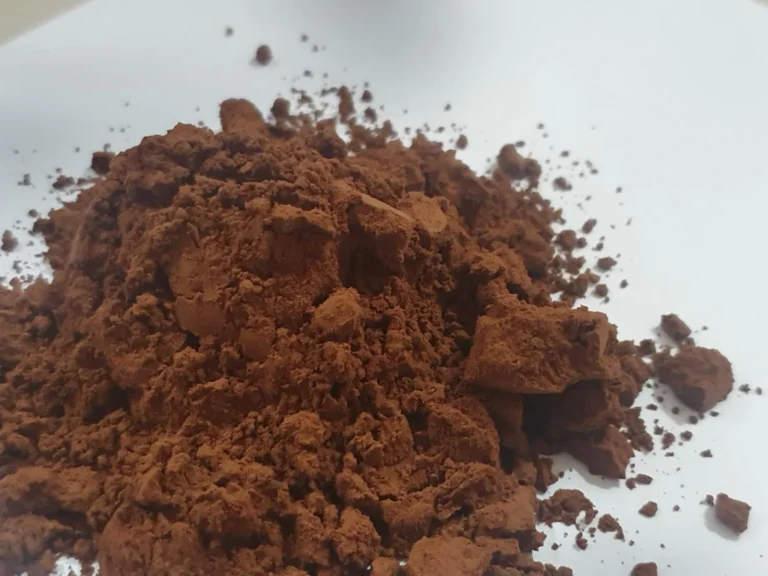
Product
Dutch-process cocoa in light and dark brown shades, pH 6.8 to 8.5 and 10 to 12% fat. Supplied in 1 kg retail packs and 25 kg sacks, shipped on FOB or CIF terms.
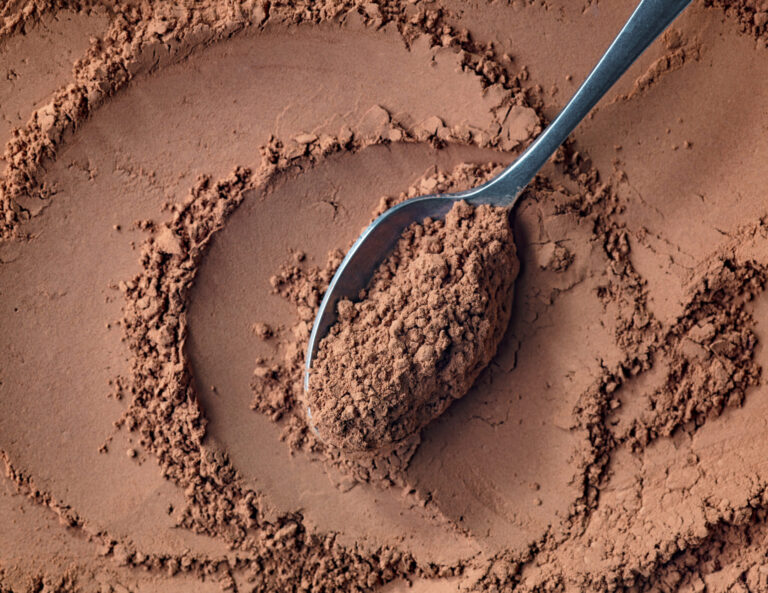
Product
Non-alkalized cocoa with a bright, fruity flavour, pH 5.2 to 5.8 and 10/12 fat. Available in retail packs and in bulk, shipped on FOB or CIF terms.
Work with Radad International
Get natural and alkalized cocoa powder samples with a full specification
Tell us your product, the colour and flavour you are aiming for, and your volume. We will reply with matching natural or alkalized grades, their pH and fat ranges, and a quotation on FOB or CIF terms.
Questions
Frequently Asked Questions
What is the difference between alkalized and natural cocoa powder?
Alkalized cocoa powder has been treated with an alkali, usually potassium carbonate, to neutralise its natural acids. This raises the pH from about 5.2 to 5.8 (natural cocoa) to about 6.8 to 8.4, and gives a darker colour, a milder flavour and better dispersion in liquids. Natural cocoa stays acidic, lighter and fruitier, and reacts with baking soda.
Is alkalized cocoa powder the same as Dutch-process cocoa?
Yes. Alkalized, Dutch-process and Dutched cocoa all describe cocoa powder that has been treated with an alkali to reduce its acidity.
What is the pH of alkalized cocoa powder?
Most alkalized cocoa powder has a pH of about 6.8 to 8.4, depending on how strongly it has been treated, and black cocoa reaches about 8 or higher. Natural cocoa powder is acidic, at about 5.2 to 5.8. Radad alkalized cocoa powder is supplied at pH 6.8 to 8.5 across its light and dark brown shades.
Why is alkalized cocoa darker?
The alkali raises the pH and, together with heat and moisture, changes the cocoa’s natural pigments and speeds up browning reactions. The higher the pH, the darker the powder usually becomes.
Which cocoa powder is healthier?
Natural cocoa keeps more flavanols, the antioxidants cocoa is known for. In one study of commercial powders, lightly alkalized cocoa kept about 40% of the flavanols in natural cocoa and heavily alkalized cocoa about 10%. Both types provide fibre and minerals such as magnesium and iron, and alkalized cocoa contains more potassium.
Can I use alkalized cocoa in a recipe that calls for baking soda?
Only if the recipe has another acid, such as buttermilk or yoghurt. Otherwise, use natural cocoa, or replace the baking soda with about twice as much baking powder.
Can I use natural cocoa instead of Dutch-process cocoa?
Usually, if the recipe uses baking powder or no chemical leavening. Expect a lighter colour and a slightly tangier flavour. In larger batches or on a production line, run a trial first.
How can I tell if a cocoa powder is alkalized?
Check the label. In the United States, alkalized cocoa must be labelled “processed with alkali” or name the alkali used. Alkalized powders are also usually darker and milder. For bulk supply, the specification and certificate of analysis state the pH.
What fat content should I choose?
Cocoa powder with 10 to 12% fat (often called 10/12) is the standard grade for most bakery, beverage and dry-mix uses. High-fat powder with 20 to 22% fat gives a richer mouthfeel and is often chosen for premium drinks and desserts. Both natural and alkalized powders come in either fat level.
What cocoa gives Oreo-style biscuits their colour?
Very heavily alkalized cocoa, often called black cocoa. It gives the near-black colour and a mild, slightly earthy flavour.
Is alkalized cocoa more expensive than natural cocoa?
Not necessarily. Alkalization adds a processing step, and alkalizing at the nib stage costs more than treating the cake, but prices also follow the cocoa market, the fat level and the order volume. Ask for a quotation for the exact grade you need.
What is the HS code for alkalized cocoa powder?
HS 1805.00, which covers cocoa powder not containing added sugar or other sweetening matter, natural or alkalized. It is often written as 18050000 in national tariffs. Sweetened cocoa powder falls under HS 1806.10.
How should I store cocoa powder in a hot climate?
Keep it sealed in a cool, dry, air-conditioned store, away from direct sun and strong odours, and reseal opened bags straight away. Radad recommends 22 to 25 °C and no more than 65% relative humidity.
Keep reading
More Cocoa Powder Guides from Radad International
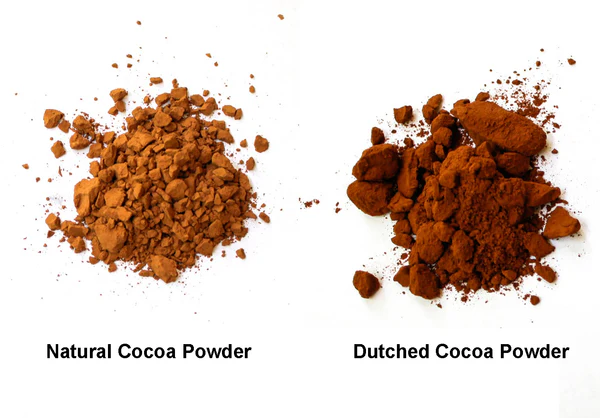
The pH of each grade and why alkalization darkens cocoa.
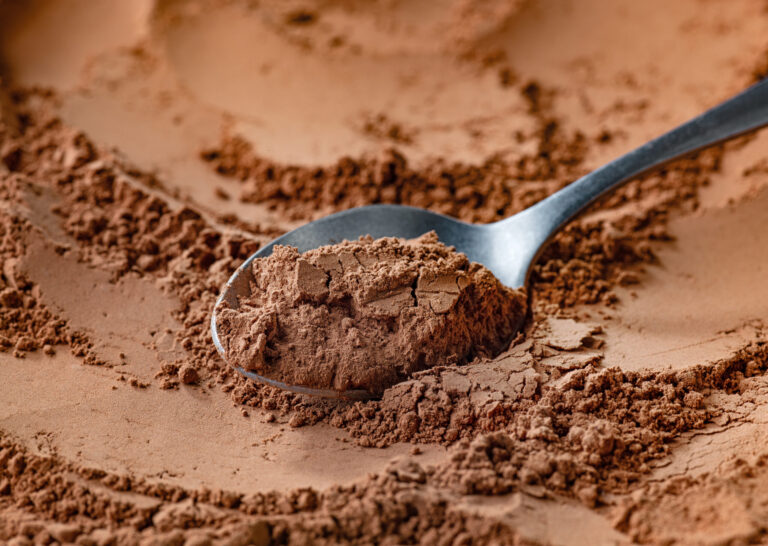
How natural cocoa bakes, with baking soda and swap rules.
Choosing cocoa powder for bakery, beverages and chocolate products.

The darkest alkalized grade, its uses and how to buy it.
Sources and References
- U.S. Code of Federal Regulations, 21 CFR 163.110, Cacao nibs: optional alkali ingredients, limits and labelling, and 21 CFR 163.112 to 163.114 (breakfast cocoa, cocoa and low-fat cocoa).
- Miller, K. B. et al. (2008). Impact of alkalization on the antioxidant and flavanol content of commercial cocoa powders. Journal of Agricultural and Food Chemistry, 56(18), 8527–8533.
- Blommer Chocolate Company, Alkalizing Cocoa and Chocolate (technical paper).
- U.S. Department of Agriculture, FoodData Central, SR Legacy: cocoa, dry powder, unsweetened (FDC 169593); and cocoa, dry powder, unsweetened, processed with alkali (FDC 169594).
- King Arthur Baking, Dutch-process vs natural cocoa.
- Barry Callebaut, The difference between alkalised and natural cocoa powder, an overview.
- World Customs Organization, Harmonized System Nomenclature, Chapter 18: Cocoa and cocoa preparations, headings 18.05 and 18.06.
- Coenraad Johannes van Houten: history of the cocoa press and Dutch-process cocoa.
- Radad International, alkalized cocoa powder and natural cocoa powder technical specifications.