Chocolatiers in the UAE sell into one of the world’s most gift-driven chocolate markets. Boxes of pralines, filled dates and decorated trays are bought for Ramadan and Eid, weddings, newborn celebrations, corporate gifts and hotel guests, and tourism adds to local demand: Dubai received a record 19.59 million international overnight visitors in 2025. The UAE also gave the world one of its biggest chocolate trends: the pistachio and kunafa-filled “Dubai chocolate” bar, first sold by a small Dubai online shop in 2022, spread worldwide after it went viral on TikTok in 2024 and was copied by large chocolate makers and retailers abroad.
The sector ranges from luxury gifting houses and hotel pastry kitchens to bean-to-bar makers, camel milk chocolate producers and online dessert brands. All of them import their cocoa ingredients, since cocoa is not grown in the UAE, and all of them work in summer heat above 40 °C that can melt or bloom chocolate in transit. Their costs have also swung with world cocoa prices, which reached a record $12,906 a tonne in December 2024, fell below $3,000 in February 2026 and stood near $5,600 in October 2026.
Overview
UAE chocolatiers fall into five groups: luxury gifting houses, hotel and patisserie chocolatiers, bean-to-bar makers, specialty producers such as camel milk chocolate makers, and online dessert brands built on social media. Most demand is seasonal and gift-led, peaking in Ramadan (expected to begin around 8 February 2027), the two Eids, the winter wedding season, UAE National Day on 2 December, Diwali, Christmas and Valentine’s Day. Dates, pistachio, saffron, cardamom, rose and camel milk are the local flavours that set UAE chocolate apart.
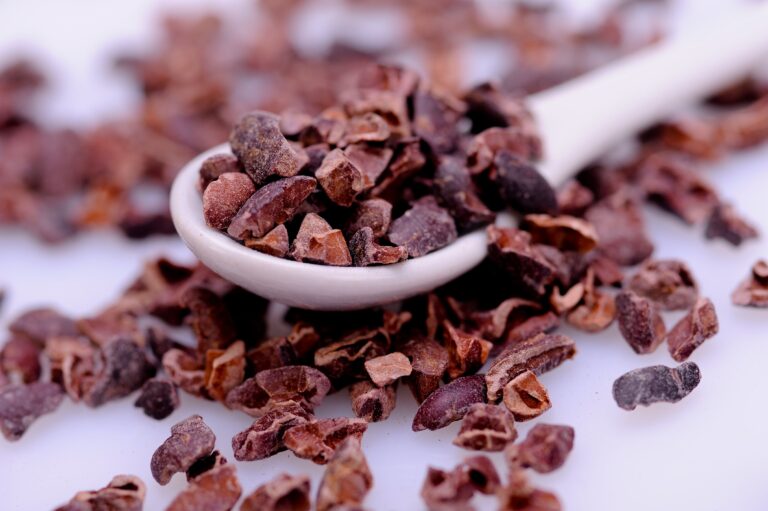
Most chocolatiers work from couverture, while bean-to-bar makers and premium houses also buy cocoa beans, cocoa mass, cocoa butter, cocoa powder and nibs. In UAE conditions, finished chocolate needs a cool, dry store at about 20 °C and around 60% relative humidity, chilled or insulated delivery in summer, Arabic labelling and, for most retailers and hotels, halal certification. Pistachio, the key ingredient of Dubai-style chocolate, became scarcer and dearer as the trend spread, with Dubai wholesale prices rising from about Dh32 to Dh40–45 per kg between February and May 2025.
Buy Cocoa Ingredients in Small Quantities in the UAE
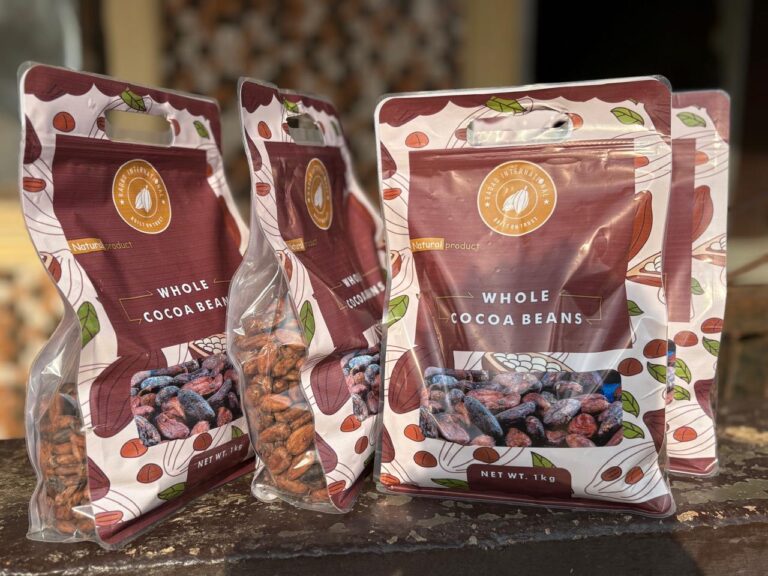
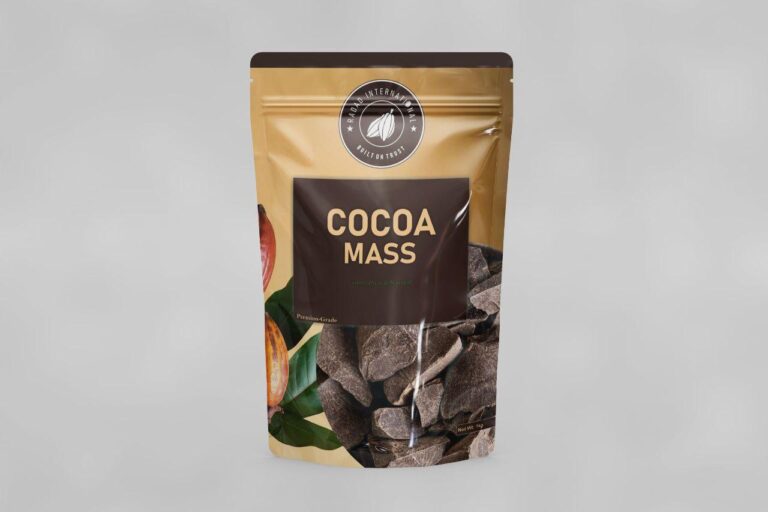
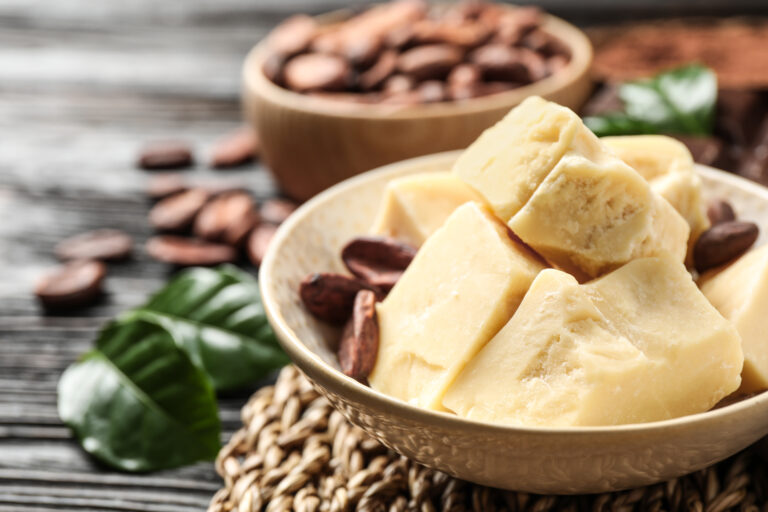
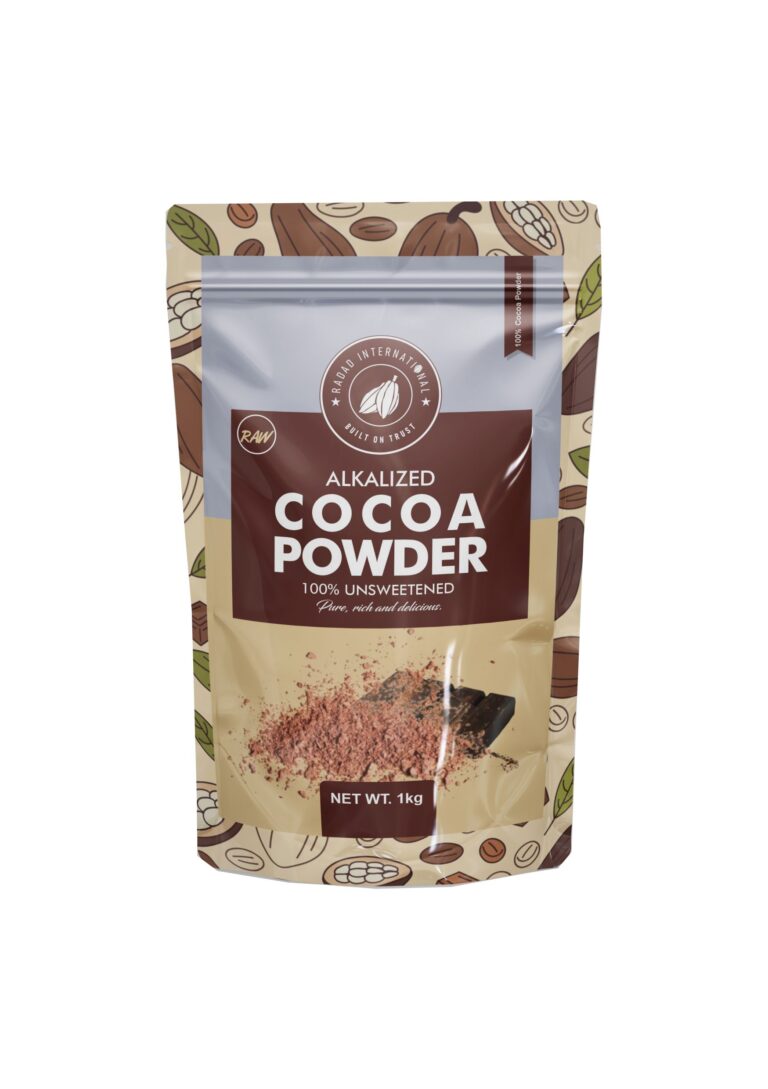
Home chocolatiers, new brands and small workshops rarely need a full container. Our online shop sells African cocoa ingredients in 1 kg, 5 kg, 10 kg and 25 kg packs, or a custom quantity, with delivery anywhere in the UAE. Delivery is charged separately.
The term covers very different businesses, each with its own customers and ingredient needs:
Type
What they make
What they depend on
Type
Luxury gifting houses
What they make
Pralines, filled dates, decorated trays and boxes for weddings, Eid and corporate gifts
What they depend on
Presentation, packaging and consistent quality at volume
Type
Hotel and patisserie chocolatiers
What they make
Bonbons, showpieces, plated desserts, afternoon tea and in-room gifts
What they depend on
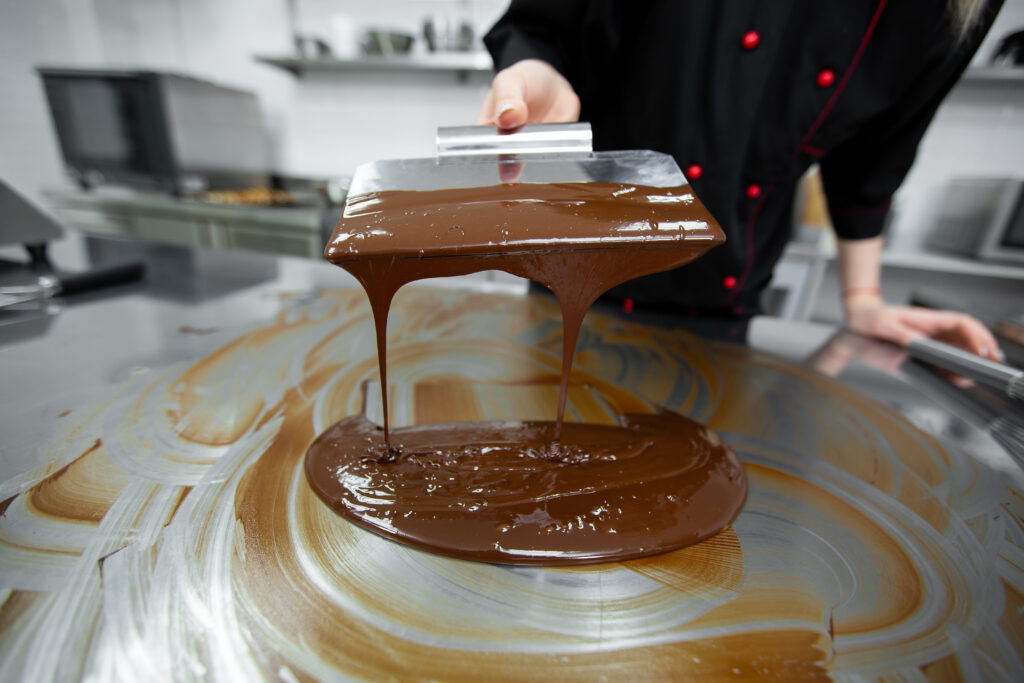
Couverture, cocoa butter for colour and spraying, tempering skill
Type
Bean-to-bar makers
What they make
Single-origin bars made from roasted, ground and conched beans
What they depend on
Cocoa beans with traceable origin and a clean flavour
Type
Specialty producers
What they make
Camel milk chocolate, date chocolate, sugar-free and vegan ranges
What they depend on
Unusual ingredients and clear labelling
Type
Online dessert brands
What they make
Filled bars, viral desserts and delivery boxes sold through social media and apps
What they depend on
Fast product launches and delivery that protects chocolate from heat
Al Nassma, founded in Dubai in 2008, is an example of a specialty producer: it makes chocolate with camel milk from a UAE farm and sells through malls, hotels and duty-free shops.
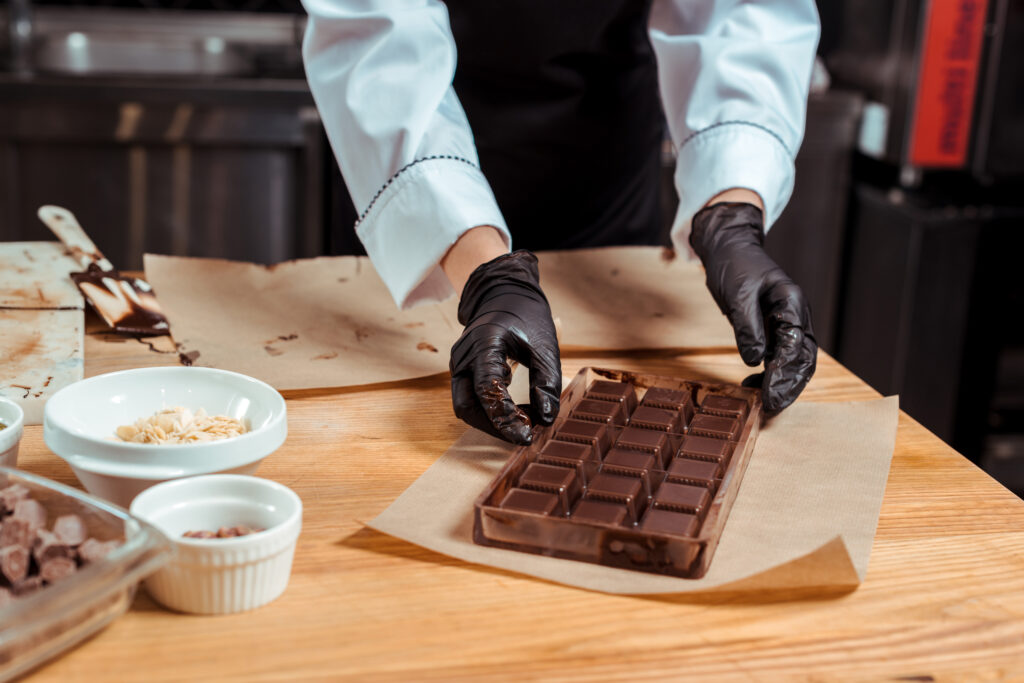
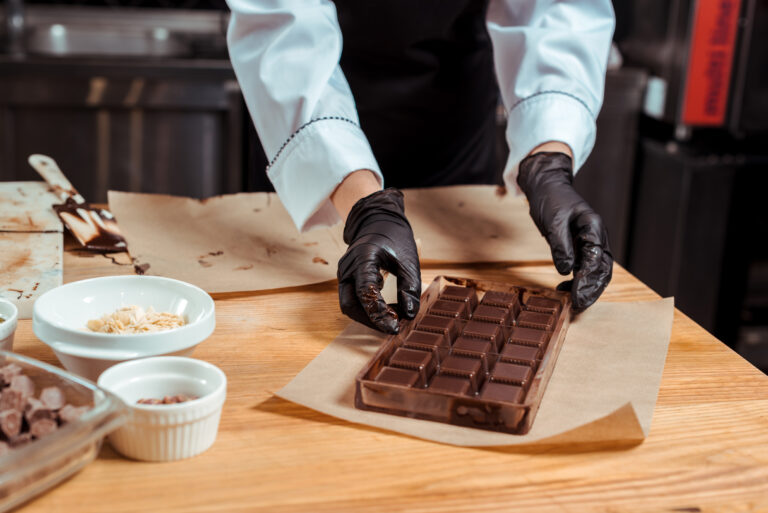
A chocolatier working with moulds
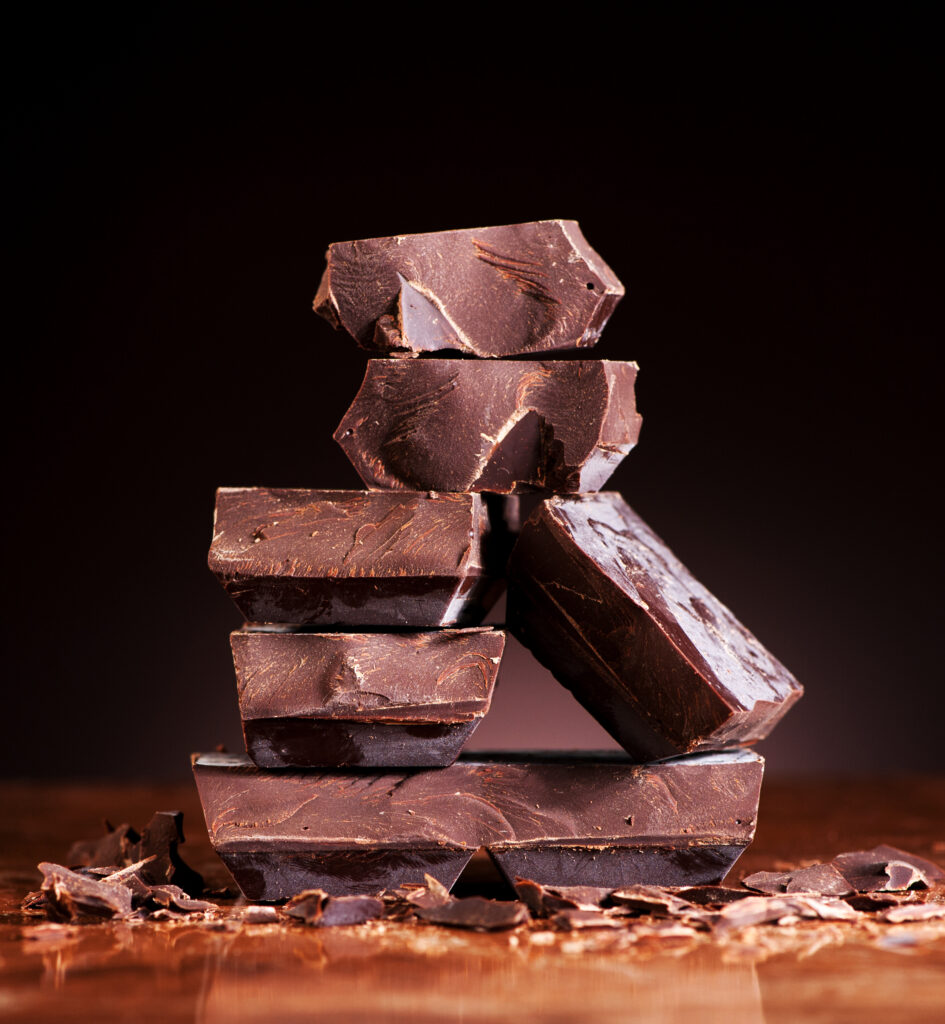
Single-origin bars from bean-to-bar makers
Trend
The Dubai Chocolate Effect on UAE Chocolatiers
The original “Dubai chocolate” bar combines milk chocolate with a filling of pistachio-tahini cream and toasted kadayif (shredded filo pastry). Its rise shaped the UAE chocolate trade:
Date
What happened
Date
2021
What happened
The idea for a pistachio and kunafa-filled bar is conceived in Dubai
Date
2022
What happened
Fix Dessert Chocolatier, a Dubai online shop, releases the bar
Date
2024
What happened
The bar goes viral on TikTok through influencer reviews; demand outstrips supply
Date
2024 to 2025
What happened
Large chocolate makers and retailers in Europe and elsewhere launch their own versions
Date
January 2025
What happened
A German court rules that a Turkish-made bar sold as “Dubai” chocolate could mislead consumers
Date
2025
What happened
Pistachio prices rise worldwide as demand for pistachio cream increases
For UAE chocolatiers, the trend brought international attention to Dubai as a chocolate origin, a wave of pistachio, kunafa and tahini products, and more competition from imported copies. Most legal opinion in the EU treats “Dubai chocolate” as a generic name rather than a protected geographical indication, so makers outside the UAE can use the name.
Filled bars depend on a thin, well-tempered shell with a clean snap.
Products
UAE Flavours and Products Chocolatiers Sell
UAE chocolatiers combine European technique with regional ingredients. These flavours appear across most premium ranges:
Dates
Chocolate-coated and stuffed dates are a staple of Ramadan and Eid gifting.
Pistachio and kunafa
The flavours of Dubai chocolate, now used in bars, bonbons and spreads.
Saffron, cardamom and rose
Arabic spice and floral notes in ganache and pralines.
Camel milk
Milk chocolate with camel milk, sold as a UAE speciality.
Tahini and sesame
Used with pistachio in fillings and in halva-style chocolate.
High-percentage dark
70% and darker bars for buyers seeking less sugar and more cocoa flavour.
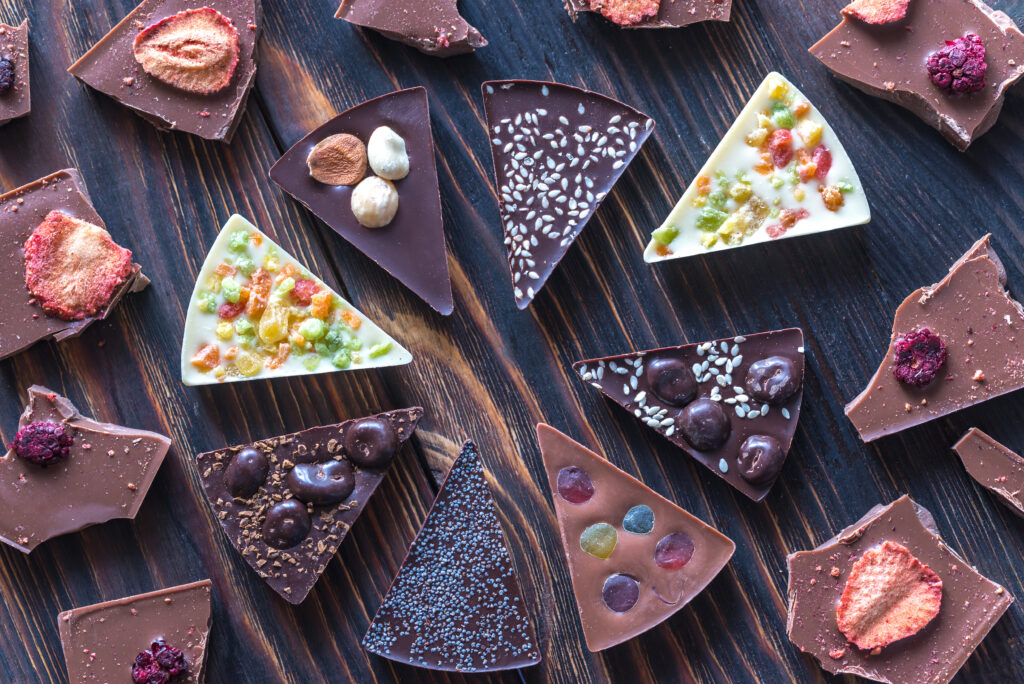
Nuts, dried fruit and spices are the main inclusions in UAE chocolate ranges.
Seasons
The UAE Chocolate Gifting Calendar
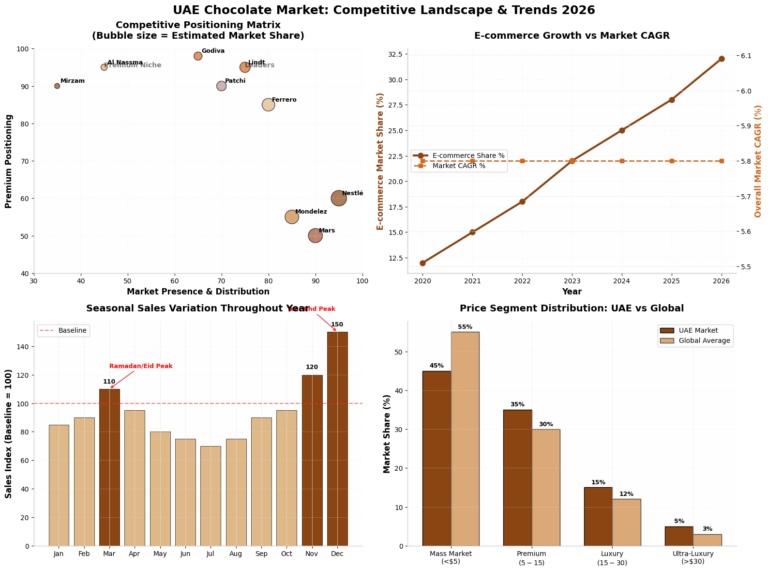
UAE chocolate sales follow religious holidays, the cooler months and corporate gifting. Ingredient orders and production need to be in place before each peak:
Occasion
Timing
What sells
Occasion
Ramadan
Timing
Expected to begin around 8 February 2027, subject to moon sighting
What sells
Filled dates, iftar gift boxes, hampers
Occasion
Eid Al Fitr
Timing
Expected around 9 or 10 March 2027
What sells
Gift boxes and trays
Occasion
Gulfood
Timing
15 to 19 March 2027, Dubai
What sells
Trade buyers, new products and ingredient suppliers
Occasion
Mother’s Day
Timing
21 March
What sells
Boxes and personalised gifts
Occasion
Eid Al Adha
Timing
Expected in May 2027
What sells
Family gifting
Occasion
Diwali
Timing
October or November
What sells
Gift boxes for the Indian community
Occasion
UAE National Day
Timing
2 December
What sells
Themed boxes and corporate gifts
Occasion
Winter season
Timing
November to March
What sells
Weddings, hotel events, Christmas, New Year and Valentine’s Day
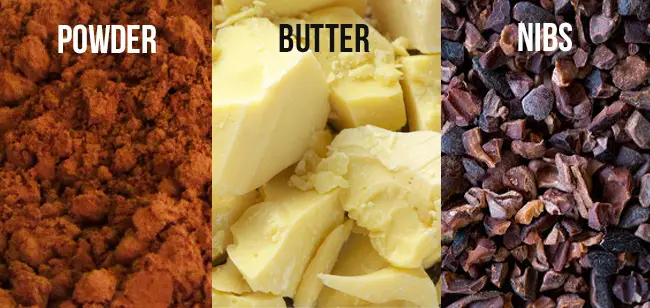
Cocoa is not grown in the UAE, so every chocolatier buys imported ingredients, either from local suppliers or directly from producing countries. The main ones are:
Ingredient
Who uses it
Uses
Ingredient
Couverture
Who uses it
Most chocolatiers
Uses
Moulded bonbons, bars, enrobing, ganache
Ingredient
Cocoa beans
Who uses it
Bean-to-bar makers
Uses
Making chocolate from the bean, with control of origin and roast
Ingredient
Cocoa mass
Who uses it
Premium houses and bean-to-bar makers
Uses
Raising cocoa content, house dark chocolate, ganache without added sugar
Ingredient
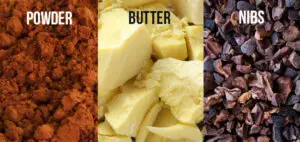
Cocoa butter
Who uses it
All chocolatiers
Uses
Thinning couverture, coloured cocoa butter for bonbon shells, velvet sprays
Ingredient
Cocoa powder
Who uses it
All chocolatiers
Uses
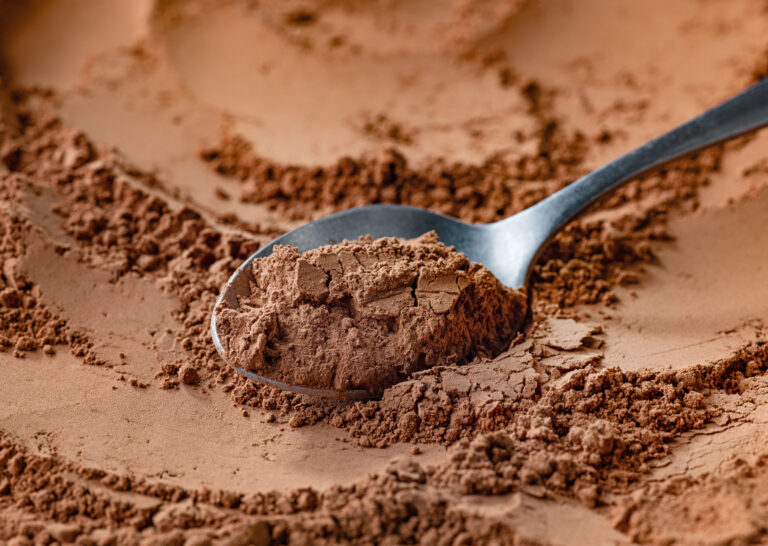
Dusting truffles, coating, cocoa sponges and fillings
Ingredient
Cocoa nibs
Who uses it
Bean-to-bar and premium ranges
Uses
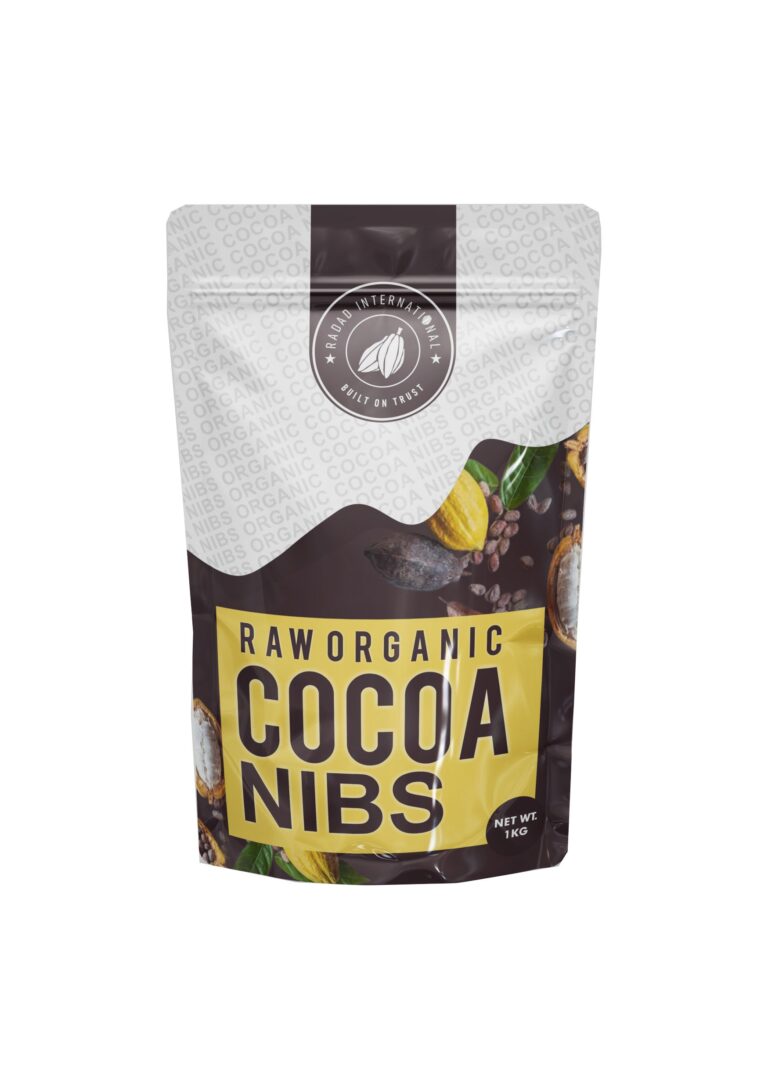
Crunchy inclusions and toppings
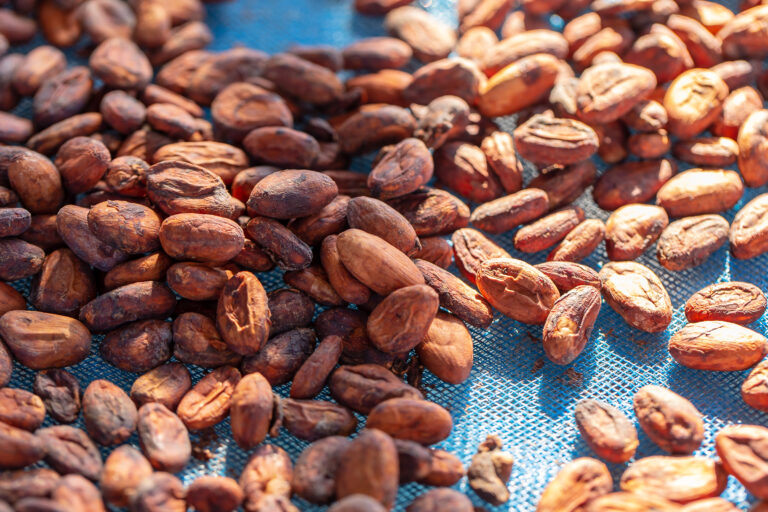
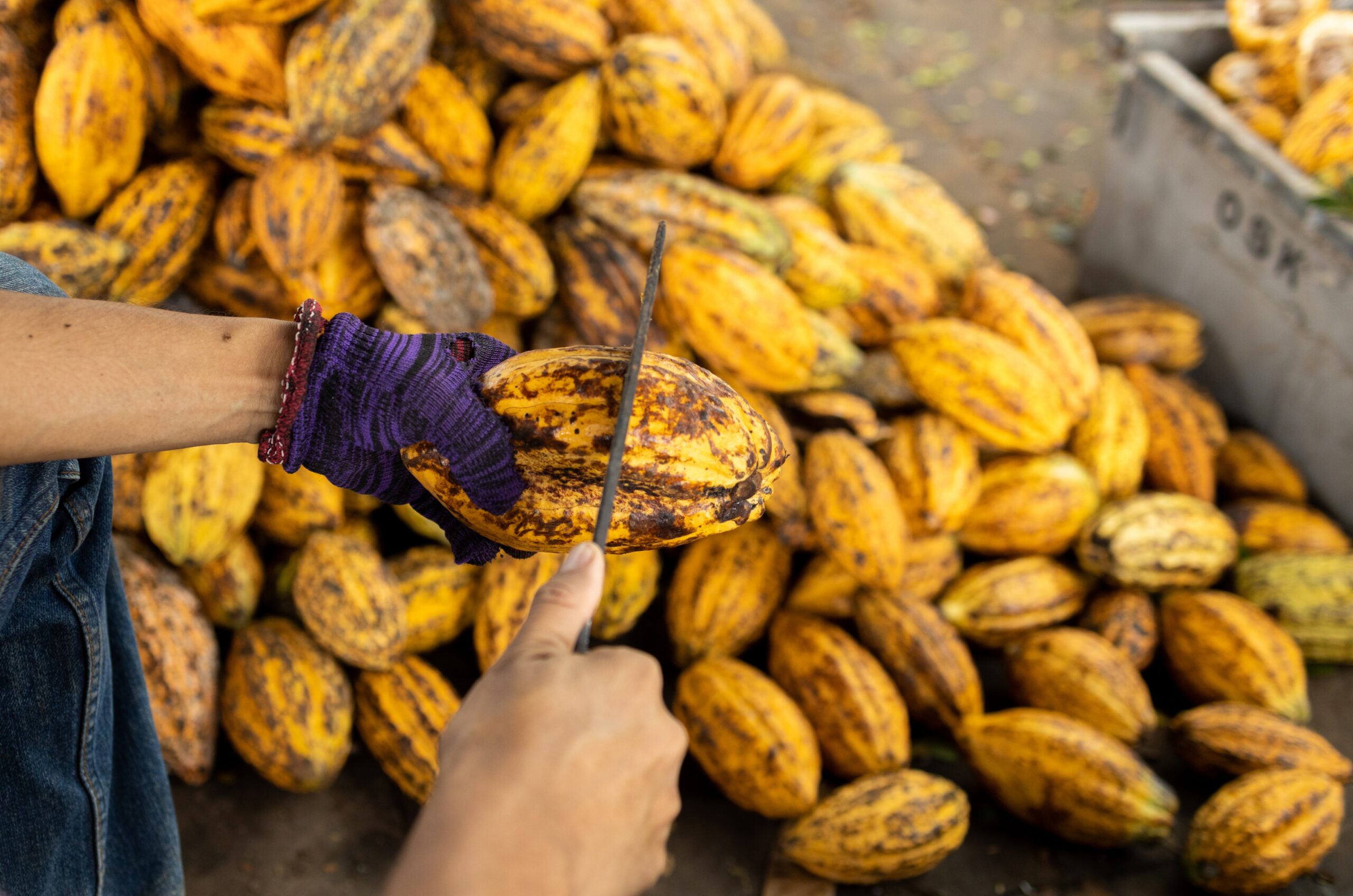
Bean-to-bar makers choose beans on fermentation, defects, bean size, moisture, fat content and cadmium. Our guide to the best cocoa beans for chocolate making explains each point.
Two ingredients drove most cost changes for UAE chocolatiers between 2024 and 2026:
Ingredient
Earlier
Then
Later
Ingredient
Cocoa futures (New York)
Earlier
Record $12,906 per tonne in December 2024
Then
Below $3,000 per tonne in February 2026
Later
About $5,600 per tonne in October 2026
Ingredient
Pistachios (Dubai wholesale)
Earlier
About Dh32 per kg in February 2025
Then
About Dh38 per kg in March 2025
Later
Dh40 to Dh45 per kg in May 2025
Couverture and cocoa product prices follow cocoa futures with a delay, because manufacturers buy beans months ahead. Chocolatiers can limit the impact by agreeing prices for each season in advance, holding enough stock for peak periods, and adjusting recipes, such as the share of filling in a bar, rather than cutting cocoa quality.
Climate
Working With Chocolate in UAE Heat
UAE summers bring temperatures above 40 °C and high coastal humidity, and both damage chocolate. Six practices protect quality from production to delivery:
Store chocolate and couverture in a cool, dry room at about 20 °C and around 60% relative humidity, away from strong smells
Avoid temperature swings: chocolate that softens and sets again develops fat bloom, a grey, streaky surface
Keep chocolate dry: moisture, including condensation when cold chocolate meets warm air, dissolves sugar and leaves sugar bloom
In summer, deliver in insulated or chilled packaging and avoid leaving parcels in vehicles or at doors
Let chilled chocolate warm up inside its packaging before opening, to prevent condensation
Keep cocoa butter, cocoa mass and couverture well below cocoa butter’s melting point of about 34 °C
Correct tempering gives chocolate the stable crystal form that resists bloom.
Compliance
Labelling, Halal and Selling Rules for UAE Chocolatiers
Chocolate sold in the UAE is pre-packaged food, so labelling, licensing and halal requirements apply to both local makers and importers:
Mandatory label details must appear in Arabic under GSO 9/2019; Arabic stickers are accepted on imported packs
Labels include the product name, ingredients, allergens, net weight, storage instructions, country of origin, lot number and production and expiry dates
Food businesses need a licence from the authority of their emirate, and imported products must be registered before sale
Most retailers and hotels ask for halal certification, which rules out non-halal gelatin and alcohol-based ingredients
Nuts, milk, sesame and gluten are common allergens in UAE chocolate and must be declared on the label
Growth
How UAE Chocolatiers Can Grow
Five steps help a UAE chocolatier move from seasonal sales to steady growth:
1
Plan production around the calendar
Fix production and ingredient orders for Ramadan, Eid, National Day and the winter season months ahead.
2
Secure ingredients by contract
Agree volumes, specifications and prices with suppliers before each season, with test results for every batch.
3
Combine local flavours with sound technique
Use dates, pistachio, saffron and camel milk in well-tempered, freshly made chocolate, and date every batch.
4
Sell through several channels
Combine a shop or kiosk with online orders, delivery apps, hotels, corporate gifting and duty-free.
5
Protect quality in delivery
Invest in insulated packaging and cool storage so chocolate arrives in the condition it left the kitchen.
Consistent moulding and packaging matter as much as flavour in gift ranges.
Work with Radad International
Cocoa Ingredients for UAE Chocolatiers
Tell us what you make and the volumes you need for the coming season, and we will send specifications and samples of African cocoa beans, cocoa mass, cocoa butter, cocoa powder and nibs, with delivery across the UAE.
Luxury gifting houses, hotel and patisserie chocolatiers, bean-to-bar makers, specialty producers such as camel milk chocolate makers, and online dessert brands.
A milk chocolate bar filled with pistachio-tahini cream and toasted kadayif pastry, first released by a Dubai online shop in 2022. It went viral on TikTok in 2024 and has since been copied worldwide.
No. Most legal opinion in the EU treats it as a generic name, not a geographical indication, although a German court ruled in January 2025 that one Turkish-made bar sold as Dubai chocolate could mislead consumers.
Ramadan and the two Eids, followed by the winter season from November to March with weddings, National Day, Christmas, New Year and Valentine’s Day. Ramadan 2027 is expected to begin around 8 February.
Demand for pistachio cream for Dubai-style chocolate added to a global shortage. Dubai wholesale prices rose from about Dh32 per kg in February 2025 to Dh40 to Dh45 by May 2025.
Yes. Radad International’s online shop sells cocoa beans, cocoa mass, cocoa butter, cocoa powder and nibs in 1 kg, 5 kg, 10 kg and 25 kg packs or custom quantities, with delivery anywhere in the UAE.
From importers and suppliers that hold stock in the UAE, or directly from producing countries. Radad International supplies African cocoa beans, cocoa mass, cocoa butter, cocoa powder and nibs with delivery across the UAE.
What’s Happening i’m new to this, I stumbled upon this I have found It absolutely useful and it has aided me out loads. I hope to contribute & assist other users like its helped me. Great job.
I love the efforts you have put in this, regards for all the great posts.



2 Responses
What’s Happening i’m new to this, I stumbled upon this I have found It absolutely useful and it has aided me out loads. I hope to contribute & assist other users like its helped me. Great job.
I love the efforts you have put in this, regards for all the great posts.