Cocoa suppliers in the UAE are the exporters, importers, distributors and traders that sell cocoa beans, cocoa powder, cocoa butter, cocoa mass, nibs and shells to bakeries, chocolate makers, food manufacturers, cosmetic brands and re-exporters in the Emirates. Some ship directly from producing countries in Africa or Latin America, others hold stock in Dubai or Jebel Ali and sell by the bag or pallet, and many trade through free zones such as DMCC, which announced a dedicated Cacao Centre in April 2026. The right supplier depends on what you buy and how much: a café needs small, fast deliveries of powder, while a chocolate factory needs a written specification, a certificate of analysis for every lot and a price linked to the world market. Whoever you choose, the supplier should hold a valid UAE trade licence with a food-trading activity, register its products with the authorities, label retail packs in Arabic, and let you test a sample before you order. Comparing suppliers on landed cost, consistency and documents, rather than on the price per kilo alone, is what protects your product and your margins.
Overview
The UAE imported USD 17.3 million of raw cocoa beans and USD 65.3 million of chocolate and cocoa products in 2023, and re-exported USD 16.4 million of beans, which makes Dubai a trading hub as much as a market. Around 88 DMCC companies already work in cocoa trading, chocolate making and confectionery, and the planned Cacao Centre aims to add storage, grading, blending and processing in Dubai.
Buyers choose between three routes: importing directly from origin (lowest price, largest volumes, longest lead time), buying from a UAE importer or distributor with local stock (smaller quantities, faster delivery, a higher price per kilo), or using a trader who arranges both. In every case, check the supplier’s licence and registrations, agree a specification, test a sample, and compare offers on the landed cost after duty, VAT, freight and storage.
Product range
What You Can Buy From Cocoa Suppliers in the UAE
Most UAE cocoa suppliers specialise in a few products. Know which one you need, and its HS code, before you ask for quotes:
HS 1801
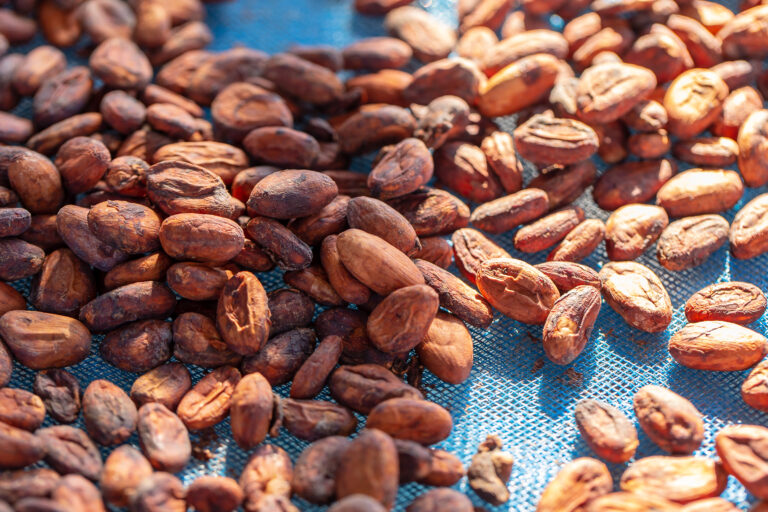
Cocoa beans
Whole fermented, dried beans for grinding, roasting or bean-to-bar chocolate.
Typical buyers: Chocolate factories, bean-to-bar makers, traders
HS 1805
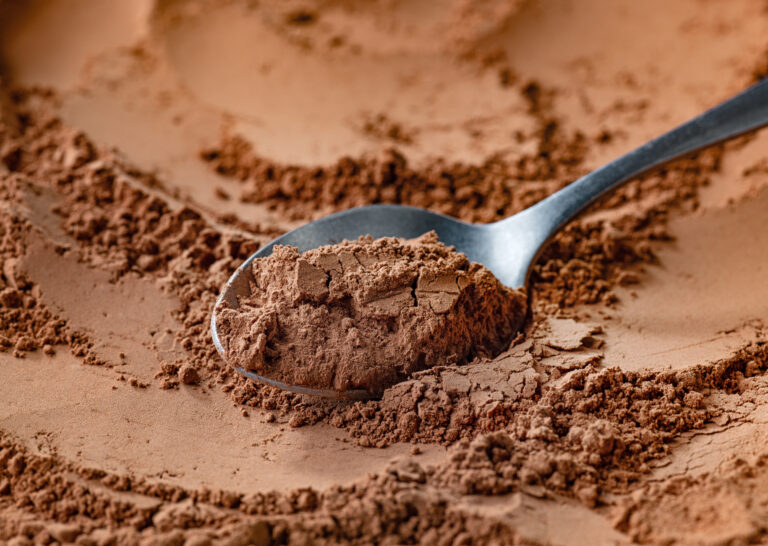
Natural cocoa powder
Non-alkalized powder with a pH of about 5 to 6, a lighter colour and a sharper taste, in 10/12% or 20/22% fat.
Typical buyers: Bakeries using baking soda, health-food and beverage brands
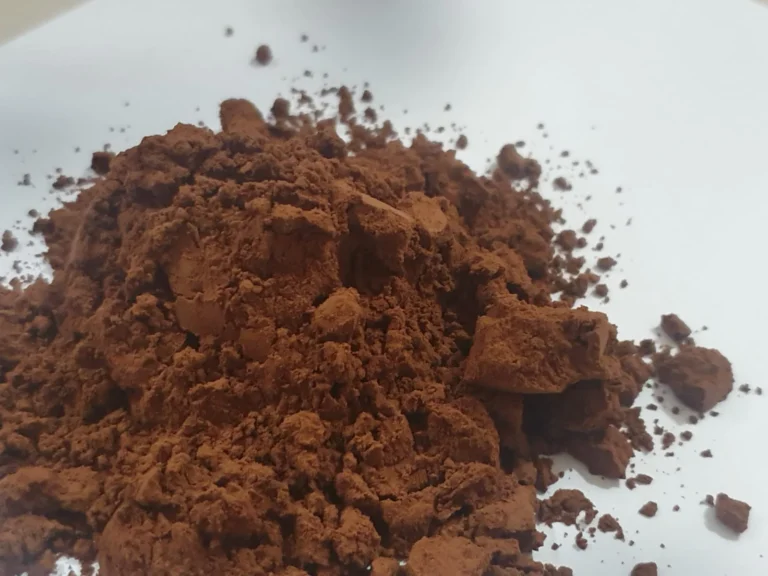
HS 1805
Alkalized cocoa powder
Dutch-process powder with a higher pH, a darker colour and a milder taste, from light to heavily alkalized grades.
Typical buyers: Bakeries, beverage, biscuit and ice cream makers

HS 1805
Black cocoa powder
The most heavily alkalized grade, used for near-black biscuits, cakes and desserts.
Typical buyers: Biscuit makers, pastry chefs and dessert brands
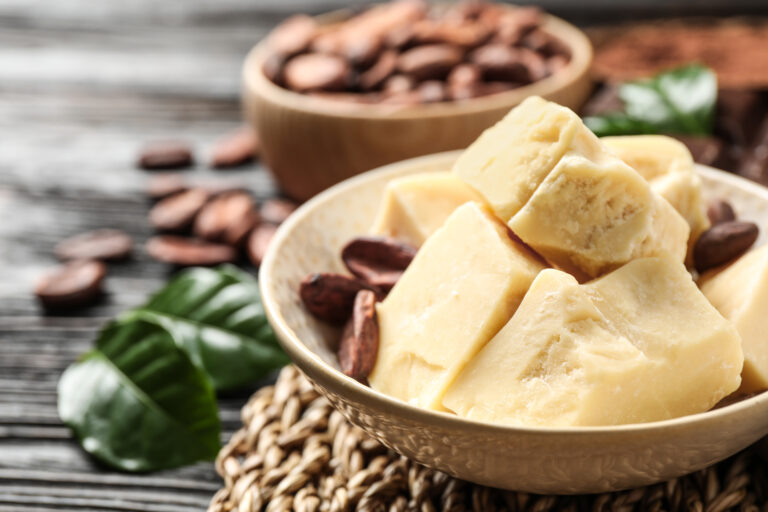
HS 1804
Cocoa butter
Natural or deodorized butter in blocks or drops, for chocolate, cosmetics and pharmaceuticals.
Typical buyers: Chocolatiers, cosmetic and soap makers
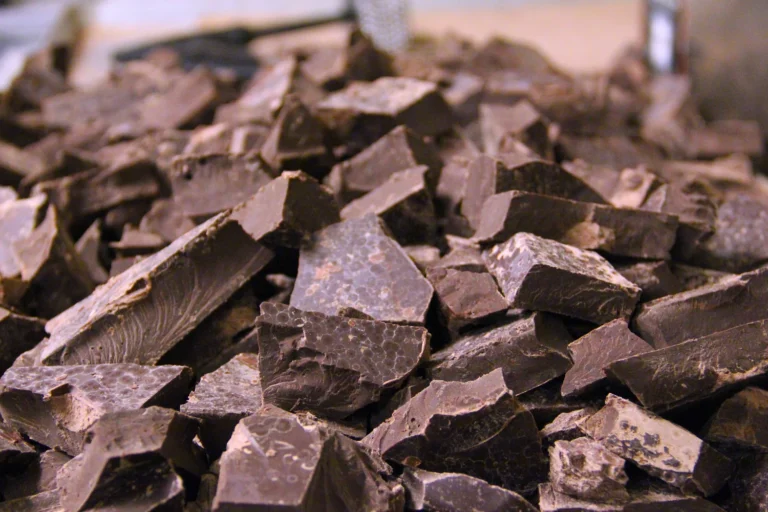
HS 1803
Cocoa mass
Ground nibs (also called cocoa liquor) for making chocolate and fillings.
Typical buyers: Chocolate makers, confectioners
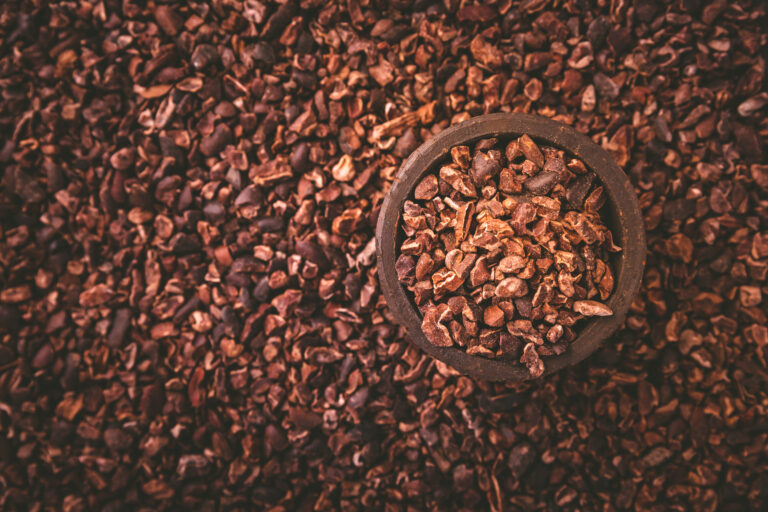
HS 1801
Cocoa nibs
Roasted, broken beans for snacks, toppings and baking.
Typical buyers: Bakeries, health-food and snack brands
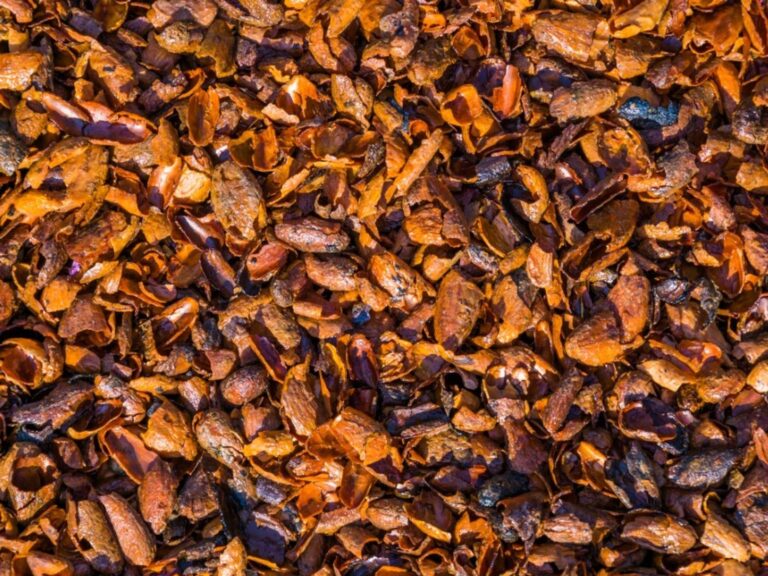
HS 1802
Cocoa shells
The husk removed before grinding, used for tea, mulch, feed and fibre.
Typical buyers: Tea blenders, garden and feed suppliers
Supplier types
The Four Types of Cocoa Supplier in the UAE
The word “supplier” covers very different businesses. Each suits a different buyer:
Supplier type
What they offer
Best for
Watch out for
Supplier type
Origin exporter with a UAE office
What they offer
Direct shipments from the producing country, full container loads, origin documents
Best for
Factories and large buyers who want the lowest price per tonne
Watch out for
Long lead times and larger minimum orders
Supplier type
Importer or distributor with local stock
What they offer
Bags and pallets from a UAE warehouse, quick delivery, local invoicing
Best for
Bakeries, cafés and small manufacturers
Watch out for
Higher price per kilo; check how long the stock has been stored
Supplier type
Free-zone trader
What they offer
Re-export, blending and trading across the region, often from DMCC or Jebel Ali
Best for
Re-exporters and buyers in other GCC markets
Watch out for
Goods leaving a free zone for the UAE mainland need customs clearance
Supplier type
Wholesaler or cash-and-carry
What they offer
Small retail packs off the shelf
Best for
Home bakers and very small businesses
Watch out for
Limited grades and little technical data
Buying route
Buying From Local Stock or Importing Directly
The biggest decision is whether to buy cocoa that is already in the UAE or to import it yourself through an exporter. The trade-offs:
What differs
Local stock in the UAE
Direct import from origin
What differs
Minimum order
Local stock in the UAE
A few bags or one pallet
Direct import from origin
Usually a container; some exporters offer trial lots of about 2 MT of beans
What differs
Lead time
Local stock in the UAE
Days
Direct import from origin
About 4 to 8 weeks from order to arrival
What differs
Price per kilo
Local stock in the UAE
Higher: includes the importer’s freight, duty, storage and margin
Direct import from origin
Lower, but you pay freight, duty, clearance and storage yourself
What differs
Paperwork
Local stock in the UAE
Handled by the supplier
Direct import from origin
You need an importer licence, registrations and clearance
What differs
Quality control
Local stock in the UAE
Test each delivery against the agreed specification
Direct import from origin
Pre-shipment inspection, a sample and a laboratory report before you pay
Rule of thumb
If you use less than a few tonnes a year, local stock is usually simpler. Once you buy a container or more each year, importing directly or through an exporter with a UAE office often lowers your landed cost. Our guide to buying bulk cocoa beans explains the import route step by step.
Due diligence
How to Vet a Cocoa Supplier in the UAE
A professional supplier will pass every one of these checks without hesitation:
1
Check the trade licence
Ask for the licence and confirm it with the issuing authority: the emirate’s economic department for mainland companies, or the free-zone authority. It should include a food-trading activity.
2
Confirm product registration
Food importers register on the federal ZAD system and the emirate’s portal, such as FIRS in Dubai. Ask whether the product you are buying is registered.
3
Ask for a specification and a certificate of analysis
The specification sets pH, fat, moisture, fineness and microbiology. The certificate of analysis proves each lot meets it.
4
Test a sample
Try the powder or butter in your own recipe, and cut-test beans before you accept a lot. See our cocoa bean cut test guide.
5
Look at the storage
Visit the warehouse or ask for photos. Cocoa should be stored cool, dry and away from strong odours, especially in summer.
6
Check the documents
Origin certificate, health certificate, packing list and invoice should match the product, the lot and the quantity you receive.
7
Agree terms in writing
Price basis, delivery dates, payment terms and what happens if a lot misses the specification.
Regulation
UAE Rules for Importing and Selling Cocoa
Food in the UAE is regulated at two levels. The Ministry of Climate Change and Environment sets federal import controls through the ZAD system, the Ministry of Industry and Advanced Technology adopts food standards, and each emirate handles port clearance and inspection, for example Dubai Municipality through FIRS and ADAFSA in Abu Dhabi (ChemLinked).
Licence and registration
The importer needs a trade licence with a food-trading activity, then registers on ZAD and the emirate’s portal. Product registration needs a label copy, a photo and product data such as origin, ingredients and storage temperature.
Labelling
Retail packs must carry the mandatory information in Arabic under UAE.S GSO 9, with English allowed alongside: name, ingredients, allergens, net quantity, importer details, origin and lot number, plus production and expiry dates where required.
Duty and VAT
The UAE applies the GCC common customs tariff, usually 5% of the CIF value, with exemptions for some foods. VAT of 5% is charged on imports and is generally recoverable for VAT-registered businesses. Confirm the rate for your HS code with your broker or the Federal Customs Authority.
Documents per shipment
- An import request lodged before the goods arrive
- Bill of entry from customs
- Delivery order and packing list
- Health certificate from the country of origin
- Certificate of origin
- Other certificates where relevant, such as organic
Tip
If you buy from a local distributor, these are their responsibilities. Ask to see the product registration and a recent health certificate anyway: it tells you the stock was imported properly.
Market
Dubai as a Cocoa Trading Hub
The UAE grows no cocoa, but it trades a great deal of it. In 2023 it imported USD 17.3 million of raw cocoa beans and USD 65.3 million of chocolate and cocoa products, and exported USD 16.4 million of raw beans, mostly as re-exports (DMCC; TrendEconomy).
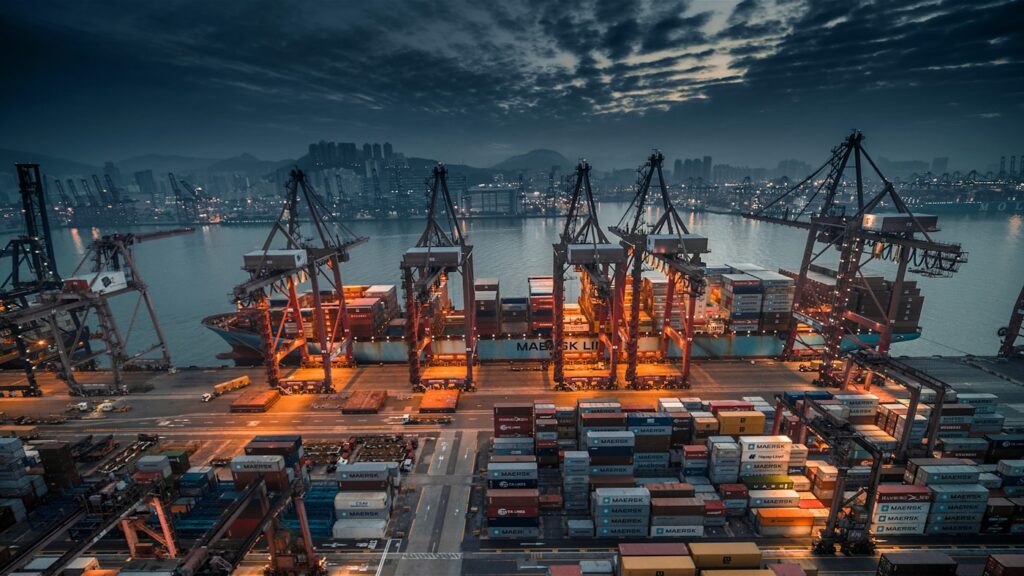
Jebel Ali and the free zones make Dubai a re-export point for cocoa into the Gulf, Asia and Africa.
In April 2026, DMCC announced plans for a Cacao Centre in Dubai, bringing together the 88 DMCC companies active in cocoa trading, chocolate manufacturing and confectionery. The partners will study facilities to store, grade, blend and process beans into cocoa liquor, butter and powder, with trade finance through DMCC’s platform (DMCC). For buyers, this should mean more cocoa held and graded locally over the next few years.
Climate
Storing Cocoa in the UAE Heat
UAE summers are hot and humid along the coast, and cocoa products suffer if they are left in non-air-conditioned trucks or stores. Ask your supplier how goods are stored and delivered, and plan the same at your end:
Cocoa beans
Keep dry and ventilated, off the floor and away from walls. Damp air and condensation cause mould.
Cocoa powder
Keep bags sealed, cool and dry. Humidity makes powder clump and can affect its flow and shelf life.
Cocoa butter
Keep it cool. Cocoa butter melts at around body temperature, so a hot truck or store room in summer can melt or bloom it.
Cocoa mass and nibs
Keep cool, dry and away from strong odours; cocoa absorbs smells easily.
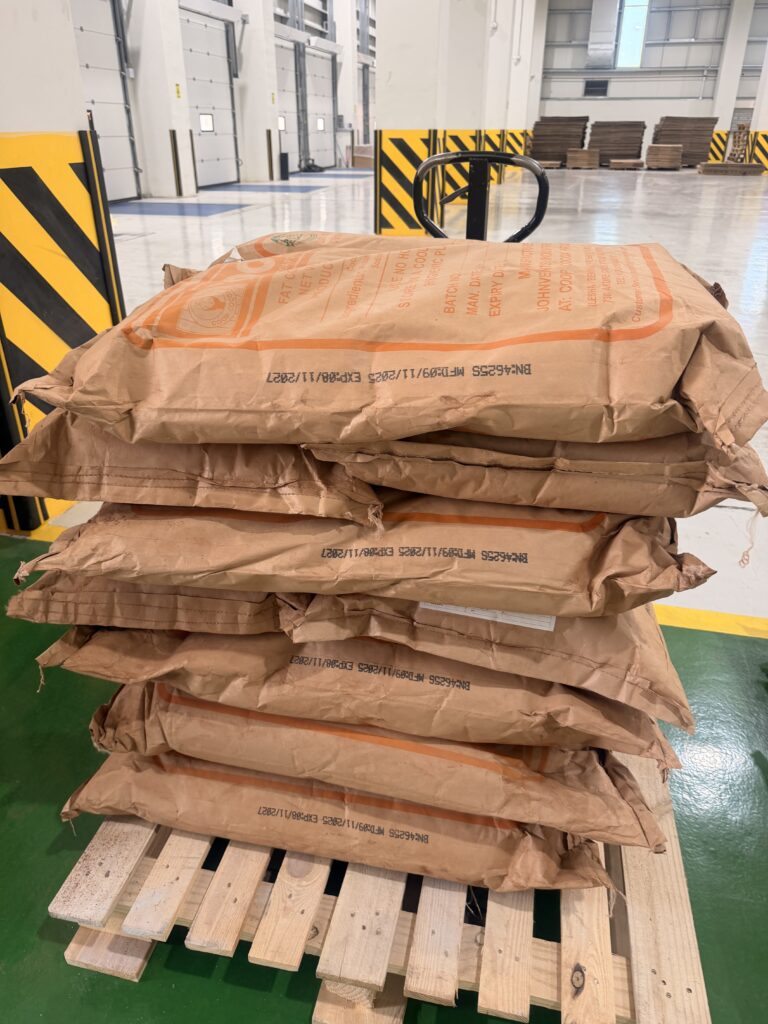
Store cocoa on pallets in a cool, dry, air-conditioned warehouse.
By business
Choosing a Cocoa Supplier for Your Business
Bakeries and cafés
Buy powder from local stock in 25 kg bags or smaller, and ask for natural and alkalized grades so you can match each recipe. See how to choose cocoa powder.
Chocolate makers
Buy beans, mass and butter with a full specification and a certificate of analysis for every lot. Larger makers often import directly.
Food and beverage manufacturers
Fix grades, pack sizes and delivery schedules in a supply agreement, and compare suppliers on landed cost.
Cosmetic and soap makers
Ask for natural or deodorized cocoa butter, with documents suitable for cosmetic use. See our cocoa butter suppliers guide.
Traders and re-exporters
Work through a free zone, keep origin documents for every lot, and check the import rules of each destination market.
Checklist
Questions to Ask Any Cocoa Supplier in the UAE
- Is your trade licence valid, and does it include food trading?
- Is this product registered on ZAD and the emirate’s portal?
- Can you send the specification and a certificate of analysis for the current lot?
- Can I have a sample to test in my own product?
- Where and how is the stock stored, and how old is it?
- What is the minimum order, and how long does delivery take?
- Is the price fixed, or linked to the futures market?
- What happens if a delivery does not meet the specification?
Work with Radad International
Source cocoa products in the UAE from an origin exporter
Radad International supplies cocoa beans, powders, butter, mass, nibs and shells from African origins, with offices in Dubai and Nigeria. Tell us the product, grade and volume you need, and we will send a specification, a sample and a quotation.
Or email info@radadinternational.com · +971 522 501 039
Questions
Frequently Asked Questions
Who are the cocoa suppliers in the UAE?
They include origin exporters with UAE offices, importers and distributors that hold local stock, free-zone traders in places such as DMCC and Jebel Ali, and wholesalers that sell small packs. Choose by what you buy, how much, and how quickly you need it.
Where can I buy cocoa powder in bulk in Dubai?
From importers and distributors with warehouse stock in Dubai, usually in 25 kg bags, or directly from an exporter if you buy by the pallet or container. Ask for the specification, a certificate of analysis and a sample before ordering.
Does the UAE produce cocoa?
No. The UAE grows no cocoa, but it imports and re-exports it. In 2023 it imported USD 17.3 million of raw cocoa beans and USD 65.3 million of chocolate and cocoa products.
Do I need a licence to import cocoa into the UAE?
Yes. You need a trade licence with a food-trading activity, registration on the federal ZAD system and the emirate’s portal, and product registration before goods are cleared.
What is the customs duty on cocoa in the UAE?
The UAE applies the GCC common customs tariff, usually 5% of the CIF value, with exemptions for some foods, plus 5% VAT on imports. Confirm the rate for your HS code (1801 to 1806) with your customs broker.
Is it cheaper to import cocoa myself or buy locally?
Importing a container is usually cheaper per kilo, but you take on freight, duty, clearance and storage. For small or irregular volumes, buying from local stock is often simpler and cheaper overall.
Do cocoa products need Arabic labels in the UAE?
Yes, for retail packs. The mandatory label information must be in Arabic under UAE.S GSO 9, with English allowed alongside.
What is the DMCC Cacao Centre?
A planned trade platform in Dubai, announced by DMCC in April 2026, to bring cocoa trading, storage, grading, blending and processing together, linked to trade finance.
How should I store cocoa in the UAE?
Cool, dry and away from strong odours, ideally in an air-conditioned store. Keep powder sealed against humidity, and protect cocoa butter from heat, since it melts at around body temperature.
How do I check that a cocoa supplier is genuine?
Confirm the trade licence with the issuing authority, ask for product registration, a specification, a certificate of analysis and buyer references, test a sample, and avoid paying everything in advance to an unverified seller.
Keep reading
More Guides from Radad International
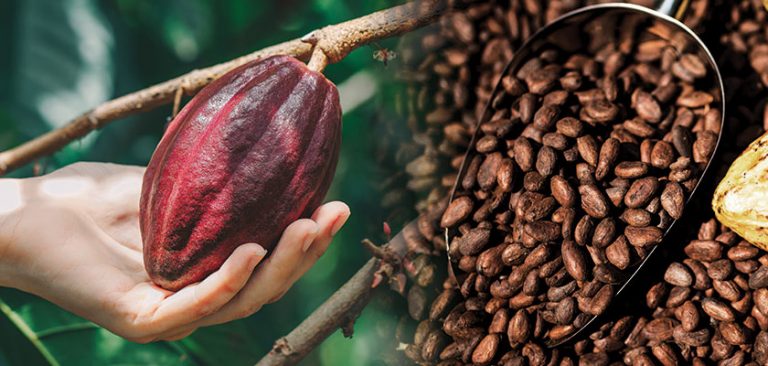
Cocoa beans
Top Cocoa Bean Supplier in Dubai, UAE
Bulk and organic cocoa beans for chocolatiers and manufacturers.
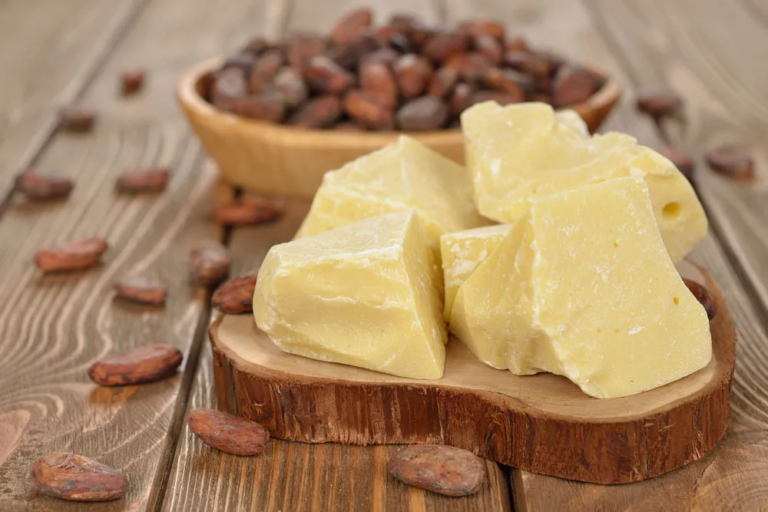
Cocoa butter
Cocoa Butter Suppliers in UAE
Grades, prices, storage and uses of cocoa butter in the UAE.
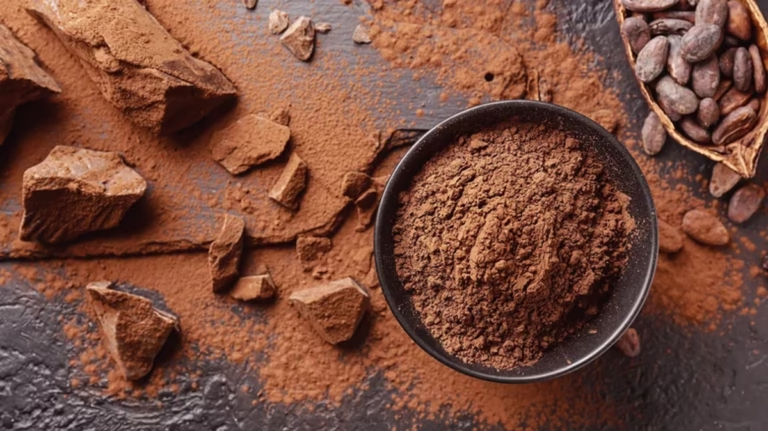
Cocoa powder
Natural Cocoa Powder Supplier in Dubai, UAE
Organic, single-origin and bulk natural cocoa powder.
Importing
How to Buy and Import Bulk Cocoa Beans
Seven steps from specification to customs.
Sources and references
- DMCC, DMCC to launch Cacao Centre to accelerate USD 26.2 billion global cocoa trade through Dubai (April 2026)
- TrendEconomy, World imports of HS 180100 cocoa beans (UAE, 2023)
- ChemLinked, United Arab Emirates food regulation
- Middle East Briefing, Customs duties and import-export taxes in the UAE
- UAE Federal Customs Authority