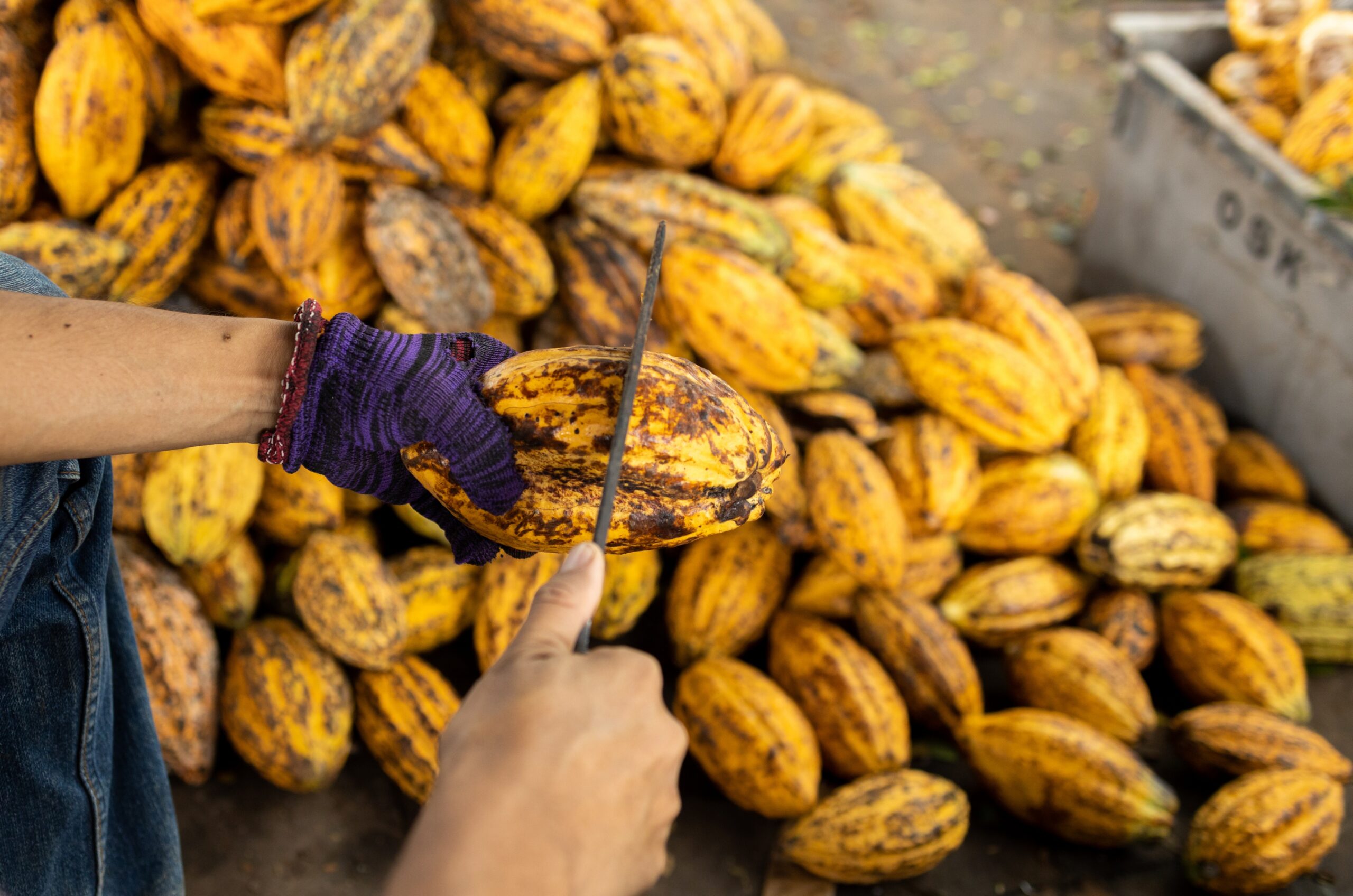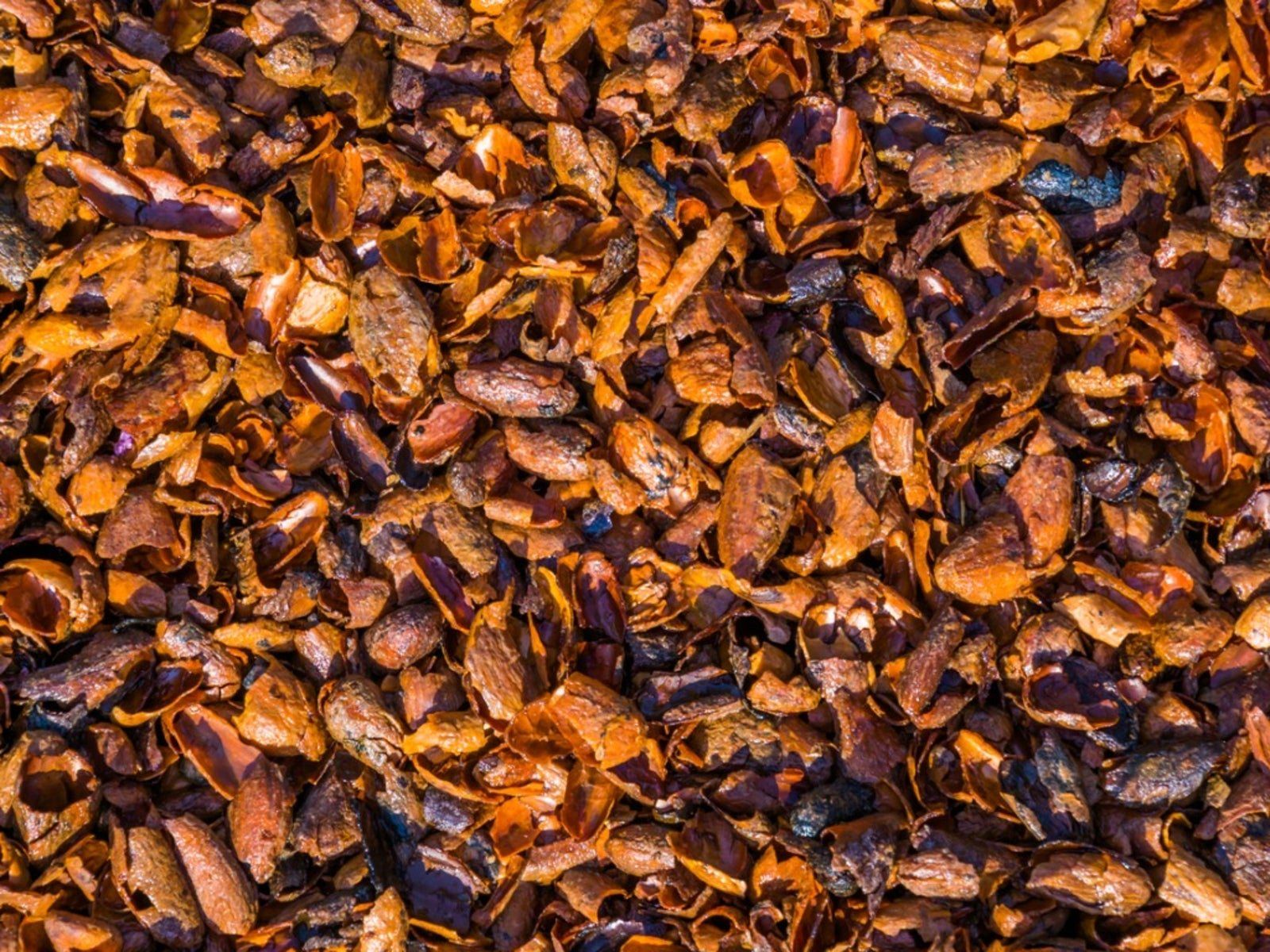
Every tonne of cocoa beans that passes through a chocolate factory leaves behind more than 100 kilograms of papery brown shell. For decades most of it was burned, dumped or sold cheaply as garden mulch. Today the same material is brewed as tea, milled into high-fibre flour, mined for theobromine, fed in small amounts to livestock, and turned into fuel and biochar.
This guide covers what cocoa bean shells are and where they come from, what each use is worth in practice, the safety limits that apply, and how the customs code HS 1802 shapes the way shells are traded in 2026.
In brief
- Shells make up 10–17% of a cocoa bean’s weight and come off during winnowing, after roasting.
- They are rich in fibre, protein, potassium and theobromine, which opens many uses and also sets the limits.
- Cocoa shell mulch can poison dogs. Keep it out of any garden a dog can reach.
- Food and feed uses need lab testing: shells carry more cadmium than nibs, and the EU caps theobromine in feed.
- HS 1802 is the correct code, and it falls under the EU Deforestation Regulation from 30 December 2026.
10–17%of a cocoa bean’s weight is shell
700,000+ tof shells produced worldwide every year
~50%dietary fibre on a dry basis, more than wheat bran
30 Dec 2026EU deforestation rules begin to cover HS 1802
Contents
- What cocoa bean shells are
- Where shells separate in processing
- Nutritional composition
- Cocoa shell mulch
- Is cocoa mulch toxic to dogs?
- Cocoa husk tea
- Dietary fibre and shell flour
- Theobromine recovery
- Animal feed limits
- Biomass fuel and biochar
- The cadmium warning
- The HS 1802 trade code
- Bulk pricing and MOQs
- Frequently asked questions
01The basics
What cocoa bean shells are, and how they differ from pod husks
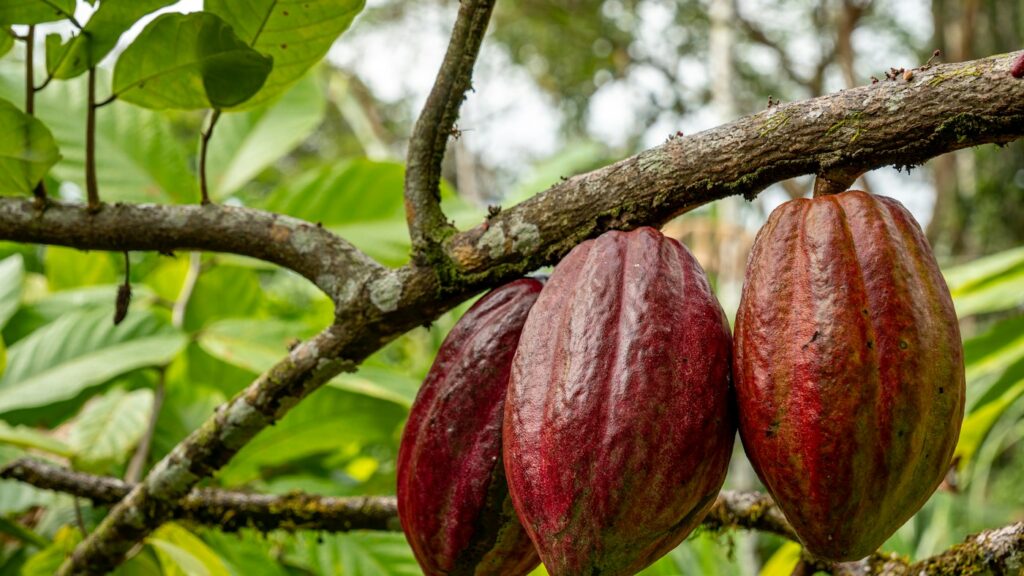
People use “shell”, “husk” and “hull” almost interchangeably. The cocoa fruit actually produces three separate by-products, and on customs paperwork the difference counts.
| By-product | What it is | Where it appears |
|---|---|---|
| Pod husk | The thick outer wall of the fruit, roughly three-quarters of a fresh pod’s weight. It is usually composted, burned or made into potash and briquettes. | On the farm, when pods are opened |
| Bean shell | The thin, brittle skin around each dried bean, also called the hull or testa. This is the material that is traded in bulk. | At the processing plant, during winnowing |
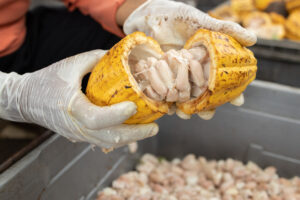
| Pulp | The sweet white mucilage around fresh beans. It is used for juices, jams and vinegar. | On the farm, during fermentation |
This guide is mainly about the bean shell, because that is the material that builds up at grinders and exporters and moves in container loads. When a garden centre sells “cocoa husk mulch” or a tea brand sells “cacao husk tea”, the product is almost always bean shell.
02Processing
Where shells separate in cocoa processing
The shell stays on the bean through fermentation, drying and shipping, and protects the nib along the way. It only comes off once the beans reach a processor. (Our bean-to-bar guide covers the full journey.)
- Harvest and openingPods are split open and the pod husks stay on the farm.
- FermentationFive to seven days in heaps or boxes, which develops flavour.
- DryingBeans are dried to about 7% moisture and bagged for export.
- Cleaning and roastingHeat dries the shell out and loosens it from the nib.
- Cracking and winnowingBeans are cracked, and air currents carry the light shell away from the heavier nibs. This is the point where shells are produced.
- GrindingThe clean nibs become cocoa liquor, butter and powder.
Two processing details largely decide what a batch of shells is worth.
Roasted or raw
Most plants roast whole beans and then winnow, so the shells come out roasted, aromatic and partly sterilised. Plants that winnow before roasting the nibs produce raw shells, with less aroma and a higher microbial load. Tea and food buyers almost always want roasted shells.
Winnowing efficiency
No winnower is perfect. Nib fragments left in the shell raise its fat and theobromine content. Shell left in the nib is a quality defect, capped at 5% by Codex Alimentarius, which is why reputable cocoa nib suppliers publish a shell-content specification.
03Composition
Nutritional composition of cocoa bean shells
Composition explains every use of the shell and every restriction on it. Shells are low in moisture, high in fibre, protein and potassium, and carry a meaningful dose of theobromine and polyphenols.
The tables below bring together laboratory data from peer-reviewed studies. Values are per 100 g of shell. Where a study reports a range, it reflects differences in origin, clone, fermentation and roasting.
Proximate composition
| Component | Per 100 g | Notes |
|---|---|---|
| Energy | 341–374 kcal (about 1,430–1,570 kJ) | Ghanaian shells, roasted and unroasted [a] |
| Moisture | 3.6–13.1 g | Lower after roasting [b] |
| Protein | 10.3–27.4 g | 15.3–23.4 g in Ghanaian shells [a][b] |
| Fat | 1.5–12.3 g | Higher values usually reflect nib fragments left in the shell [a][b] |
| Carbohydrate | 38.3–52.6 g | Calculated by difference, Ghanaian shells [a] |
| Total dietary fibre | 20–66 g, dry basis | Often about 50 g. Mostly insoluble; roughly 45% pectins, 35% cellulose, 20% hemicellulose [b][c] |
| Crude fibre | 6.8–11.2 g | An older, narrower method that reads far lower than dietary fibre. Check which one a spec sheet quotes. [a] |
| Ash (total minerals) | 6.0–11.4 g | Roasting raises ash by about 15% [b] |
Minerals
| Mineral | mg per 100 g | Notes |
|---|---|---|
| Potassium (K) | 2,382–3,144 | The most abundant mineral, and the reason shells are valued as a soil amendment |
| Calcium (Ca) | 661–1,419 | Range covers roasted and unroasted shells |
| Phosphorus (P) | 484–1,698 | Varies widely between cocoa clones |
| Magnesium (Mg) | 233–551 | Varies widely between cocoa clones |
| Sodium (Na) | 26–51 | Low |
Bioactive compounds
| Compound | Amount | Relevance |
|---|---|---|
| Theobromine | 0.8–1.7 g per 100 g (8–17 g/kg) | A valuable extract, but toxic to dogs and capped in animal feed [d] |
| Caffeine | About 5–7 times less than theobromine | Adds to the stimulant effect in tea and to toxicity in dogs [b] |
| Total polyphenols | 6–95 mg gallic acid equivalents per g, dry | Mainly epicatechin, catechin and procyanidins; the basis for antioxidant claims [b] |
| Vitamins | Vitamin D, vitamin E in the fat fraction, some B1 and B2 | No vitamin C detected [b] |
| Cadmium | Trace, but higher than in the nib | The key food-safety check (see section 11) [e] |
Reading these numbers
Composition varies widely between lots. Fermentation, roasting and winnowing efficiency all shift the figures, and nib carried over into the shell raises fat, energy and theobromine. Use these ranges for orientation. For food, feed or extraction, ask for a certificate of analysis for the actual lot you are buying.
Sources: [a] Ampomah K.A. et al. (2024), Discover Food 4:104, cocoa bean shells of Ghanaian clones. [b] Rojo-Poveda O. et al. (2020), Nutrients 12:1123, review. [c] Foods (2024), carbohydrase treatment of cocoa bean shells. [d] EFSA (2008), theobromine in animal feed. [e] CBI, EU buyer requirements for cocoa.
04Landscaping
Cocoa shell mulch
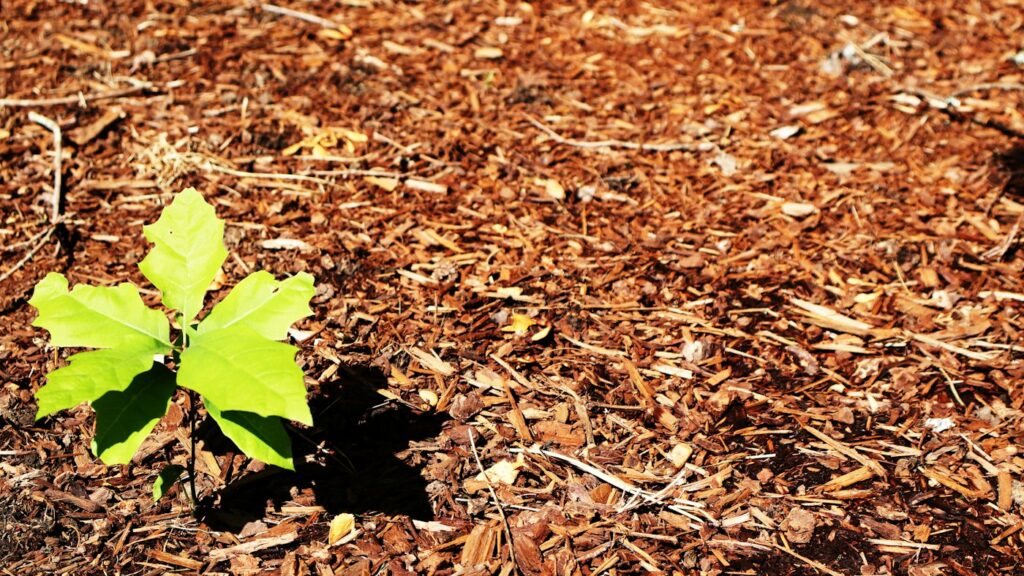
Mulch is still the best-known use for cocoa shells, and in most markets it is also the largest by volume. Landscapers value it for its even dark-brown colour, its ability to hold moisture and block weeds, and the organic matter and potassium it gives back to the soil as it breaks down. For the first few weeks it also smells faintly of chocolate.
Practical notes for landscapers
Spread a layer 5–7 cm deep and water it lightly straight away. The shells knit into a mat that resists wind, which helps in the Gulf. In humid weather a harmless white mould can appear on the surface, and raking breaks it up. Keep the mulch a few centimetres away from plant stems and trunks. It breaks down faster than wood chips, so plan to top it up each season.
05Pet safety
Is cocoa shell mulch toxic to dogs?
Yes, it can be. Cocoa shells contain the same two compounds that make chocolate dangerous to dogs: theobromine and caffeine. Dogs clear theobromine very slowly. Its half-life in a dog is about 17.5 hours, so repeated nibbling builds up instead of passing through.

ASPCA toxicology data puts mild signs at around 20 mg of these compounds per kilogram of body weight, severe signs at 40–50 mg/kg, and seizures at about 60 mg/kg.
How little it takes
Take a shell batch containing 1.2% theobromine, which is 12 mg per gram. A 10 kg dog could show mild signs after eating about 17 g, roughly a small handful. It could be at risk of seizures after about 50 g.
Signs usually appear 6–12 hours after eating. They include vomiting, diarrhoea, restlessness, a racing heart and tremors. Deaths are uncommon, but they have been reported.
If your dog has eaten cocoa mulch, call your vet or an animal poison line immediately rather than waiting for symptoms. In the US, the ASPCA Animal Poison Control Center is on (888) 426-4435.
The simplest rule is not to use cocoa shell mulch anywhere a dog can reach it. Horses are also very sensitive to theobromine. Mulch sellers should put a clear pet warning on every bag and in their product specification, which protects both customers and the business.
06Beverages
Cocoa husk tea and infusions
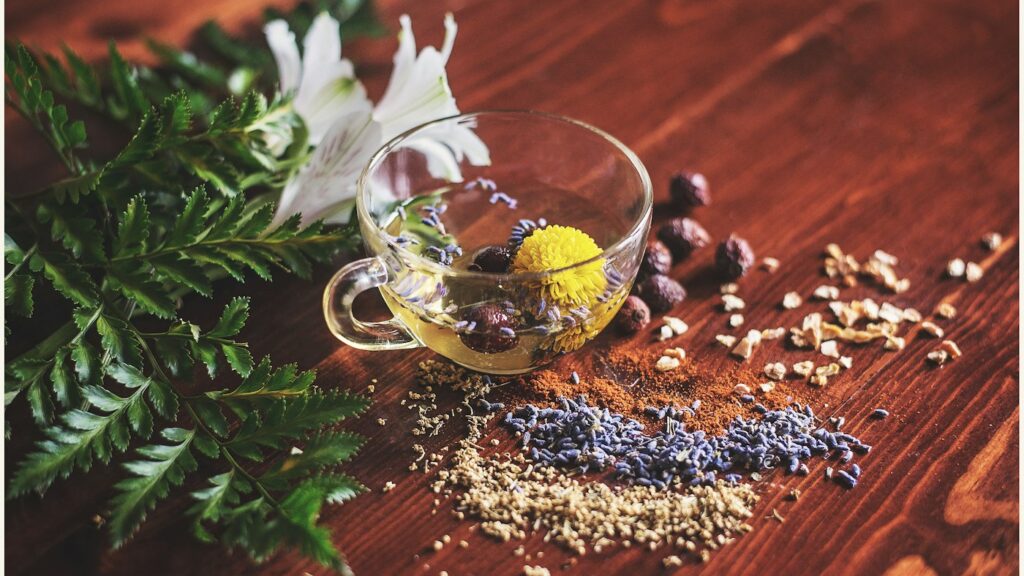
Roasted cocoa shells steeped like a herbal tea make a reddish-brown, chocolate-scented drink with almost no calories and a gentle lift from theobromine, which acts more slowly and smoothly than caffeine. “Cacao husk tea” is now an established niche in speciality tea shops and wellness brands, often blended with cinnamon, rooibos, orange peel or mint.
How to brew it
Use one to two tablespoons of roasted shells per 250 ml of water just off the boil, and steep for 5–10 minutes. The shells will usually give a second steeping.
What tea buyers specify
Food-grade shells that are roasted, cleaned and de-dusted, with microbiology, moisture and heavy-metal test results for every lot.
Tea is the most profitable retail channel for shells, because the margin comes from branding and packaging. It is also the use most exposed to contaminant testing. Mulch-grade shell cannot be turned into tea-grade shell simply by repackaging it.
07Food ingredients
Dietary fibre extraction and shell flour
Food technologists are most interested in shells for their fibre. At around 50% total dietary fibre, including a useful share of the soluble fibre linked to gut health, shells rank alongside the most fibre-dense cereal brans.
Bakery
Cocoa shell flour
Finely milled shell can replace part of the wheat flour in cookies, breads and snacks. Published trials report good results at 5–30% replacement, adding fibre, colour and a cocoa note.
Cost saving
Cocoa and fat replacers
Alkalized shell powder can stand in for part of the cocoa powder in bakery mixes and coatings, lowering cost and raising fibre. Compare it with true alkalized cocoa powder.
Supplements
Purified fibre concentrates
Enzyme treatment can shift the fibre towards its soluble fraction, producing a cleaner-tasting ingredient for supplements and fortified foods.
In every case, shells used as a food ingredient must meet food-grade standards: cleaning, sterilisation, particle-size control and, above all, contaminant testing. In some markets a new shell-derived ingredient may also need novel-food approval.
08Extraction
Theobromine recovery
With around 0.8–1.7% theobromine, cocoa shells are one of the cheapest natural sources of the compound. Extracted theobromine goes into functional drinks and “smooth energy” supplements, into cosmetics such as firming creams and hair care (see our wider guide to the uses of cocoa beyond chocolate), and into pharmaceutical research, where it has been studied as a mild bronchodilator and cough suppressant.
Recovery uses hot-water, solvent or supercritical CO₂ extraction, followed by purification. It has a useful side effect: once the theobromine is removed, the remaining shell is much safer for feed and for pet-adjacent mulch. The most promising model for processors is a cascade. Extract the theobromine and polyphenols first, then use the fibre, then burn or char whatever is left.
09Livestock
Animal feed: useful, within hard limits
Shells have genuine feed value, and cocoa husks and shells appear in the EU Catalogue of Feed Materials. Theobromine is the limiting factor. EU Directive 2002/32/EC treats it as an undesirable substance and caps it in complete feed at 12% moisture:
| Animal | EU maximum theobromine | Maximum shell inclusion* |
|---|---|---|
| General livestock | 300 mg/kg | About 2.5% of the ration |
| Pigs | 200 mg/kg | About 1.7% |
| Dogs, horses, rabbits, fur animals | 50 mg/kg | About 0.4% (avoid in practice) |
In practice, raw shells work as a minor fibre ingredient in ruminant diets, not as a bulk feed. Any feed formulator will ask for a theobromine assay for each lot, so make sure your supplier can provide one.
10Energy
Biomass fuel and biochar
Energy is the oldest industrial use for shells, and some large grinders burn their own shells to raise steam for roasting. Published measurements for cocoa shell and husk residues usually fall around 15–18 MJ/kg on a dry basis, close to other agricultural residues and a little below dry wood.
On site
Direct combustion
Cheap and simple. The drawback is high, potassium-rich ash (about 6–11%), which can cause slagging and fouling in boilers not designed for it.
Densified
Pellets and briquettes
Pressing the shell solves its low bulk density. Pellets are cheaper to transport and feed more evenly into burners and cookstoves.
Carbon
Biochar
Carbon-rich char, with some studies reporting energy values above 25 MJ/kg. Used as a soil amendment, an activated-carbon precursor and in carbon-credit projects.
Biochar also closes a useful loop: agronomists recommend adding biochar and organic matter to cocoa soils to reduce the cadmium the trees absorb.
11Food safety
The cadmium warning for food uses
Shells hold more cadmium than nibs
Cocoa trees take up cadmium from the soil, and within the bean it concentrates more in the shell than in the nib. The Dutch government’s CBI export programme explicitly advises testing peeled beans for this reason. As a result, a shell lot can fail a food limit even when the beans it came from are compliant.
If you are putting shells into tea, flour, fibre concentrates or supplements, this should shape how you source them.
- Know the benchmark. EU Regulation 2023/915 sets cadmium limits for cocoa products, such as 0.60 mg/kg for consumer cocoa powder and 0.80 mg/kg for chocolate with at least 50% cocoa solids. There is no separate limit for shells, so the finished product must meet the limit for its own category.
- Origin helps, but it is not a guarantee. Cadmium problems are concentrated in some Latin American origins with volcanic soils. West African cocoa generally tests lower, but every lot should still be verified.
- Test every lot for cadmium, lead and arsenic at an accredited laboratory, alongside microbiology and pesticide screens.
- Grade by end use. Buyers of mulch and fuel rarely need this paperwork. Food buyers always do, and the cost of testing is part of why food-grade shells cost several times more.
12Trade and customs
HS 1802: classification, duties and EU compliance
Cocoa has its own chapter in the Harmonized System, Chapter 18, and every stage of the bean has its own heading. Shells are classified under 1802.00. That is 1802.00.00.00 in the US tariff and 1802 00 00 in the EU Combined Nomenclature.
| Heading | Description |
|---|---|
| 1801 | Cocoa beans, whole or broken, raw or roasted. See our whole cocoa beans. |
| 1802 | Cocoa shells, husks, skins and other cocoa waste |
| 1803 | Cocoa paste, whether or not defatted. See our cocoa mass guide. |
| 1804 | Cocoa butter, fat and oil. See our cocoa butter guide. |
| 1805 | Cocoa powder, not containing added sugar |
| 1806 | Chocolate and other food preparations containing cocoa |
What the classification controls
01
Duty and tax
Declaring shells as beans (1801), as fertiliser (Chapter 31) or as prepared feed (2309) can change the duty payable and lead to reassessments, penalties or delays at port.
02
EU Deforestation Regulation
Heading 1802 is in Annex I of the EUDR. From 30 December 2026 (30 June 2027 for small operators), shells placed on the EU market need geolocation-backed due diligence. Delegated Regulation (EU) 2026/2102 exempts 1802 material only if it is genuinely waste.
03
Plant health checks
Plant-origin material usually needs a phytosanitary certificate. Food-grade and feed-grade shells may also need health certificates and importer registration, including GCC food-safety registration.
04
Product or waste status
Material declared as “waste” can fall under waste-shipment rules. Describe and document shells as a by-product with a defined specification and end use.
Confirm with your customs broker
Some products need a separate classification check: retail tea blends that contain other botanicals, shell-based fibre extracts, pelletised feed, and anything made from pod husk. Once shells are processed further or mixed with other ingredients, the classification can move to a different heading.
13Buying
Realistic bulk pricing and MOQs
Shell prices depend on grade far more than on cocoa futures. The ranges below are indicative 2026 figures for budgeting, not a quotation. Freight, packaging, testing and destination rules all change the landed cost.
| Grade | Typical use | Indicative price (FOB) | Typical MOQ |
|---|---|---|---|
| Agricultural / fuel | Boiler fuel, compost, biochar | About USD 120–300 per tonne | One 40-foot container; best rates from 100–200+ tonnes |
| Mulch | Landscaping and horticulture; cleaned, sieved and bagged | About USD 250–500 per tonne | One container; can be combined with other products |
| Food grade | Tea, flour, fibre and extraction; roasted, sterilised and tested | Several times the mulch price, depending on specification | From about 1 tonne for trials |
Buyer’s checklist: what to put in your specification
- End use: mulch, fuel, feed or food. This decides everything else on the list.
- Roasted or raw, and the maximum nib carry-over
- Moisture, usually 10% or less to prevent mould in transit
- Particle size and maximum fines or dust
- Theobromine assay for feed, extraction and mulch labelling
- Heavy metals (cadmium, lead, arsenic) and microbiology for food use
- Packaging and load plan: shells are light and bulky, so confirm how many tonnes fit in each container
- Documents: HS 1802 commercial invoice, packing list, phytosanitary certificate, certificate of origin, certificate of analysis, and EUDR data for EU buyers
New to importing? Our guide to sourcing bulk cocoa covers supplier vetting, samples, Incoterms and documentation step by step.
Work with Radad International
Sourcing cocoa shells in bulk?
Radad International supplies cocoa shells alongside whole beans, nibs, cocoa powder, cocoa mass and cocoa butter. We source from Ghana, Nigeria, Côte d’Ivoire, Cameroon and other African origins, and operate from offices in Nigeria and Dubai.
Tell us your end use, volume and destination port, and we will match the grade and documentation to your requirements.
Or email info@radadinternational.com · +971 522 501 039
FAQ
Frequently asked questions
What are cocoa bean shells used for?
The main uses are garden mulch, boiler fuel, pellets and biochar, compost, limited inclusion in livestock feed, cocoa husk tea, high-fibre shell flour, and extraction of theobromine and polyphenols for supplements and cosmetics.
Is cocoa shell mulch safe for dogs?
It is not reliably safe. The mulch contains theobromine and caffeine, and dogs that eat it can suffer vomiting, a racing heart, tremors and seizures. Keep it out of areas dogs can reach, and call a vet straight away if your dog eats some.
Can you drink cocoa husk tea?
Yes. Roasted, food-grade shells steeped for 5–10 minutes make a chocolate-scented tea that is low in caffeine. Only use shells sold for food. Mulch-grade shells are not processed or tested for human consumption.
How much fibre is in cocoa shells?
Usually between 20% and 66% of dry weight, often around 50%. That is more than wheat bran or oat bran.
What is the HS code for cocoa shells?
HS heading 1802 (1802.00) covers cocoa shells, husks, skins and other cocoa waste. For shipments to the EU it falls within the EU Deforestation Regulation from 30 December 2026, unless the material is genuinely waste.
How much do cocoa shells cost in bulk?
Agricultural and fuel-grade shells are generally a few hundred US dollars per tonne FOB. Mulch grade costs more, and tested food grade costs several times more again. Lots under about 10 tonnes usually carry a premium.
Do cocoa shells contain heavy metals?
They can. Cadmium concentrates more in the shell than in the nib, so shells intended for food or feed should come with an accredited lab analysis for cadmium, lead and arsenic.
Keep reading
More guides from Radad International
Guide
Uses of Cocoa: 25+ Applications Beyond Chocolate
From skincare to pharmaceuticals, everything the cocoa bean can become.
Importers
How to Source Bulk Cocoa Beans
Vetting suppliers, testing samples, pricing and compliance for first-time and experienced importers.
Processing
From Bean to Bar
Every step of chocolate making, including the winnowing stage where shells come off.
Sources and references
- Rojo-Poveda O. et al. (2020). Cocoa Bean Shell: A By-Product with Nutritional Properties and Biofunctional Potential. Nutrients 12(4):1123.
- Ampomah K.A. et al. (2024). Non-invasive discrimination of roasted and unroasted cocoa bean shell of cocoa clones in Ghana and quantification of nutritional and bioactive components. Discover Food 4:104.
- Effect of Carbohydrase Treatment on the Dietary Fibers and Bioactive Compounds of Cocoa Bean Shells. Foods (2024).
- EFSA CONTAM Panel (2008). Theobromine as undesirable substance in animal feed. EFSA Journal 725.
- Directive 2002/32/EC on undesirable substances in animal feed (consolidated 2019).
- Poison Control (US). Cocoa bean mulch can poison dogs.
- Gwaltney-Brant S., ASPCA Animal Poison Control Center. Chocolate intoxication.
- CBI, Netherlands Ministry of Foreign Affairs. What requirements must cocoa meet to be allowed on the European market?
- European Commission. Implementing the EU Deforestation Regulation.