
Home / What we offer / Cocoa Shells
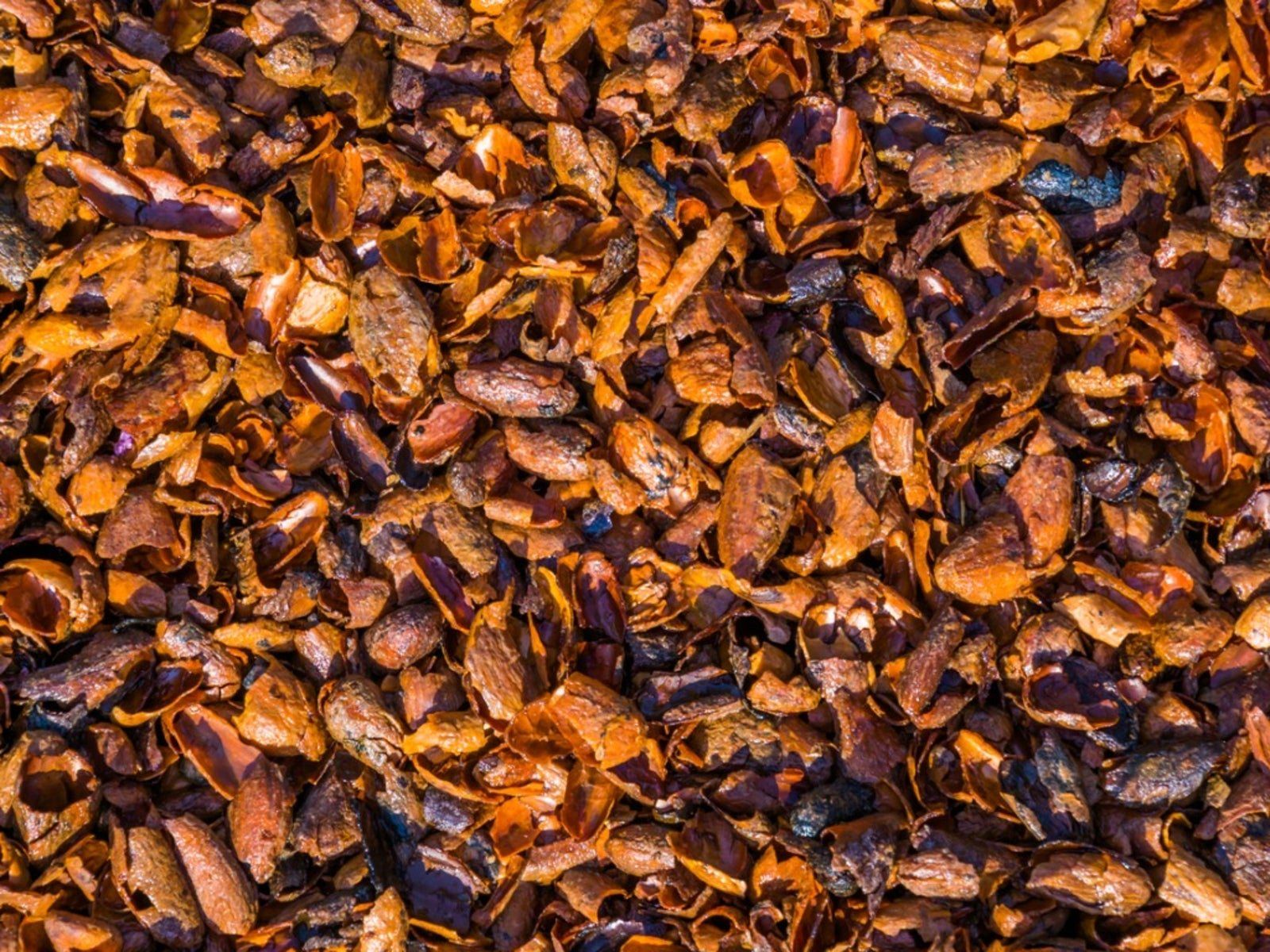
Cocoa shells are the thin, roasted husks that are removed from cocoa beans before the beans are ground. They make up 10 to 17% of the bean, smell of chocolate, and are rich in fibre, minerals and theobromine. Today they are used as garden mulch, for cocoa tea and high-fibre foods, and as biomass fuel.
Product
Cocoa bean shells (husks, hulls)
HS code
1802 00: cocoa shells, husks, skins and waste
Forms
Whole, crushed or milled, on request
Origins
Cameroon, Nigeria, Ghana, Côte d’Ivoire
Supply
Bulk bags or containers, FOB or CIF
10–17%
Of cocoa bean weight
~50%
Dietary fibre (dry)
0.8–1.7%
Theobromine
15–18 MJ/kg
Energy value (dry)
700,000+ t
Produced worldwide each year
Overview
Cocoa shells are the thin, brittle outer skins (the testa, also called hulls or husks) that surround each dried cocoa bean. They are separated from the cocoa nibs after roasting, in a step called winnowing, and make up about 10 to 17% of the bean’s weight. They smell of chocolate, are rich in fibre, minerals and theobromine, and are sold as a by-product under HS code 1802.
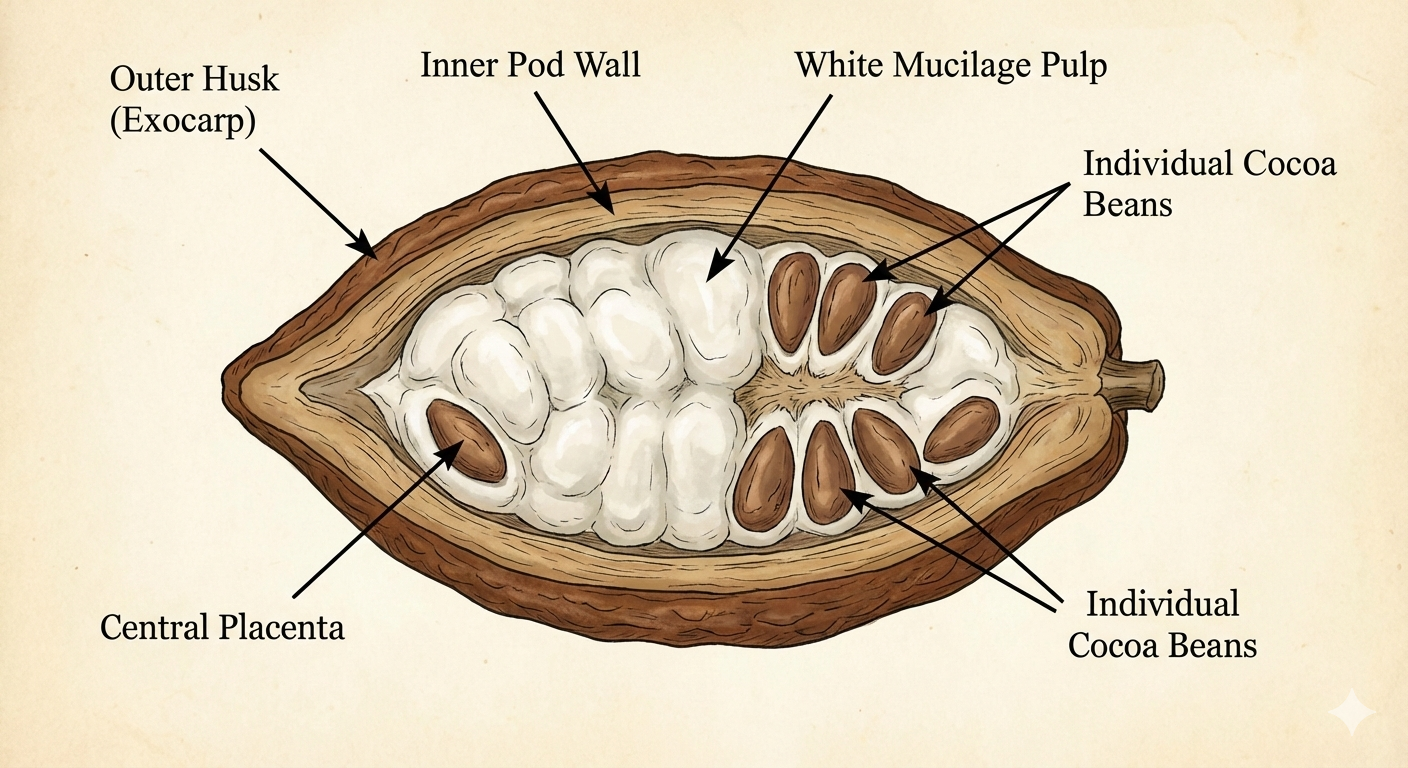
Shells are not the same as the cocoa pod husk. The pod husk is the thick outer wall of the fruit, about three-quarters of a fresh pod’s weight, and it stays on the farm. The bean shell is the papery layer around each individual bean and is collected at the processing plant, which is why it is clean, dry and already roasted.
With more than 700,000 tonnes produced each year, cocoa shells have moved from waste to a traded raw material: landscapers use them as a fragrant mulch, food and drink brands use them for cocoa tea and high-fibre ingredients, and energy and feed buyers use them as biomass and, in limited amounts, as feed. Each use has its own quality and safety requirements, set out below.
Compare
Attribute
Cocoa bean shell
Cocoa pod husk
Cocoa nibs
What it is
Thin skin (testa) around each bean
Thick outer wall of the cocoa fruit
Kernel of the bean, inside the shell
Where it is separated
Processing plant, by winnowing after roasting
On the farm, when pods are opened
Processing plant, after winnowing
Share of material
10 to 17% of bean weight
About 75% of fresh pod weight
About 83 to 90% of bean weight
Fat content
Low, about 1.5 to 12%
Very low
High, about half the nib
Main uses
Mulch, tea, fibre, biomass, extraction, limited feed
Farm compost, potash, local feed
Cocoa mass, chocolate, snacking
HS code
1802 00
Rarely traded
1801 00
Composition and specifications
Component
Typical range
Energy
341 to 374 kcal
Dietary fibre (dry basis)
20 to 66 g, typically about 50 g
Protein
10.3 to 27.4 g
Carbohydrate
38.3 to 52.6 g
Fat
1.5 to 12.3 g
Component
Typical range
Potassium
2,382 to 3,144 mg
Calcium
661 to 1,419 mg
Phosphorus
484 to 1,698 mg
Magnesium
233 to 551 mg
Theobromine
0.8 to 1.7 g
Caffeine
About 5 to 7 times less than theobromine
Polyphenols
6 to 95 mg GAE per g (dry)
Shell grades are defined by end use rather than a single standard. These are the parameters to fix in your contract; we confirm the values achievable for each lot before shipment.
Parameter
Why buyers specify it
Form and particle size
Whole shells for mulch; crushed or milled for tea, fibre, feed and fuel
Moisture
Controls mould growth in transit and storage; critical for container shipments
Foreign matter and nib content
Stones, dust and residual nibs; low nib content keeps fat down for mulch
Theobromine
Required for feed formulation and for extraction value
Cadmium and lead
Shells hold more heavy metals than nibs; essential for food and feed use
Mycotoxins (ochratoxin A, aflatoxins)
Mould toxins concentrate in the shell; required for food and feed grades
Microbiology (Salmonella, yeasts, moulds)
Required for tea and food ingredients; may need heat or steam treatment
Shells contain more cadmium than nibs. For comparison, EU Regulation 2023/915 caps cocoa powder at 0.60 mg/kg and dark chocolate (50% or more cocoa solids) at 0.80 mg/kg. Food buyers should test every lot.
Beans dried over open fires pick up smoke PAHs (such as benzo[a]pyrene), which sit mostly in the shell. Sun-dried origins give cleaner shells for food use.
At 0.8 to 1.7%, theobromine is the shell’s main limiting factor: it gives value for extraction but restricts use in animal feed and makes shell mulch toxic to dogs.
Cocoa shells under HS 1802 fall within the EU Deforestation Regulation. It applies from 30 December 2026 for large operators and 30 June 2027 for small operators, with geolocation data required for EU imports.
From bean to shell
Shells are a co-product of cocoa processing. Their quality is set long before winnowing: how the beans were fermented and dried decides their aroma, moisture, mould load and contaminant levels.
01
Beans are fermented in their pulp, then dried, ideally in the sun. Fire-drying leaves smoke residues (PAHs) concentrated in the shell.
02
Stones, dust, flat and mouldy beans are removed before roasting, which keeps foreign matter and mould toxins out of the shells.
03
Roasting loosens the shell from the kernel, develops the chocolate aroma the shells carry, and reduces moisture and microbial load.
04
Beans are cracked and a controlled air stream blows the light shell away from the heavier nibs. This is where the shells are collected.
05
Shells are sieved to remove dust and residual nibs, then kept whole or crushed and milled to the size each use needs. Food grades can be steam-treated.
06
Shells are bagged or loaded in bulk, kept dry, and shipped with an analysis certificate and the documents your market requires.
Applications
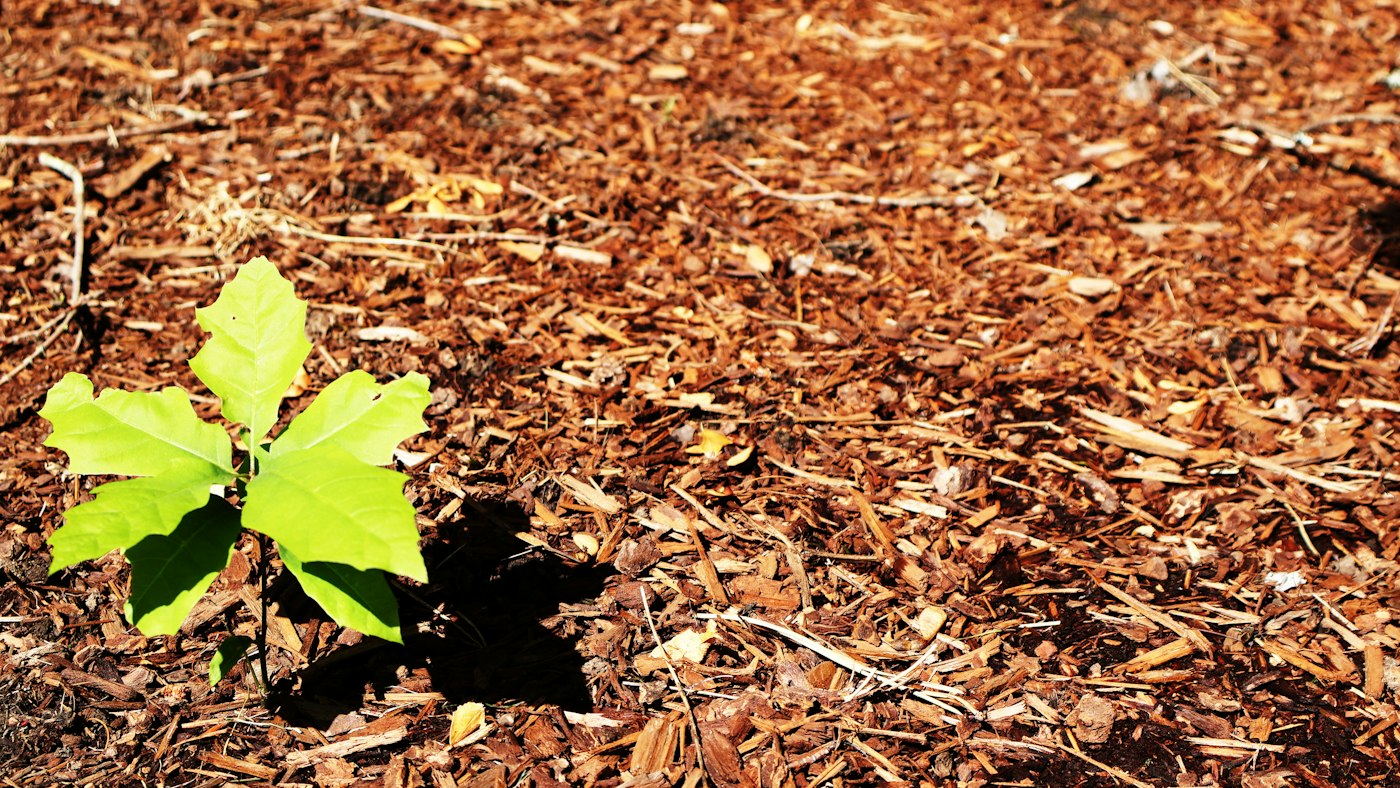
Whole shells make a dark, fine-textured mulch that smells of chocolate, holds moisture and suppresses weeds as it breaks down. Spread 5 to 7 cm deep. Not for gardens used by dogs.
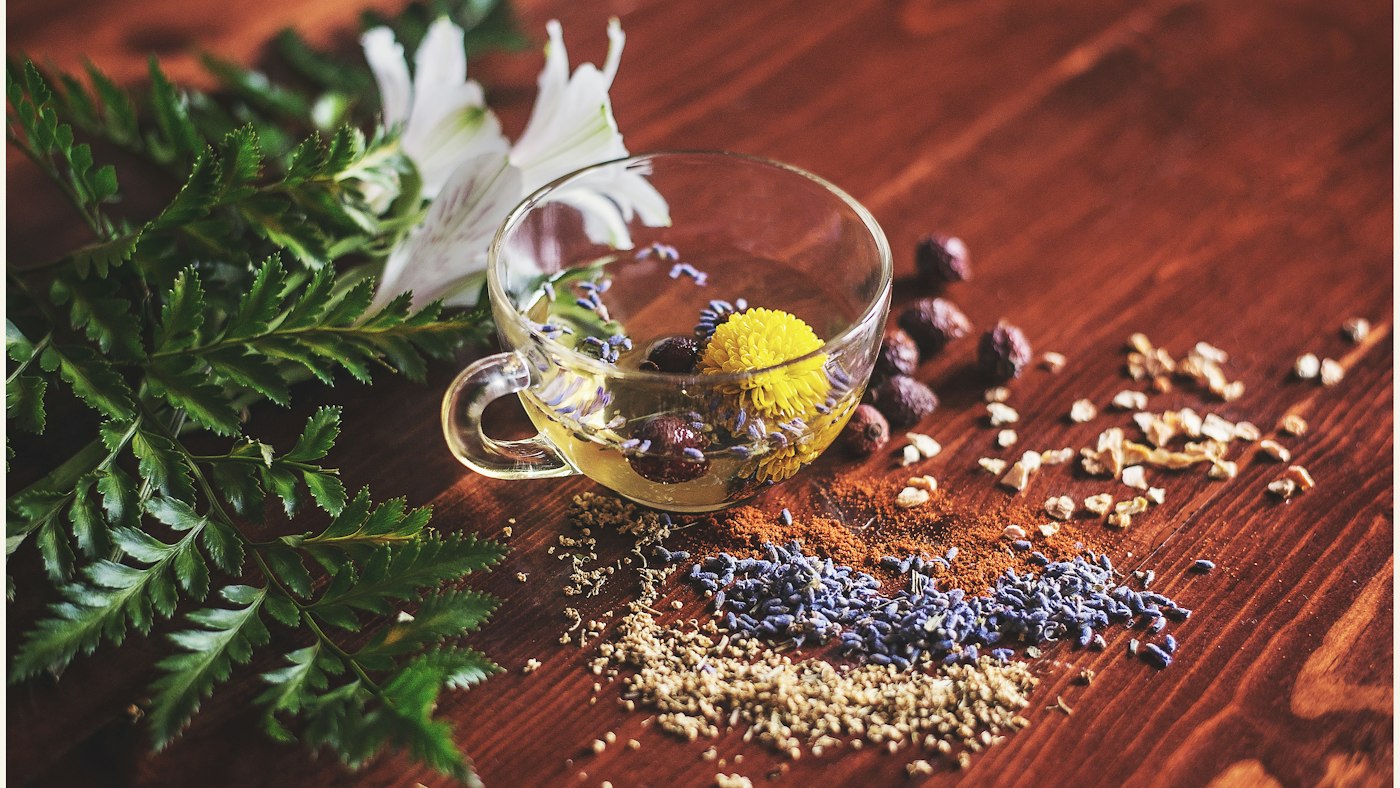
Crushed shells brew a caffeine-light, chocolate-scented infusion. Steep 1 to 2 tablespoons in 250 ml of hot water for 5 to 10 minutes. Requires food-grade, microbiologically tested shells.
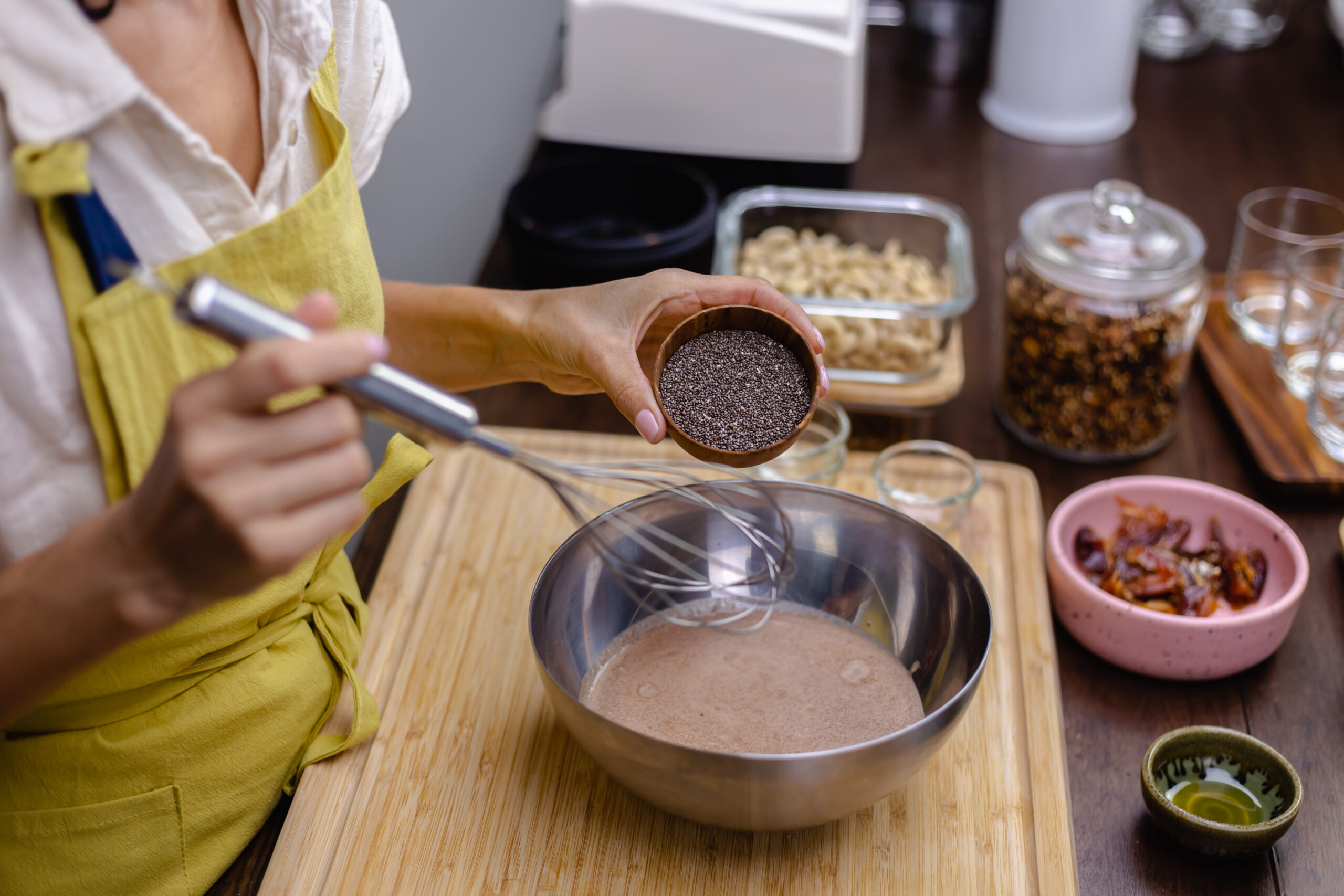
Milled shells add dietary fibre and cocoa colour to bakery, cereals and snacks, typically replacing 5 to 30% of wheat flour. Food grade only, with heavy-metal and mycotoxin testing.
At about 15 to 18 MJ/kg (dry), shells fuel boilers directly or as pellets, and can be converted to biochar or activated carbon.
With 0.8 to 1.7% theobromine, plus polyphenols, shells are a raw material for extracts used in food, nutraceutical and pharmaceutical products.
Shells add fibre and protein to ruminant feed, but EU theobromine limits cap inclusion at roughly 2.5% for most livestock and far less for pigs, horses and pets.
Rich in potassium and organic matter, shells break down into a useful compost and potting-mix ingredient.
Safety and handling
Cocoa shells are a natural product, but their theobromine content means they must be used with care around animals, and like any dry plant material they must be kept dry to stay mould-free.
Important
Dogs metabolise theobromine slowly. Veterinary toxicology (ASPCA) puts mild signs at around 20 mg theobromine per kg of body weight, severe signs at 40 to 50 mg/kg and seizures at about 60 mg/kg. At typical shell levels, a 10 kg dog could show mild signs after eating about 17 g of shells.
Signs (vomiting, restlessness, rapid heartbeat, tremors) usually appear 6 to 12 hours after eating. Do not use shell mulch where dogs can reach it, and label retail mulch accordingly.
Animal group
Max theobromine in feed
Approx. shell inclusion
Most livestock
300 mg/kg
About 2.5%
Pigs
200 mg/kg
About 1.7%
Dogs, horses, rabbits
50 mg/kg
About 0.4%
Limits from EU Directive 2002/32/EC on undesirable substances in animal feed. Inclusion rates assume about 1.2% theobromine in the shell; calculate from the analysed value of each lot.
Store under cover on pallets, off the floor, in a cool, ventilated place. Damp shells mould quickly; keep moisture low during loading and use container desiccants for sea freight.
Milled shells are dusty. Use dust extraction and masks when tipping bulk bags, and keep away from ignition sources, as with any fine organic dust.
The chocolate aroma attracts insects and rodents. Keep bags sealed, store away from strong odours, and use stock in rotation.
How to order
Shells are a bulky, low-density product, so freight is a large part of the landed cost. Quotes are prepared per order, based on form, volume, destination and the tests you need.
Whole roasted shells, crushed, or milled to your particle size.
Woven PP bags, jumbo bags or bulk in container, agreed per order.
Most buyers order by the 40-foot container; smaller lots usually cost more per tonne.
Certificate of analysis, certificate of origin, phytosanitary certificate and EUDR data where required.
1
Mulch, tea, fibre, feed, fuel or extraction: this decides the grade and tests.
2
Form, moisture, contaminant limits, packing, volume, destination and Incoterm.
3
We confirm price and lead time, then load and ship with the agreed documents.
Get a quote
Send your intended use, form, volume and destination port. We reply with pricing and lead time.
Prefer to call?
+971 52 250 1039FAQs
In trade, “cocoa husks” usually means the same thing as cocoa bean shells: the thin skin removed from each bean. The cocoa pod husk is different: it is the thick outer wall of the fruit, discarded on the farm.
HS 1802 00: “cocoa shells, husks, skins and other cocoa waste”. National tariff lines add further digits, so confirm the full code with your customs broker.
Food-grade shells that have been cleaned, heat-treated and tested for heavy metals, mycotoxins and microbes are used in teas and fibre ingredients. Shells sold as mulch or for fuel are not intended for food.
No. Shells contain 0.8 to 1.7% theobromine, which is toxic to dogs. Use shell mulch only where dogs cannot reach it.
A little. Shells contain mainly theobromine, a milder stimulant, with about 5 to 7 times less caffeine. Most people find the infusion gentler than coffee or black tea.
Shell mulch breaks down gradually and is usually topped up once a year. Its chocolate smell fades within a few weeks of spreading.
Only in small amounts. EU rules cap theobromine at 300 mg/kg in most livestock feed, about 2.5% shell inclusion, and much lower for pigs, horses and pets.
Most shell buyers order by the 40-foot container. Smaller quantities are possible but usually cost more per tonne. Contact us with your volume and destination.
Keep reading
Our in-depth guide to cocoa bean shells and husks: uses, market value and the HS 1802 code.
Read the Guide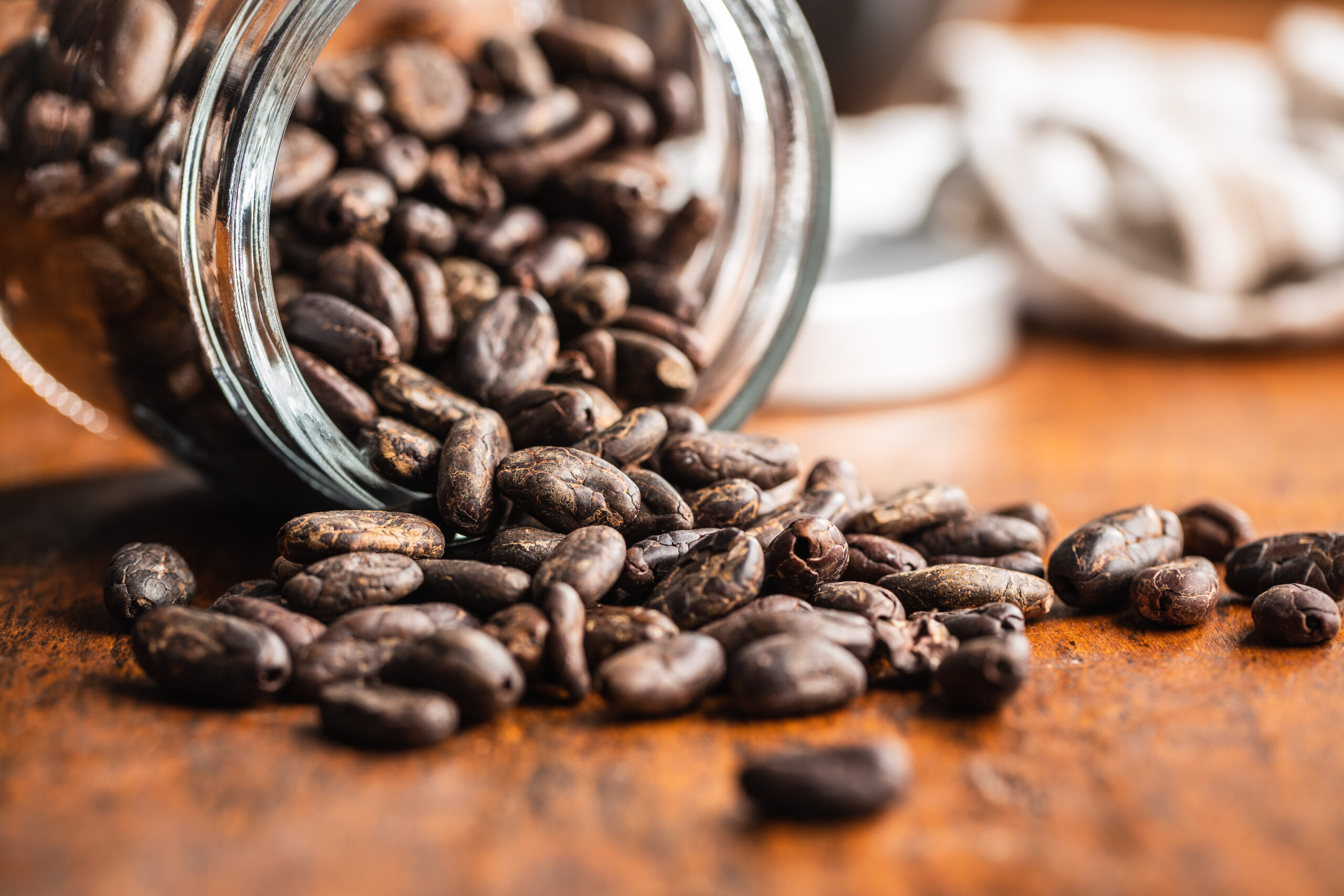
The kernel left after the shell is removed, for snacking, baking and chocolate.
View Cocoa Nibs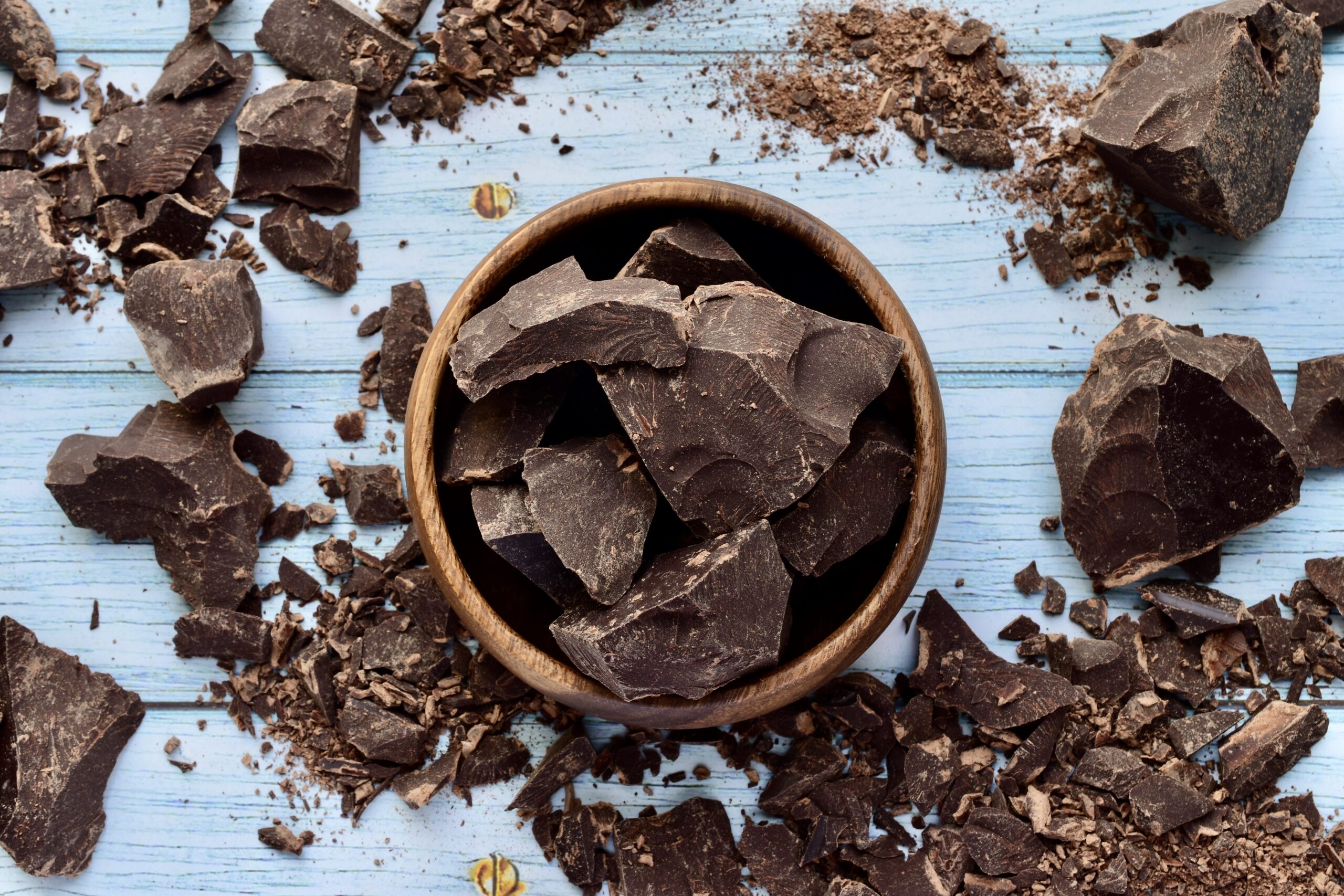
Ground cocoa nibs in blocks: the 100% cocoa base for chocolate makers.
View Cocoa Mass