
Home / What we offer / Deodorized Cocoa Butter
Deodorized Cocoa Butter for Cosmetics: Odorless, White RBD Fat
Radad deodorized cocoa butter is refined, bleached and deodorized (RBD) to give a white to pale ivory, odourless fat with the same melting behaviour and skin-conditioning properties as natural cocoa butter. It is the neutral base for cosmetic creams, lotions, pharma bases, sunscreen and white chocolate.
At a glance
Type
Refined, bleached, deodorized (RBD)
Colour
White to pale ivory
Aroma
Neutral, odourless
Packaging
Blocks, drums, bulk
34 to 38 °C
Melting point
Below 0.5%
Free fatty acids
Below 2
Peroxide value, meq/kg
33 to 42
Iodine value
24 months
Shelf life
Overview
What Is Deodorized Cocoa Butter?
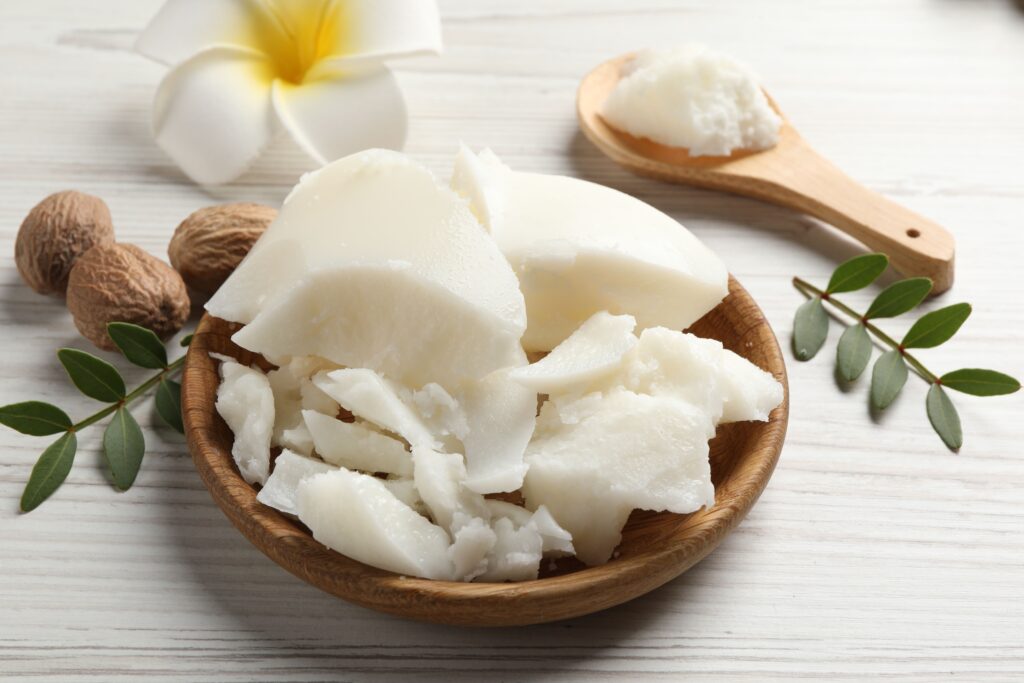
Deodorized cocoa butter, also sold as cocoa butter for cosmetics, is the natural fat of the cocoa bean after refining, bleaching and steam deodorization, so it is white to pale ivory with no cocoa smell. It is almost 100% fat, melts at 34 to 38 °C (just below body temperature) and keeps the same emollient, skin-conditioning behaviour as natural cocoa butter, which makes it a flavour- and fragrance-neutral fat for cosmetics, pharmaceuticals and white chocolate.
Deodorized cocoa butter is made by pressing cocoa mass to release the fat, which is then refined. Bleaching removes colour, and steam deodorization under vacuum strips out the volatile compounds that give natural cocoa butter its chocolate aroma. The triglyceride structure, built mainly from palmitic, stearic and oleic acids, stays intact, so the butter is still hard and brittle at room temperature and melts cleanly on contact with skin.
Nutritional content and nutritional value: per 100 g it is about 100 g fat, roughly 880 to 900 kcal, with no protein, carbohydrate, sugar, fibre or cholesterol. The fat is about 60% saturated (palmitic and stearic), about 33% monounsaturated (oleic, omega-9) and about 3% polyunsaturated (linoleic). Stearic acid is generally regarded as neutral for blood cholesterol. Deodorization removes aroma compounds and part of the polyphenols, so it is a functional, neutral fat rather than a nutrient-rich one; only trace vitamin E remains. Figures are typical values; the batch certificate of analysis gives the exact numbers.
Uses: in cosmetics and personal care (body butters, creams, lotions, lip balms, soap and massage bars, sunscreen sticks, hair balms) it works as an emollient and occlusive; in pharmaceuticals it is a base for suppositories, pessaries and ointments; in food it goes into white chocolate, compound coatings, fillings and ice-cream coatings. It can clog pores on some acne-prone skin, so a patch test is sensible.
Radad supplies deodorized cocoa butter from West African cocoa to cosmetic formulators, pharmaceutical manufacturers and white chocolate producers, in blocks, drums and bulk. Request a quote with your quantity and destination and we will send pricing and the specification sheet.
Quick answers
Overview
What is it?
Cocoa butter that has been refined, bleached and deodorized (RBD) to remove colour and aroma.
Is it cocoa butter for cosmetics?
Yes. Formulators ask for it under this name because it has no scent to clash with their fragrance.
What colour and smell?
White to pale ivory, lighter than natural cocoa butter, with a neutral, odourless profile.
What is the melting point?
34 to 38 °C, close to body temperature, so it is solid on the shelf and melts on skin.
How fresh is it?
Free fatty acids below 0.5% and peroxide value below 2 meq/kg.
How long does it last?
A shelf life of 24 months in proper storage.
How is it packed?
In blocks, drums and bulk.
Who uses it?
Cosmetic brands, pharma manufacturers, sunscreen makers and white chocolate producers.
Natural vs deodorized
Natural vs Deodorized Cocoa Butter: What is the Difference?
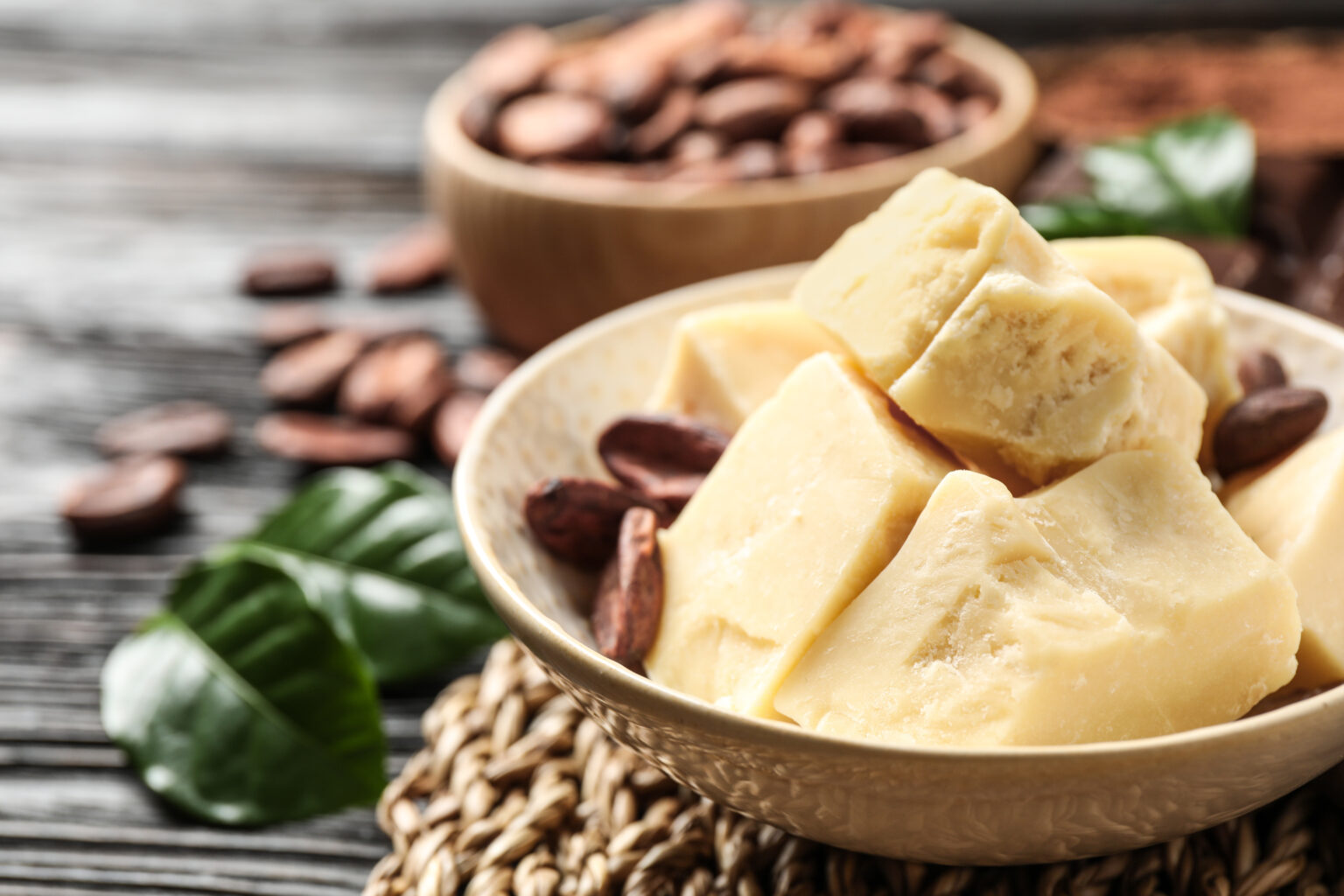
Deodorization changes the smell and colour, not the function. Natural cocoa butter keeps its chocolate aroma and ivory colour, while deodorized cocoa butter is steam-treated for a neutral smell and a whiter look. Both melt at 34 to 38 °C in the Radad catalogue.
Property
Natural cocoa butter
Deodorized cocoa butter
Processing
Cold-pressed, unrefined
Refined, bleached, deodorized (RBD)
Aroma
Mild natural chocolate scent
Neutral, odourless
Colour
Ivory to pale yellow
White to pale ivory
Free fatty acids
Below 1.75%
Below 0.5%
Best for
Dark chocolate, natural skincare, soap bars
White chocolate, cosmetic creams, pharma bases, sunscreen
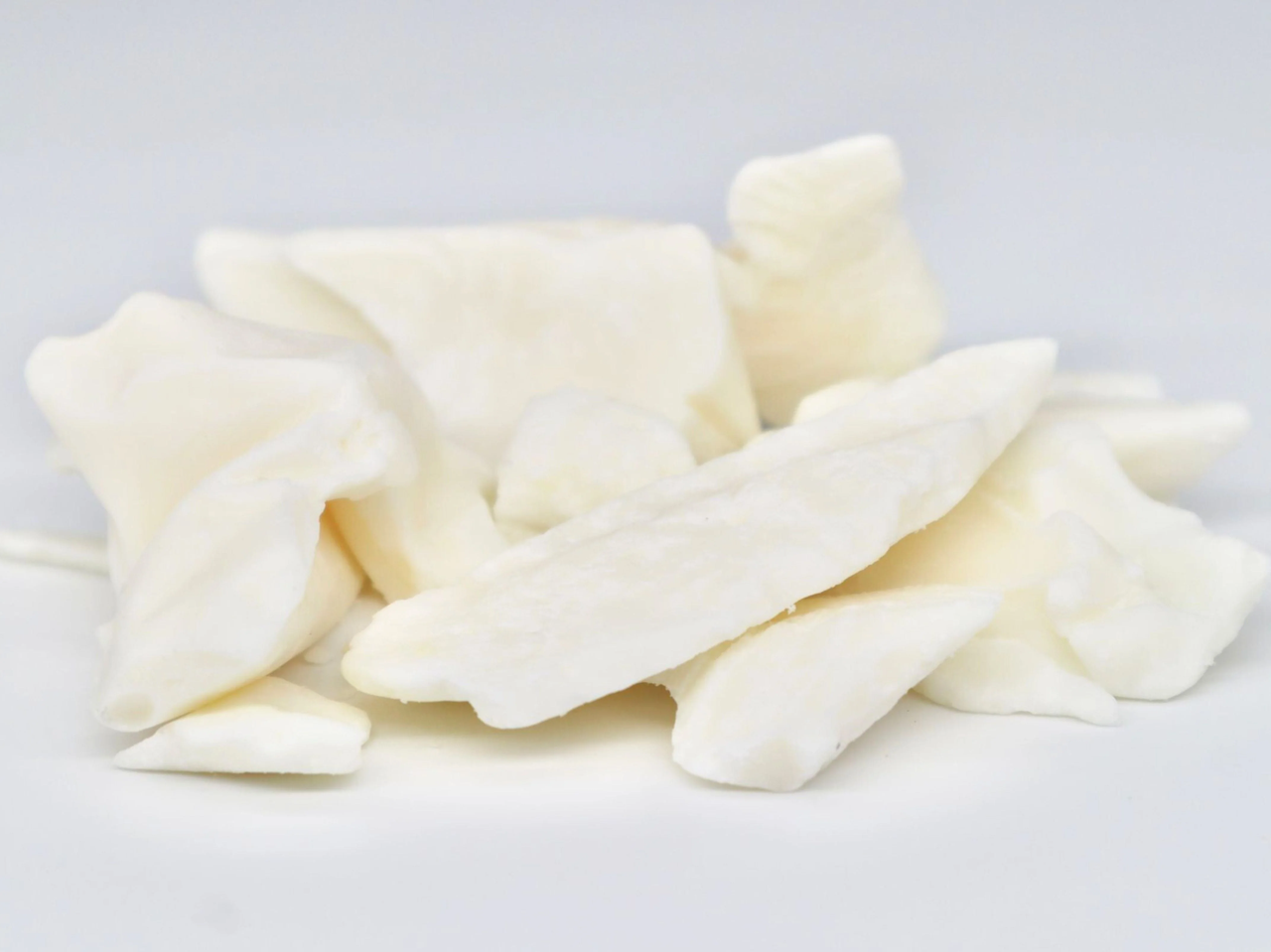
Deodorized butter is whiter because the colour compounds are removed along with the aroma.
How it is made
How Is Deodorized Cocoa Butter Made?
Deodorized cocoa butter is made by refining pressed cocoa butter in four stages: degumming (with optional neutralization), bleaching, vacuum steam deodorization, then cooling and testing. The steps remove colour, free fatty acids, metals and aroma compounds and leave the triglycerides intact. Cocoa butter is already low in free fatty acids, so it needs far gentler refining than most vegetable oils.
Materials: pressed cocoa butter (ideally free fatty acids below 1.75%, moisture below 0.1%); food-grade phosphoric acid 85% or citric acid; bleaching earth (acid-activated bentonite) at 1 to 2% of the oil weight; activated carbon at 0.1 to 0.3% (optional); diatomite filter aid; food-grade caustic soda solution and soft water (only if free fatty acids are high); nitrogen for breaking the vacuum.
Equipment: jacketed stainless steel vessel with stirrer and thermometer; vacuum pump able to reach 2 to 5 mbar; filter press or leaf filter; a deodorizer vessel with a steam sparge (steam injected through the oil), steam supply and a cold trap or condenser; heat exchanger or cooling jacket; titration kit for free fatty acids and peroxide value. Wear heat- and caustic-resistant PPE: hot oil and vacuum vessels are the main hazards.
1
Press the cocoa mass
1. Melt and filter: warm the butter to 50 to 60 °C (do not go higher) and filter through a 1 to 5 micron cloth or filter to remove cocoa particles.
2. Degum: heat to 70 to 80 °C, add 0.05 to 0.1% phosphoric acid (85%) or citric acid, stir for 15 to 30 minutes so gums and metals bind into a sediment.
3. Neutralize only if needed: if free fatty acids exceed about 1%, stir in caustic soda solution (12 to 16 °Bé) at 60 to 75 °C, with an excess of 0.1 to 0.2%. Settle or centrifuge off the soap, wash twice with 10% hot soft water at 85 to 90 °C until the wash water is neutral, then dry under vacuum at 90 to 100 °C. Below 1%, skip this: the deodorizer strips the remaining acids.
2
Refine and bleach
Dry first: heat the oil to 90 to 100 °C under vacuum (50 to 100 mbar) for 15 to 20 minutes to drive off moisture.
Dose: add 1 to 2% acid-activated bleaching earth, plus 0.1 to 0.3% activated carbon for a whiter product.
Contact: keep at 90 to 110 °C, under vacuum and stirring, for 20 to 30 minutes. Bleaching earth adsorbs pigments (chlorophyll, carotenoids), traces of soap, phospholipids and metals.
Filter hot: cool to about 80 °C and filter through a press or leaf filter with diatomite, recirculating until the oil runs clear. Expect 0.5 to 1% oil loss retained in the spent earth. Keep the filtered oil out of air to avoid oxidation.
3
Steam deodorize
Load: transfer the bleached, filtered oil to the deodorizer and pull the vacuum down to 2 to 5 mbar before heating. Vacuum is essential: at normal pressure the temperature needed would damage the fat.
Heat and sparge: raise to 180 to 200 °C and inject dry steam through the oil at 1 to 3% of the oil weight per hour for 60 to 90 minutes. The steam carries off aldehydes, ketones, pyrazines and free fatty acids, which are the compounds behind the chocolate smell.
Do not overheat: above about 220 °C the fat starts to form trans isomers and darken.
Cool: under vacuum drop to below 100 °C, add 0.01 to 0.02% citric acid to bind metals, then break the vacuum with nitrogen.
4
Test and pack
Polish filter: pass the oil through a fine filter at 60 to 70 °C to remove any carbon or earth fines.
Cool and set: bring to 40 to 45 °C, then pour into lined cartons or moulds and cool to 15 to 20 °C so it sets. Store at 15 to 20 °C, away from light and air.
Test each batch: free fatty acids 0.1% or below, peroxide value 2 meq O2/kg or below, moisture 0.05% or below, white to pale ivory colour, neutral smell and taste, melting range 34 to 38 °C.
Realistic total loss: about 2 to 4% of the starting weight. Small batches need a proper vacuum deodorizer: steaming at normal pressure will not remove the aroma.
Specifications
Deodorized Cocoa Butter Specification
Radad deodorized cocoa butter is RBD fat with a melting point of 34 to 38 °C, free fatty acids below 0.5%, peroxide value below 2 meq/kg and an iodine value of 33 to 42.
Identity and appearance
Parameter
Specification
Product
Deodorized cocoa butter (cocoa butter for cosmetics)
Type
Refined, bleached, deodorized (RBD)
Colour
White to pale ivory, lighter than natural
Aroma
Neutral, odourless
Quality parameters
Parameter
Specification
Melting point
34 to 38 °C
Free fatty acids
Below 0.5%
Peroxide value
Below 2 meq/kg
Iodine value
33 to 42
Colour stability
Excellent, ideal for white chocolate
Shelf life
24 months
Packaging
Blocks, drums, bulk
Documents
COA and batch records on request
Typical fatty acid profile
Fatty acid
Approximate share
Oleic acid (omega-9)
About 35%
Stearic acid
About 35%
Palmitic acid
About 25%
Basis
Typical cocoa butter values, confirm on COA
Need a figure that is not listed?
Microbiological, heavy-metal and contaminant limits are not printed on this page. Ask us and we will send them with the specification sheet for your batch.
Packaging and supply
Deodorized cocoa butter is supplied in blocks, drums and bulk. Tell us the pack type you need and we will confirm what is available.
Ask about packagingRead the spec
How to Read a Deodorized Cocoa Butter Specification
Eight figures tell you whether a cocoa butter is fresh, neutral and right for your formula. Here is what each one means for deodorized butter.
Free fatty acids
Shows how much the fat has broken down. Lower means fresher.
Below 0.5%
Peroxide value
Shows early oxidation, which leads to a rancid smell. Lower is better.
Below 2 meq/kg
Melting point
Sits close to body temperature, so the butter melts on skin.
34 to 38 °C
Iodine value
Shows how unsaturated the fat is, which affects hardness and stability.
33 to 42
Colour
A white to pale ivory colour means the colour compounds were removed.
White to pale ivory
Aroma
A neutral smell means the fat will not change the scent of your product.
Neutral, odourless
Colour stability
The butter stays pale over time, which white chocolate needs.
Excellent
Shelf life
How long the butter stays within specification in proper storage.
24 months
Uses
What Is Deodorized Cocoa Butter Used For?
It is used wherever a cocoa fat is needed without a cocoa smell or colour: cosmetic creams, pharmaceutical bases, sunscreen and white chocolate. These are the main uses.
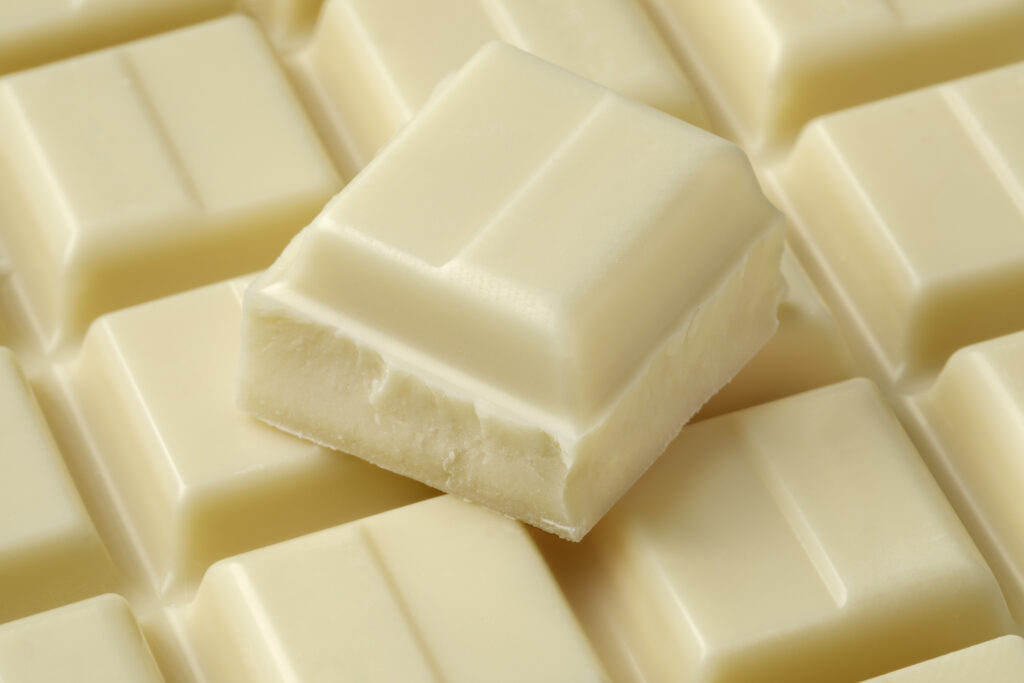
White chocolate
Colour stability and a neutral flavour let vanilla and milk notes come through, with no cocoa tint.
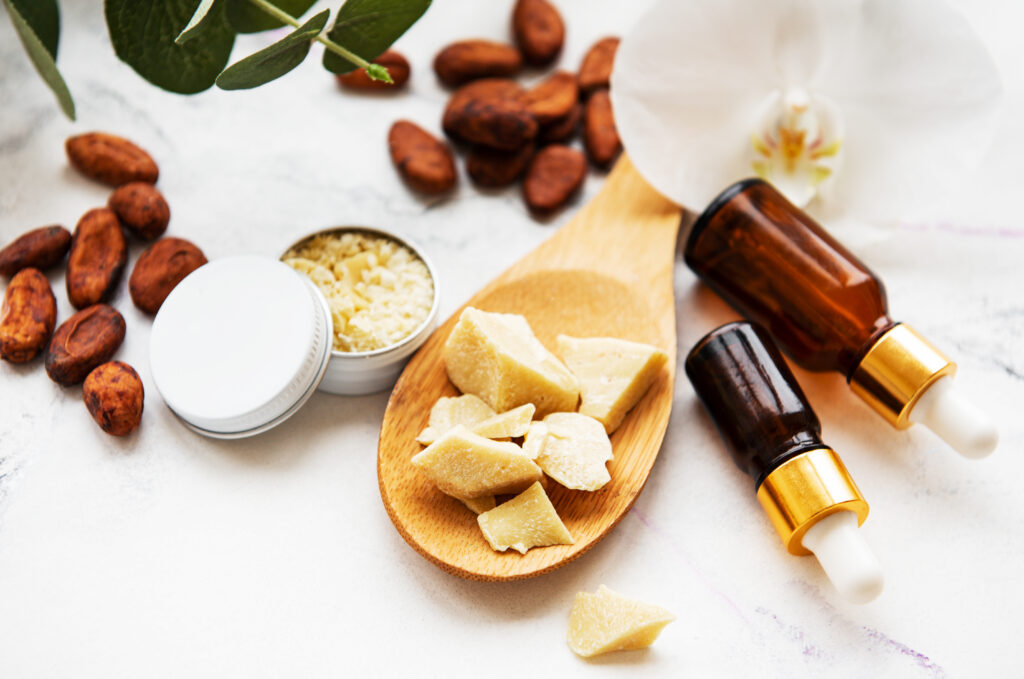
Cosmetic creams and lotions
A fragrance-free fat that melts at skin temperature and keeps its skin-conditioning properties.
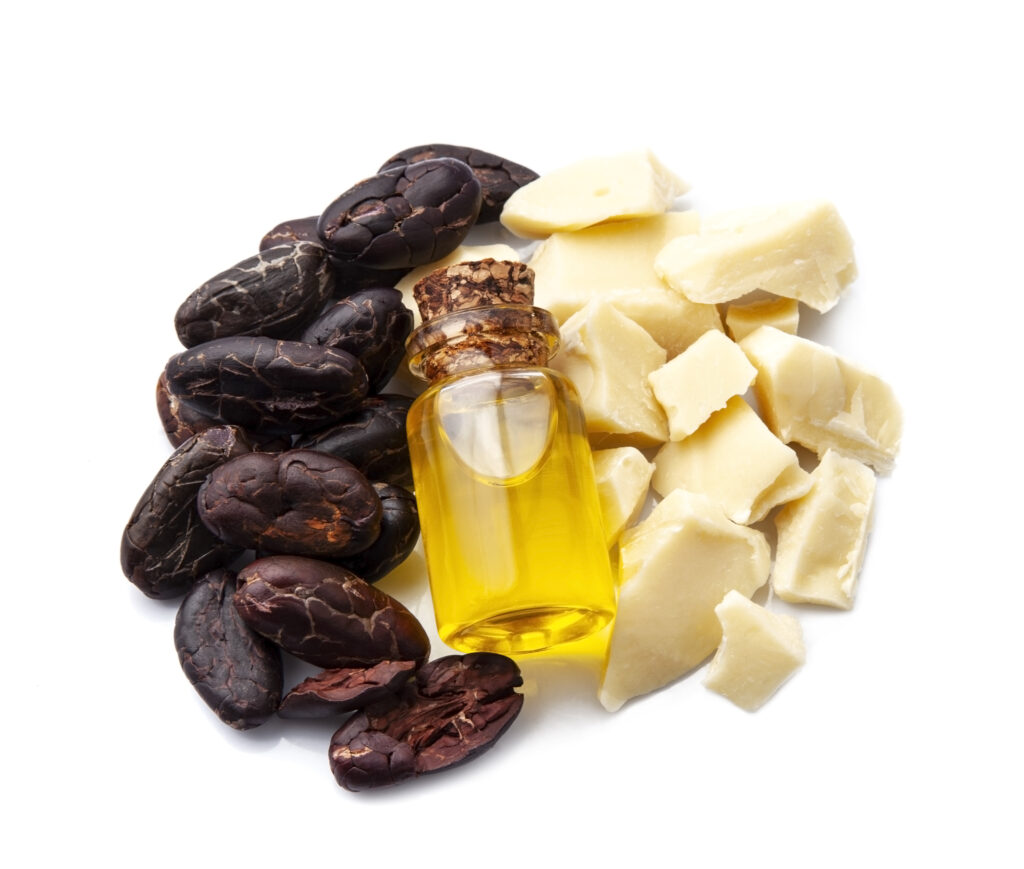
Pharmaceutical bases
A flavour-neutral fat carrier for ointments and other medicinal bases.
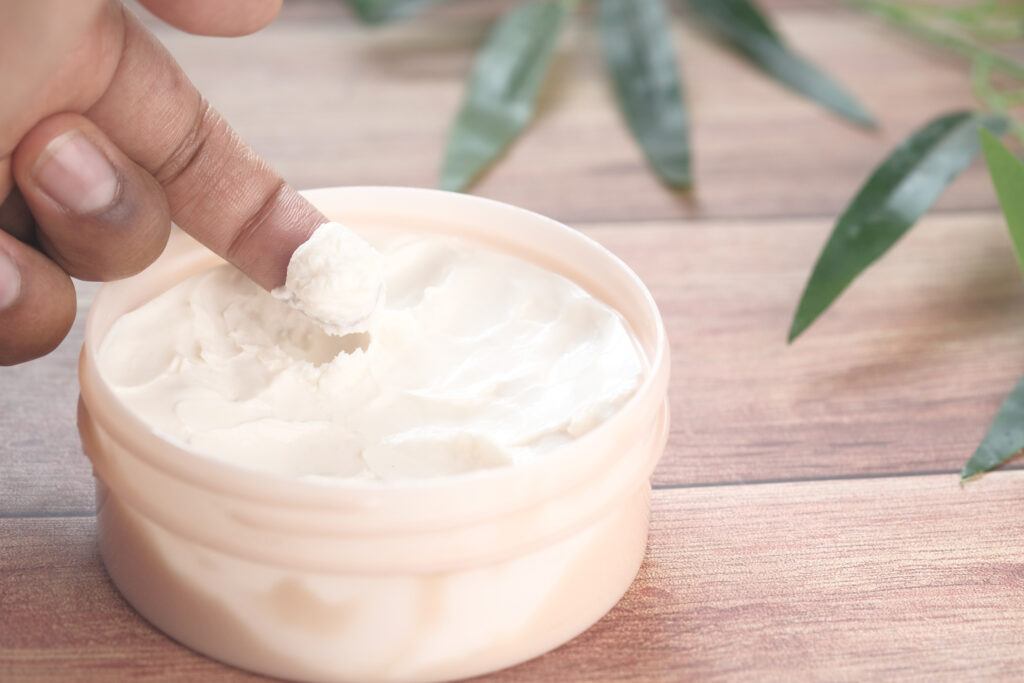
Sunscreen
A skin-conditioning fat base that does not add a cocoa smell.
Soap and bath bars
Adds hardness and conditioning to bars without a chocolate scent.
Lip balms and body butters
A pale, smooth base that takes colour and fragrance cleanly.
Fragrance-free products
Brands that avoid added scent use a neutral fat as the base.
Confectionery coatings and fillings
Where a cocoa smell is unwanted, deodorized butter keeps the flavour clean.
Is it right for you?
Deodorized or Natural: Which Should You Buy?
Choose deodorized if you need a neutral smell and a white colour; choose natural if you want the cocoa aroma. Use the two lists below.
Choose deodorized if you
Make white chocolate or pale confectionery
Formulate creams, lotions or sunscreen with your own fragrance
Need a fragrance-free base
Want lower free fatty acids and peroxide value
Request deodorized butterChoose natural instead if you
Make dark or milk chocolate
Want a cocoa scent in balms and body butters
Prefer a minimally processed, unrefined fat
Sell natural or organic-style skincare
Bulk supply
How Do I Buy Deodorized Cocoa Butter?
Send Radad your quantity, destination and intended use. We reply with a quote and the specification sheet, and once you confirm we arrange supply in blocks, drums or bulk on FOB or CIF terms. Deodorized cocoa butter is supplied to buyers in the UAE and worldwide.
Cosmetic and personal care brands
A neutral base for creams, lotions, balms and sunscreen.
Pharmaceutical manufacturers
A flavour-neutral fat for medicinal bases.
White chocolate producers
A colour-stable fat for pale, clean-tasting chocolate.
1
Send your enquiry
Tell us the quantity, destination and what you will use the butter for.
2
Receive your quote
The Radad team replies with a quote and the specification sheet.
3
Confirm and arrange supply
Agree the details with us and we arrange supply and shipping.
Storage and handling
Keep cocoa butter cool and dry, away from strong odours and direct light, because fats absorb smells easily. Shelf life is 24 months in proper storage. Ask us for the recommended storage conditions for your order.
Get a quote
Source Deodorized Cocoa Butter
Tell us the quantity, destination and use. The Radad team replies with a quote and the specification sheet.
Call or WhatsApp
+971 522 501 039Monday to Sunday, 09:00 AM to 06:00 PM (Dubai time)
FAQs
Natural Cocoa Butter: Frequently Asked Questions
Quick answers about natural cocoa butter, its specification, how it differs from deodorized butter and how to buy it.
More from Radad
Explore Our Cocoa Products
Cocoa butter is one of the products pressed from cocoa mass. Here is the rest of the range.
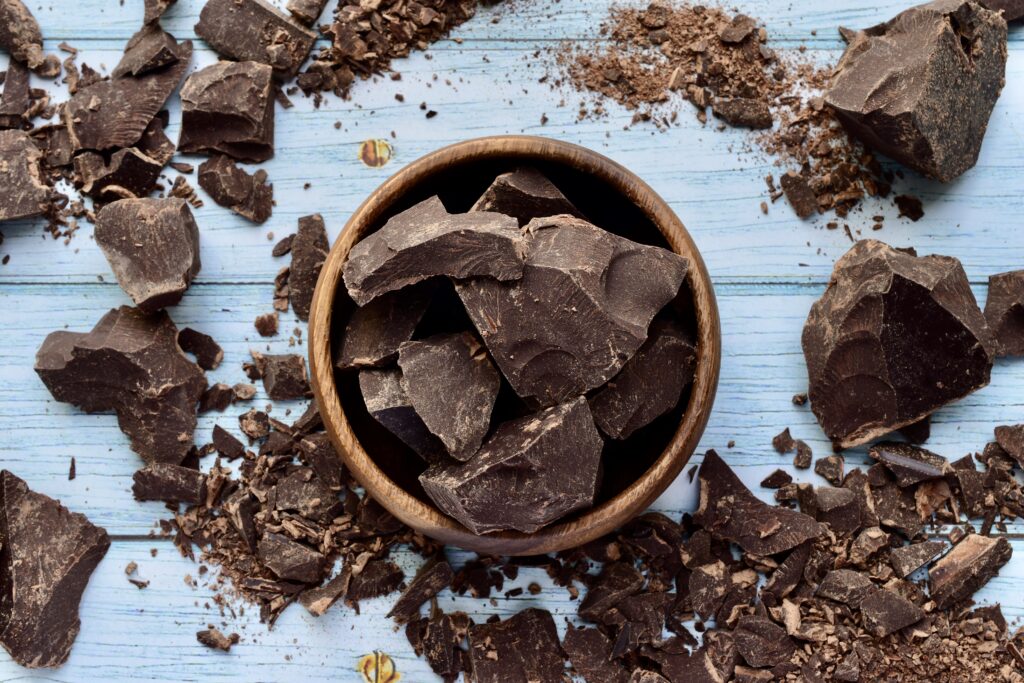
Cocoa Mass (Cocoa Liquor)
Pure ground cocoa, the paste that is pressed to give cocoa butter.
View Cocoa Mass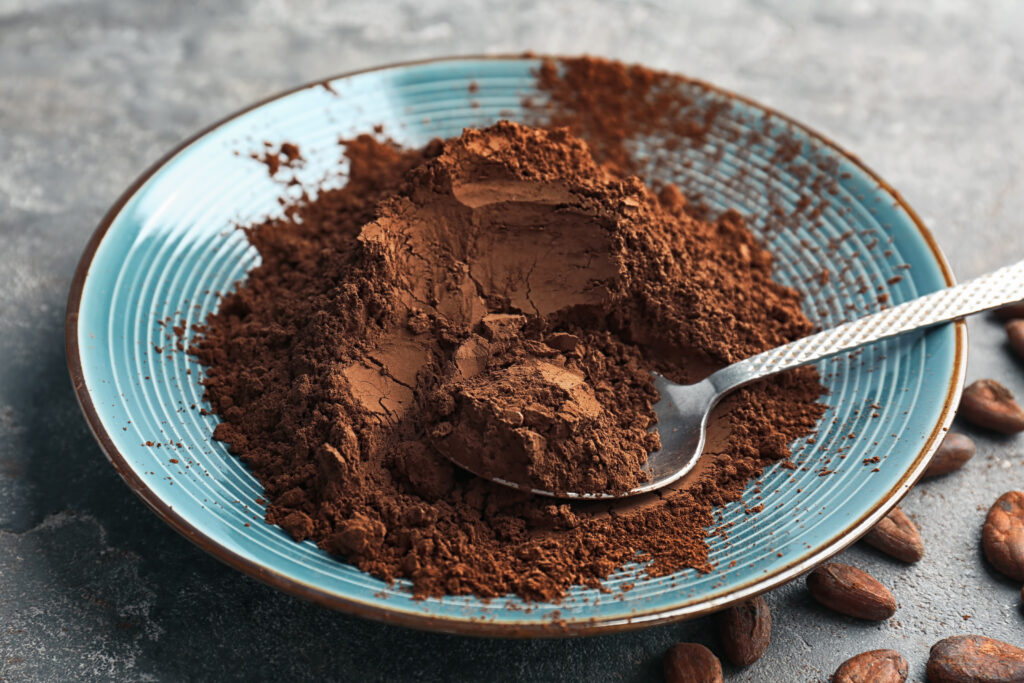
Alkalized Cocoa Powder
Dutch-process powder in light and dark brown for drinks, ice cream and dark bakes.
View Alkalized Cocoa Powder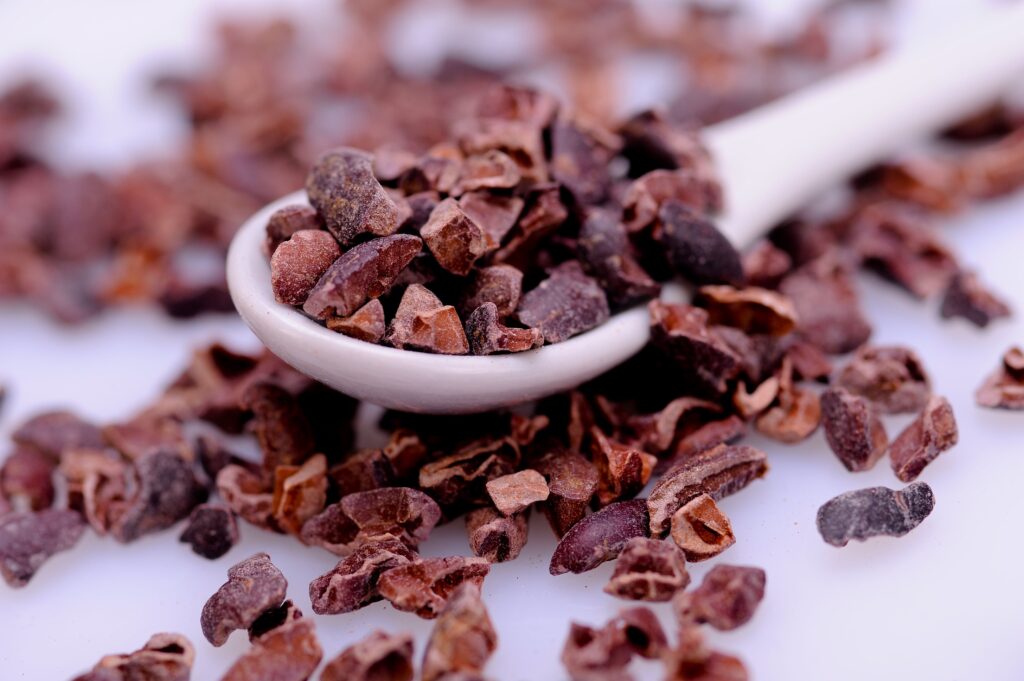
Raw Cocoa Nibs
Pure, crunchy African cocoa nibs for chocolate makers, bakers and food brands.
View Raw Cocoa Nibs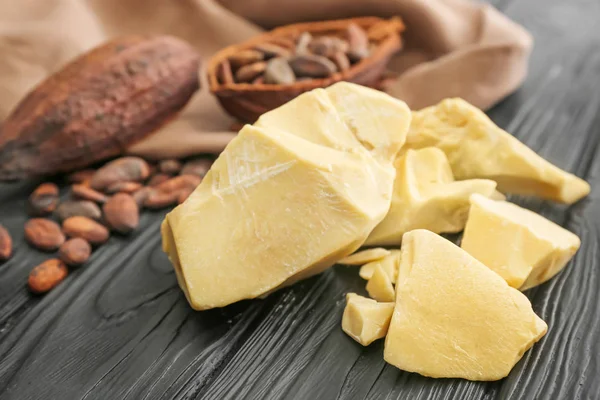
Natural Cocoa Butter
Pressed, unrefined butter with a mild cocoa aroma for chocolate and natural skincare.
Sources and References
Radad International, Premium Cocoa Catalogue 2026: Deodorized Cocoa Butter specification.
Cocoa Butter: The Complete Buyer's Guide, Food Grade vs Cosmetic, Radad International.
Natural Cocoa Butter, Radad International product page.
Cocoa Contaminant and Microbiological Specifications, Radad International.
Cocoa Butter Suppliers in UAE: Complete Guide 2026, Radad International.
Last updated: October 2026