Price of Cocoa Beans: Costs, Quality, Origins, and How to Buy Bulk Quantities

Cocoa is one of the world’s most traded agricultural products, and the price of cocoa beans has become a major point of attention for chocolate manufacturers, bakeries, food processors, and distributors across the Middle East. As demand for chocolate-based products grows, many businesses want to understand how cocoa bean pricing works, which origins offer the best value, and how suppliers determine their prices.

First things first, you have to understand that even though cocoa is a global commodity, its price is not fixed. Different origins have different prices. Organic beans cost more than conventional ones. African cocoa beans suppliers offer one range of prices, while beans from South America or Southeast Asia follow another pattern. And then there are certifications, shipping, storage, and minimum order quantities.

So instead of looking at cocoa like a commodity with a single global price, it is more realistic to understand what shapes the price, how suppliers determine their rates, how regional markets in the Middle East behave, and how to recognize a fair offer. The cost changes depending on origin, bean quality, certifications, logistics, and global supply conditions. For businesses in the UAE, Saudi Arabia, Qatar, and Turkey, local availability also plays a role because not all regions have the same access to import channels or stock levels.
 
If you look closely, you will realize that cocoa bean prices have been one of the most-watched commodity lines in recent years. For chocolate makers, food processors, traders, and ingredients buyers across the Middle East and beyond, understanding the price of cocoa beans, current levels, drivers, and sourcing options, is essential for cost control and planning.

What Determines the Price of Cocoa Beans?

Many people look for a standard cocoa bean price, but the truth is that cocoa pricing is affected by several moving parts. Some of the most important are:

Origin of the Beans

Different countries produce cocoa with different qualities, flavors, and production costs.
Some of the well-known origins include:
  • Ghana
  • Ivory Coast
  • Nigeria
  • Cameroon
  • Ecuador
  • Dominican Republic
  • Peru
  • Indonesia
 
African cocoa beans suppliers, especially from Ghana and Ivory Coast, dominate the global market in terms of volume. Their beans are widely used in chocolate production worldwide and usually form the benchmark for bulk cocoa pricing.
 
Beans from Latin America tend to sit in the premium category because of their flavor profiles and smaller production volumes.
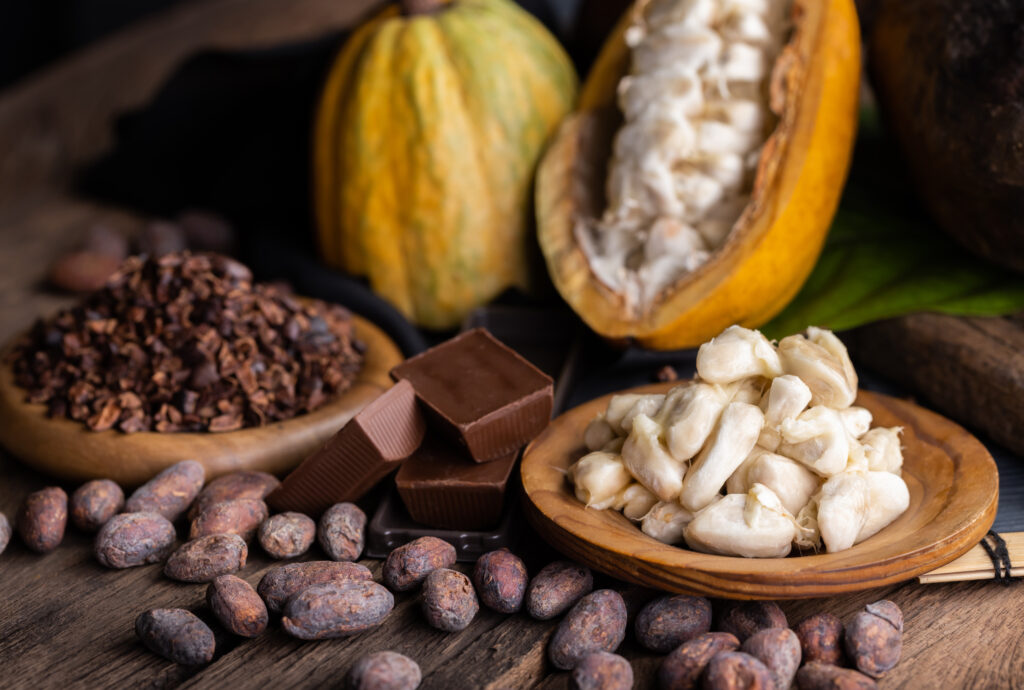
African cocoa pods, beans, cocoa nibs and powder on wooden table, with some chocolate bars. Radad International

Type and Quality of Beans

Quality has a major effect on the price. Some factors include:
  • Moisture level
  • Fermentation quality
  • Bean size and uniformity
  • Defect rate (broken beans, mold, pests)
  • Handling practices
  • Harvesting standards
Higher-quality beans naturally cost more. Poorly fermented beans or beans with higher defect counts sit at the lower end of the market.
 

Certifications

Some buyers require:
  • EU certified organic cocoa beans
  • Fairtrade certification
  • Rainforest Alliance certification
 
Certified beans cost more because they require inspections, documentation, and additional farm-level processes. Organic beans especially come with a notable premium due to pesticide restrictions, soil management requirements, and certification audits.
 

Supply and yield from producing countries.

Cocoa trees are sensitive to weather, pests, and harvest cycles. If a big producing country experiences drought or pests, supply shrinks, and prices rise.
 

Global demand for cocoa products.

As demand for chocolate, cocoa powder, and cocoa butter goes up, bean demand rises, and basic supply-demand economics push prices up accordingly.
 

Shipping and Logistics

Cocoa beans are heavy commodity goods. Freight cost alone can influence the final price significantly, especially when shipping to regions such as:
  • UAE
  • Saudi Arabia
  • Qatar
  • Turkey
For Middle Eastern buyers, import charges, warehouse handling, and inland transportation also contribute to the total cost.
 
Because all these factors are involved, the price of cocoa beans you see online or quoted by a supplier is often just one part of the total cost. Always account for origin, certification, shipping, and quality.
 

Global Supply and Market Conditions

The cocoa beans market changes frequently. Weather conditions, political issues in producing countries, increased global chocolate demand, or supply chain disruptions can all shift the price up or down.
 
Because all these factors are involved, the price of cocoa beans you see online or quoted by a supplier is often just one part of the total cost. Always account for origin, certification, shipping, and quality. Even suppliers adjust their rates as global conditions change.
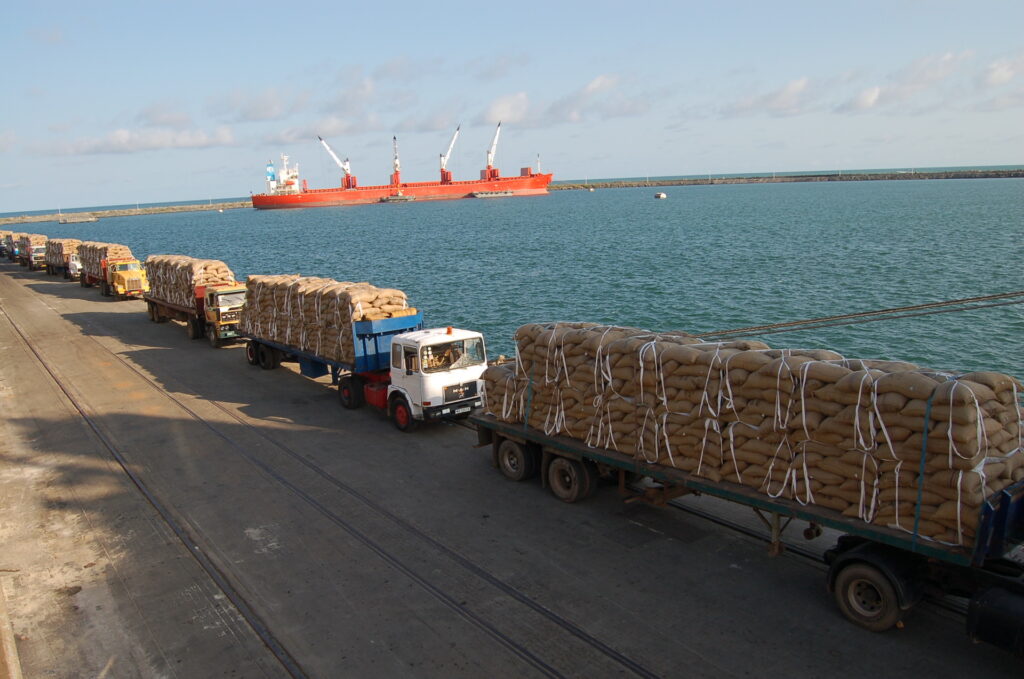
Logistics in Cocoa exportation from Africa

Typical Cocoa Bean Pricing and Realistic Ranges

Cocoa bean prices differ based on type, certification, and order size.
To give a clear baseline:
This price represents a competitive middle-range cost for bulk, reliable supply suitable for manufacturers who want consistency without the price of high-end specialty beans.
Premium beans (organic or single-origin specialty beans) can be priced significantly higher, depending on the origin.
 
Bulk beans from Africa are typically the most cost-effective.
Freight can add a notable amount depending on the port of discharge—Dubai, Jeddah, Doha, Istanbul, etc.
When calculating cost, it is smart to consider:
  • Base price per ton
  • Freight
  • Import tax (varies per country)
  • Insurance
  • Port handling fee
  • Storage (if required)
This full picture provides a true understanding of the final landed cost.

Availability of Cocoa Beans in the Middle East

Many cocoa buyers in the Middle East want reliable suppliers who can offer consistent stock, transparent documentation, and smooth delivery. Availability varies by country, so here is a clear breakdown.

Cocoa Beans in UAE

The UAE is one of the easiest places in the Middle East to source cocoa beans. Dubai and Abu Dhabi serve as major import hubs, and several logistics companies are familiar with transporting agricultural commodities.

Where buyers can purchase cocoa beans in the UAE

  • Directly from importers and bulk suppliers based in Dubai
  • From local food ingredient distributors who hold stock in warehouses
  • Through international suppliers who ship to Jebel Ali Port
  • From major wholesalers operating in Dubai’s commodity markets
The UAE frequently stocks beans from Ghana, Ivory Coast, Ecuador, and Nigeria. Because Dubai is a global re-export center, buyers can often secure the origin they prefer without waiting for long import timelines.

Availability

Cocoa beans are readily available year-round due to constant imports. Many local suppliers accept bulk orders, including 20–50-ton shipments, and arrange storage if needed.
 

Cocoa Beans in Saudi Arabia

Saudi Arabia imports large quantities of cocoa beans and cocoa derivatives because of its strong chocolate and confectionery industry.

Where buyers can purchase cocoa beans in Saudi Arabia

  • Bulk ingredient suppliers in Jeddah, Riyadh, and Dammam
  • Local distributors that handle monthly imports for manufacturers
  • International suppliers shipping through Jeddah Islamic Port or King Abdulaziz Port
  • Trading companies specializing in food raw materials
Saudi Arabia is a high-demand market, so buyers usually secure supply contracts with reliable suppliers to avoid shortages.

Availability

Stock availability is stable but not as abundant as the UAE. Many Saudi companies prefer to import directly to ensure freshness, especially for organic cocoa beans.
 

Cocoa Beans in Qatar

Qatar’s chocolate and confectionery sector is smaller but growing quickly, especially with the rise of artisanal chocolate brands and hospitality businesses.

Where buyers can purchase cocoa beans in Qatar

  • Local importers in Doha
  • Food supply distributors who supply hotels and restaurants
  • Direct shipments from international suppliers via Hamad Port

Availability

Cocoa beans are available, but in smaller quantities compared to UAE and Saudi Arabia. Buyers often place scheduled orders well in advance to ensure steady stock.
 

Cocoa Beans in Turkey

Turkey has a strong local chocolate manufacturing industry, which makes it one of the region’s active cocoa bean importers.

Where buyers can purchase cocoa beans in Turkey

  • Ingredient wholesalers in Istanbul, Izmir, and Bursa
  • Direct shipments arriving at major ports
  • Local trading houses handling raw cocoa and cocoa derivatives
  • Specialty chocolate suppliers offering premium beans

Availability
Turkey maintains a consistent supply, especially from African origins. Bulk purchasing is common due to the size of Turkey’s chocolate factories.
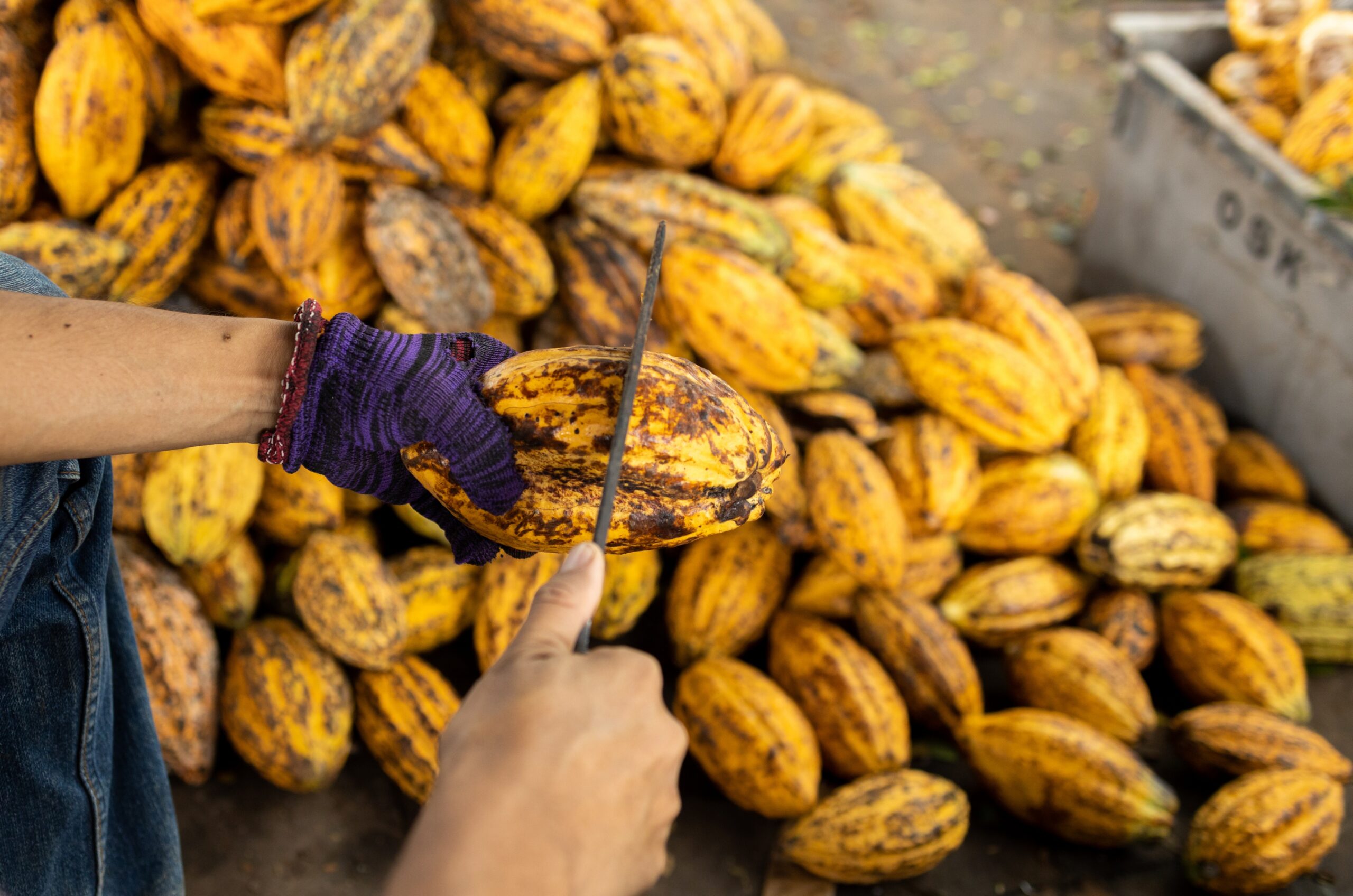
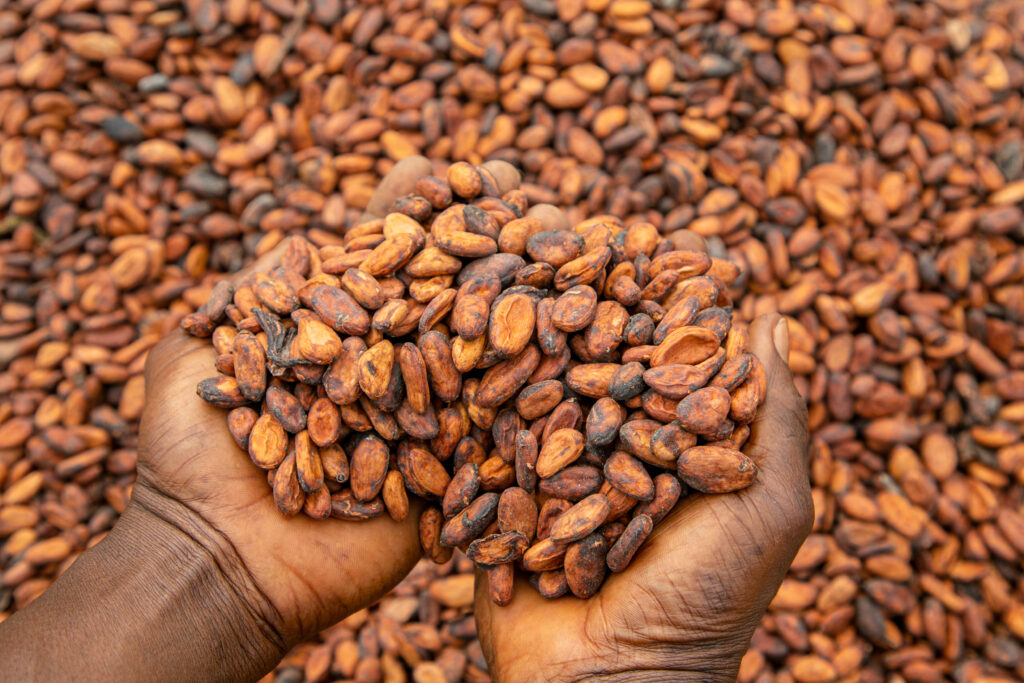
Premium Cocoa Beans from Ghana, available in UAE, Kuwait, Oman, Saudi Arabia... - Radad International

Best Cocoa Bean Origins and Their Properties

The origin of cocoa beans plays a major role in determining their flavor profile, aroma, fat content, acidity, and overall performance in chocolate and cocoa-based products. Climate, soil composition, fermentation practices, and local farming traditions all contribute to the final quality of the bean. When choosing the best cocoa origins, it helps to understand what each region brings to the table.
 
Historically, West Africa (Ivory Coast and Ghana) dominates volume supply and is the price setter on world markets. Latin American origins (Ecuador) and Southeast Asia provide important high-quality or specialty beans. Buyers looking for best cocoa beans origin typically balance cost (West Africa) and flavor/quality profiles (Ecuador, Madagascar for fine flavour).
 
African cocoa beans suppliers remain essential partners for volume purchases, but buyers also source from Latin America for specialty notes. Trade reports highlight the diversification of origin supply into 2025 as demand and yields shift regionally. (International Cocoa Organization)
 

Ghana – Consistency and Classic Cocoa Flavor

Ghana is widely respected for producing some of the most consistent cocoa beans in the world. The country maintains strict fermentation and drying standards, which helps preserve quality.
 

Key Properties:

  • Flavor: Deep, well-balanced cocoa taste with mild bitterness
  • Acidity: Low
  • Aroma: Rich and clean
  • Fat Content: Medium to high, suitable for chocolate and cocoa butter production
  • Best Use: Chocolate bars, cocoa powder, confectionery
 
Ghanaian beans are known for their reliability, which is why they are highly preferred by manufacturers who want a consistent product every time.
 

Côte d’Ivoire (Ivory Coast) – Strong and Bold Cocoa Profile

As the world’s largest cocoa producer, Ivory Coast offers large volumes and a very distinct profile.

Key Properties:

  • Flavor: Strong, robust cocoa notes
  • Acidity: Medium
  • Aroma: Earthy and straightforward
  • Fat Content: Generally high
  • Best Use: Blends, industrial chocolate, cocoa powder
These beans are commonly used in blends because they add strength and body to chocolate formulations.
 

Nigeria – Rich Flavor and High-Fat Content

Nigeria produces cocoa that is gaining more recognition because of its strong flavor and good fat profile.

Key Properties:

  • Flavor: Bold, full-bodied cocoa taste
  • Acidity: Medium
  • Aroma: Slightly woody with natural cocoa notes
  • Fat Content: Can be quite high, making the beans excellent for cocoa butter extraction
  • Best Use: Dark chocolate, cocoa butter, premium cocoa powder
 
Beans from states like Ondo and Cross River are especially prized for their flavor and fat composition.
 

Ecuador – Floral and Aromatic Notes (Arriba / Nacional)

Ecuador is famous for its Nacional and Arriba varieties. These beans are often used for premium and single-origin chocolates.

Key Properties:

  • Flavor: Fruity, floral, and sometimes slightly nutty
  • Acidity: Moderate but balanced
  • Aroma: Highly aromatic, with natural floral notes
  • Fat Content: Medium
  • Best Use: Single-origin chocolate, artisanal chocolate, high-end confectionery
 
Ecuadorian beans are known for their complexity. They are preferred by craft chocolate makers who want a flavor that stands out.
 

Peru – Rare Varieties With Bright and Complex Flavors

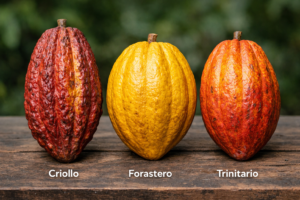
Peru is home to several rare varieties, including Criollo and Trinitario, which are among the most sought-after beans in the chocolate world.

Key Properties:

  • Flavor: Bright acidity with berry-like notes; complex
  • Aroma: Distinct and often fruity
  • Fat Content: Medium
  • Best Use: High-end chocolate bars, bean-to-bar production
Peruvian cocoa is ideal for chocolates that aim for a unique, memorable flavor experience.
 

Madagascar – Distinct Red-Fruit and Citrus Notes

Madagascar cocoa is known for its vibrant fruitiness. Many bean-to-bar chocolate makers use Madagascar beans when they want an expressive, lively chocolate.

Key Properties:

  • Flavor: Raspberry, citrus, and red-fruit notes
  • Acidity: High but pleasant
  • Aroma: Fresh and fruity
  • Fat Content: Medium
  • Best Use: Gourmet chocolate, specialty chocolate bars
 
The standout fruity profile makes Madagascar beans perfect for chocolate that aims to highlight natural flavors without heavy additives.
 

Dominican Republic – Balanced and Versatile

The Dominican Republic produces high-quality cocoa with a good balance of flavor and aroma.

Key Properties:

  • Flavor: Earthy, nutty, sometimes mildly spicy
  • Acidity: Mild
  • Aroma: Warm and round, with natural cocoa notes
  • Fat Content: Moderate to high
  • Best Use: Organic chocolate, dark chocolate blends, specialty cocoa powder
 
Many beans from the Dominican Republic are organic, which appeals to buyers looking for clean, certified options.
 

Brazil – Mild Cocoa With a Smooth Profile

Brazilian cocoa varies depending on region, but beans from Bahia and Pará are the most known.

Key Properties:

  • Flavor: Mild cocoa notes with low bitterness
  • Acidity: Low to moderate
  • Aroma: Smooth, cocoa-forward
  • Fat Content: Medium
  • Best Use: Milk chocolate, blends, cocoa powder
 
Brazilian beans are often used in blends because they add a pleasant baseline flavor without overpowering other origins.
 

Which Origin Should You Choose?

The best origin depends entirely on the goal:
  • For strong cocoa flavor: Ghana, Ivory Coast, Nigeria
  • For premium and aromatic chocolate: Ecuador, Peru, Madagascar
  • For smooth blends and versatile use: Dominican Republic, Brazil
  • For high-fat needs (cocoa butter): Nigeria, Ghana
  • For fruity or floral profiles: Madagascar, Ecuador
 
Understanding the properties of each region helps buyers choose beans that match the taste and quality they want to achieve.
 

Uses of Cocoa Beans

Cocoa beans are incredibly versatile, and their uses go far beyond chocolate bars. Once the beans are cleaned, roasted, and cracked, they can be processed in several ways depending on what the manufacturer or artisan wants to create.

Chocolate Making

This is the most common use. Cocoa beans are turned into nibs, then ground into cocoa liquor, which forms the base for dark, milk, and white chocolate (when combined with milk and sugar). The flavor of the final chocolate depends heavily on the quality and origin of the beans.

Cocoa Powder

After separating cocoa butter from the cocoa mass, the remaining solids are ground into powder (which is referred to as cocoa powder). This is used in baking, pastries, hot chocolate, beverages, ice cream, and confectionery. Some varieties carry strong fruity or earthy notes depending on the bean.

Cocoa Butter

Cocoa butter is one of the most valued fats in the world. It’s used in chocolate production, skincare products, pharmaceuticals, and premium soaps because it melts at body temperature and has a smooth, velvety texture.

Nibs and Whole Beans for Culinary Uses

Cocoa nibs add a crunchy, roasted flavor to granola, desserts, and gourmet dishes. Some chefs use lightly roasted beans in beverages and experimental cuisines.

Health and Wellness Products

Raw cocoa is rich in antioxidants, polyphenols, magnesium, and healthy fats. It’s often included in health foods, superfood blends, and energy snacks.

Cosmetic and Spa Applications

Cocoa beans and cocoa powder are used in spa treatments, exfoliants, and massage formulas. Cocoa-based skincare products are valued for their moisturizing ability and natural aroma.
 
Because cocoa beans price can swing, margin pressures on these final products can be high. Buyers must factor bean prices into their cost of goods sold carefully, especially when fluctuations are large.

Where cocoa prices stand (current market snapshot)
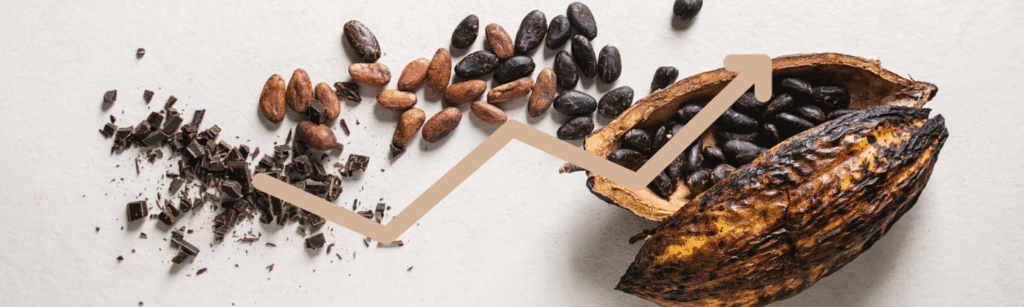
Cocoa futures and spot prices were highly volatile across 2024–2025. After very high peaks in late 2024 and early 2025, prices eased during 2025 but remained historically elevated compared with pre-2023 levels. As of late 2025, benchmark market readings and futures have shown cocoa trading in the roughly USD 5,000–8,000 per tonne range depending on the contract and exchange, a material decline from earlier 2025 peaks but still above the long-term average. (Trading Economics)
 
Independent indexes and futures (London and New York) feed into price signals that buyers follow closely. Industry reports show daily price swings as weather, crop reports, and global chocolate demand shift the balance. For downstream buyers, the practical implication is: budget for price risk and consider forwards or fixed-price MOQs if you want certainty.
Price of cocoa beans Radad International

Typical Price Range & What It Means for Buyers

As stated earlier, prices for cocoa beans can vary widely depending on type, origin, certification, and order size. As a reference:
  • Bulk commodity beans (standard quality) tend to be more affordable.
  • Certified organic or specialty beans may cost more, sometimes significantly more per tonne.
  • Freight, import duties, and handling add to the base price, especially for buyers in UAE, Saudi Arabia, Qatar, or Turkey.
 
Radad International offers cocoa beans at a rate of USD 6,000 per tonne, assuming a minimum order quantity (MOQ) of 50 tonnes. This places us in a competitive middle range for buyers seeking reliable supply without paying the premium of specialty or certified beans.
 
For smaller buyers, it can be useful to compare the per-kg cost after shipping and certification premiums, to understand the real landed cost.
 

Why prices moved and what drives them

Several factors drive cocoa beans price:
  • Supply shocks in top-producing countries (e.g., Ivory Coast, Ghana) due to weather, pests, or ageing tree stock.
 
  • Demand dynamics from confectionery companies and seasonal buying patterns (holidays raise demand).
  • Speculative and futures market activity that amplifies moves short term.
 
  • Shifts in origin supply with Latin American producers (Ecuador) expanding output. Recent reporting points to Ecuador’s rapid rise in production and shifting global shares, a development that affects global price formation. Reuters
 
These structural and cyclical forces explain why prices can move hundreds or thousands of dollars per tonne within months.
 

How to Identify a Reliable Cocoa Beans Supplier

Finding the right cocoa bean supplier is an important part of the procurement process that cannot be ignored. Here are practical considerations when selecting a cocoa beans seller or supplier:
 
  • Transparency: Make sure the supplier gives you full information on origin, quality grade, and any certifications.
 
  • Minimum Order Quantity (MOQ): Larger MOQs often offer better per-tonne pricing. For example, Radad International’s MOQ is 50 tonnes at USD 6,000/tonne.
 
  • Quality Assurance: Beans should be tested (moisture content, bean defects, foreign matter) before shipping.
 
  • Freight & Shipping Terms: Understand cost implications for transport, insurance, import duties, and handling — especially if landing in UAE or other Middle East countries.
 
  • Certification Needs: If you need organic or certified beans, confirm the paperwork, audit history, and cost premium.
 
  • Reliability and Track Record: Long-term suppliers with repeatable quality, prompt shipping, and proper documentation tend to perform best.
 
  • Realistic Pricing Extremely cheap beans often come with hidden issues such as poor fermentation or high defect rates. Consistent, fair pricing is usually a sign of a trustworthy seller.
 

Practical import notes for the Middle East and Turkey

  • Customs & duty: Check local HS codes and duty rules; most Middle Eastern import regimes also demand standard food safety paperwork.
 
  • Storage: Cocoa requires dry, cool storage to preserve quality. Bulk lots must be inspected for moisture and contamination on arrival.
 
  • Local registration: If you are a processor, confirm whether your business needs any local registration for importing food commodities.
 
  • Shipping lead times: Sea freight from West Africa or South America requires planning (several weeks). Buffer lead times when scheduling production.

 

Conclusion

 
The price of cocoa beans depends on several factors: origin, quality, certifications, shipping, and global market conditions. For buyers in the Middle East, understanding local availability and import options is just as important as understanding global pricing.
 
The UAE offers the widest availability and easiest access to multiple origins. Saudi Arabia has a strong demand and steady imports. Qatar provides supply but with smaller stock levels, and Turkey remains one of the region’s largest importers due to its manufacturing capacity.
 
Knowing where to source beans and what affects the cost allows buyers to plan purchases strategically, control quality better, and maintain a stable production line. As demand for chocolate continues to grow, the ability to secure a reliable supply at fair pricing becomes an advantage for any business in the food and manufacturing sector.

Frequently Asked Questions

Where can I buy cocoa beans in the UAE?

Cocoa beans are widely available in the UAE through specialty ingredient suppliers, chocolate-making stores, and bulk commodity distributors. In Dubai and Abu Dhabi, buyers often source from wholesalers in areas like Al Quoz, Deira, and the Dubai Foodstuff Market. Many importers also offer online purchasing, allowing home bakers, chocolatiers, and manufacturers to order small or large quantities with delivery options.
 

What is the current price of cocoa beans?

Market benchmarks in 2025 fluctuated but commonly quoted ranges were USD 5,000–8,000 per tonne depending on futures and origin. Buyers should check daily quotes and confirm the seller’s landed price. Trading Economics
 

Are cocoa beans readily available in Saudi Arabia?

Yes, cocoa beans are accessible in major Saudi cities such as Riyadh, Jeddah, and Dammam. Most food-ingredient suppliers import beans from West Africa, especially Ghana and Côte d’Ivoire, as well as Latin America. Retail options exist for smaller buyers, while factories and bakeries can purchase directly from importers who handle bulk shipments through Jeddah Islamic Port and King Abdullah Port.
 

How can buyers in Qatar source cocoa beans?

In Qatar, cocoa beans can be purchased through specialty food suppliers, chocolate-making workshops, and international distributors that operate locally. Doha’s growing café and confectionery industry has increased demand, so several suppliers now keep consistent stock. For those needing larger quantities, ordering through regional distributors in the UAE or Saudi Arabia is also common, as shipping between GCC countries is fast and cost-efficient.
 

Where are the best cocoa beans origin?

Best origin depends on needs. West Africa (Ivory Coast, Ghana) for volume and cost; Ecuador and some Latin American origins for flavour and specialty profiles. Recent production shifts in Ecuador have changed origin balances. (Reuters)
 

What are the main uses of cocoa beans?

Cocoa beans are processed into cocoa butter, cocoa powder, and chocolate liquor, inputs for chocolate bars, confectionery, beverages, bakery ingredients, and cosmetic uses.
 

What options are available for purchasing cocoa beans in Turkey?

Turkey has a strong chocolate and confectionery sector, so cocoa beans are readily imported and processed locally. Istanbul, İzmir, and Ankara host many ingredient distributors who provide everything from raw beans to nibs and liquor. Turkey also serves as a regional hub, meaning buyers can find beans from Ghana, Nigeria, Ecuador, and Peru, often at competitive prices due to high import volumes.
 

Are cocoa beans available for small-scale buyers or only for large factories?

They are available to both. Many Middle Eastern suppliers now cater to home chocolatiers, small bakeries, and artisanal brands by offering 1–5 kg packs. At the same time, bulk quantities, ranging from 50 kg bags to full container loads, remain accessible for industrial buyers. This flexibility makes it easier for beginners and professionals alike to work with high-quality cocoa beans.
 

How should cocoa beans be stored in hot climates like the Gulf region?

Cocoa beans should be kept in a cool, dry environment away from humidity and direct sunlight. High heat can affect their aroma and natural oils, so an air-conditioned storage space is ideal. If properly stored in sealed bags, cocoa beans can remain stable for several months without losing quality.
 

Do suppliers in the Middle East offer different varieties of cocoa beans?

Yes. Most distributors offer a mix of the world’s major varieties, including Forastero, Trinitario, and Criollo. These vary in flavor, acidity, and aroma. Some suppliers also provide single-origin beans, which are popular among bean-to-bar makers who want distinct flavor profiles from places like Madagascar, Peru, or Ghana.
 

Is it possible to order cocoa beans online within the region?

Absolutely. Many reputable suppliers across the UAE, Saudi Arabia, Qatar, and Turkey offer online ordering. Websites, WhatsApp order systems, and e-commerce stores make it easy to purchase and have beans delivered directly. Online options are especially helpful for small businesses and home-based chocolatiers.
 

What should I look for when choosing cocoa beans?

Buyers should consider freshness, origin, fermentation quality, aroma, and moisture levels. Well-fermented beans usually produce richer chocolate. It also helps to ask suppliers for information on harvest season and storage conditions, especially in warm climates.
 

Are cocoa beans expensive in the Middle East?

Prices vary depending on origin, quality grade, and international market conditions. Generally, beans from West Africa tend to be more affordable, while specialty beans from Latin America or single-origin farms can be higher in price. Suppliers usually share updated price lists on request.
 

Who are reliable cocoa beans suppliers in the Middle East?

Reliable suppliers combine strong logistics, clear documentation, and quality testing. Regional distributors and international traders with local offices (or partners) are typical choices. Radad International offers a transparent commercial offer (USD 6,000/tonne, MOQ 50 t) and can be evaluated against other trade offers.
Facebook
Twitter
LinkedIn
Pinterest

Leave a Reply

Your email address will not be published. Required fields are marked *