Ghana cocoa powder comes from one of the most respected cocoa-growing regions in the world. Ghana has built its reputation not through volume alone, but through consistency, strict quality control, and a deep understanding of how cocoa should be grown, fermented, and processed.
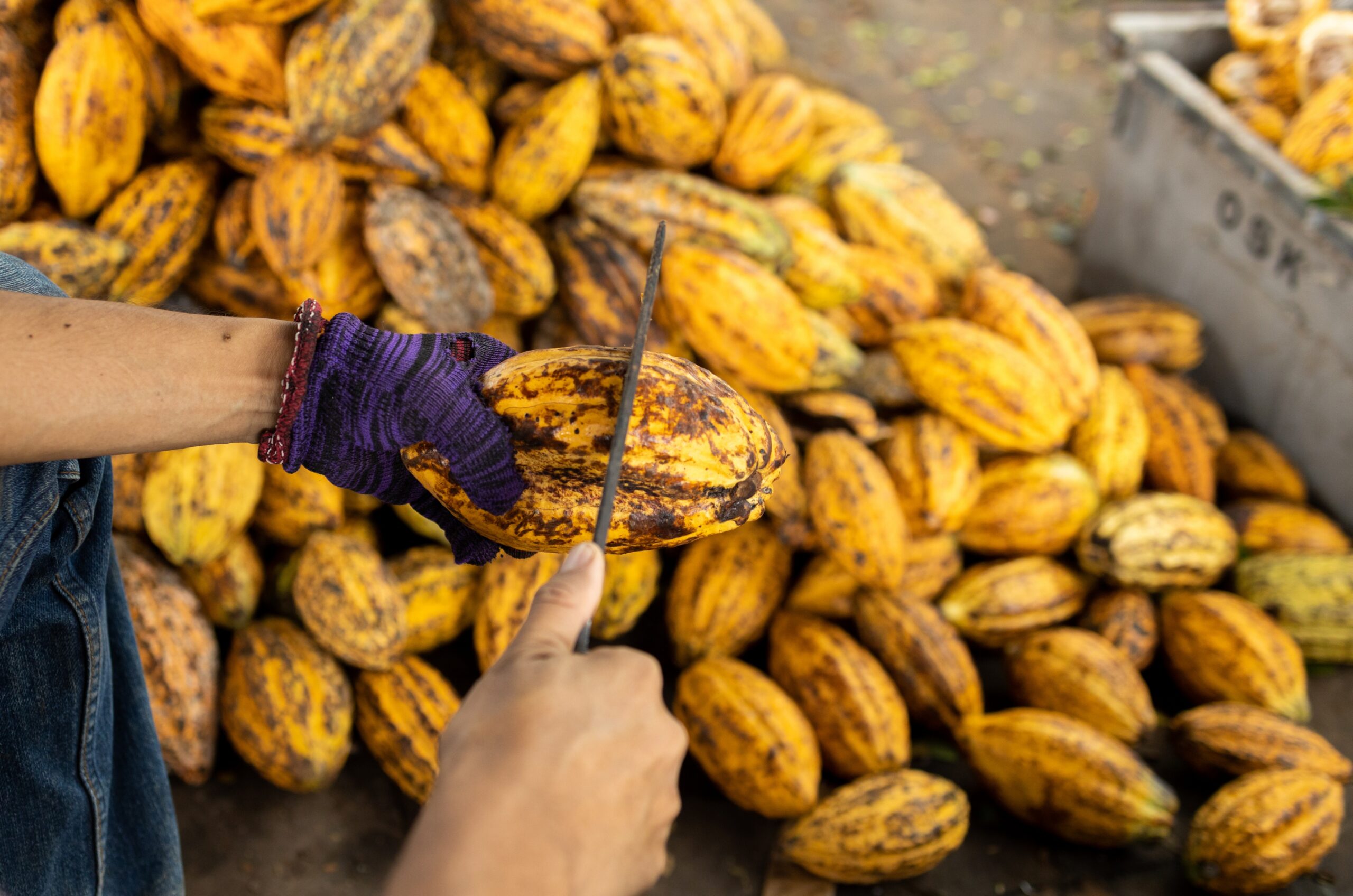
Cocoa farming in Ghana is dominated by smallholder farmers who have been growing cocoa for generations. The beans are carefully fermented and sun-dried before they ever reach a processing facility. This early handling matters to buyers because it directly affects flavor strength, cleanliness, and shelf stability of the final cocoa powder.
What makes cocoa powder from Ghana especially valuable to buyers is predictability. When you source from Ghana, you are not gambling on uneven fermentation, off-flavors, or contamination. The country’s cocoa industry is regulated by the Ghana Cocoa Board, which enforces grading standards and export controls. This means that whether you are buying natural cocoa powder or alkalized cocoa powder, you are working within a structured system designed to protect quality.
For manufacturers, traders, and food brands, Ghana cocoa powder offers a balance between strong cocoa taste and smooth mouthfeel. It works well in beverages, bakery, confectionery, and industrial food production. This reliability is why many buyers specifically request African cocoa powder sourced from Ghana rather than from less regulated origins.
Types of Cocoa Powder from Ghana and How Buyers Use Them
When sourcing Ghana cocoa powder, understanding the different types available is essential. Buyers often make costly mistakes by choosing cocoa powder based only on price or color, without matching the type to the final product. Ghana processors produce well-defined cocoa powder categories, each designed for specific applications.
Natural Cocoa Powder from Ghana
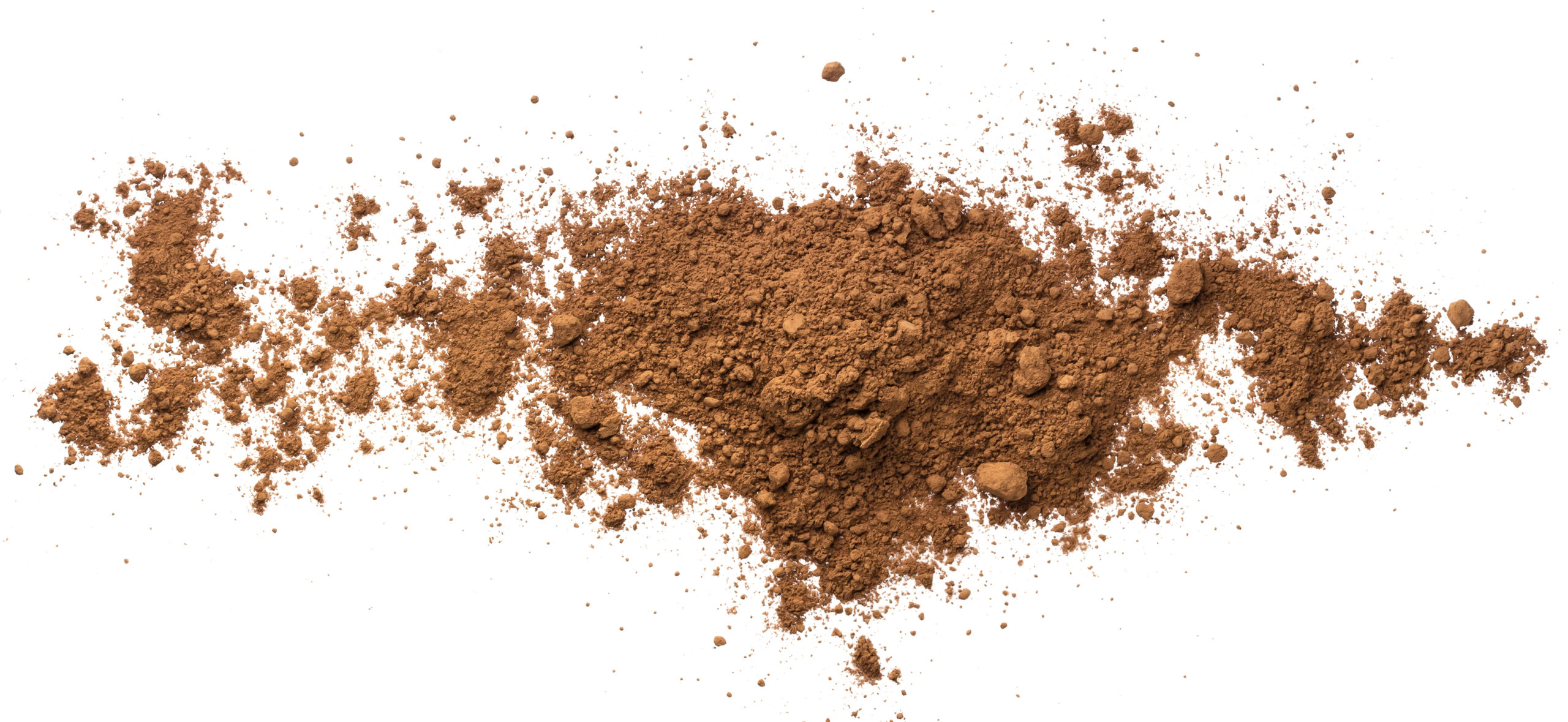
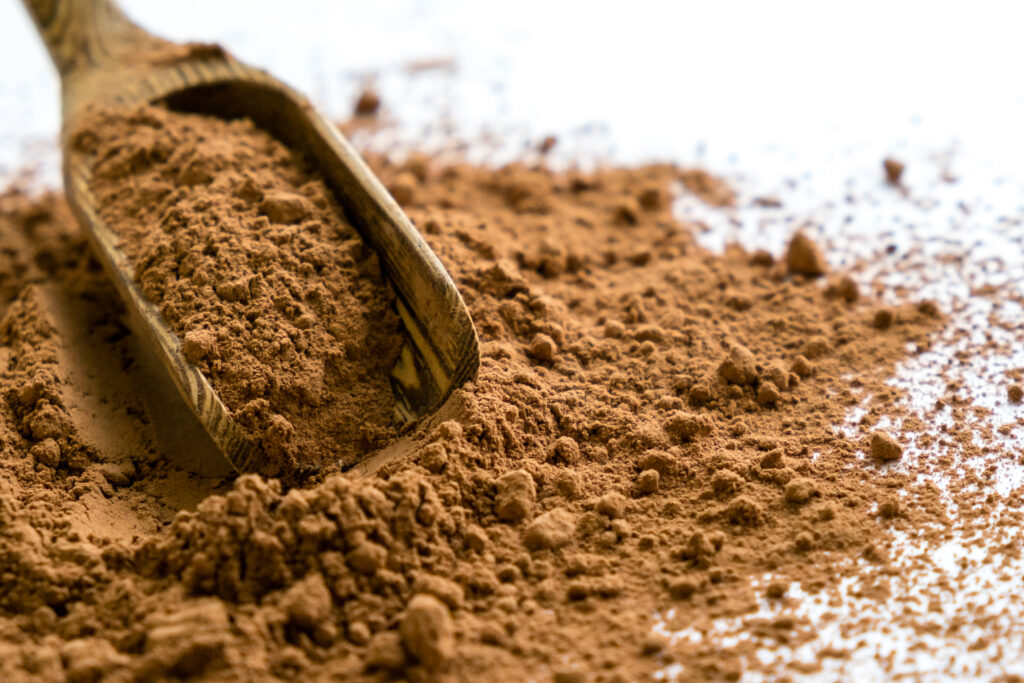
Natural cocoa powder from Ghana is produced without chemical treatment. After cocoa butter is pressed out, the remaining cocoa cake is milled directly into powder. This preserves the cocoa’s natural acidity and original flavor profile.
For buyers, this means a sharper, more intense cocoa taste with light bitterness and fruity notes. The color of natural cocoa powder is usually light brown, though it can vary slightly depending on bean origin and processing conditions.
Natural cocoa powder is best suited for:
-
Bakery products that use baking soda
-
Cocoa-flavored beverages with strong chocolate notes
-
Health and nutrition products where minimal processing matters
Alkalized Cocoa Powder from Ghana
Alkalized cocoa powder from Ghana undergoes a controlled alkalization process, where cocoa is treated with alkaline agents before or after pressing. This reduces acidity and changes the flavor and color.
For buyers, the advantage is consistency. Alkalized cocoa powder delivers a smoother taste, reduced bitterness, and better solubility in liquids. The color ranges from medium brown to dark brown, depending on the alkalization level.
This type is widely used in:
-
Chocolate drinks and instant cocoa mixes
-
Ice cream and dairy-based products
-
Cookies, cakes, and industrial baking
Manufacturers often prefer Ghana alkalized cocoa powder because it blends easily, performs consistently, and holds color well during heat processing.
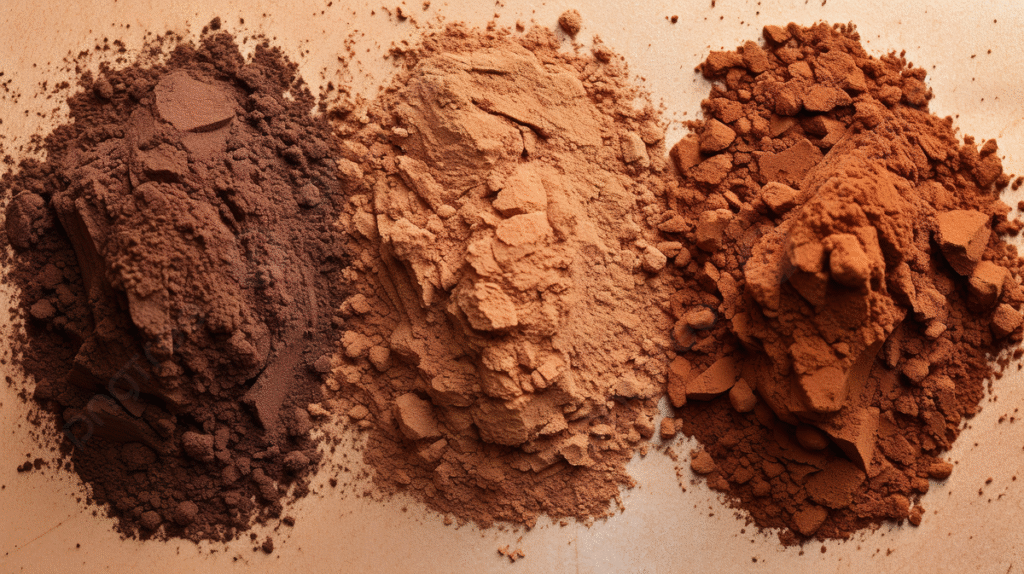
Light Brown vs Dark Brown Cocoa Powder
Color is not just visual; it affects consumer perception and product positioning.
Light brown cocoa powder is typically natural or lightly alkalized. It gives baked goods a traditional cocoa appearance and delivers a strong cocoa taste. Buyers targeting classic recipes or health-focused products usually select this grade.
Dark brown cocoa powder is heavily alkalized. It offers a deep, rich color and a smoother, rounder flavor. This is often used in premium desserts, sandwich biscuits, chocolate syrups, and dark cakes where visual impact matters.
Radad International can supply both color grades with tight specifications, which helps buyers maintain product uniformity across batches.
Cocoa Powder Suppliers in Ghana and How Buyers Should Source Safely
When buying cocoa powder, the supplier you choose matters as much as the product itself. Ghana has a well-structured cocoa industry, but buyers still need to understand how sourcing works to avoid quality, delivery, or compliance issues.
Structure of Cocoa Powder Supply in Ghana
Most Ghana cocoa powder suppliers operate either as:
-
Cocoa processors with export licenses
-
Trading companies sourcing directly from approved processors
-
Specialized sellers focusing on beverage or industrial cocoa grades
All export-grade cocoa products must meet standards set by the Ghana Cocoa Board. This regulation protects buyers by ensuring that cocoa powder exported from Ghana is traceable, properly processed, and safe for food use.
However, not all suppliers serve the same type of buyer. Some focus on bulk industrial volumes, while others serve mid-sized brands or regional distributors. As a buyer, matching your volume and application needs to the right supplier is critical.
Natural vs Alkalized Supply Capability
Not every supplier handles both natural cocoa powder and alkalized cocoa powder. Some specialize in one category due to equipment or certification limits.
Before committing, buyers should confirm:
-
Whether the supplier produces or sources natural cocoa powder from Ghana
-
Whether alkalized cocoa powder from Ghana is available in specific color grades
-
Consistency across batches, especially for long-term contracts
Reliable suppliers like Radad International provide detailed specifications, including pH level, fat content, moisture level, and color range. We also supply both natural and alkalized cocoa powder
What Buyers Should Verify Before Purchase
Before finalizing any cocoa powder order, buyers should request:
-
Certificate of analysis (COA)
-
Food safety certifications
-
Batch consistency records
-
Packaging and shelf-life details
Strong suppliers are transparent. If a seller avoids technical questions or cannot provide documentation, that is a warning sign.
Buyers sourcing African cocoa powder for export markets should also confirm compliance with destination regulations, especially in Europe and North America.
How Buyers Use Ghana Cocoa Powder and How to Choose the Right Type
For buyers, cocoa powder is not a one-size-fits-all ingredient. The way Ghana cocoa powder performs depends on the product you are making, the processing conditions, and the expectations of your end customer. Choosing the right type from the start saves cost, avoids reformulation, and protects product quality.
Cocoa Powder for Beverages
Beverage manufacturers are among the most careful buyers of cocoa powder. Solubility, smoothness, and flavor balance are critical.
For hot chocolate, cocoa drinks, and instant mixes, buyers usually prefer alkalized cocoa powder from Ghana. The reduced acidity makes the drink smoother, while improved solubility prevents settling at the bottom of the cup. Medium to dark brown cocoa powder is commonly used to give a rich chocolate appearance. This type of cocoa powder disperses evenly in both hot and cold liquids and maintains a consistent taste across batches.
Cocoa Powder for Bakery Products
Bakeries often choose cocoa powder based on leavening systems and desired flavor strength.
Natural cocoa powder from Ghana works best in recipes that use baking soda. Its natural acidity activates the leavening agent and delivers a strong cocoa taste. This is commonly used in brownies, muffins, and traditional cakes.
For darker baked goods or recipes using baking powder, alkalized cocoa powder is usually preferred. It provides a darker color and smoother taste without interfering with the baking chemistry.
Cocoa Powder for Confectionery and Desserts
Chocolate fillings, coatings, and dessert applications demand consistency. Any variation in cocoa powder can affect taste, color, and texture.
Manufacturers often select premium cocoa powder from Ghana for these uses. Dark brown cocoa powder is popular for premium desserts, sandwich biscuits, and chocolate creams where visual richness matters.
For ice cream and dairy desserts, alkalized cocoa powder is often chosen because it blends easily with milk and fat-based systems.
Cocoa Powder for Health and Nutritional Products
Brands focusing on natural or functional foods often prefer natural cocoa powder, particularly from Ghana. This is because it undergoes minimal processing and retains more of its natural cocoa character.
These buyers usually look for:
-
Lower processing intervention
-
Clean labeling
-
Traceable sourcing
Natural cocoa powder is commonly used in protein mixes, energy bars, and wellness beverages.
How Buyers Match Cocoa Powder to Their Product
Experienced buyers evaluate cocoa powder based on:
-
Flavor intensity
-
Color requirements
-
pH compatibility
-
Solubility
-
Batch consistency
Ghana cocoa powder performs well across these criteria, which is why it is widely used in both mass-market and premium applications.
Price of Ghana Cocoa Powder and What Buyers Should Understand
Price is always an important factor when sourcing cocoa powder, but experienced buyers know that price alone does not tell the full story. The price of cocoa powder is influenced by quality, processing type, global market conditions, and supply stability.
Current Price of Ghana Cocoa Powder
The price of Ghana cocoa powder is currently around USD 6,800 per ton. This price generally applies to export-grade cocoa powder that meets international food safety and quality standards. Variations may occur depending on specifications such as fat content, alkalization level, color grade, packaging, and order volume.
Why Prices Vary Between Natural and Alkalized Cocoa Powder
Natural cocoa powder is usually priced slightly lower than alkalized cocoa powder because it undergoes fewer processing steps. However, the difference is not always significant, especially when quality specifications are tight.
Alkalized cocoa powder from Ghana often costs more (around USD 6,900 to USD 7,000 per ton) due to:
-
Additional processing requirements
-
Color control
-
Improved solubility and flavor consistency
Buyers should choose based on application needs rather than price alone. Using the wrong cocoa powder to save costs often leads to reformulation expenses later.
Factors That Affect Cocoa Powder Pricing
Several elements influence the final price buyers pay:
-
Global cocoa bean prices
-
Energy and processing costs
-
Certification and compliance requirements
-
Packaging type (bulk bags vs smaller units)
-
Shipping and logistics
Ghana’s strong regulatory framework helps reduce price volatility caused by quality disputes or rejected shipments, which is an important consideration for long-term buyers.
FAQs
What makes Ghana cocoa powder different from other origins?
Ghana cocoa powder is known for its clean flavor, consistent quality, and reliable processing standards. Cocoa beans in Ghana are carefully fermented and dried, which results in a balanced cocoa taste without harsh or smoky notes. For buyers, this means fewer quality variations between shipments and better performance in food production.
What is the difference between natural cocoa powder and alkalized cocoa powder?
Natural cocoa powder is minimally processed and has a slightly acidic taste with a lighter brown color. It works well in bakery products that use baking soda.
Alkalized cocoa powder, also called Dutch-processed cocoa, is treated to reduce acidity. It has a smoother taste, darker color, and better solubility. This makes it suitable for beverages, dairy products, and premium confectionery.
Is Ghana cocoa powder suitable for large-scale manufacturing?
Yes. Ghana cocoa powder is widely used by large food manufacturers because of its consistency and regulated supply chain. Ghana cocoa powder suppliers follow strict export standards, which helps buyers maintain stable production without frequent reformulation.
What color grades are available for Ghana cocoa powder?
Ghana cocoa powder is available in light brown and dark brown. Light brown is commonly used in baked goods and natural formulations, while dark brown is preferred for premium desserts, beverages, and chocolate-flavored products where visual richness matters.
Who should buy natural cocoa powder from Ghana?
Natural cocoa powder from Ghana is ideal for buyers focused on clean-label products, health foods, and traditional baking. It is commonly used in protein powders, energy bars, and bakery items that rely on natural acidity for leavening.
What is the current price of Ghana cocoa powder?
The price of Ghana cocoa powder is currently around 6,800 per ton. The final price depends on factors such as processing type, fat content, color grade, packaging, and order volume.
Is Ghana cocoa powder suitable for export markets?
Yes. Ghana cocoa powder meets international food safety and quality standards and is widely exported to Europe, Asia, the Middle East, and North America. Its compliance and traceability make it suitable for regulated markets.
If you want to buy cocoa powder from Ghana in any quantity, contact us via email or call us directly/WhatsApp
+971522501039