Cocoa Mass (Liquor) in DubaiCocoa Mass (Cocoa Liquor): What Is It, and How Can You Buy It?

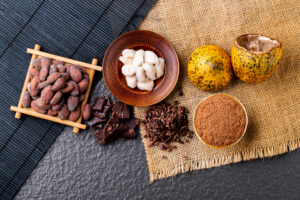
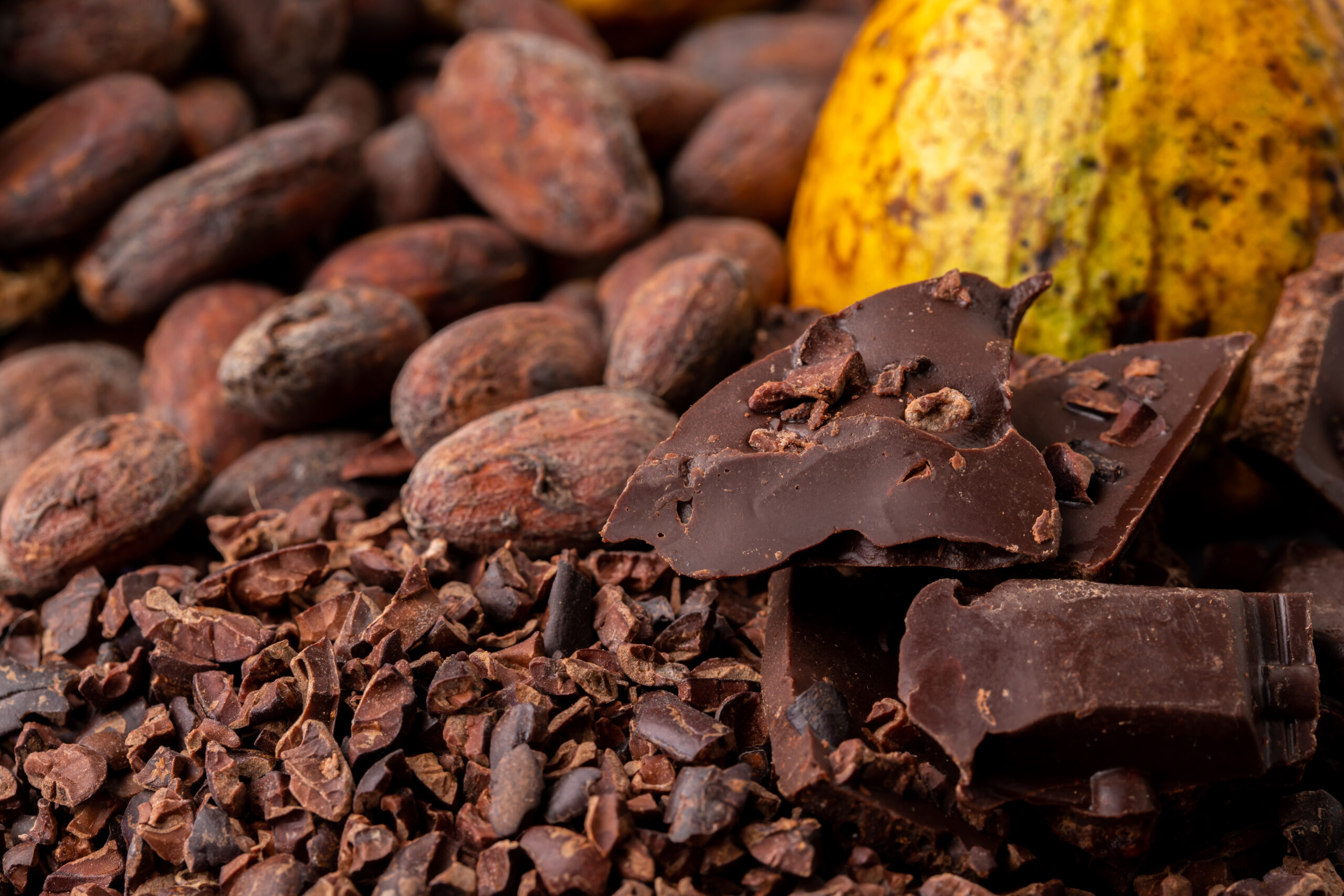
Dark chocolate pieces, cocoa mass (chocolate mass) crushed and cocoa beans, top view

Cocoa mass, also known as cocoa liquor, is the pure, ground form of cocoa beans. It is produced by fermenting, drying, roasting, and finely grinding cocoa nibs until they become a thick, smooth paste. When warm, it flows like liquid; when cooled, it solidifies into blocks.

Despite the name, cocoa liquor contains no alcohol. The term refers only to its liquid state during processing. In international trade, “cocoa mass” and “cocoa liquor” are technically the same product. In Middle Eastern and European markets, cocoa mass is the more commonly used term, especially when discussing industrial supply.

Cocoa mass contains:

Nothing is added or removed at this stage. This is why cocoa mass is considered the most honest representation of the cocoa bean and the foundation of all real chocolate products.
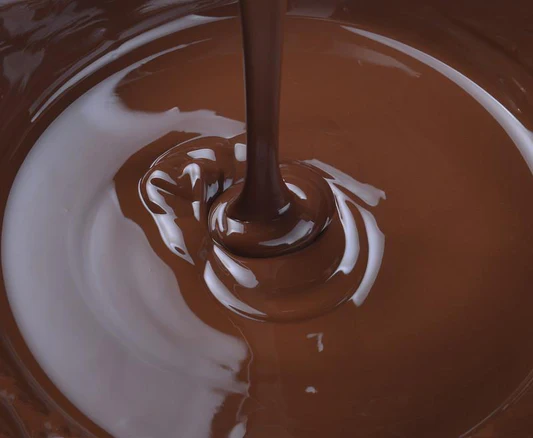
cocoa mass in its liquid form called cocoa liquor

Uses of Cocoa Mass

Cocoa mass is a core ingredient across multiple food and manufacturing sectors. Its application depends on quality, fat content, and origin.
 

Chocolate Manufacturing

Cocoa mass is the primary base for:
  • dark chocolate
  • milk chocolate
  • couverture chocolate
 
The percentage of cocoa mass directly affects flavor intensity, bitterness, mouthfeel, and aroma. Manufacturers producing premium chocolate rely heavily on the best quality cocoa mass to achieve consistency because if you get poor quality, your end product will be flawed. In most cases, the best quality of cocoa mass comes from West African countries like Ghana, Ivory Coast, Nigeria, and also from Central Africa, like Cameroon.
 

Cocoa Powder and Cocoa Butter Production

Cocoa mass is mechanically pressed to separate:
  • cocoa butter
  • cocoa cake (which is milled into cocoa powder)
This makes cocoa mass a critical upstream product for both cocoa powder and cocoa butter manufacturers. Here is the flow chart of how cocoa mass (cocoa liquor) and other cocoa derivatives are produced.
 

Bakery and Confectionery Applications

Cocoa mass is used in:
  • chocolate fillings
  • truffles and ganache
  • chocolate coatings
  • premium baked goods
 
Unlike cocoa powder, cocoa mass delivers depth, fat, and authentic cocoa character in one ingredient.
 

Beverages and Dairy Products

Some premium chocolate drinks, dairy desserts, and ice creams use cocoa mass instead of cocoa powder to achieve a richer and more natural cocoa profile.
 

Nutritional Content of Cocoa Mass

Cocoa mass is nutritionally dense because it retains the full composition of the cocoa bean without added sugar or fillers.

Nutritional Profile (Approximate Values)


Component Typical Content
Cocoa Butter 52–55%
Protein 11–14%
Dietary Fiber 10–12%
Carbohydrates 20–25%
Natural Sugars < 2%
Energy ~550–600 kcal / 100g


Key Nutritional Highlights


Nutrient Benefit
Flavonoids & Polyphenols Antioxidant properties
Magnesium Supports muscle and nerve function
Iron Important for oxygen transport
Theobromine Mild stimulant
Stearic Acid Neutral effect on cholesterol


Because cocoa mass is unsweetened and minimally processed, it is often used in clean-label, high-cocoa, and health-conscious chocolate formulations.
 

Technical Specifications of Cocoa Mass

When buying cocoa mass, specifications matter more than branding. Professional buyers should always request a Certificate of Analysis (COA), specifications, material safety data sheet, and Certificate of Origin to make sure that they are not tricked.
 

Standard Cocoa Mass Specifications

Cocoa Mass – Technical Specifications


Parameter Specification Range Remarks / Importance
Product Name Cocoa Mass / Cocoa Liquor 100% cocoa, no additives
Origin West Africa (Ghana, Côte d’Ivoire, Nigeria) African origin cocoa mass
Form Solid blocks or liquid (on request) Solid form preferred for bulk transport
Color Dark brown to reddish brown Indicates proper fermentation and roasting
Aroma Clean, strong cocoa aroma Free from off-odors
Taste Profile Intense cocoa, slightly bitter No foreign or smoky taste
Cocoa Butter Content 52 – 55% Affects melt, texture, and mouthfeel
Moisture Content ≤ 2.0% Low moisture ensures longer shelf life
pH Value 5.2 – 6.0 Balanced acidity for chocolate applications
Free Fatty Acids (FFA) ≤ 1.75% Indicates freshness and proper processing
Particle Size < 75 microns Ensures smooth texture in chocolate
Ash Content ≤ 4.0% Reflects mineral content
Theobromine Content Typical natural range Naturally occurring stimulant
Heavy Metals Within international food safety limits Meets EU / Codex standards
Microbiological Status Compliant with food-grade standards Safe for human consumption
Additives None 100% natural cocoa product
GMO Status Non-GMO From natural cocoa beans
Shelf Life 18 – 24 months When stored under recommended conditions
Storage Conditions 18–22°C, dry, odor-free environment Avoid humidity and temperature fluctuation
Packaging 20–25 kg blocks, palletized Suitable for cocoa mass in bulk


Notes for Buyers

  • These specifications are suitable for chocolate manufacturing, cocoa butter pressing, bakery, and confectionery use
  • Values may be customized based on specific buyer requirements or application
  • Full Certificate of Analysis (COA) can accompany shipments when required
  • Fat content affects texture and melt
  • pH influences flavor balance and acidity
  • Particle size impacts mouthfeel and smoothness
  • Moisture affects shelf life and stability
High-end applications demand tighter tolerances and better process control.
 

Why African Cocoa Mass Is Often Preferred

Over 70% of the world’s cocoa beans come from Africa, making African cocoa mass the global standard for chocolate production.
Cocoa mass from Africa is preferred for:
  • strong cocoa flavor
  • large-scale availability
  • competitive pricing
 

West African Cocoa Mass

West African cocoa mass, primarily from Côte d’Ivoire and Ghana, is the most widely used globally.


Origin Characteristics
Ghana Clean fermentation, balanced acidity
Côte d’Ivoire Robust cocoa strength, consistency
Nigeria Earthier notes, slightly more variability


For manufacturers prioritizing consistency, West African cocoa mass remains the most reliable choice.
 

Cocoa Mass in Dubai and the UAE Market

Demand for cocoa mass in Dubai has grown with the expansion of:
  • chocolate manufacturing
  • private-label confectionery
  • premium dessert brands
 
Dubai acts as a regional distribution hub, making cocoa liquor in the UAE more accessible with:
  • shorter lead times
  • flexible logistics
  • regional storage facilities
For many buyers, sourcing through the UAE is more practical than importing directly from the origin countries. Radad International has a strong foothold in supplying African cocoa liquor all over the UAE
 

Shelf Life of Cocoa Mass

Typical Shelf Life


Form Shelf Life
Solid cocoa mass blocks 18–24 months
Liquid cocoa mass Shorter, depends on storage


Storage Conditions of Cocoa Mass

To maintain quality:
  • store at 18–22°C
  • avoid moisture and strong odors
  • keep away from direct heat or sunlight
Improper storage can lead to fat bloom, oxidation, or flavor degradation.
 

Price of Cocoa Mass and Market Factors

The price of cocoa mass depends on:
  • global cocoa bean prices
  • origin and quality grade
  • processing standards
  • shipping and logistics
 

Price of Cocoa Mass per Ton

The price of cocoa mass per ton fluctuates with international cocoa markets. As of 2026, the price of African cocoa mass per ton ranges between USD 13,000 to USD 14,500. Premium, traceable African-origin cocoa mass commands higher prices due to quality assurance and sustainability standards.
 
Buyers sourcing cocoa mass in Dubai often benefit from consolidated logistics and reduced risk compared to direct imports, which is why Radad International is the best supplier of cocoa mass in the UAE, and all over the GCC region (Qatar, Oman, Saudi Arabia, Turkey…) and beyond.
 

How to Choose Cocoa Mass Sellers and Producers

Reliable cocoa mass sellers should provide:
  • origin transparency
  • technical specifications
  • food safety certifications
  • consistent supply
Strong partnerships with reputable cocoa mass producers ensure long-term quality stability and predictable performance in production.


FAQs

What Actually Makes Cocoa Mass Premium?

Premium cocoa mass is not defined by marketing language but by measurable quality factors.
True premium cocoa mass typically has:
  • well-fermented beans
  • controlled roasting (not over-roasted)
  • clean flavor with no smoky or moldy notes
  • consistent fat distribution
  • traceable African origin
Premium grades are commonly used in:
  • high-percentage dark chocolate
  • artisan and bean-to-bar products
  • premium dessert and pastry applications
If flavor is the selling point of your product, quality cocoa mass is non-negotiable.
 

What is cocoa mass and how is it different from cocoa powder?

Cocoa mass, also known as cocoa liquor, is made by grinding roasted cocoa beans into a smooth paste that contains both cocoa solids and natural cocoa butter. Cocoa powder, on the other hand, is produced after cocoa mass is pressed to remove most of the cocoa butter. Cocoa mass is richer, more intense in flavor, and used as a base ingredient in chocolate manufacturing.

Is cocoa mass the same as cocoa liquor?

Yes. Cocoa mass and cocoa liquor refer to the same product. The term “liquor” describes the liquid state of cocoa during grinding and does not indicate the presence of alcohol. In many regions, especially Europe and the Middle East, the term cocoa mass is more commonly used.
 

What is African origin cocoa mass?

African origin cocoa mass is produced from cocoa beans grown in African countries, mainly in West Africa. This region supplies the majority of the world’s cocoa. West African cocoa mass is valued for its strong cocoa flavor, consistency, and suitability for large-scale chocolate and confectionery production.
 

Why is West African cocoa mass widely used in chocolate manufacturing?

West African cocoa mass offers a balanced combination of cocoa intensity, stable fat content, and reliable supply volumes. Countries such as Ghana and Côte d’Ivoire are known for well-established fermentation and quality control practices, making their cocoa mass suitable for both industrial and premium chocolate applications.
 

What are the main uses of cocoa mass?

Cocoa mass is used in:
  • Chocolate and couverture production
  • Cocoa butter and cocoa powder processing
  • Bakery and confectionery fillings
  • Ice cream, desserts, and beverages
It serves as the foundational ingredient that determines flavor, texture, and melt characteristics.
 

What does premium cocoa mass mean?

Premium cocoa mass refers to cocoa mass produced from high-quality beans, with controlled fermentation, careful roasting, and consistent processing. It delivers cleaner flavor, better mouthfeel, and predictable performance, making it ideal for high-end chocolate and specialty food products.
 

What is the cocoa butter content in cocoa mass?

Cocoa mass typically contains between 52% and 55% cocoa butter. This natural fat content affects melting behavior, texture, and gloss in chocolate products.
 

How is cocoa mass supplied—solid or liquid?

Cocoa mass is most commonly supplied in solid block form (usually 20–25 kg blocks) for ease of storage and transport. Liquid cocoa mass can also be supplied upon request, depending on logistics and buyer requirements.
 

What is the shelf life of cocoa mass?

When stored under proper conditions: cool, dry, and away from odors, cocoa mass typically has a shelf life of 18 to 24 months. Temperature stability and moisture control are critical for maintaining quality.
 

How should cocoa mass be stored?

Cocoa mass should be stored at temperatures between 18–22°C, in a dry and odor-free environment. Exposure to heat, humidity, or strong smells can negatively affect flavor and texture.
 

What factors affect the price of cocoa mass?

The price of cocoa mass is influenced by:
  • Global cocoa bean prices
  • Origin and grade of beans
  • Processing quality
  • Freight and logistics costs
Premium and traceable African-origin cocoa mass generally commands a higher price due to quality assurance and consistency.
 

What is the price of cocoa mass per ton?

The price of cocoa mass per ton varies depending on market conditions, origin, fat content, and order volume. For accurate and current pricing, buyers are advised to request a quotation based on their specific requirements. As of 2026, Radad International sells premium African Cocoa mass for USD 13,500 to USD 14,000 per ton on a CFR basis
 

Can cocoa mass be purchased in bulk quantities?

Yes. Cocoa mass is commonly supplied in bulk for industrial buyers, such as chocolate factories and processors. Radad International supports bulk cocoa mass supply as well as flexible volumes for different production needs.
 

Is it possible to buy small quantities of cocoa mass?

Yes. Small quantities of cocoa mass can be supplied for product testing, R&D, or specialty manufacturing. This allows buyers to evaluate quality before committing to larger volumes.
 

Does Radad International supply cocoa mass in Dubai and the UAE?

Yes. Radad International supplies cocoa mass in Dubai and across the UAE, leveraging regional logistics infrastructure to serve manufacturers throughout the Middle East and beyond.
 

What documents are provided with cocoa mass shipments?

Typically, shipments can be accompanied by:
  • Certificate of Analysis (COA)
  • Certificate of Origin
  • Phytosanitary documentation (if required)
  • Commercial invoice and packing list
 

Why choose Radad International for cocoa mass sourcing?

Radad International offers reliable access to African-origin cocoa mass, strong supplier relationships, clear technical specifications, and flexible supply options. The focus is on consistency, quality, and long-term partnership rather than one-time transactions.


Facebook
Twitter
LinkedIn
Pinterest

Leave a Reply

Your email address will not be published. Required fields are marked *