Cocoa is one of the world’s most traded agricultural products, and the price of cocoa beans has become a major point of attention for chocolate manufacturers, bakeries, food processors, and distributors across the Middle East. As demand for chocolate-based products grows, many businesses want to understand how cocoa bean pricing works, which origins offer the best value, and how suppliers determine their prices.
First things first, you have to understand that even though cocoa is a global commodity, its price is not fixed. Different origins have different prices. Organic beans cost more than conventional ones. African cocoa beans suppliers offer one range of prices, while beans from South America or Southeast Asia follow another pattern. And then there are certifications, shipping, storage, and minimum order quantities.
What Determines the Price of Cocoa Beans?
Origin of the Beans
-
Ghana
-
Ivory Coast
-
Nigeria
-
Cameroon
-
Ecuador
-
Dominican Republic
-
Peru
-
Indonesia
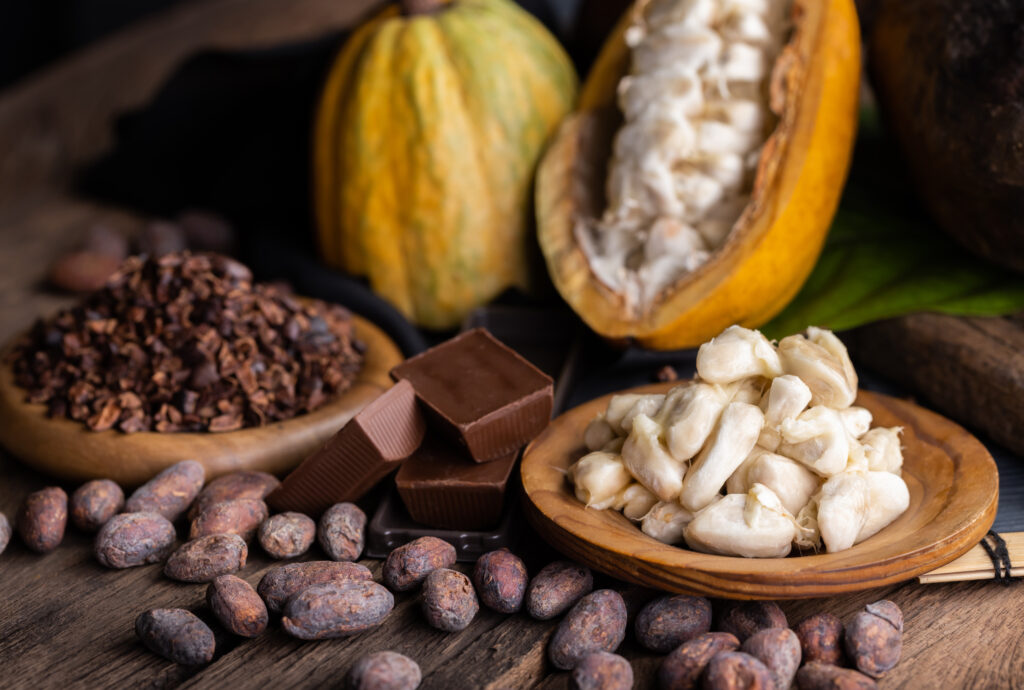
Type and Quality of Beans
-
Moisture level
-
Fermentation quality
-
Bean size and uniformity
-
Defect rate (broken beans, mold, pests)
-
Handling practices
-
Harvesting standards
Certifications
-
EU certified organic cocoa beans
-
Fairtrade certification
-
Rainforest Alliance certification
Supply and yield from producing countries.
Global demand for cocoa products.
Shipping and Logistics
-
UAE
-
Saudi Arabia
-
Qatar
-
Turkey
Global Supply and Market Conditions
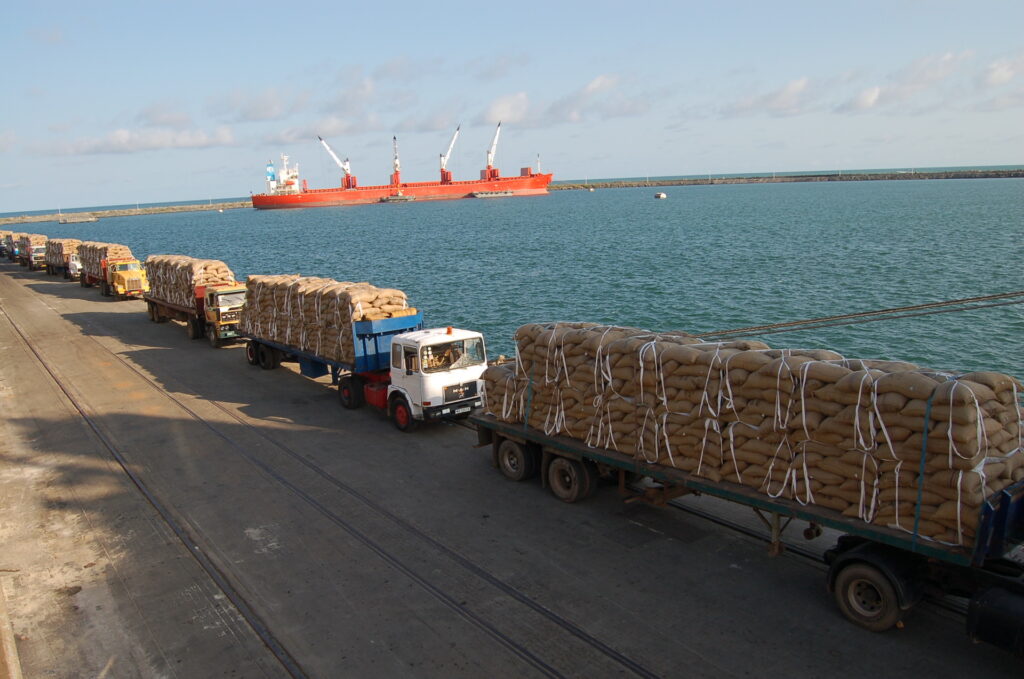
Typical Cocoa Bean Pricing and Realistic Ranges
-
Base price per ton
-
Freight
-
Import tax (varies per country)
-
Insurance
-
Port handling fee
-
Storage (if required)
Availability of Cocoa Beans in the Middle East
Cocoa Beans in UAE
Where buyers can purchase cocoa beans in the UAE
-
Directly from importers and bulk suppliers based in Dubai
-
From local food ingredient distributors who hold stock in warehouses
-
Through international suppliers who ship to Jebel Ali Port
-
From major wholesalers operating in Dubai’s commodity markets
Availability
Cocoa Beans in Saudi Arabia
Where buyers can purchase cocoa beans in Saudi Arabia
-
Bulk ingredient suppliers in Jeddah, Riyadh, and Dammam
-
Local distributors that handle monthly imports for manufacturers
-
International suppliers shipping through Jeddah Islamic Port or King Abdulaziz Port
-
Trading companies specializing in food raw materials
Availability
Cocoa Beans in Qatar
Where buyers can purchase cocoa beans in Qatar
-
Local importers in Doha
-
Food supply distributors who supply hotels and restaurants
-
Direct shipments from international suppliers via Hamad Port
Availability
Cocoa Beans in Turkey
Where buyers can purchase cocoa beans in Turkey
-
Ingredient wholesalers in Istanbul, Izmir, and Bursa
-
Direct shipments arriving at major ports
-
Local trading houses handling raw cocoa and cocoa derivatives
-
Specialty chocolate suppliers offering premium beans
Availability
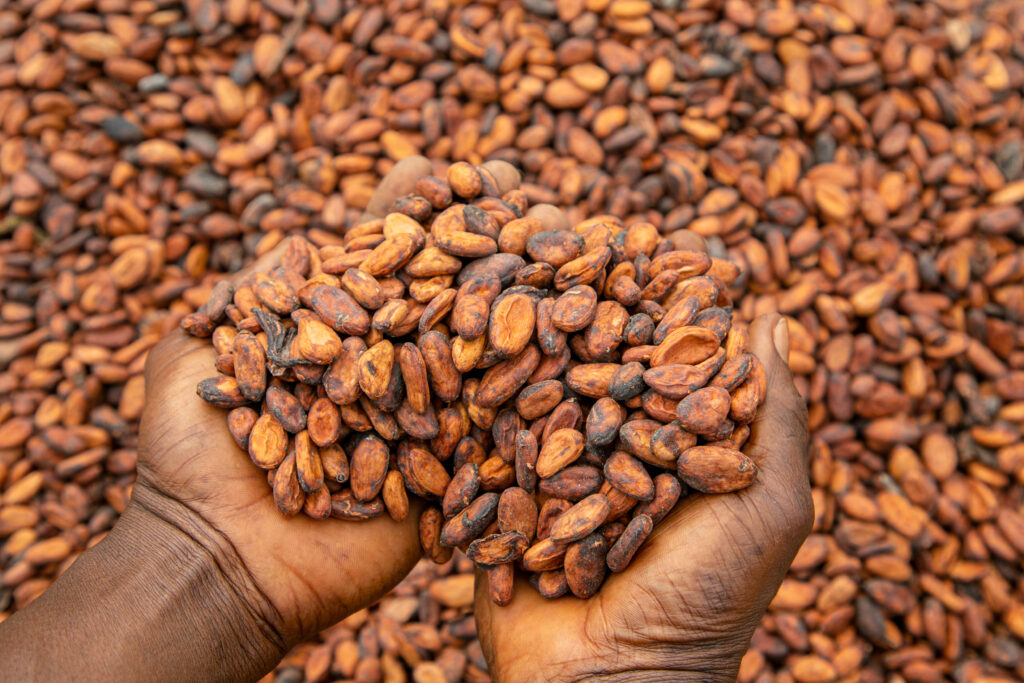
Best Cocoa Bean Origins and Their Properties
Ghana – Consistency and Classic Cocoa Flavor
Key Properties:
-
Flavor: Deep, well-balanced cocoa taste with mild bitterness
-
Acidity: Low
-
Aroma: Rich and clean
-
Fat Content: Medium to high, suitable for chocolate and cocoa butter production
-
Best Use: Chocolate bars, cocoa powder, confectionery
Côte d’Ivoire (Ivory Coast) – Strong and Bold Cocoa Profile
Key Properties:
-
Flavor: Strong, robust cocoa notes
-
Acidity: Medium
-
Aroma: Earthy and straightforward
-
Fat Content: Generally high
-
Best Use: Blends, industrial chocolate, cocoa powder
Nigeria – Rich Flavor and High-Fat Content
Key Properties:
-
Flavor: Bold, full-bodied cocoa taste
-
Acidity: Medium
-
Aroma: Slightly woody with natural cocoa notes
-
Fat Content: Can be quite high, making the beans excellent for cocoa butter extraction
-
Best Use: Dark chocolate, cocoa butter, premium cocoa powder
Ecuador – Floral and Aromatic Notes (Arriba / Nacional)
Key Properties:
-
Flavor: Fruity, floral, and sometimes slightly nutty
-
Acidity: Moderate but balanced
-
Aroma: Highly aromatic, with natural floral notes
-
Fat Content: Medium
-
Best Use: Single-origin chocolate, artisanal chocolate, high-end confectionery
Peru – Rare Varieties With Bright and Complex Flavors
Key Properties:
-
Flavor: Bright acidity with berry-like notes; complex
-
Aroma: Distinct and often fruity
-
Fat Content: Medium
-
Best Use: High-end chocolate bars, bean-to-bar production
Madagascar – Distinct Red-Fruit and Citrus Notes
Key Properties:
-
Flavor: Raspberry, citrus, and red-fruit notes
-
Acidity: High but pleasant
-
Aroma: Fresh and fruity
-
Fat Content: Medium
-
Best Use: Gourmet chocolate, specialty chocolate bars
Dominican Republic – Balanced and Versatile
Key Properties:
-
Flavor: Earthy, nutty, sometimes mildly spicy
-
Acidity: Mild
-
Aroma: Warm and round, with natural cocoa notes
-
Fat Content: Moderate to high
-
Best Use: Organic chocolate, dark chocolate blends, specialty cocoa powder
Brazil – Mild Cocoa With a Smooth Profile
Key Properties:
-
Flavor: Mild cocoa notes with low bitterness
-
Acidity: Low to moderate
-
Aroma: Smooth, cocoa-forward
-
Fat Content: Medium
-
Best Use: Milk chocolate, blends, cocoa powder
Which Origin Should You Choose?
-
For strong cocoa flavor: Ghana, Ivory Coast, Nigeria
-
For premium and aromatic chocolate: Ecuador, Peru, Madagascar
-
For smooth blends and versatile use: Dominican Republic, Brazil
-
For high-fat needs (cocoa butter): Nigeria, Ghana
-
For fruity or floral profiles: Madagascar, Ecuador
Uses of Cocoa Beans
Chocolate Making
Cocoa Powder
Cocoa Butter
Nibs and Whole Beans for Culinary Uses
Health and Wellness Products
Cosmetic and Spa Applications
Where cocoa prices stand (current market snapshot)
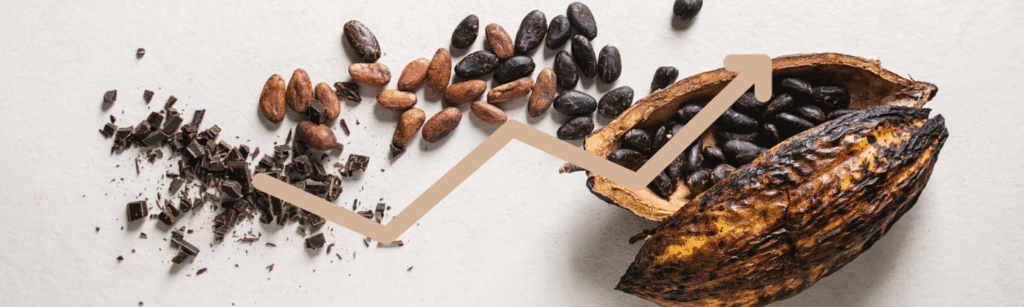
Typical Price Range & What It Means for Buyers
-
Bulk commodity beans (standard quality) tend to be more affordable.
-
Certified organic or specialty beans may cost more, sometimes significantly more per tonne.
-
Freight, import duties, and handling add to the base price, especially for buyers in UAE, Saudi Arabia, Qatar, or Turkey.
Why prices moved and what drives them
-
Supply shocks in top-producing countries (e.g., Ivory Coast, Ghana) due to weather, pests, or ageing tree stock.
-
Demand dynamics from confectionery companies and seasonal buying patterns (holidays raise demand).
-
Speculative and futures market activity that amplifies moves short term.
-
Shifts in origin supply with Latin American producers (Ecuador) expanding output. Recent reporting points to Ecuador’s rapid rise in production and shifting global shares, a development that affects global price formation. Reuters
How to Identify a Reliable Cocoa Beans Supplier
-
Transparency: Make sure the supplier gives you full information on origin, quality grade, and any certifications.
-
Minimum Order Quantity (MOQ): Larger MOQs often offer better per-tonne pricing. For example, Radad International’s MOQ is 50 tonnes at USD 6,000/tonne.
-
Quality Assurance: Beans should be tested (moisture content, bean defects, foreign matter) before shipping.
-
Freight & Shipping Terms: Understand cost implications for transport, insurance, import duties, and handling — especially if landing in UAE or other Middle East countries.
-
Certification Needs: If you need organic or certified beans, confirm the paperwork, audit history, and cost premium.
-
Reliability and Track Record: Long-term suppliers with repeatable quality, prompt shipping, and proper documentation tend to perform best.
-
Realistic Pricing Extremely cheap beans often come with hidden issues such as poor fermentation or high defect rates. Consistent, fair pricing is usually a sign of a trustworthy seller.
Practical import notes for the Middle East and Turkey
-
Customs & duty: Check local HS codes and duty rules; most Middle Eastern import regimes also demand standard food safety paperwork.
-
Storage: Cocoa requires dry, cool storage to preserve quality. Bulk lots must be inspected for moisture and contamination on arrival.
-
Local registration: If you are a processor, confirm whether your business needs any local registration for importing food commodities.
-
Shipping lead times: Sea freight from West Africa or South America requires planning (several weeks). Buffer lead times when scheduling production.