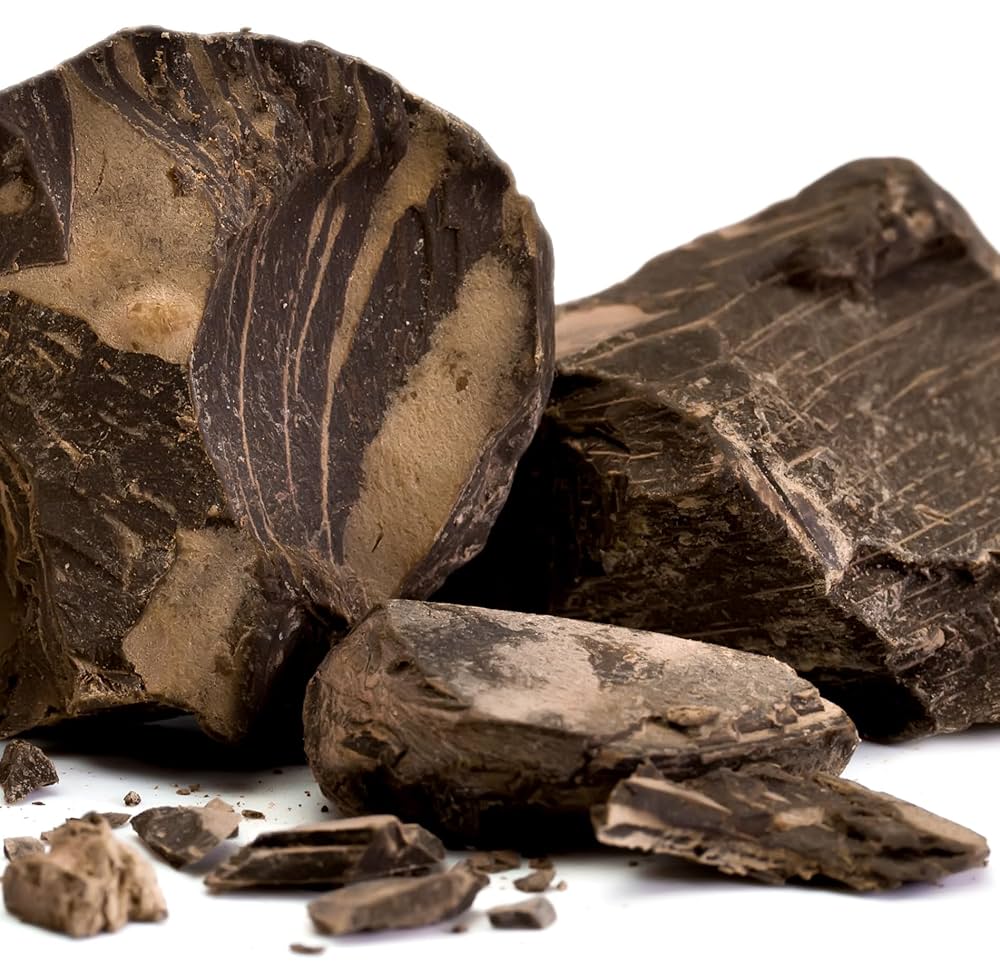
Cocoa Mass (Cocoa Liquor): The Foundation of Every Chocolate
A comprehensive professional guide to cocoa mass production, applications, quality standards, and sourcing. Your complete resource for understanding chocolate’s essential ingredient.
⚡ Cocoa Mass at a Glance
📋 Complete Guide Navigation
What is Cocoa Mass (Cocoa Liquor)?
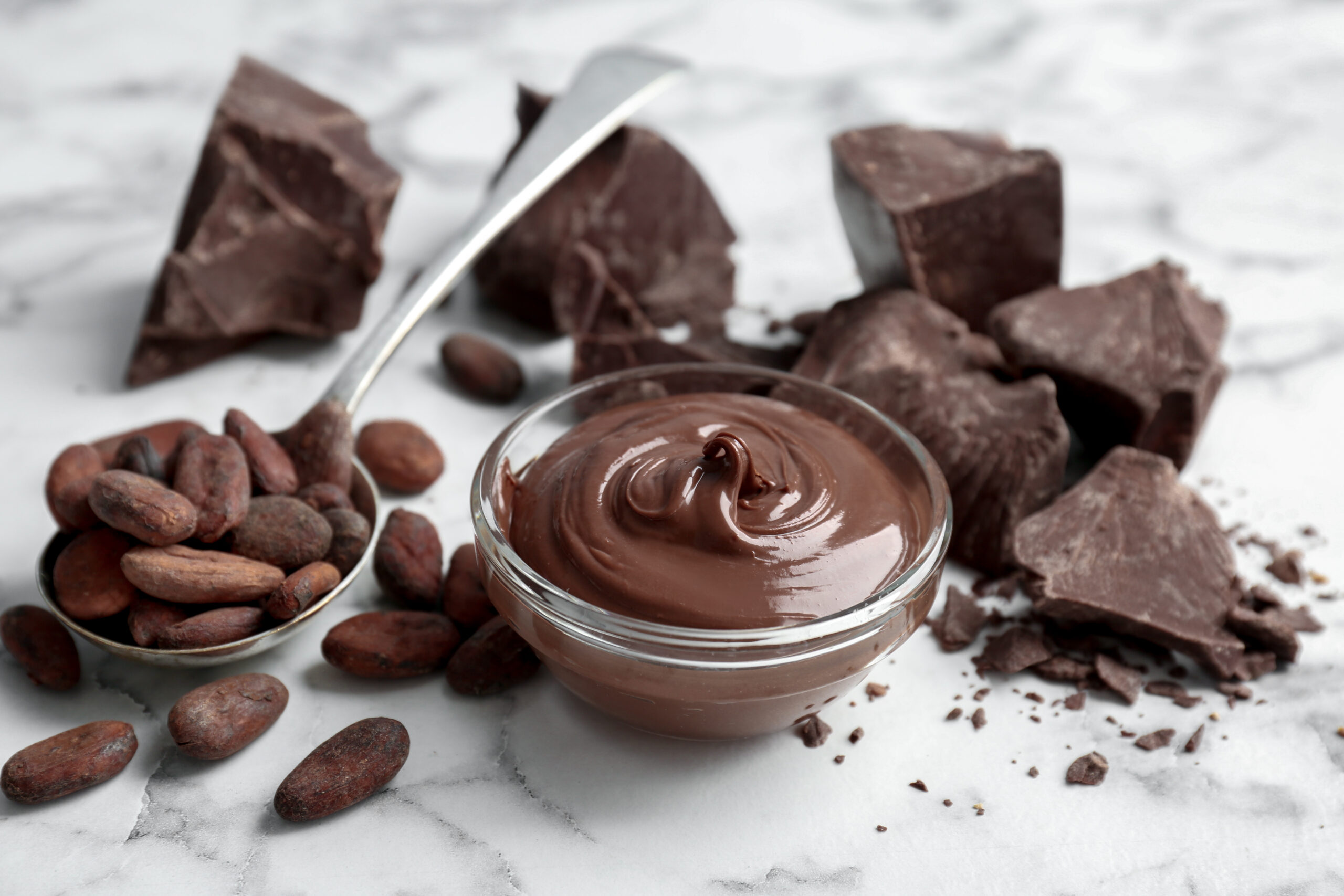
Cocoa mass, also known as cocoa liquor, cocoa paste, or chocolate liquor, is the fundamental building block of all chocolate products. It represents pure chocolate in its most basic, unadulterated form—100% cocoa with nothing added and nothing removed.
Despite the term “liquor” in its name, cocoa mass contains absolutely no alcohol. The word “liquor” derives from the ancient meaning of “liquid” or “fluid,” referring to its molten state during processing. When heated, cocoa mass flows like a thick liquid; when cooled, it solidifies into a dense, dark block.
🔑 Key Definition
Cocoa Mass is the product obtained by grinding fermented, dried, roasted, and winnowed cacao beans (nibs) into a smooth, homogeneous paste. During grinding, the mechanical action and friction generate heat that melts the natural cocoa butter within the beans, creating a free-flowing liquid mass containing approximately equal parts cocoa solids and cocoa butter.
Why is Cocoa Mass an Important Ingredient in Food Processing?
Industry Foundation
Cocoa mass is the cornerstone of the entire chocolate industry. Every chocolate product—from dark chocolate bars to milk chocolate, from chocolate chips to cocoa powder—begins with cocoa mass.
Flavor Source
The complex flavor profile of chocolate comes primarily from cocoa mass. It carries over 1,500 distinct flavor compounds developed during fermentation and roasting, creating the characteristic chocolate taste.
Versatile Ingredient
Cocoa mass serves multiple functions: it can be used directly in chocolate production, further processed to separate cocoa butter and cocoa powder, or utilized as an ingredient in baked goods and confections.
Quality Indicator
The quality of cocoa mass directly determines the quality of the final chocolate product. Premium chocolate starts with premium cocoa mass from carefully selected and processed cacao beans.
Production Process: From Bean to Mass
Understanding how cocoa mass is produced provides insight into its quality and characteristics. The journey from cacao pod to cocoa mass involves several critical steps, each contributing to the final flavor, aroma, and quality.
Complete Production Journey
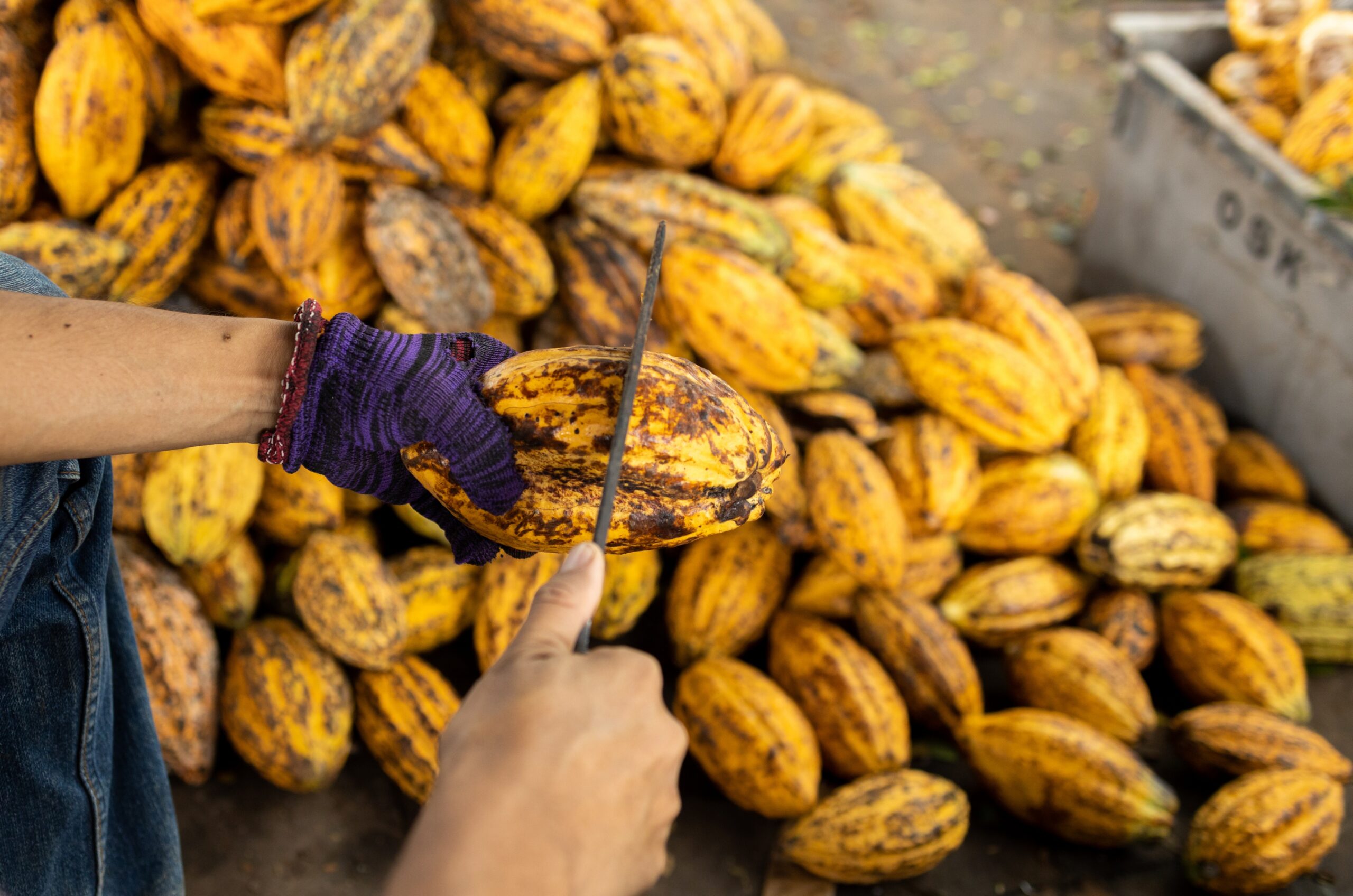
Harvesting
Location: Tropical cacao farms worldwide
Process: Ripe cacao pods are carefully hand-harvested from Theobroma cacao trees. Pods turn from green to yellow, orange, or red when ready.
Quality Factor: Proper ripeness ensures optimal flavor potential
Pod Breaking & Bean Extraction
Method: Pods are split open manually or mechanically
Result: 20-50 beans per pod, surrounded by sweet white pulp
Timeline: Must be done within 24 hours of harvest
Fermentation
Duration: 5-8 days depending on bean variety
Purpose: Develops chocolate flavor precursors, reduces bitterness, changes bean color from purple to brown
Critical Stage: Temperature reaches 45-50°C, killing the bean germ
Drying
Method: Sun-drying or mechanical drying
Goal: Reduce moisture from 60% to 6-8%
Duration: 5-14 days for sun drying, 24-48 hours mechanically
Purpose: Prevents mold growth, allows safe storage
Cleaning & Sorting
Process: Removal of debris, stones, metal, broken beans
Method: Mechanical sieving, air classification, magnetic separation
Quality Control: Ensures only premium beans proceed
Optional: Alkalisation (Dutching)
Treatment: Beans/nibs treated with alkaline solution
Effect: Darkens color, reduces acidity, mellows flavor
Usage: Primarily for cocoa powder production
Roasting
Temperature: 110-140°C (230-285°F)
Duration: 10-35 minutes depending on desired profile
Purpose: Develops chocolate flavor, reduces moisture, loosens shells
Critical: Roast profile significantly impacts final taste
Cracking & Winnowing
Cracking: Beans broken into small pieces
Winnowing: Shells separated from nibs using air classification
Result: Pure cocoa nibs (inner kernel)
Shell Content: Must be below 1.75% in final product
Grinding & Refining
Equipment: Impact mills, stone mills, or ball mills
Process: Nibs ground to increasingly fine particles
Heat Generation: Friction melts cocoa butter, creating liquid mass
Particle Size: Typically 20-75 microns depending on end use
Cocoa Mass Formation
Result: Smooth, homogeneous liquid cocoa mass
Temperature: Maintained at 45-50°C for fluidity
Quality Check: Tested for particle size, fat content, flavor
Molding or Further Processing
Option 1: Cooled and molded into blocks for storage/transport
Option 2: Used immediately in chocolate production
Option 3: Pressed to separate cocoa butter and cocoa cake
Quality Control & Packaging
Testing: Fat content, particle size, flavor profile, microbiological safety
Packaging: Airtight bags, drums, or blocks
Storage: Cool, dry conditions to maintain quality
🔬 Technical Production Notes
- Grinding Methods: Impact mills are efficient for initial size reduction; ball mills and stone mills refine particles to final specifications
- Particle Size Control: For chocolate production, 20-30 microns creates smooth mouthfeel; for cocoa butter pressing, 50-75 microns is acceptable
- Temperature Management: Critical throughout grinding to prevent flavor degradation while maintaining fluidity
- Conching Option: Some producers conch cocoa mass for extended periods (4-72 hours) to develop flavor and improve texture
Composition & Properties
Understanding the composition of cocoa mass helps explain its functionality in chocolate production and other applications. Cocoa mass is a complex mixture of various compounds that contribute to its unique properties.
Basic Composition
| Component | Typical Range (%) | Function | Impact on Product |
|---|---|---|---|
| Cocoa Butter (Fat) | 50-58% | Natural fat, provides fluidity when melted | Contributes to melt-in-mouth texture, smooth mouthfeel, snap of chocolate |
| Cocoa Solids (Non-fat) | 42-50% | Flavor carriers, texture providers | Delivers chocolate flavor, color, antioxidants, nutritional value |
| Moisture | 1.5-3.0% | Residual water content | Affects shelf life, microbial stability, processing behavior |
| Shell Content | <1.75% | Residual shell fragments | Higher levels reduce quality, add bitterness, affect texture |
Detailed Chemical Composition
| Component Class | Specific Compounds | Content Range | Significance |
|---|---|---|---|
| Fats (Cocoa Butter) | Triglycerides (palmitic, stearic, oleic acids) | 50-58% | Melting properties, texture, shelf stability |
| Proteins | Albumins, globulins | 10-12% | Emulsification, flavor development during roasting |
| Polysaccharides | Cellulose, hemicellulose, starch | 15-18% | Dietary fiber, texture, water binding |
| Polyphenols | Catechins, epicatechins, procyanidins | 6-8% | Astringency, antioxidant properties, health benefits |
| Methylxanthines | Theobromine (1.5-3%), Caffeine (0.1-0.7%) | 1.6-3.7% | Mild stimulant effects, bitter taste contribution |
| Organic Acids | Acetic, lactic, citric acids | 1-2% | Flavor complexity, pH, preservation |
| Minerals | K, Mg, Ca, Fe, Zn | 2-4% | Nutritional value, enzyme activity |
| Flavor Volatiles | Aldehydes, esters, pyrazines, alcohols | trace | Characteristic chocolate aroma and flavor (1500+ compounds) |
Physical Properties
| Property | Value/Range | Measurement Conditions | Importance |
|---|---|---|---|
| Melting Point | 32-35°C (90-95°F) | Bulk melting range | Determines processing temperature, storage requirements |
| Viscosity | Variable (highly dependent on temperature and particle size) | At 50°C, measured by viscometer | Affects pumpability, processing, chocolate manufacturing |
| Particle Size | 20-75 microns | After grinding/refining | Mouthfeel, smoothness; <30 microns = imperceptible on tongue |
| Density | ~1.1-1.2 g/cm³ | At room temperature (solid) | Volume calculations, processing equipment sizing |
| pH | 5.0-6.0 (natural); 6.5-8.5 (alkalized) | 10% aqueous suspension | Flavor profile, color development, reactivity |
| Color | Dark brown to nearly black | Visual assessment, spectrophotometry | Quality indicator, influences final product appearance |
Types & Grades of Cocoa Mass
Cocoa mass comes in various types and grades, each suited for different applications and offering distinct characteristics. Understanding these differences helps in selecting the right product for your specific needs.
Classification by Processing
| Type | Processing Method | Characteristics | Best Applications |
|---|---|---|---|
| Natural Cocoa Mass | No alkalization; pure roasted & ground cacao | • pH: 5.0-6.0 • Light to medium brown color • Acidic, complex flavor • Pronounced chocolate taste |
Premium dark chocolate, bean-to-bar chocolate, specialty confections |
| Alkalized Cocoa Mass (Dutched) | Treated with alkaline solution (potassium carbonate) | • pH: 6.5-8.5 • Dark brown to reddish color • Reduced acidity • Mellower, less bitter flavor |
Cocoa powder production, specific flavor profiles, color-critical applications |
| Organic Cocoa Mass | Certified organic farming & processing | • No synthetic pesticides/fertilizers • Third-party certified • Premium pricing • Traceable supply chain |
Organic chocolate, health-conscious products, premium markets |
| Fair Trade Cocoa Mass | Ethically sourced beans with fair wages | • Certified fair trade • Social premium paid • Sustainable practices • Transparent sourcing |
Ethical brands, socially conscious products |
| Single-Origin Cocoa Mass | Beans from one specific region/country | • Distinct terroir flavors • Unique characteristics • Premium quality • Traceability |
Artisan chocolate, premium products, flavor-focused applications |
Classification by Physical Form
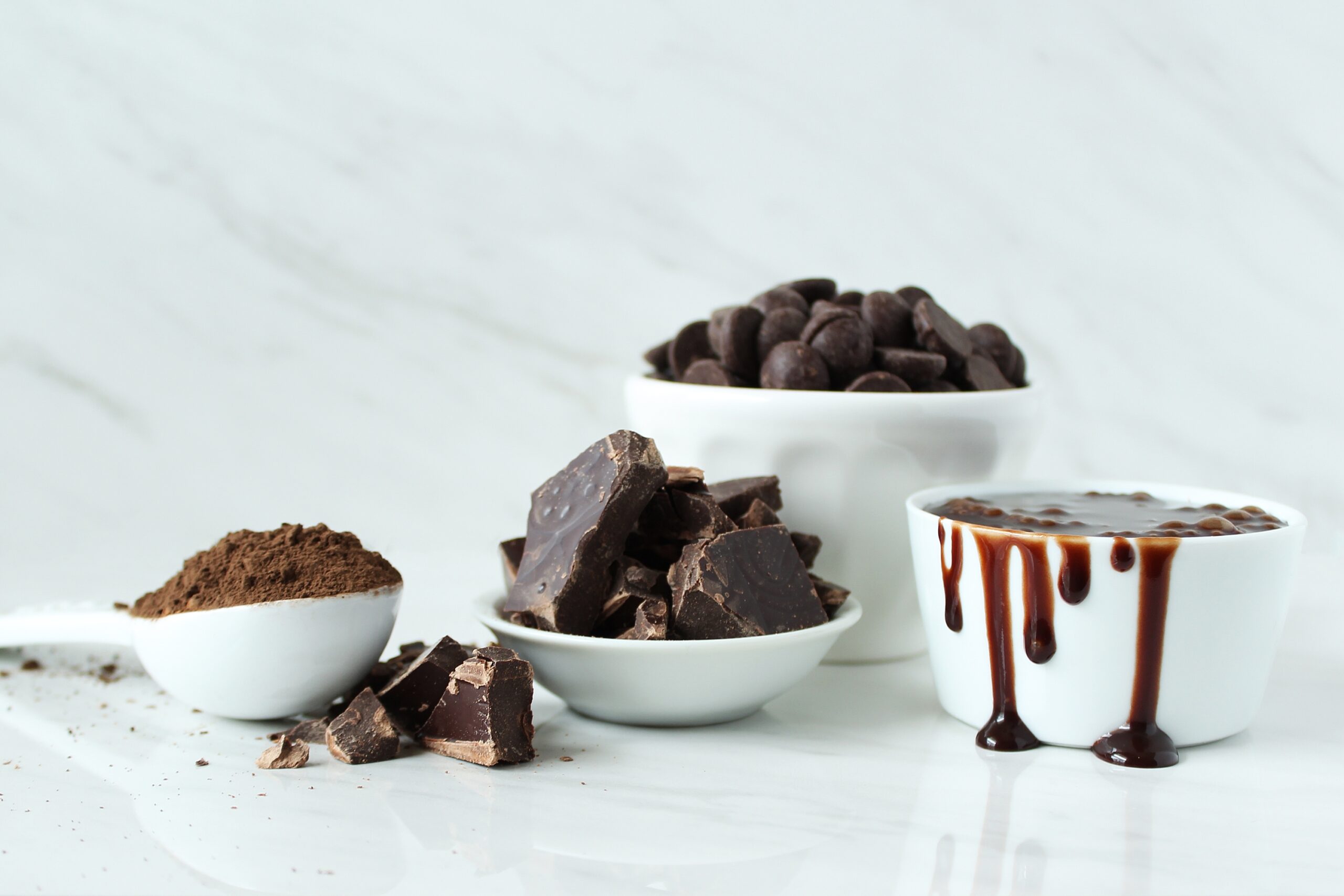
🧊 Blocks/Slabs
Description: Solidified cocoa mass molded into large blocks
Typical Size: 5kg, 10kg, 25kg blocks
Advantages:
- Easy storage and handling
- Long shelf life
- Minimal oxidation
- Cost-effective for large quantities
Best For: Industrial chocolate manufacturers, large-scale production
🍫 Chips/Kibbles
Description: Cocoa mass in small, uniform chip form
Typical Size: 5-15mm diameter pieces
Advantages:
- Quick melting
- Easy measurement
- Convenient for small batches
- Reduced handling time
Best For: Artisan chocolatiers, small-batch producers, bakeries
💧 Liquid/Molten
Description: Maintained in liquid state at controlled temperature
Temperature: Kept at 45-50°C
Advantages:
- Immediate use (no melting needed)
- Continuous production
- Direct pipeline transfer
- Reduced handling
Best For: Large industrial operations with continuous production
🥤 Paste/Drums
Description: Semi-solid paste in drums or pails
Typical Container: 20-200kg drums
Advantages:
- Easier scooping than blocks
- Moderate handling convenience
- Good for medium operations
- Resealable containers
Best For: Medium-scale producers, varied batch sizes
Classification by Bean Origin
| Origin Region | Common Varieties | Flavor Profile | Characteristics |
|---|---|---|---|
| West Africa (Ghana, Ivory Coast) | Forastero, Trinitario | Classic chocolate, robust, slightly acidic, less fruity | Consistent quality, high volume production, industry standard |
| Ecuador | Nacional (Arriba) | Floral, fruity, complex, jasmine notes | Fine flavor, premium grade, distinctive aroma |
| Venezuela | Criollo, Trinitario | Delicate, complex, nutty, low bitterness | Rare, expensive, highly prized |
| Peru | Criollo, Trinitario | Fruity, nutty, mild acidity, bright notes | Increasing quality reputation, organic production common |
| Madagascar | Trinitario | Bright citrus, berry notes, tangy, red fruit | Distinctive terroir, specialty market favorite |
| Indonesia | Forastero | Earthy, woody, smoky, less acidic | High volume, bulk production, cost-effective |
Applications & Uses of Cocoa Mass (Cocoa Liquor)
Cocoa mass is an incredibly versatile ingredient with applications spanning the chocolate industry, baking, confectionery, and beyond. Its role as the foundation of chocolate production cannot be overstated.
Primary Applications
Chocolate Manufacturing
The Core Application:
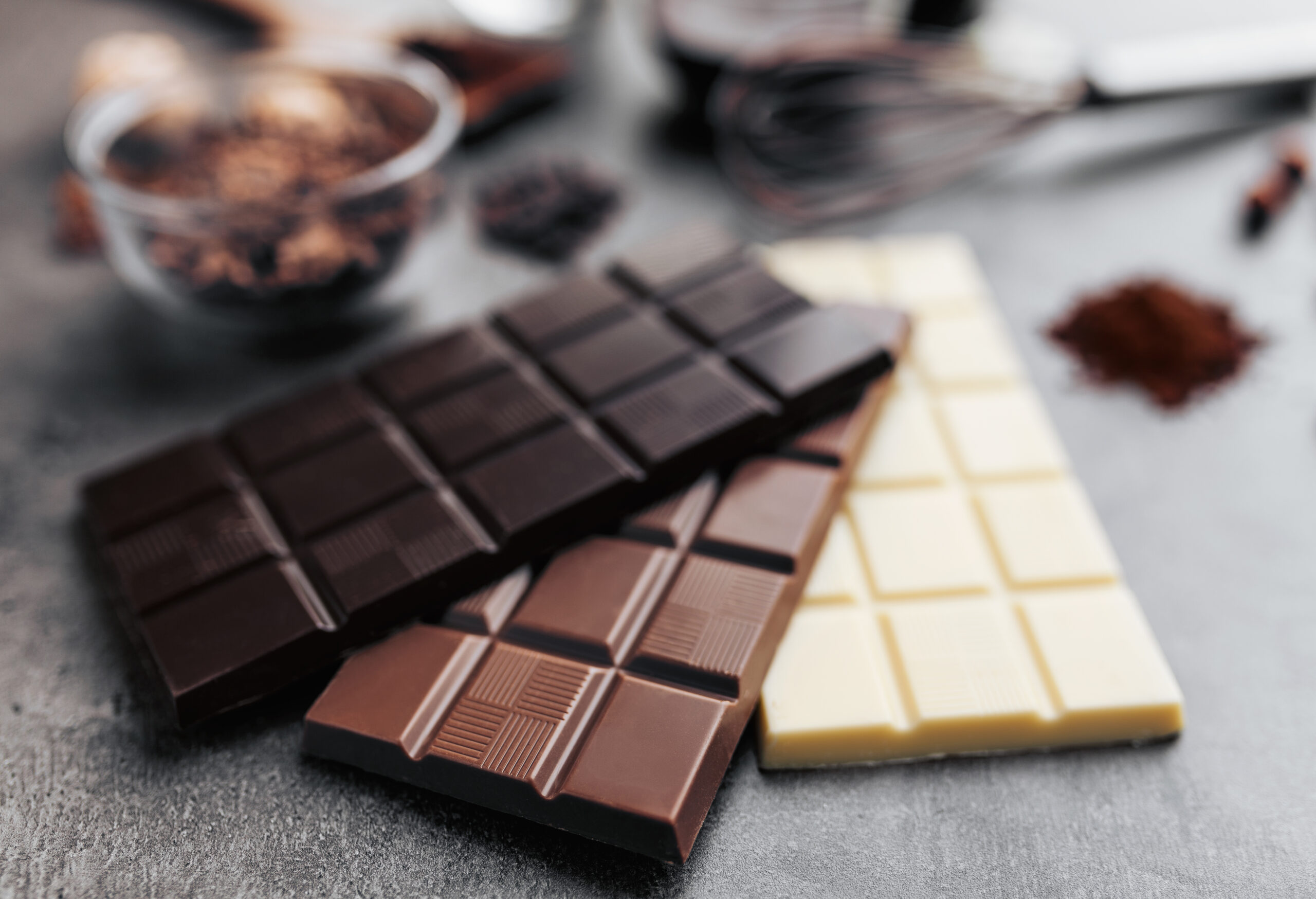
- Dark Chocolate: 50-90% cocoa mass + cocoa butter + sugar
- Milk Chocolate: 10-40% cocoa mass + milk powder + sugar + cocoa butter
- Chocolate Chips/Chunks: Formulated with cocoa mass for melting properties
- Couverture: High-quality coating chocolate with additional cocoa butter
Process: Cocoa mass is mixed with other ingredients, refined, conched, tempered, and molded
Cocoa Butter & Powder Production
Separation Process:
- Pressing: Cocoa mass is hydraulically pressed to separate fat from solids
- Cocoa Butter: The liquid fat extracted (55-58% of mass)
- Cocoa Cake: Solid press cake remaining (42-45%)
- Cocoa Powder: Press cake ground into powder
Fat Levels: Different pressing degrees create 10-12%, 20-22%, or higher fat cocoa powder
Baking & Confectionery
Direct Use in Products:
- Baking Chocolate: Unsweetened blocks for recipes
- Brownies & Cakes: Intense chocolate flavor
- Cookies: Rich chocolate taste without added cocoa powder
- Ganache: Combined with cream for fillings and frostings
- Truffles: Center filling base
Savory Applications
Culinary Uses:
- Mole Sauce: Traditional Mexican sauce with cocoa mass
- Chili: Adds depth and complexity
- Meat Marinades: Rich, earthy flavor enhancer
- Gourmet Sauces: Restaurant-quality depth
Flavor Contribution: Earthy, bitter notes that enhance savory dishes
Desserts & Ice Cream
Premium Applications:
- Ice Cream: Rich chocolate base
- Mousses: Intense chocolate flavor
- Puddings: Deep chocolate taste
- Chocolate Sauces: Glossy, flavorful toppings
Beverages
Drink Applications:
- Hot Chocolate: Premium drinking chocolate
- Chocolate Milk: Rich chocolate flavor base
- Protein Shakes: Natural chocolate flavoring
- Coffee Drinks: Mochas and chocolate-enhanced coffee
Industrial Applications
| Industry Sector | Specific Use | Function | Typical Form Used |
|---|---|---|---|
| Industrial Chocolate | Mass chocolate production, compound chocolate | Primary cocoa ingredient, flavor source | Liquid, blocks |
| Confectionery | Enrobing, centers, fillings | Chocolate coating, flavor provider | Liquid, chips |
| Bakery | Industrial baking, cake mixes | Flavor component, color | Chips, blocks |
| Dairy | Chocolate milk, ice cream, yogurt | Chocolate flavor base | Liquid, paste |
| Nutraceuticals | Energy bars, supplements | Flavor, antioxidants, binding | Chips, paste |
Quality Parameters & Standards
Quality control is paramount in cocoa mass production. Various parameters must be monitored to ensure the product meets food safety standards and delivers consistent performance in manufacturing.
Chemical Quality Parameters
| Parameter | Standard Range/Limit | Method | Significance |
|---|---|---|---|
| Fat Content (Cocoa Butter) | 50-58% | Soxhlet extraction, NMR | Determines fluidity, cost, chocolate properties; FDA regulated |
| Moisture Content | Max 3.0% | Karl Fischer, oven drying | Affects shelf life, microbial safety, processing behavior |
| Shell Content | Max 1.75% | Microscopic analysis, alkaloid testing | Quality indicator; higher levels = inferior quality, bitter taste |
| pH Value | 5.0-6.0 (natural); 6.5-8.5 (alkalized) | pH meter, 10% suspension | Flavor profile, color, processing behavior |
| Free Fatty Acids | Max 1.75% (as oleic acid) | Titration | Freshness indicator; high levels suggest rancidity or poor storage |
| Peroxide Value | Max 1.0 meq/kg | Titration method | Oxidative rancidity indicator |
| Ash Content | 2.5-4.5% | Incineration | Mineral content, quality verification |
Microbiological Standards
| Microorganism | Acceptable Limit | Critical Control |
|---|---|---|
| Total Plate Count | <5,000 CFU/g | General hygiene indicator |
| Coliforms | <10 CFU/g | Sanitation indicator |
| E. coli | Absent in 1g | Fecal contamination indicator |
| Salmonella | Absent in 25g | Critical pathogen |
| Molds & Yeasts | <50 CFU/g | Quality and shelf life indicator |
🏆 Radad International: Premium Cocoa Mass Supplier
At Radad International, we supply the highest quality cocoa mass to chocolate manufacturers, confectioners, and food producers throughout the UAE, GCC, and worldwide.
Storage & Handling Guidelines
Proper storage and handling of cocoa mass is crucial for maintaining quality, preventing contamination, and ensuring consistent performance in chocolate production.
| Parameter | Recommendation | Reason |
|---|---|---|
| Storage Temperature | 15-20°C (59-68°F) | Prevents fat bloom, maintains quality, prevents melting |
| Humidity | Below 50% RH | Prevents moisture absorption, mold growth |
| Shelf Life (Blocks) | 24 months | In optimal conditions, sealed packaging |
| Shelf Life (Liquid) | Use within shifts | Continuous agitation needed, quality degradation |
| Packaging | Airtight, food-grade materials | Prevents oxidation, odor absorption, contamination |
| Light Exposure | Store in dark conditions | Prevents oxidation and rancidity |
Frequently Asked Questions
No! Despite being called “cocoa liquor” or “chocolate liquor,” cocoa mass contains absolutely zero alcohol. The term “liquor” comes from the old-fashioned use of the word meaning “liquid” or “fluid,” referring to its molten state during processing. Cocoa mass is 100% pure ground cacao with no alcohol whatsoever.
Cocoa mass contains both cocoa butter (fat) and cocoa solids in their natural proportions (~50% each). Cocoa powder is made by pressing cocoa mass to remove most of the cocoa butter, then grinding the remaining cake into powder. Cocoa powder typically contains 10-24% fat, while cocoa mass contains 50-58% fat. Cocoa mass is used as a base for chocolate; cocoa powder is used for flavoring and baking.
Yes, cocoa mass can be eaten directly—it’s essentially 100% dark chocolate with no added sugar. However, it’s extremely bitter and intense due to the complete absence of sweeteners. Some health enthusiasts consume small amounts for maximum antioxidant benefits. It’s more commonly used as an ingredient in chocolate production or baking, where sugar and other ingredients balance the bitterness.
Cocoa butter is the pure fat extracted from cocoa mass. When cocoa mass is hydraulically pressed, it separates into cocoa butter (the liquid fat) and cocoa cake (the solid residue that becomes cocoa powder). Cocoa mass = cocoa butter + cocoa solids. Cocoa butter is pale yellow, has a mild chocolate aroma, and is used for making chocolate, cosmetics, and pharmaceuticals.
When properly stored in cool (15-20°C), dry conditions with low humidity, cocoa mass blocks have a shelf life of approximately 24 months from manufacture date. The high cocoa butter content provides natural preservation through antioxidants. However, improper storage (high temperatures, humidity, or exposure to air) can lead to rancidity, fat bloom, or quality degradation. Always store in airtight packaging away from strong odors.
Yes! Pure cocoa mass is 100% vegan (made only from cacao beans—a plant source) and naturally gluten-free. However, always verify with suppliers as cross-contamination can occur in facilities that also process dairy or gluten-containing products. When used in chocolate products, additional ingredients may include dairy (milk chocolate) or gluten (certain additives), but the cocoa mass itself is inherently vegan and gluten-free.
Premium cocoa mass is distinguished by several factors:
- Bean Origin: Single-origin or fine flavor beans (Criollo, Trinitario) vs. bulk Forastero
- Processing: Careful fermentation, roasting, and grinding vs. mass production
- Particle Size: Finer grinding (20-25 microns) for smoother texture
- Purity: Lower shell content, controlled processing conditions
- Flavor: More complex flavor profiles, minimal defects
Premium grades are essential for high-end chocolate production where flavor quality is paramount.
No, pure cocoa mass does not require tempering in the same way finished chocolate does. Tempering is necessary when cocoa butter is present in high enough concentrations relative to other ingredients (like in finished chocolate) to create the stable crystal structure that gives chocolate its snap and gloss. Cocoa mass is typically melted and used as an ingredient in chocolate production, where the final chocolate mixture is then tempered. However, if molding pure cocoa mass for storage, basic cooling is sufficient.
Absolutely! Cocoa mass and unsweetened baking chocolate are essentially the same thing—100% pure cacao with no added sugar. You can substitute them 1:1 in recipes. Both provide intense chocolate flavor and contain roughly equal amounts of cocoa butter and cocoa solids. The advantage of using cocoa mass is that you’re getting a pure, minimally processed product. Remember that since it’s unsweetened, you’ll need to add sugar to your recipe according to taste preferences.
Alkalized cocoa mass has been treated with an alkaline solution (typically potassium carbonate) which:
- Raises pH from ~5.5 to 6.5-8.5
- Darkens the color significantly (dark brown to reddish)
- Reduces acidity and bitterness
- Creates milder, mellower flavor
- Improves dispersion in liquids
This process is more common for cocoa powder production but can be applied to cocoa mass. Natural (non-alkalized) cocoa mass is preferred for premium chocolate as it retains more complex flavors and higher antioxidant levels.
Cocoa mass contains approximately 230mg of theobromine and 20-30mg of caffeine per ounce (28g). This is significantly less caffeine than coffee (80-100mg per cup) but more than milk chocolate. The theobromine provides a mild, long-lasting stimulant effect that’s gentler than caffeine’s quick jolt. For comparison, a 100g bar of 70% dark chocolate (which is about 70% cocoa mass) contains roughly 70-80mg of caffeine—about the same as a cup of decaf coffee.
Radad International is a leading supplier of premium cocoa mass in the UAE, serving chocolate manufacturers, confectioners, bakeries, and food producers across Dubai, Abu Dhabi, Sharjah, and the entire GCC region. We offer:
- Multiple forms: blocks, chips, liquid cocoa mass
- Various origins: African, South American, single-origin options
- Certifications: organic, fair trade, halal, kosher available
- Flexible quantities: from small batch to industrial scale
- Technical support and quality documentation
Contact Radad International directly for product specifications, pricing, and delivery options tailored to your production needs.
Conclusion
Cocoa mass stands as the indispensable foundation of the global chocolate industry. From the humblest chocolate chip to the most luxurious artisan bar, every chocolate product owes its existence to this remarkable ingredient. Understanding cocoa mass—its production, properties, applications, and quality parameters—is essential for anyone involved in chocolate manufacturing, confectionery production, or food science.
As the chocolate industry continues to evolve toward premium, single-origin, and ethically sourced products, the role of high-quality cocoa mass becomes even more critical. Discerning manufacturers recognize that exceptional chocolate begins with exceptional cocoa mass, sourced from the finest origins and processed with meticulous care.
🎯 Key Takeaways
- Cocoa mass is 100% pure ground cacao with both cocoa butter and cocoa solids
- Contains NO alcohol despite “liquor” terminology
- Forms the base for all chocolate products and can be separated into cocoa butter and powder
- Quality depends on bean origin, processing methods, and handling
- Available in multiple forms: blocks, chips, liquid, paste
- Critical quality parameters include fat content, moisture, particle size, and purity
- Proper storage (cool, dry, airtight) maintains quality for up to 24 months
- Applications span chocolate, confectionery, baking, beverages, and savory cuisine
🌟 Partner with Radad International for Premium Cocoa Mass
Whether you’re an artisan chocolatier crafting small-batch creations or an industrial manufacturer producing at scale, Radad International delivers the quality, consistency, and reliability you need.
Our Commitment: Sourcing the world’s finest cocoa, maintaining rigorous quality standards, and supporting your success with expert knowledge and dependable service.
Request a Quote Today