
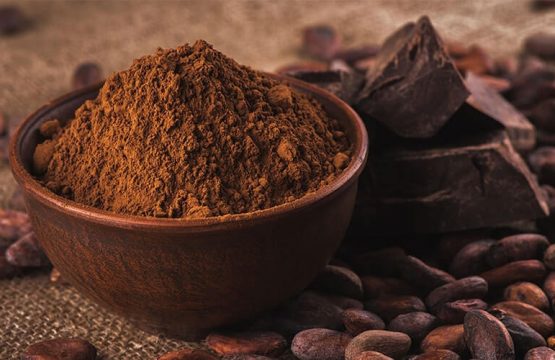
Alkalized Cocoa Powder:
Dutch-Process vs Natural
Everything you need to know about alkalized (Dutch-process) cocoa powder — the science, the processing, the differences, and why it matters for your products.
What Is Alkalized Cocoa Powder?
Alkalized cocoa powder (also called Dutch-process cocoa) is cocoa powder that has been treated with an alkalizing agent, typically potassium carbonate to neutralize its natural acidity. This process raises the pH from around 5.3 (acidic) to 6.8–8.1 (neutral to slightly alkaline), resulting in a darker color, milder flavor, and smoother taste. It’s the preferred choice for baking when you don’t want acidic reactions, and it’s widely used in beverages, ice cream, and premium chocolate products.
What’s Inside This Guide
- What Is Alkalized Cocoa Powder?
- The Dutch Process: How Alkalization Works
- pH Levels: Understanding Acidity vs Alkalinity
- Dutch-Process vs Natural Cocoa: Complete Comparison
- When to Use Alkalized Cocoa Powder
- Benefits of Alkalized Cocoa
- Buying Guide: What to Look For
- How To Source Premium Alkalized Cocoa Powder
What Is Alkalized Cocoa Powder?
If you’ve ever compared two cocoa powders side by side and noticed one is significantly darker, smoother, and less sharp-tasting than the other, you’ve encountered the difference between alkalized and natural cocoa powder. This isn’t just a marketing distinction, it’s a fundamental difference in chemistry, processing, and culinary behavior.
Alkalized cocoa powder, more commonly known as Dutch-process cocoa, has been treated with an alkalizing agent (usually potassium carbonate, though sodium carbonate or sodium hydroxide may also be used) to neutralize cocoa’s natural acidity. The process was invented in 1828 by Dutch chemist Coenraad Johannes van Houten, and it revolutionized how cocoa could be used in food production.
Here’s what happens during alkalization: cocoa mass or cocoa nibs are washed with an alkaline solution, which raises the pH level from its natural acidic state (around pH 5.2–5.8) to a neutral or slightly alkaline range (pH 6.8–8.1, depending on the degree of alkalization). This chemical transformation has several immediate effects:
- Color deepens: The cocoa turns from a reddish-brown to a much darker, almost black-brown shade
- Flavor mellows: The sharp, astringent, fruity notes of natural cocoa are softened into a smoother, more “chocolatey” taste
- Solubility improves: Alkalized cocoa disperses more easily in liquids, making it ideal for hot chocolate, beverages, and coatings
- Bitterness reduces: While some bitterness remains (cocoa is naturally bitter), the harsh acidic edge is gone
Today, alkalized cocoa powder is the standard in commercial chocolate manufacturing, premium baking, and beverage applications. When you drink commercial hot chocolate, eat dark cookies like Oreos, or use high-end baking cocoa, there’s a very good chance you’re using alkalized cocoa.
📌 Key Terms to Know
- Alkalized cocoa powder = Dutch-process cocoa = Dutched cocoa (all the same thing)
- Natural cocoa powder = Untreated, acidic cocoa with no alkalization
- pH scale: 0–6.9 = acidic | 7 = neutral | 7.1–14 = alkaline
- Potassium carbonate (K₂CO₃): The most common alkalizing agent used in the Dutch process
The Dutch Process: How Alkalization Works
Understanding the Dutch process helps you appreciate why alkalized cocoa behaves so differently from natural cocoa. It’s not just a “rinse”, it’s a carefully controlled chemical treatment that permanently alters the structure and properties of cocoa.
Step-by-Step: How Cocoa Gets Alkalized
Start with Cocoa Nibs or Mass
The process begins with either roasted cocoa nibs (crushed cocoa beans with shells removed) or cocoa mass (pure cocoa ground into a liquid paste). Both work, but most commercial alkalization happens at the nib or mass stage.
Alkaline Solution Wash
The cocoa is washed with a solution containing an alkalizing agent, most commonly potassium carbonate (K₂CO₃), though sodium carbonate (Na₂CO₃) or sodium hydroxide (NaOH) are also used. The concentration and duration determine the final pH level and color.
Chemical Reaction Occurs
The alkaline solution neutralizes the organic acids naturally present in cocoa (mainly acetic acid, lactic acid, and citric acid formed during fermentation). This raises the pH and triggers chemical changes in cocoa’s polyphenols and flavonoids, darkening the color.
Drying & Pressing
After treatment, the cocoa is dried. It may then be pressed to remove cocoa butter (producing cocoa cake), or ground directly into powder. The alkalized cocoa retains its new pH level permanently—it won’t revert back to acidic.
Final Grinding to Powder
The treated cocoa cake is milled into fine powder. The result: smooth, dark, mellow alkalized cocoa powder ready for use in premium chocolate products, baked goods, and beverages.
🧪 The Chemistry Behind the Color Change
When cocoa is alkalized, its flavonoid compounds (particularly anthocyanins) undergo a chemical reaction that shifts their color from reddish-brown to dark brown or black. This is the same chemical principle behind why baking soda turns blueberries greenish in muffins, alkalinity changes anthocyanin pigments. The degree of darkening depends on the pH level achieved: light alkalization (pH 6.8–7.2) produces medium-brown cocoa, while heavy alkalization (pH 7.5–8.1) creates nearly black cocoa powder.
pH Levels: Understanding Acidity vs Alkalinity
The pH scale is the key to understanding why alkalized and natural cocoa behave so differently in recipes. pH measures how acidic or alkaline a substance is on a scale from 0 (most acidic) to 14 (most alkaline), with 7 being neutral.
Cocoa’s pH level affects everything: how it tastes, how it interacts with leavening agents in baking, how it dissolves in liquids, and even how it looks. Here’s the complete breakdown:
pH Levels: Natural vs Alkalized Cocoa Powder
pH 0 pH 7 pH 14 ← ACIDIC NEUTRAL ALKALINE → Natural 5.2-5.8 Alkalized 6.8-8.1 pH scale showing the range of natural cocoa (acidic) vs alkalized cocoa (neutral to alkaline)| Cocoa Type | pH Range | Classification | Taste Profile | Baking Chemistry |
|---|---|---|---|---|
| Natural Cocoa | 5.2 – 5.8 | Acidic | Sharp, fruity, bright, tangy | Reacts with baking soda (needs acid) |
| Lightly Alkalized | 6.8 – 7.2 | Neutral | Balanced, mild chocolate | Works with baking powder |
| Medium Alkalized | 7.3 – 7.8 | Slightly Alkaline | Smooth, mellow, rich | Best with baking powder or neutral recipes |
| Heavily Alkalized (Black Cocoa) | 7.9 – 8.1 | Alkaline | Very mild, almost no bitterness, Oreo-like | No acid reaction; purely for color & flavor |
Natural vs Alkalized Cocoa Powder: Taste Test Comparison
|
Characteristic
|
Natural Cocoa
|
Alkalized Cocoa
|
|
Bitterness
|
High (85/100)
|
Moderate (60/100)
|
|
Acidity
|
High (80/100)
|
Low (30/100)
|
|
Chocolate Intensity
|
Very High (90/100)
|
High (85/100)
|
|
Smoothness
|
Moderate (60/100)
|
Very High (90/100)
|
|
Solubility in Liquids
|
Moderate (50/100)
|
Excellent (95/100)
|
⚠️ Why pH Matters in Baking
This isn’t just chemistry trivia. pH directly affects how your baked goods rise and taste:
- Natural cocoa + baking soda = Perfect reaction (acid + base = CO₂ bubbles = rise)
- Alkalized cocoa + baking soda = Poor rise (no acid to react with base)
- Alkalized cocoa + baking powder = Works well (baking powder contains its own acid)
Using the wrong type can result in dense, flat baked goods or an unpleasant soapy aftertaste from unreacted baking soda.
Dutch-Process vs Natural Cocoa: Complete Comparison
Here’s everything you need to know about how alkalized (Dutch-process) and natural cocoa differ, from appearance to flavor to baking performance.
Alkalized
(Dutch-Process)
Treated with alkalizing agent
Darker, smoother, and more soluble. The pH has been neutralized, creating a mellow chocolate flavor without sharp acidity. This is the premium choice for beverages, frostings, and European-style baking.
- pH: 6.8–8.1 (neutral to alkaline)
- Color: Dark brown to nearly black
- Flavor: Smooth, mellow, rich
- Solubility: Excellent (mixes easily)
- Best leavening: Baking powder
- Uses: Hot chocolate, cookies, cakes, ice cream
Natural
Cocoa Powder
Untreated, acidic cocoa
Lighter in color with a sharp, fruity, complex flavor profile. The natural acidity makes it essential when baking soda is your leavening agent, as the acid-base reaction creates the rise you need.
- pH: 5.2–5.8 (acidic)
- Color: Light to medium reddish-brown
- Flavor: Bright, fruity, sharp, tangy
- Solubility: Lower (can be clumpy)
- Best leavening: Baking soda (needs acid)
- Uses: American-style cakes, brownies, fudge
Visual & Taste Comparison
See and taste the difference side by side
Alkalized Cocoa
Natural Cocoa
| Characteristic | Alkalized (Dutch-Process) | Natural Cocoa |
|---|---|---|
| pH Level | 6.8–8.1 (neutral to alkaline) | 5.2–5.8 (acidic) |
| Color | Dark brown to black | Light to medium reddish-brown |
| Flavor | Smooth, mellow, mild chocolate | Bright, sharp, fruity, complex |
| Bitterness | Low to moderate | Moderate to high |
| Solubility in Liquid | Excellent (disperses easily) | Lower (can be clumpy) |
| Best Leavening Agent | Baking powder (or none) | Baking soda (needs acidity) |
| Antioxidant Content | Lower (reduced during alkalization) | Higher (flavonoids preserved) |
| Price | Typically higher (extra processing) | Typically lower (simpler production) |
| Primary Uses | Hot chocolate, cookies, ice cream, frostings, European baking | American cakes, brownies, recipes with baking soda |
| Invented | 1828 (Netherlands, Coenraad van Houten) | Original form of cocoa powder (no treatment) |
When to Use Alkalized Cocoa Powder
Knowing when to use alkalized cocoa powder versus natural cocoa is the difference between perfect results and disappointing ones. Here’s your complete guide to applications where alkalized cocoa excels.
Best Uses for Alkalized Cocoa Powder
🍫 Premium Beverage Applications
- Hot chocolate & drinking chocolate: Alkalized cocoa disperses smoothly in milk or water without clumping. Its mellow flavor and darker color create a luxurious, café-quality drink.
- Chocolate milk: Commercial chocolate milk almost always uses alkalized cocoa because it stays suspended longer and doesn’t separate.
- Coffee drinks: Mochas, café mochas, and chocolate lattes benefit from the smooth integration of alkalized cocoa.
- Protein shakes & smoothies: Blends easily without grittiness; neutral pH doesn’t clash with other ingredients.
🍪 Baking & Confectionery
- Chocolate cookies (Oreos, chocolate sandwich cookies): The dark color and mild flavor are essential for that signature Oreo-black appearance and smooth taste.
- Red velvet cake: Uses alkalized cocoa to avoid interfering with the red color (natural cocoa would turn it brown).
- Chocolate cakes with baking powder: When your recipe uses baking powder as the leavening agent, alkalized cocoa is the right choice.
- Chocolate buttercream & frostings: Smooth flavor without acidic bite; blends beautifully with butter and sugar.
- Chocolate ganache: Creates silky-smooth ganache with deeper color.
🍦 Ice Cream & Frozen Desserts
- Chocolate ice cream: Industrial and premium ice cream makers use alkalized cocoa for smoother texture and darker appearance.
- Chocolate sorbet: Disperses evenly in water-based frozen desserts.
- Frozen yogurt: Neutral pH works well with yogurt’s acidity.
🏭 Industrial & Commercial Food Production
- Chocolate coatings & compound chocolate: Stable pH, consistent color.
- Chocolate breakfast cereals: Doesn’t react with other ingredients during processing.
- Biscuits and wafer fillings: Smooth, mellow flavor complements sweet fillings.
- Chocolate syrups & sauces: Superior solubility means no settling or separation.
⚠️ When NOT to Use Alkalized Cocoa
Avoid alkalized cocoa when:
- Your recipe specifically calls for baking soda as the only leavening agent (the lack of acidity will prevent proper rise)
- You want a bright, fruity, complex chocolate flavor (natural cocoa delivers this better)
- You’re making traditional American brownies (most classic brownie recipes use natural cocoa + baking soda)
- You need maximum antioxidant content for health products (natural cocoa retains more flavonoids)
Benefits of Alkalized Cocoa
Why do food manufacturers, professional bakers, and premium chocolate companies overwhelmingly prefer alkalized cocoa? Here are the concrete benefits that make it worth the extra processing cost:
🎨 Superior Appearance
The darker color creates visual appeal in finished products. Chocolate cookies look richer, hot chocolate appears more premium, and ice cream has that deep, luxurious brown that consumers associate with high-quality chocolate.
👅 Smoother Flavor
The mellowed flavor profile is easier to work with in complex recipes. It doesn’t overpower other flavors, and it lacks the sharp acidic bite that some consumers find off-putting in natural cocoa.
💧 Better Solubility
Alkalized cocoa disperses effortlessly in liquids—hot or cold. This is critical for beverages, sauces, and coatings where smooth texture is non-negotiable.
⚗️ pH Stability
The neutral pH means alkalized cocoa won’t interfere with other ingredients’ chemistry. It’s predictable, stable, and works in recipes where natural cocoa’s acidity would cause problems (like red velvet cake).
📦 Longer Shelf Life
The alkalization process slightly reduces moisture sensitivity, making alkalized cocoa more stable in storage and less prone to clumping over time.
🌍 Global Preference
European, Middle Eastern, and Asian markets strongly prefer alkalized cocoa. If you’re producing for international markets, alkalized cocoa is often the standard expectation.
📊 Market Reality: Alkalized Cocoa Dominates Premium Segments
In the global cocoa powder market, alkalized cocoa represents approximately 65–70% of commercial cocoa powder sales, with particularly strong dominance in:
- Premium hot chocolate & beverage mixes: 85%+ market share
- Industrial ice cream production: 80%+ market share
- Chocolate coating & compound chocolate: 75%+ market share
- European baking & confectionery: 90%+ market share
Source: Industry estimates from cocoa powder market analysis reports, 2024–2025
Buying Guide: What to Look For
Not all alkalized cocoa powder is created equal. Whether you’re sourcing for a bakery, a beverage brand, or industrial production, here’s what you need to know to make the right choice.
Key Quality Indicators
| Quality Factor | What to Look For | Why It Matters |
|---|---|---|
| pH Level | Specified and consistent (e.g., pH 7.0–7.5) | Determines color, flavor, and baking behavior. Inconsistent pH = inconsistent results. |
| Fat Content | 10–12% (standard) 20–24% (high-fat premium) |
Higher fat = richer flavor, smoother texture. Choose based on your application. |
| Color Grade | Light, Medium, Dark, or Black | Must match your product requirements. Oreo-style cookies need black; cakes may need medium. |
| Particle Size | 75–200 microns (fine grinding) | Finer particles = better dispersion and smoother mouthfeel. Critical for beverages. |
| Moisture Content | Max 5% (ideally 3–4%) | Lower moisture = longer shelf life, less clumping, better flow properties. |
| Microbiological Safety | Low total plate count, Salmonella negative | Non-negotiable for food safety. Ask for test certificates. |
| Origin | West Africa (Ghana, Côte d’Ivoire) or Ecuador | Origin affects base flavor profile. West African cocoa is consistent and mellow; Ecuadorian can be more floral. |
| Certifications | Kosher, Halal, Organic, Fair Trade (if needed) | Required for specific markets or customer demands. Get documentation upfront. |
Questions to Ask Your Supplier
- What is the exact pH level of this cocoa powder? (Don’t accept vague answers like “alkalized”—you need a number.)
- What alkalizing agent was used? (Potassium carbonate is standard; sodium hydroxide may affect flavor.)
- What is the fat content? (10–12% is standard; premium applications may need 20–24%.)
- Can you provide a Certificate of Analysis (CoA)? (This should show pH, fat, moisture, ash, and microbiology test results.)
- What is the country of origin of the cocoa beans? (Traceability matters for quality and ethical sourcing.)
- What is the minimum order quantity (MOQ)? (Bulk pricing often starts at 100kg+, but you need to know upfront.)
- How is the cocoa packaged? (25kg bags are standard; ensure moisture-resistant packaging.)
- What is the shelf life under proper storage? (Typically 18–24 months in cool, dry conditions.)
✅ Pro Tip: Request Samples Before Bulk Orders
Always test the cocoa powder in your actual application before committing to large quantities. What works for hot chocolate may not work for baking, and vice versa. A reputable supplier will provide samples for evaluation—if they won’t, that’s a red flag.
Frequently Asked Questions (FAQ)
Q: What is alkalized cocoa powder exactly?
Q: Is alkalized cocoa powder healthy?
Q: Can I substitute alkalized cocoa for natural cocoa?
Q: Why is alkalized cocoa darker in color?
Q: What does “Dutch-processed” mean?
Q: Which cocoa powder is best for baking?
Q: Does alkalized cocoa taste different?
Q: Is Hershey’s cocoa alkalized?
Q: Can I use alkalized cocoa in red velvet cake?
Q: Where can I buy high-quality alkalized cocoa powder?
Source Premium Alkalized Cocoa Powder
from Radad International
Whether you need standard alkalized cocoa for beverages, high-fat premium grade for luxury chocolates, or black cocoa for specialty baking, Radad International supplies verified, quality-tested alkalized cocoa powder from trusted origins across West Africa and South America.
Your trusted partner in premium cocoa products, sourced with expertise, supplied with care.
© 2026 Radad International · All rights reserved



One Response
Keep on working, great job!