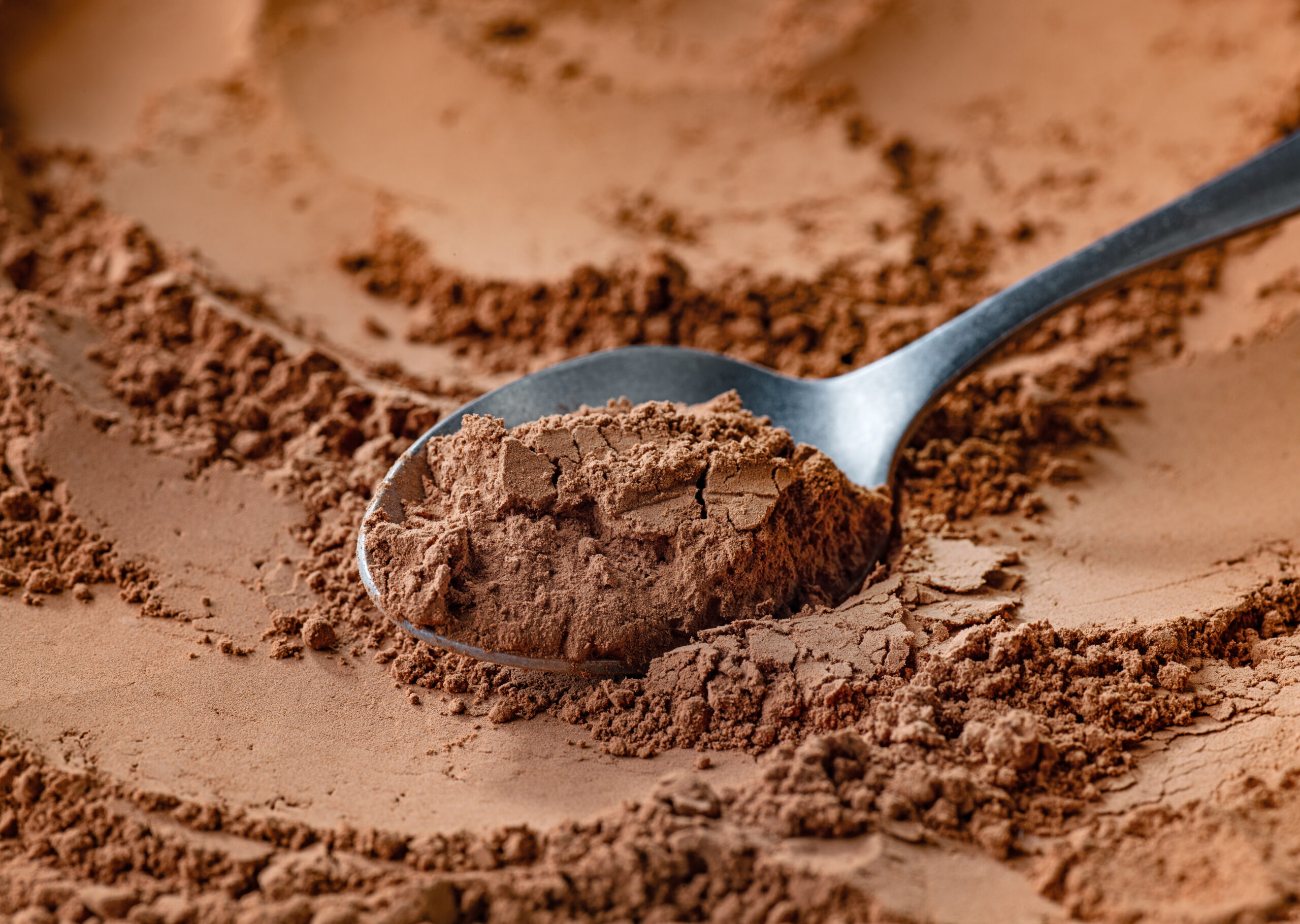
Natural Cocoa Powder (Non-Alkalized): Benefits, Uses & Baking Chemistry
Everything you need to know about natural (non-alkalized) cocoa powder: health benefits with 3x more antioxidants, acidity and pH levels, baking chemistry that works perfectly with baking soda, comparison with Dutch-process cocoa, and delicious recipe applications.
Quick Summary
Natural cocoa powder (also called non-alkalized cocoa powder or raw cocoa powder) is cocoa powder that has not been treated with alkalizing agents. It retains cocoa’s natural acidity (pH 5.2-5.8), resulting in a light brown color, bright fruity chocolate flavor, and significantly higher levels of antioxidants compared to Dutch-processed cocoa, up to 3 times more flavonoids.
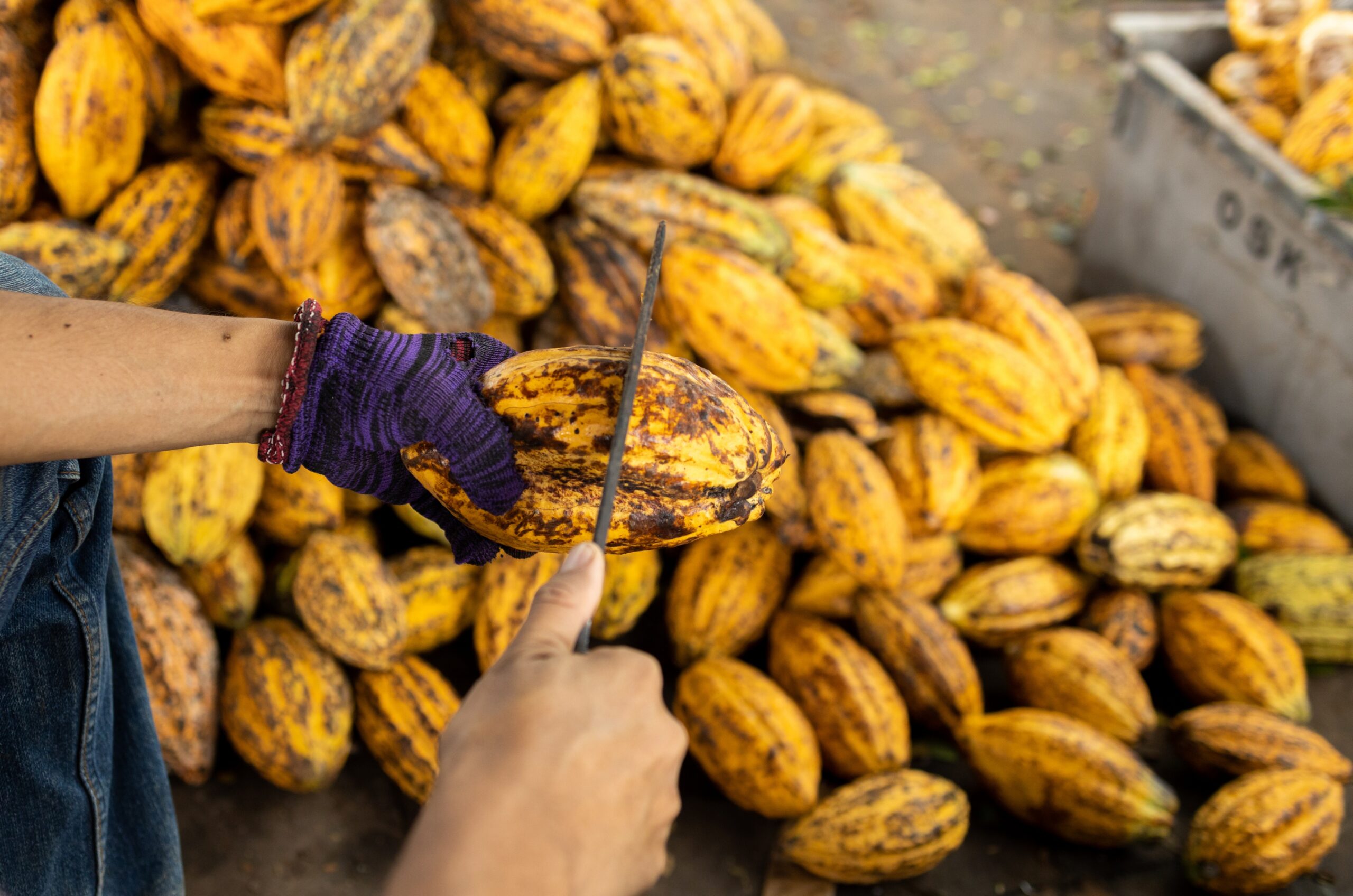
Natural cocoa powder is made by simply grinding roasted cocoa beans into cocoa mass, pressing out most of the cocoa butter, and grinding the remaining cocoa solids into fine powder, with no chemical processing. This makes it the purest, least processed form of cocoa powder available and the preferred choice for health-conscious consumers and bakers who need acidic cocoa to react with baking soda in classic American recipes.
What Is Natural Cocoa Powder?
Natural cocoa powder is exactly what it sounds like: cocoa powder in its most natural, unprocessed state. Unlike Dutch-process cocoa (which is treated with alkalizing agents to neutralize acidity), natural cocoa powder is made through a straightforward mechanical process with zero chemical additives.
How Natural Cocoa Powder Is Made
The production process is simple and pure:
- Bean Selection: High-quality cocoa beans are sourced (typically from West Africa, South America, or Southeast Asia)
- Roasting: Beans are roasted at 120-140°C to develop chocolate flavor
- Winnowing: Roasted beans are cracked and shells are removed, leaving cocoa nibs
- Grinding: Nibs are ground into cocoa mass (liquid chocolate)
- Pressing: Cocoa mass is hydraulically pressed to extract cocoa butter, leaving a solid “cake”
- Grinding to Powder: The cocoa cake is ground into fine powder
That’s it. No alkalization, no chemical treatment, no additives. Pure cocoa powder in its most natural form.
Key Characteristics
| Property | Natural Cocoa Powder | Why It Matters |
|---|---|---|
| pH Level | 5.2-5.8 (acidic) | Reacts with baking soda for perfect leavening in baked goods |
| Color | Light to medium brown | Natural, unaltered cocoa color |
| Flavor | Bright, fruity, complex chocolate | Full spectrum of natural cocoa flavors preserved |
| Antioxidants | Very high (up to 3x Dutch-process) | Maximum health benefits from flavonoid compounds |
| Processing | Mechanical only, no chemicals | Pure, unaltered cocoa |
| Solubility | Lower than Dutch-process | May need more mixing in beverages |
| Best Leavening | Baking soda (requires acid) | Natural acidity provides perfect reaction |
| Fat Content | 10-24% (typically 10-12%) | Standard cocoa powder fat level |
| Price | Lower to moderate | Less processing = lower cost (usually) |
🌱 Why “Natural” Doesn’t Mean “Raw”
Some confusion exists around the terms “natural cocoa powder” and “raw cocoa powder.” While related, they’re not identical:
- Natural cocoa powder: Cocoa beans are roasted (typically 120-140°C), then processed mechanically without alkalizing agents
- Raw cocoa powder: Cocoa beans are minimally processed at temperatures below 48°C to preserve maximum enzymes and nutrients
Most “natural” cocoa powder is roasted (not raw), which develops chocolate flavor. True raw cocoa powder is a specialty product with a different flavor profile and even higher nutrient content.
Health Benefits of Natural Cocoa Powder
This is where natural cocoa powder truly shines. Because it’s unprocessed and retains its natural acidity, it preserves significantly more of cocoa’s beneficial compounds than alkalized (Dutch-process) cocoa. Here’s what the science shows:
Heart Health
Natural cocoa is rich in flavonoids — powerful antioxidants that support cardiovascular health.
- Improves blood flow and circulation
- Helps lower blood pressure
- Reduces LDL (“bad”) cholesterol oxidation
- Supports healthy blood vessel function
- May reduce heart disease risk
Brain Function
Cocoa flavonoids cross the blood-brain barrier and may enhance cognitive function.
- Improves blood flow to the brain
- May enhance memory and learning
- Supports neuron growth and survival
- Contains theobromine (mild stimulant)
- May protect against cognitive decline
Anti-Inflammatory
High antioxidant content helps combat inflammation throughout the body.
- Reduces inflammatory markers
- Supports immune system function
- May help with exercise recovery
- Protects cells from oxidative stress
- Anti-aging properties
Mood Enhancement
Natural compounds in cocoa can positively affect mood and well-being.
- Contains phenylethylamine (PEA) – “love chemical”
- Triggers endorphin release
- Mild caffeine content provides energy
- Theobromine elevates mood
- May reduce stress and anxiety
Antioxidant Powerhouse
Natural cocoa has one of the highest ORAC (antioxidant capacity) scores of any food.
- 3X more flavonoids than Dutch cocoa
- Higher than blueberries per gram
- Protects against free radical damage
- Supports healthy aging
- May reduce cancer risk
Exercise Performance
Emerging research suggests cocoa flavanols may enhance athletic performance.
- Improves oxygen delivery to muscles
- May increase endurance
- Supports post-workout recovery
- Natural energy from theobromine
- Reduces exercise-induced inflammation
📊 The Antioxidant Advantage: Natural vs Dutch-Process
Research published in the Journal of Agricultural and Food Chemistry found that alkalization (Dutch processing) destroys up to 60-90% of cocoa’s flavanol antioxidants. Here’s the comparison:
- Natural cocoa powder: 34.6 mg of flavanols per gram
- Lightly alkalized (pH 6.8-7.2): 13.8 mg per gram (60% loss)
- Heavily alkalized (pH 7.8+): 3.9 mg per gram (89% loss)
For maximum health benefits, natural cocoa is the clear winner.
Who Should Use Natural Cocoa Powder for Health?
Natural cocoa powder is ideal for:
- Health-conscious consumers seeking maximum antioxidant benefits
- Smoothie and superfood enthusiasts adding cocoa for nutrition
- People managing heart health (consult your doctor first)
- Athletes looking for natural performance enhancers
- Anyone reducing processed foods in their diet
💡 How Much Natural Cocoa for Health Benefits?
Studies showing cardiovascular benefits typically use 2-4 tablespoons (10-20g) of natural cocoa powder per day. This can be consumed in:
- Morning smoothies (2 tbsp)
- Oatmeal or yogurt (1-2 tbsp)
- Homemade energy balls (1 tbsp per serving)
- Hot cocoa made with natural cocoa (2 tbsp)
Important: Choose unsweetened natural cocoa powder and add your own sweetener to control sugar intake. The health benefits come from cocoa, not sugar.
Acidity & pH Levels of Natural Cocoa Powder
Understanding the acidity of natural cocoa powder is crucial for both baking success and appreciating its unique characteristics. This is where natural cocoa fundamentally differs from Dutch-process cocoa.
Natural Cocoa’s pH: 5.2-5.8
Natural cocoa powder is acidic, with a pH typically ranging from 5.2 to 5.8. For context:
Why Natural Cocoa Is Acidic
Cocoa beans naturally contain organic acids — primarily acetic acid, lactic acid, and citric acid — that develop during fermentation (the first step after harvest). These acids contribute to cocoa’s complex flavor profile and are preserved in natural cocoa powder because there’s no alkalizing treatment to neutralize them.
How Acidity Affects Taste
The natural acidity of cocoa powder creates a distinctive flavor profile:
- Bright, fruity notes: The acidity brings forward fruit-forward flavors — think berry, cherry, or citrus undertones
- Sharp, tangy finish: More “bite” than Dutch-process cocoa
- Complex chocolate flavor: Multiple flavor layers that evolve on the palate
- Slight bitterness: Natural cocoa has more perceived bitterness than alkalized versions
🧪 The Red Velvet Connection
Ever wonder why traditional red velvet cake uses natural cocoa powder specifically? The acidity is essential:
- Natural cocoa’s acidity reacts with buttermilk or vinegar in the recipe
- This acid-acid combination enhances the red color from food coloring (or natural anthocyanins in older recipes)
- Dutch-process cocoa, being neutral, doesn’t create the same vibrant red color
- The chemical reaction also affects texture, creating red velvet’s signature tender crumb
This is a perfect example of why acidity matters in baking!
Health Implications of Acidity
Some people wonder if natural cocoa’s acidity is a concern for health:
Is Natural Cocoa Too Acidic?
For most people, no. While cocoa powder is acidic in isolation (pH 5.2-5.8), the amounts used in recipes or beverages are small enough that they won’t significantly impact the body’s pH balance. Your body tightly regulates blood pH (7.35-7.45) regardless of what you eat. However, people with acid reflux or GERD may find natural cocoa irritating and might prefer Dutch-process cocoa, which is pH-neutral. Always consult your healthcare provider if you have specific health concerns.
Baking Chemistry: Why It Matters
This is where natural cocoa powder becomes absolutely essential in the kitchen. Understanding how natural cocoa’s acidity interacts with leavening agents is the key to perfect baked goods.
The Critical Rule: Natural Cocoa + Baking Soda
✅ WORKS PERFECTLY
Natural cocoa powder + baking soda = Perfect chemical reaction
Baking soda (sodium bicarbonate) is a base that requires an acid to activate. Natural cocoa’s acidity (pH 5.2-5.8) provides exactly what baking soda needs. When combined in a recipe with moisture and heat, they react to produce carbon dioxide gas bubbles, which make your baked goods rise beautifully.
❌ DOES NOT WORK
Dutch-process cocoa + baking soda = No rise, flat baked goods
Dutch-process cocoa is pH neutral (6.8-7.5), meaning it has no acid. Baking soda needs acid to react. Without it, you get minimal to no leavening, resulting in dense, flat baked goods with a soapy, bitter aftertaste from unreacted baking soda.
The Chemistry Explained Simply
The Reaction:
↓
Carbon Dioxide Gas (CO₂) + Water + Sodium Salt
The CO₂ gas gets trapped in the batter/dough, creating air pockets that expand during baking. This is what makes your brownies rise, your cakes fluffy, and your cookies tender.
Why Dutch cocoa fails: If there’s no acid (like with Dutch-process cocoa), baking soda has nothing to react with. The chemical reaction doesn’t happen, CO₂ isn’t produced, and your baked goods stay dense and flat.
Recipe Compatibility Guide
| Recipe Type | Best Cocoa Choice | Why |
|---|---|---|
| American Brownies | Natural cocoa + baking soda | Classic recipe relies on acid-base reaction for texture |
| Devil’s Food Cake | Natural cocoa + baking soda | Traditional recipe designed around natural cocoa’s acidity |
| Red Velvet Cake | Natural cocoa + baking soda | Acidity essential for red color and tender crumb |
| Chocolate Chip Cookies | Natural cocoa + baking soda | Baking soda helps cookies spread and brown properly |
| Hot Fudge Sauce | Either (no leavening needed) | No chemical reaction required; choose based on flavor preference |
| Smoothies/Beverages | Natural for health benefits | Maximum antioxidants preserved |
| European Chocolate Cake | Dutch cocoa + baking powder | European recipes designed for neutral cocoa |
What If My Recipe Uses Baking Powder?
Here’s an important clarification: baking powder already contains both acid and base. It’s a complete leavening system that doesn’t require additional acidity from ingredients. So:
- Natural cocoa + baking powder = Works fine (baking powder doesn’t need the cocoa’s acid)
- Dutch cocoa + baking powder = Works fine (baking powder provides its own acid)
This is why some modern recipes use baking powder and can work with either type of cocoa powder. However, traditional American recipes specifically use baking soda, which is where natural cocoa’s acidity becomes essential.
🍪 Baker Tip: Can I Substitute Natural Cocoa Powder with Alkalized Cocoa Powder?
If a recipe calls for natural cocoa powder and you only have Dutch-process (or vice versa), here’s how to adjust:
- Recipe calls for natural cocoa + baking soda, but you have Dutch cocoa: Replace baking soda with 3x the amount of baking powder by weight. For example, if the recipe uses 1 tsp baking soda, use 3 tsp baking powder instead.
- Recipe calls for Dutch cocoa + baking powder, but you have natural cocoa: You can usually substitute directly without adjustment, though the flavor will be brighter and more acidic.
Best practice: Use the type of cocoa specified in the recipe for optimal results. Baking is science!
Source Premium Natural Cocoa Powder from Radad International
Whether you’re a professional baker, health-conscious consumer, or food manufacturer, Radad International supplies premium-quality natural (non-alkalized) cocoa powder with maximum antioxidant retention and perfect acidity for baking.
Natural vs Dutch-Process Cocoa
Understanding the differences between natural and Dutch-process cocoa powder helps you choose the right one for your needs and understand why recipes specify one or the other.
Side-by-Side Visual Comparison
Natural Cocoa
Dutch-Process Cocoa
Complete Comparison Table
| Factor | Natural Cocoa Powder | Dutch-Process Cocoa |
|---|---|---|
| pH Level | 5.2-5.8 (acidic) | 6.8-7.5 (neutral to slightly alkaline) |
| Processing | Mechanical only, no chemicals | Treated with alkalizing agents (potassium carbonate) |
| Color | Light to medium brown | Dark brown to reddish-black |
| Flavor Profile | Bright, fruity, complex, slightly bitter | Smooth, mellow, earthy, less bitter |
| Antioxidant Content | Very high (up to 34.6 mg flavanols/g) | Low to moderate (60-90% loss during alkalization) |
| Solubility | Lower (more effort to mix into liquids) | Higher (dissolves easily in beverages) |
| Best Leavening Agent | Baking soda (requires acid to activate) | Baking powder (self-contained leavening) |
| Primary Uses | American baking, health smoothies, brownies, cookies | European baking, hot chocolate, ice cream, frostings |
| Price | Lower to moderate (less processing) | Moderate to higher (more processing steps) |
| Health Benefits | Maximum (antioxidants preserved) | Reduced (most antioxidants destroyed) |
When to Use Each Type
Choose Natural Cocoa Powder When:
- Recipe specifically calls for natural or non-alkalized cocoa
- Recipe uses baking soda as the primary leavening agent
- Making traditional American baked goods (brownies, devil’s food cake)
- Making red velvet cake (acidity enhances red color)
- You want maximum health benefits and antioxidants
- Adding cocoa to smoothies, oatmeal, or yogurt for nutrition
- You prefer bright, fruity chocolate flavor
Choose Dutch-Process Cocoa When:
- Recipe specifically calls for Dutch-process or alkalized cocoa
- Recipe uses baking powder (or no leavening)
- Making hot chocolate or chocolate milk (better solubility)
- Making ice cream or frozen desserts
- Making chocolate frostings or glazes
- You prefer smooth, mellow chocolate flavor without acidity
- You want darker color in your finished product
💡 Can You Mix Them?
Yes! Some bakers blend natural and Dutch-process cocoa to get the best of both worlds:
- 50/50 blend: Balanced flavor with moderate acidity and decent antioxidant retention
- 75% natural + 25% Dutch: Health benefits with slightly mellowed flavor
- 25% natural + 75% Dutch: Dark color and smooth flavor with some acidity
Adjust leavening agents based on the final pH of your blend. More natural cocoa = more acidity = can use more baking soda.
Recipe Applications & Uses
Natural cocoa powder shines in specific recipe applications where its acidity and bright flavor are essential. Here are six classic uses with practical guidance:
🍫 Classic American Brownies
Why Natural Cocoa Works:
The acidity reacts with baking soda to create a perfect fudgy texture with slight rise. Natural cocoa’s bright flavor balances the richness of butter and chocolate.
Key Points:
- Use ½ cup natural cocoa powder
- Pair with ½-1 tsp baking soda
- Add buttermilk or sour cream for extra tang
- Bake at 350°F (175°C) for 25-30 minutes
🎂 Devil’s Food Cake
Why Natural Cocoa Works:
Traditional devil’s food cake relies on the chemical reaction between natural cocoa, baking soda, and buttermilk to create its signature dark, tender crumb.
Key Points:
- Use ¾ cup natural cocoa powder
- Combine with baking soda + buttermilk
- Hot water or coffee enhances cocoa flavor
- Results in deep chocolate flavor and moist texture
❤️ Red Velvet Cake
Why Natural Cocoa Works:
Natural cocoa’s acidity is ESSENTIAL for red velvet. It reacts with vinegar/buttermilk to preserve the red color from food coloring and creates the tender, velvety crumb.
Key Points:
- Use 2-3 tablespoons natural cocoa (just for flavor)
- Dutch cocoa won’t work (color turns brown)
- Acidity + baking soda = red color preservation
- Vinegar + buttermilk enhance the reaction
🍪 Chocolate Chip Cookies
Why Natural Cocoa Works:
While not all chocolate chip cookies use cocoa powder, adding natural cocoa creates double-chocolate cookies with perfect spread and browning from the baking soda reaction.
Key Points:
- Add ¼ cup natural cocoa to base recipe
- Baking soda helps cookies spread properly
- Creates rich chocolate cookie with chips
- Acidity prevents overly sweet flavor
🍫 Hot Fudge Sauce
Why Natural Cocoa Works:
No leavening needed, so either cocoa works — but natural cocoa provides brighter, more complex chocolate flavor that cuts through the sweetness of the sauce.
Key Points:
- Use ½ cup natural cocoa powder
- Combine with sugar, cream, butter
- Bright flavor balances sweetness
- Perfect for ice cream topping
💪 Healthy Smoothies
Why Natural Cocoa Works:
Maximum antioxidant content (3x more than Dutch) makes natural cocoa the clear winner for health-focused smoothies and superfood recipes.
Key Points:
- Add 2 tablespoons natural cocoa powder
- Blend with banana, almond milk, protein powder
- 34.6 mg flavanols per gram preserved
- Heart-healthy breakfast or post-workout drink
👨🍳 Professional Baker Tips
- Bloom your cocoa: Mix natural cocoa powder with a small amount of hot water or coffee before adding to batter. This “blooms” the cocoa, intensifying chocolate flavor.
- Sift for smoothness: Natural cocoa can clump. Always sift with dry ingredients to prevent lumps in your batter.
- Balance sweetness: Natural cocoa’s acidity means you may want slightly more sugar than with Dutch cocoa (about 10-15% more).
- Store properly: Keep natural cocoa in an airtight container in a cool, dark place. Moisture is the enemy.
- Combine fats: Natural cocoa works beautifully with butter, but also try coconut oil or olive oil for unique flavor profiles.
Frequently Asked Questions
Everything you need to know about natural cocoa powder:
The fundamental difference is processing and pH:
- Natural cocoa: Mechanically processed only, no chemical treatment. pH 5.2-5.8 (acidic). Light brown color, bright fruity flavor, maximum antioxidants.
- Dutch-process cocoa: Treated with alkalizing agents (potassium carbonate) to neutralize acidity. pH 6.8-7.5 (neutral). Dark brown/reddish color, smooth mellow flavor, 60-90% antioxidant loss.
For baking: natural works with baking soda, Dutch works with baking powder. For health: natural has 3x more antioxidants.
Usually not without adjustments. The acidity difference affects both flavor and leavening:
- If substituting natural for Dutch in a recipe with baking powder: You can usually substitute directly. Flavor will be brighter and more acidic, but the recipe should work.
- If substituting Dutch for natural in a recipe with baking soda: This won’t work well. Dutch cocoa’s lack of acidity means baking soda won’t activate properly. Replace baking soda with 3x the amount of baking powder (by weight).
Best practice: Use the type specified in the recipe for optimal results.
Natural cocoa powder is acidic because cocoa beans naturally develop organic acids during fermentation, primarily acetic acid, lactic acid, and citric acid. These acids are preserved in natural cocoa powder because there’s no alkalizing treatment to neutralize them (unlike Dutch-process cocoa, which is chemically treated to raise the pH to neutral). The acidity is a natural characteristic of cocoa, not a defect, and it’s what enables the acid-base chemical reaction with baking soda in traditional American baking recipes.
Yes, significantly. Natural cocoa powder retains much higher levels of beneficial compounds:
- Antioxidants: Natural cocoa has up to 3x more flavanol antioxidants (34.6 mg/g vs 3.9-13.8 mg/g for Dutch)
- Heart health: Flavonoids in natural cocoa support cardiovascular health, blood flow, and healthy blood pressure
- Brain function: Higher flavonoid content may improve cognitive function and protect against decline
- Anti-inflammatory: Maximum antioxidant preservation means stronger anti-inflammatory effects
The alkalization process that creates Dutch cocoa destroys 60-90% of these beneficial compounds. For health purposes, natural cocoa is the clear winner.
Yes, natural cocoa works fine with baking powder. Baking powder is a complete leavening system that contains both acid and base, so it doesn’t require additional acidity from ingredients to activate. This means:
- Natural cocoa + baking powder = Works perfectly
- Dutch cocoa + baking powder = Works perfectly
The critical difference is with baking soda (not baking powder). Baking soda requires an external acid source to activate, which is why natural cocoa is essential for recipes using baking soda as the primary leavening agent.
Radad International supplies both conventional and organic natural cocoa powder for professional and consumer use:
- Organic certified: USDA Organic, EU Organic, and other certifications available
- Quality verified: pH 5.2-5.8, high antioxidant content confirmed
- Flexible quantities: Small bags for home use to bulk quantities for commercial operations
- Certifications: Kosher, Halal, Non-GMO, Organic options
Contact us at info@radadinternational.com or call +971 522 501 039 for pricing and availability.
Proper storage ensures natural cocoa powder maintains quality for 18-24 months:
- Container: Airtight container or resealable bag (moisture is the enemy)
- Location: Cool, dark place like a pantry (not refrigerator or freezer)
- Temperature: Room temperature (15-25°C / 59-77°F) ideal
- Humidity: Low humidity environment (cocoa absorbs moisture and clumps)
- Away from: Strong odors (cocoa absorbs smells), direct sunlight, heat sources
Signs of spoilage: Off smell (rancid or moldy), clumping (moisture contamination), visible mold, or stale taste. Properly stored cocoa should remain dry, free-flowing, and aromatic.
Yes, but with caveats. Natural cocoa can make delicious hot chocolate, but it has some challenges compared to Dutch-process:
- Solubility: Natural cocoa doesn’t dissolve as easily — you’ll need to whisk vigorously or blend
- Flavor: More acidic, fruity chocolate flavor — some love it, others find it too tangy
- Sweetness needed: Higher acidity means you may want more sugar to balance
- Health benefits: Maximum antioxidants preserved (major advantage)
Pro tip: Make a cocoa paste first by mixing natural cocoa with a small amount of hot water until smooth, then add to hot milk. This improves texture significantly.
Natural cocoa powder is lighter in color because it hasn’t undergone alkalization (Dutch processing). Here’s why:
- Natural pH = light brown: At cocoa’s natural acidic pH (5.2-5.8), cocoa compounds remain light brown
- Alkalization = darkening: When pH is raised (Dutch processing), chemical changes occur that darken cocoa to dark brown or reddish-black
- Chemical transformation: Alkalization causes flavonoids and tannins to undergo chemical changes that alter their color
The lighter color of natural cocoa is a sign that it’s unprocessed and retains maximum health benefits. It’s not inferior — it’s just in its natural state.
No, they’re different (though related):
- Natural cocoa powder: Cocoa beans are roasted (120-140°C), then mechanically processed without alkalization. Most “natural” cocoa is roasted.
- Raw cocoa powder: Cocoa beans are processed at temperatures below 48°C (118°F) to preserve maximum enzymes and nutrients. Never roasted.
Key differences: Raw cocoa has even higher nutrient content and more bitter, less “chocolatey” flavor. Natural cocoa has developed chocolate flavor from roasting. Both are non-alkalized and acidic. Raw cocoa is a specialty product; natural cocoa is the standard for most baking and cooking.
Research on cocoa’s cardiovascular and health benefits typically uses 2-4 tablespoons (10-20g) of natural cocoa powder per day. This can be consumed as:
- Morning smoothie: 2 tablespoons blended with banana, milk, protein
- Oatmeal or yogurt: 1-2 tablespoons stirred in
- Homemade energy balls: 3-4 tablespoons per batch
- Hot cocoa: 2 tablespoons per serving (use natural sweetener)
Important: Choose unsweetened natural cocoa powder and add your own sweetener (honey, stevia, dates) to control sugar. The health benefits come from cocoa’s flavonoids, not sugar.
Soapy-tasting brownies are almost always caused by using Dutch-process cocoa in a recipe designed for natural cocoa with baking soda. Here’s what happens:
- Recipe calls for natural cocoa + baking soda
- You substitute Dutch cocoa (which is pH neutral)
- Baking soda has no acid to react with
- Unreacted baking soda remains in the brownies
- Baking soda tastes soapy/metallic when unreacted
Solution: Always use the type of cocoa specified, or if using Dutch cocoa, replace baking soda with 3x the amount of baking powder.
Technically yes, but not practically. Making cocoa powder requires:
- Roasting cocoa beans (achievable at home)
- Grinding to cocoa mass (possible with high-power grinder)
- Pressing out cocoa butter (requires industrial hydraulic press — not feasible at home)
- Grinding the pressed cake to fine powder
The cocoa butter extraction step is the dealbreaker. Without a hydraulic press (which costs thousands of dollars), you can’t remove enough fat to create cocoa powder. What you’d get is cocoa mass (100% cocoa with all fat intact), not cocoa powder. For most people, buying natural cocoa powder is the only practical option.
In normal consumption amounts, no. While natural cocoa powder is acidic (pH 5.2-5.8), the amounts used in recipes or beverages are small and temporary:
- Cocoa is typically consumed mixed with other ingredients (milk, sugar, flour) which buffer the pH
- Consumption is short-term (not bathing teeth in acid for hours)
- Your saliva naturally neutralizes acids within minutes
- 2-4 tablespoons per day (health dose) is not concerning
Standard dental hygiene applies: Rinse mouth with water after consuming cocoa beverages, maintain regular brushing and flossing. The acidity of cocoa is far less concerning than sugary sodas or citrus fruits.
When stored properly (cool, dry, airtight), natural cocoa powder has a shelf life of 18-24 months. Factors affecting shelf life:
- Fat content: Natural cocoa (10-12% fat) can eventually become rancid, but takes 1.5-2 years
- Moisture exposure: The biggest enemy — causes clumping and mold
- Storage conditions: Cool, dark, dry locations extend shelf life
- Packaging: Original sealed packaging lasts longest; opened packages need airtight containers
Signs it’s gone bad: Rancid/off smell, clumping, visible mold, stale/flat taste. Properly stored cocoa should remain dry, aromatic, and flavorful well beyond the “best by” date.
Source Premium Natural Cocoa Powder from Radad International
Whether you’re a professional baker needing reliable natural cocoa for your recipes, a health-conscious consumer seeking maximum antioxidants, or a food manufacturer requiring bulk quantities — Radad International delivers premium-quality natural (non-alkalized) cocoa powder with verified pH levels and exceptional purity.
Email: info@radadinternational.com | Samples available for qualified buyers | Bulk pricing on request
Your trusted partner in premium cocoa products: natural cocoa powder, Dutch-process cocoa, cocoa butter, cocoa mass, and specialty cocoa ingredients.
Serving professional bakers, health-conscious consumers, food manufacturers, and chocolate makers worldwide.
© 2026 Radad International · All rights reserved | FUNUI DONARD